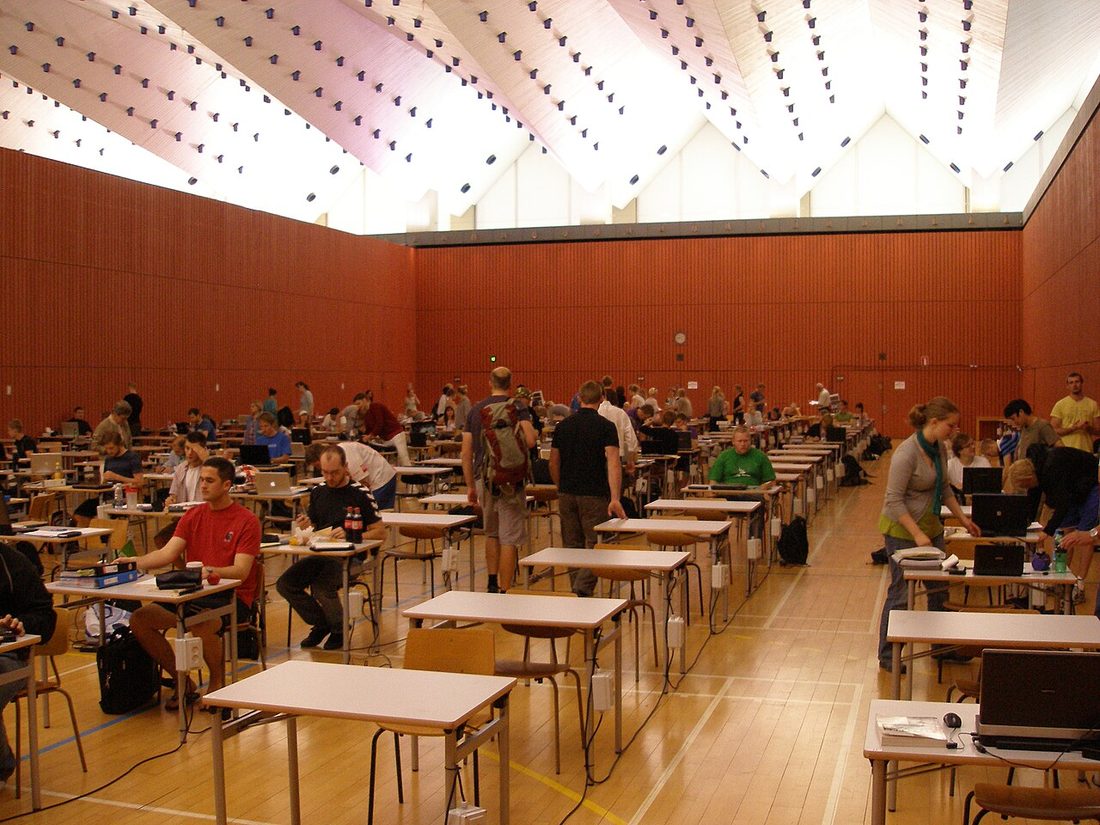
Exams Be Like
Four problems, seventy-five minutes and one very honest physics student. Eight school subjects, and one small word that says what you can do, what you can't do, and what the teacher permits.
Warm-up
Ask and answer with a partner, or with me. Tap a card when you have answered it.

Everybody has an exam story. Today you tell yours, and you learn the small word that says what you can do, what you can't do, and what the teacher permits.
Useful language
School subjects
Click a subject, then click what you study in it. Correct pairs turn green. The audio button says the word.
Complete the sentences
Click a subject in the bank, then click a gap. Click a filled gap to clear it.

 I love
_____ because we study rivers, mountains and deserts. Now I can find any country on a map.
 In
_____ this month, we learn about the Roman Empire and the two World Wars.
 In
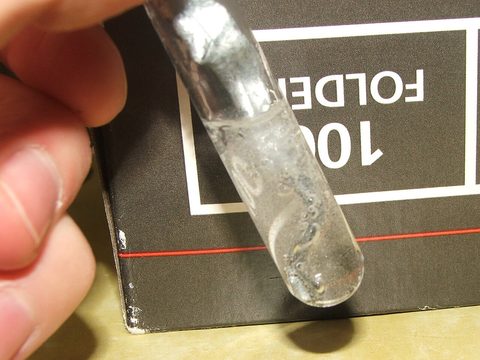
_____ class, we mix an acid with a metal and watch the reaction. It makes bubbles!
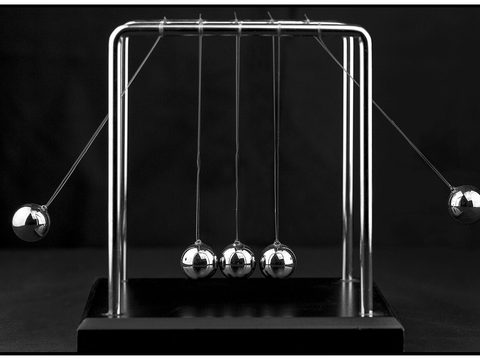 Newton and his laws of motion are the first thing we study in
_____.
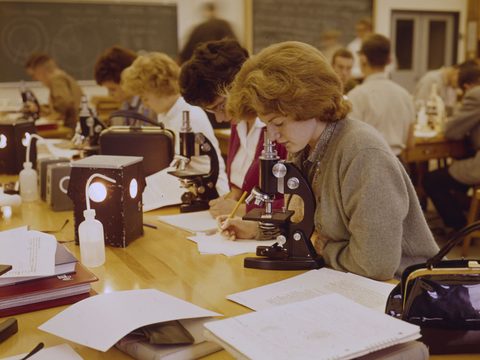 Today in
_____, we look at a leaf and a fly under a microscope.
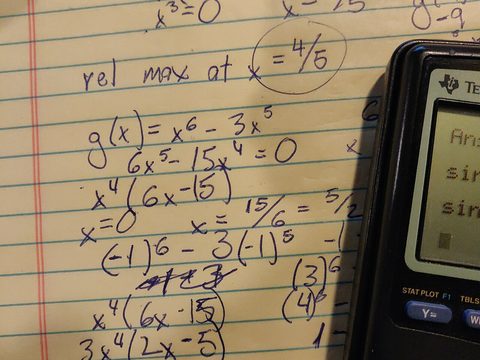 I can't do my
_____ homework without a calculator. It's all fractions and percentages!
 Bring your brushes and your colors to
_____ class. We're painting flowers today.
 She is great at
_____: she speaks Spanish, French and a little Japanese.
Seventy-five minutes
Watch the video first: ninety seconds, and it is a comedy. Then read the story. Can and can't are in bold. Tap a dotted word to see what it means.
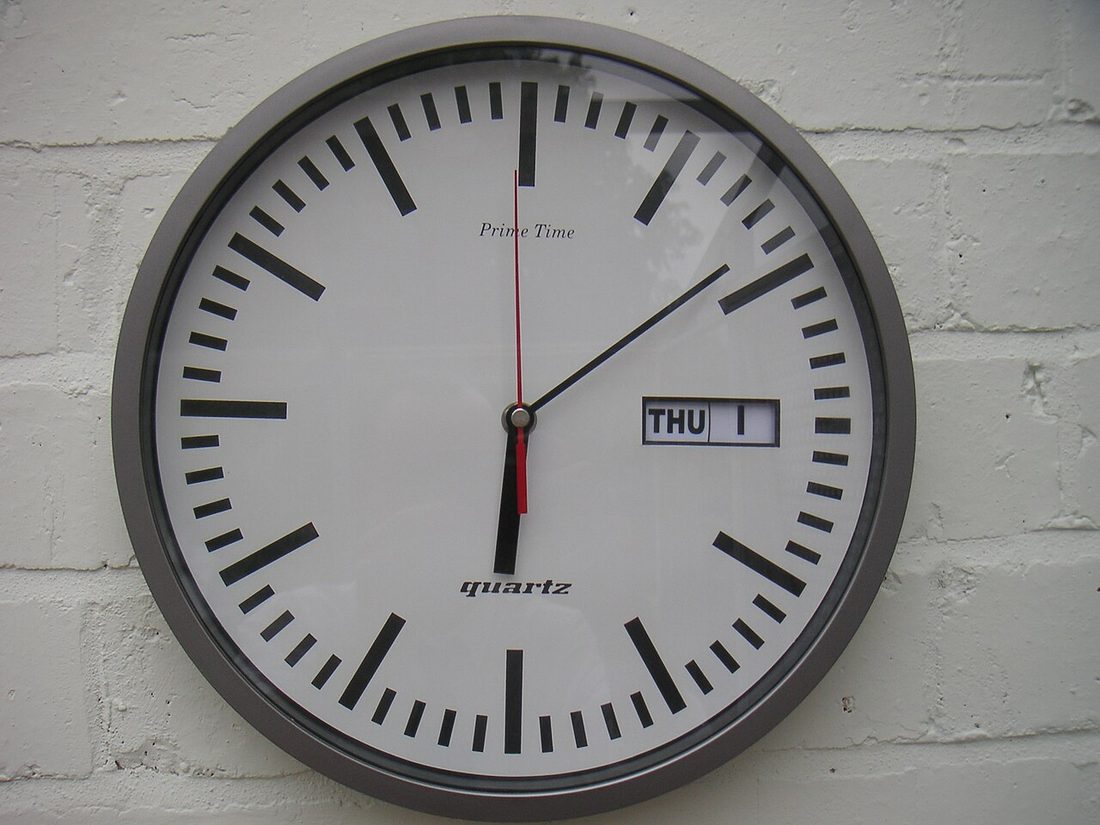
It is exam day in a university physics class. The professor says, "Four problems, just like your homework. You have an hour and fifteen minutes."
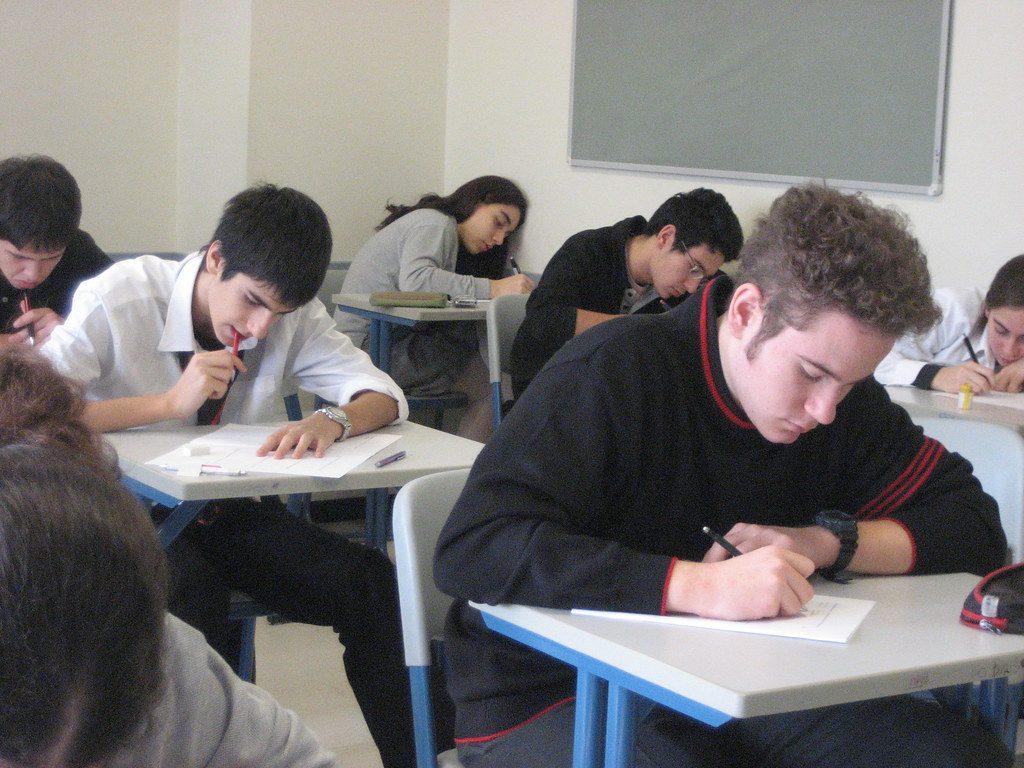
One student is worried right away. "But the homework takes me five hours!" he says. The professor only answers, "Have you tried being better?"
So the student starts and tries to stay positive. Four problems isn't that bad, he thinks. Then he sees that each problem has many parts.
He has no idea how to do Part A. So he moves on to Part B, but Part B says, "Use your results from Part A."
Without Part A, he tries his own way. Is that permitted? The professor is right there, so he can ask. But he doesn't.
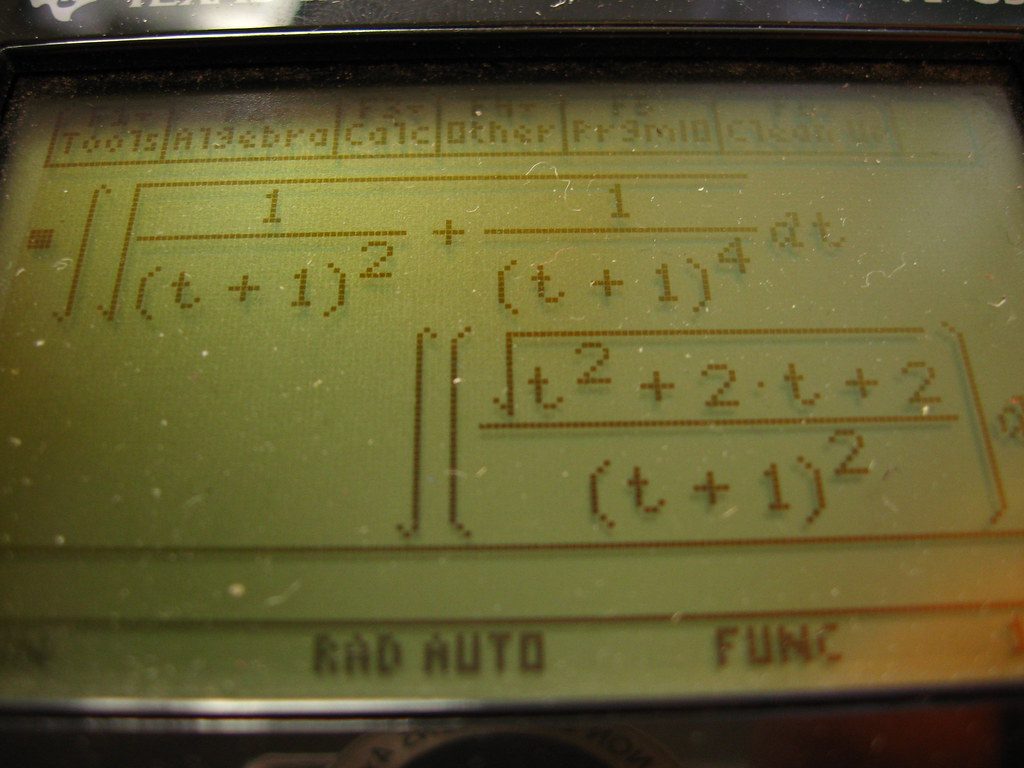
His own way brings a huge integral, and he can't calculate it. "There's no way we can do this," he thinks. It takes a long time.
When number one is more or less done, only ten minutes are left. Ten minutes, and three more problems to go!
So he works very fast. A classmate asks the professor something, but our student can't hear it. On number two, he writes a quick answer, probably wrong.
Then, on the last page, he finds the formula sheet. "Oh, come on!" With it, he doesn't need that huge integral. All that time, for nothing!
Now there's no way he can finish. The professor gives the class twelve extra seconds and takes the exams. "How was it?" "So good," he says.
Multiple choice
The stamp shows the moment in the video. Click an answer and read why.

-
How many problems are on the exam? 00:03
"Just like your homework," the professor adds. That is the first joke: for this student, the homework is a nightmare.
-
How much time do the students have? 00:06
Seventy-five minutes in total, for four problems with many parts. Listen for the end of the word: fifteen, not fifty.
-
Why is the student worried from the start? 00:08
"Those take me like five hours," he says. If the homework takes five hours, how can he do the same kind of problems in seventy-five minutes?
-
What is the problem with Part A? 00:18
"I have no idea how to do Part A" is an informal way to say "I can't do Part A". You practice it in Exercise 09.
-
Why can't he just skip Part A? 00:21
Part B begins with "Use your results from Part A." No Part A, no Part B.
-
The professor is right there. What does the student do? 00:28
"My professor's right there. I could ask, but I won't." Asking is possible and permitted, but he decides not to.
-
What can't he calculate? 00:34
"There's no way we're expected to calculate this integral," he says, "unless we did it in that class I missed."
-
What can't the student hear? 00:46
"I can't hear what he's asking. Ask louder!" It comes right after the bad news at 00:45: only ten minutes left.
-
Where is the formula sheet? 01:06
"Oh, come on! Who puts a formula sheet on the last page?" With the sheet, he says, he didn't have to do that integral.
-
How much extra time does the professor give? 01:21
"I gave you guys an extra twelve seconds." Seconds, not minutes: the professor's last joke. Before that, at 01:15, the student thinks about writing "ran out of time" to lose fewer points.
-
Somebody asks, "How was it?" He answers, "So good." What does he mean? 01:28
After Part A, the integral, the formula sheet and twelve seconds, "so good" means the opposite. People say it as a joke.
-
Which sentence best summarizes the story?
More time doesn't help when you have no idea how to do Part A. The whole story says it: his homework takes five hours too. The clock is not his real enemy; the physics is.
Five short conversations
Listen to each conversation with the audio button, or read it. Then choose the sentence that is true.
-
Emma: Oh no, it's raining so much! The soccer field is full of water.
Tom: That's too bad. I really want to play today.The field is full of water, so a game is not possible. The problem is the field, not Tom: this can't is about possibility, not ability.
-
Mom: Hey, Sam! It's time for bed. No more video games tonight.
Sam: Okay, Mom.His mom says no. This can't is about permission: the games are not permitted tonight.
-
Lisa: Wow, your painting looks amazing!
Ben: Thanks! I love drawing. I do it every weekend.Lisa says the painting looks amazing, and Ben practices every weekend. That is ability.
-
Anna: Excuse me, can you help me carry these boxes, please?
Mark: Sure, no problem!Excuse me, can you and please: three signs of a polite request. And Mark says yes.
-
Sophia: The sky looks clear now. Maybe we can go for a walk later.
David: Yeah, that sounds great!The sky is clear, so a walk is possible. Maybe we can is a very common way to suggest a plan.
Can and can't

One word, four jobs. Can says what you know how to do, what is possible and what is permitted, and it makes a polite request. The form never changes: no -s, no to, no do.
- Ability: My dad can cook. · I can't ride a motorcycle.
- Possibility: The sun is out, so we can eat outside. · I can't come tomorrow. My car is in the shop.
- Permission: You can leave early today. · You can't smoke here.
- Polite request: Can you call me later, please?
- Negative and question: can't (= cannot) + verb · Can + person + verb? — Can you ride a bike? Yes, I can. / No, I can't.
- Informal ways to say can't: I have no idea how to fix my car. · There's no way I can read all this in two minutes.
- Listen for the vowel: in a sentence, can is short and weak, like "c'n": I c'n swim. Can't keeps its full "a", and the t at the end is often very soft. In a short answer, can is strong too: Yes, I can.
-
"I can't hear what he's asking." What does the student mean? 00:46
His ears are fine, and nobody says he can't listen. The classmate speaks too quietly, so the situation makes it impossible.
-
"I can't calculate the result." Here, can't is about…
It means "I don't know how to do it", like the student with his integral.
-
"She can study with me tonight. She's free." Here, can is about…
She is free tonight, so it's possible for her. She's free is the clue.
-
"He can't watch the physics class today. He has a doctor's appointment." Here, can't is about…
He knows how to watch a class. The appointment makes it not possible for him.
-
"You can use a formula sheet on the test." Here, can is about…
The teacher makes the rules: it's permitted. (Our student only needs to look at the last page.)
-
The teacher says: "You can't use a calculator." Here, can't is about…
Everybody knows how to use a calculator. The teacher says it's not permitted.
-
"Can you help me, please?" What does it mean?
A polite request: you want the other person to do something for you.
-
"Can we have five more minutes?" What does it mean?
With Can I…? or Can we…? you ask for permission to do something yourself.
-
Which sentence is WRONG?
Can never takes -s, not even with he, she or it.
-
Which question is correct?
No to after can, and no do: can makes the question alone.
Can or can't + verb
Use the verb on the left with can or can't. Read the whole sentence first: the second half tells you which one.
-
rememberSorry, but I ___ how to do this exercise.
-
speakMy family ___ English, but not Italian.
-
you / help___ me? This exercise is too difficult!
-
finishThere's no way I ___ this exam in ten minutes.
-
useWe ___ a calculator. The teacher doesn't allow it.
-
I / see___ your formula sheet, please?
-
studySara ___ for the exam with me this week. She's free.
-
hearSpeak louder, please! We ___ you in the back of the room.
Say it again with the word given
Write a new sentence with the same meaning. Use the word on the left and keep the rest of the sentence.

-
CANThe teacher knows how to solve the problem.
-
POSSIBLEMark can't meet me after work.
-
CANIs it okay if we start the exam now?
-
PERMITTEDYou can't use a formula sheet on the final exam.
-
CANPlease lend me a pen.
-
CANIt's possible for Anna to take the exam on Monday morning.
-
IDEAI don't know how to use this formula.
-
WAYI can't do it without a calculator.
-
CANStudents are free to eat in the cafeteria.
-
CAN'TIt's not okay to shout in the science lab.
Put the words in order
Write the whole sentence. A question mark in the list means the answer is a question.
-
awindow / please / I / open / can / the / ?
-
bvery / can / swim / she / fast
-
csee / city / fireworks / people / festival / can / the / in / during / the
-
dduring / phone / the / you / your / use / exam / can't
-
eexam / can't / for / tonight / I / study / the
-
fmath / you / with / can / help / my / me / homework / ?
Can you…?
Part A is about the video. In Part B, interview a partner (or me): answer with can or can't and one more detail — when, where or how. Then tell the class one thing about your partner. Part C is for your opinions.

Useful language
What we can do at school
40–70 words. Write five sentences about you and your classmates with can or can't. Use at least four different school subjects. Example: I can do experiments in science.
My results
Check your score, then copy it and send it to your teacher on WhatsApp.

One job for this week. Every day, say three sentences out loud: one thing you can do, one thing you can't do, and one thing you have no idea how to do. Thirty seconds, in English.