SPEAKING CLUB · TOPIC 11

Clothes

From your favorite T-shirt to the future of fashion: sixty-six questions in three levels, and eight words that every level needs.

A1-C2 60 min Focus: speaking · 3 levels Home
EXERCISE 01Speaking

Warm-up

Ask and answer with a partner, or with me. Tap a card when you have answered it.

Teacher Alvaro

Everybody wears clothes, so everybody has something to say. Today there are three levels of questions. Answer the ones at your level, but listen to the other levels too: you can take good words from them.
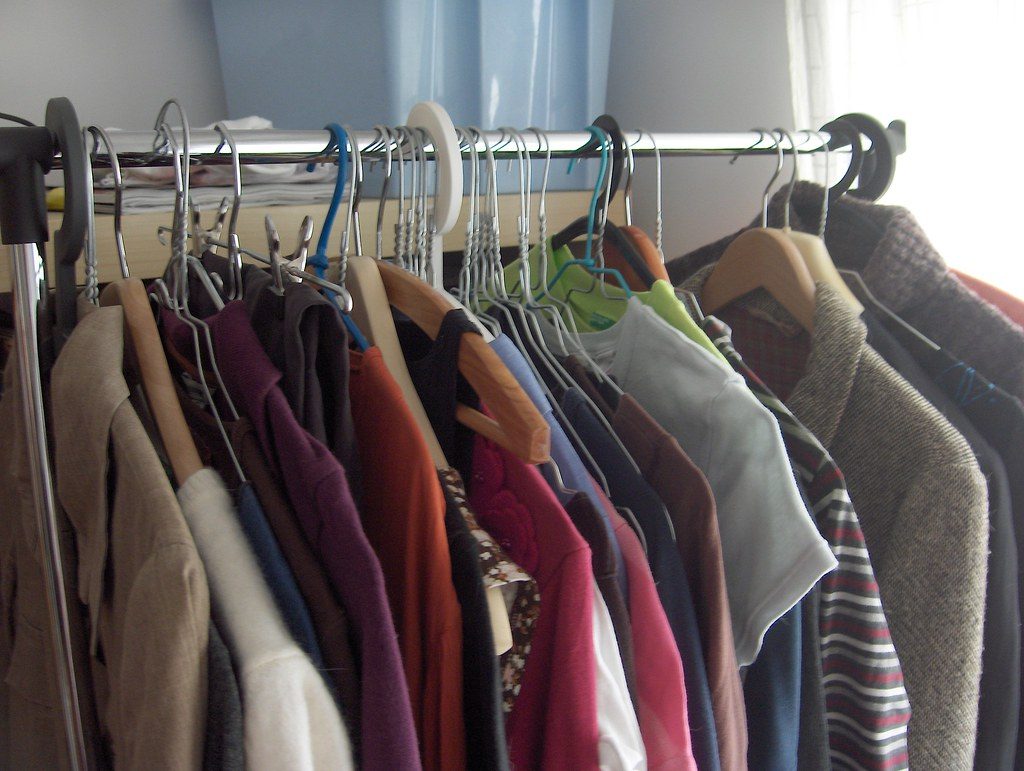
A clothes rack at home, full of shirts, sweaters and jackets on hangers
Useful language
Right now, I'm wearing …My shoes are … (color). At home, I usually wear …It takes me … minutes to get dressed. I never wear my … because it's too small / too big. My … has great style. She / He always wears …
0 / 0
EXERCISE 02Vocabulary

Words for every level

Click a word, then click its meaning. Correct pairs turn green. The audio button says the word.

Word
Meaning
EXERCISE 03Vocabulary in context

Complete the sentences

Click a word in the bank, then click a gap. Click a filled gap to clear it. Read the whole sentence first: the small words around the gap help too.

Teacher Alvaro
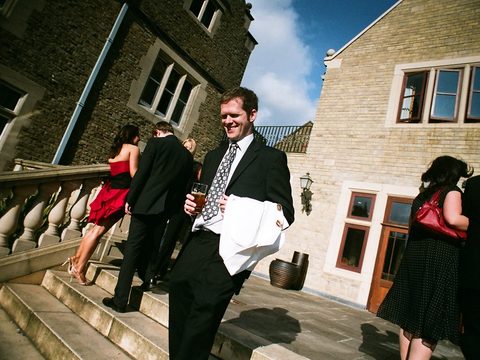
  • For his sister's wedding, he bought a _____: a dark gray jacket with matching pants. Now he only needs a tie.
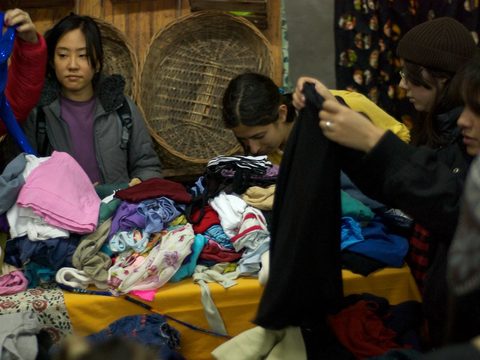
  • My cousin wore this jacket for two years, and then she gave it to me. So it's _____, but it still looks great.
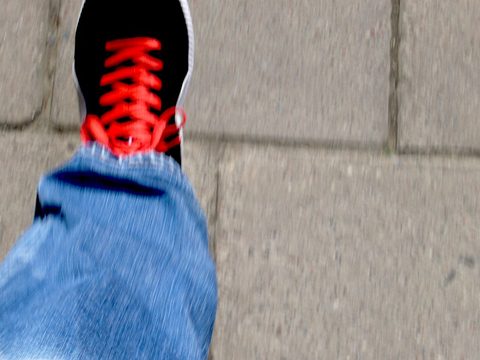
  • I walk to work every day, so I need _____ with soft soles. My old pair has a hole in the bottom.
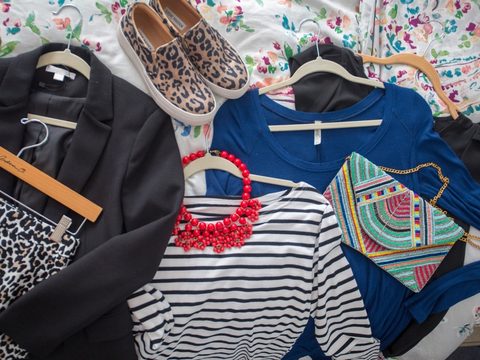
  • She changed her clothes four times before the party. Finally, she chose an _____ she loved: a long black skirt, a white top and red boots.
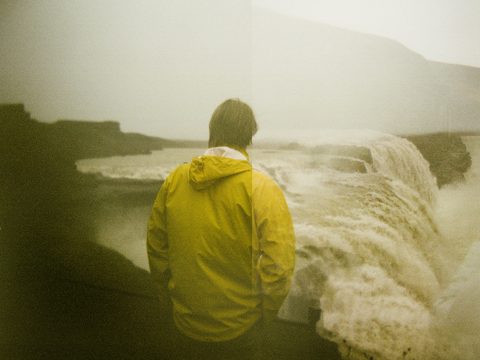
  • It's going to rain all afternoon, and the bus stop has no roof. A hoodie gets wet in a minute, but a _____ keeps the rain out.
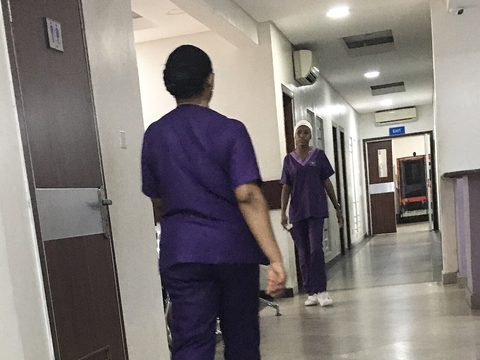
  • Police officers, nurses and pilots all wear a _____ at work, so people can see their job right away.
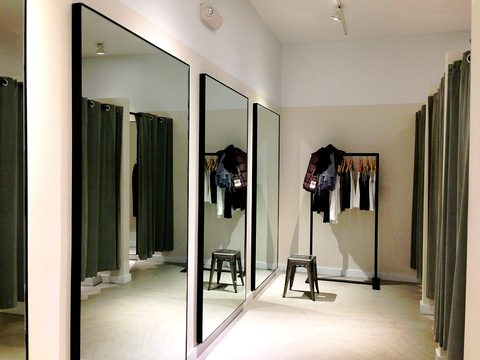
  • Excuse me, where can I _____ these jeans? I'm not sure about the size.
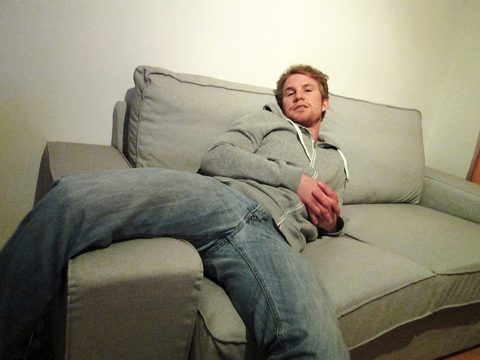
  • On cold Sundays, I stay home in sweatpants and my favorite _____. It's soft and warm, and I pull the hood up over my ears.
EXERCISE 04Speaking · A1-A2

Beginner (A1-A2)

Answer in full sentences, with a partner or with me. Tap a card when you have answered it. Stuck? Open the answer prompts below the cards: same number, same question.

Answer prompts
1 · My favorite type of clothing is ___ (casual / sporty / formal) because it's ___ (comfortable / stylish / practical). 2 · My favorite color to wear is ___ (blue / black / white / …) because it ___ (suits me / matches with everything / makes me feel confident). 3 · I like to buy my clothes from ___ (the name of a store / a brand / an online store) because they have ___ (good quality / great style / affordable prices). 4 · My favorite clothing brand is ___ (brand name) because their clothes are ___ (comfortable / high quality / stylish). 5 · I prefer to buy clothes ___ (online / in a store) because it's ___ (more convenient / easier to try them on). 6 · Yes, I like to wear jeans because they are ___ (comfortable / practical / stylish). / No, I don't like to wear jeans because they are ___ (uncomfortable / restrictive). 7 · When it's cold outside, I wear ___ (a coat / a sweater / a scarf and gloves) to stay warm. 8 · When it's hot outside, I wear ___ (shorts / a T-shirt / light clothing) to stay cool. 9 · I wear ___ (pajamas / shorts and a T-shirt / a nightgown) to sleep. 10 · Yes, I like to wear hats because they ___ (protect me from the sun / add to my style). / No, I don't like to wear hats because they ___ (make my head hot / don't suit me). 11 · I like to wear ___ (sneakers / boots / sandals) because they are ___ (comfortable / stylish / practical). 12 · I wear ___ (a uniform / jeans and a shirt / formal clothes) to school or work because it's ___ (required / comfortable / appropriate). 13 · I prefer wearing ___ (shorts / pants) in the summer because they are ___ (cooler / more comfortable / more stylish). 14 · On weekends, I usually wear ___ (casual clothes / jeans and a T-shirt / comfy loungewear). 15 · Yes, my favorite T-shirt is ___ (color), and I like it because ___ (it's soft / it's comfortable / it fits well). 16 · I usually wear ___ (a dress / nice pants and a shirt / something stylish) to a party. 17 · I prefer wearing ___ (loose / tight) clothes because they are ___ (more comfortable / more flattering). 18 · Yes, I like to wear sunglasses because they ___ (protect my eyes / make me look stylish). / No, I don't like to wear sunglasses because they ___ (are uncomfortable / don't suit me). 19 · When it rains, I wear ___ (a raincoat / a waterproof jacket / rain boots) to stay dry. 20 · Yes, I like to wear jewelry, especially ___ (rings / necklaces / bracelets), because they add ___ (a personal touch / style) to my outfit. / No, I don't like to wear jewelry because it's ___ (uncomfortable / not my style). 21 · I like to wear ___ (sweaters / hoodies) because they are ___ (warm / cozy / stylish). 22 · The most comfortable outfit I have is ___ (my sweatpants and a hoodie / a loose dress / my favorite pajamas) because it's ___ (soft / relaxed / cozy).
0 / 0
EXERCISE 05Speaking · B1-B2

Intermediate (B1-B2)

Give a reason and an example in every answer. Tap a card when you have answered it. The answer prompts below the cards have the same numbers.

Teacher Alvaro
Answer prompts
1 · My style changes with the seasons: in summer, I prefer ___ (light and breathable clothing), while in winter, I wear ___ (layers and warm clothes like sweaters and coats). 2 · I think fashion is ___ (important / not important) because it ___ (allows me to express myself / helps me feel confident / doesn't really affect how I feel). 3 · I buy new clothes ___ (once a month / every few months / only when I need something specific). 4 · When I exercise, I wear ___ (comfortable and breathable clothes like a T-shirt and shorts / leggings and a sports bra / gym gear that wicks away sweat). 5 · I ___ (do / don't) follow fashion trends. Recently, I've been interested in ___ (a specific trend, e.g., oversized blazers, vintage styles, athleisure). 6 · I think wearing second-hand clothes is ___ (great / okay) because it's ___ (eco-friendly / affordable / a way to find unique pieces). 7 · I decide what to wear based on ___ (the weather / my schedule / how I feel that day). 8 · For special occasions, I usually wear ___ (formal attire like a dress or suit / something elegant like a cocktail dress / a nice shirt and pants). 9 · I would describe my personal style as ___ (casual / classic / modern / bohemian / …) because I like to wear ___ (comfortable clothes / trendy pieces / timeless outfits). 10 · I prefer shopping for clothes ___ (online / in stores) because it's ___ (more convenient / easier to try things on / more time-saving). 11 · Yes, I have worn ___ (a Japanese kimono / an Indian sari / …). It was ___ (colorful / detailed / beautiful), and it had ___ (describe it: its colors, its shape, its details). 12 · I take care of my clothes by ___ (washing them on a gentle cycle / avoiding the dryer / storing them properly / using garment bags for delicate items). 13 · Yes, I think clothes can affect our mood because ___ (wearing something I like makes me feel more confident / dressing comfortably puts me in a good mood). 14 · I think uniforms are ___ (important / not important) because they ___ (create a sense of unity / make dressing easier / reduce individuality). 15 · I feel that clothing brands and labels are ___ (important / not very important) because they ___ (indicate quality / are just a name / have a reputation I trust). 16 · For a job interview, I prefer to wear ___ (formal attire like a suit and tie / a blouse and pants / something professional but comfortable). 17 · I organize my closet by ___ (color / type of clothing / season / frequency of use), which makes it ___ (easy to find what I need / neat and tidy). 18 · I think ___ (formal attire like a suit or dress / elegant and understated clothing) is appropriate for a wedding. 19 · Yes, I tried to make my own clothes ___ (once / a few times), and it was ___ (challenging / fun / a great learning experience). The results were ___ (good / okay / not perfect, but I was proud of them). 20 · In my country, ___ (specific items, e.g., flip-flops, sarongs, traditional hats) are common, which might be different from what people wear in ___ (other countries). 21 · Yes, I once wore ___ (a tailored suit / a beautiful dress / my favorite shirt), and it made me feel really confident because ___ (it fit perfectly / I loved the style / it brought out my best features). 22 · Yes, I think ___ (specific colors, e.g., blue, black, red) look better on me because they ___ (complement my skin tone / make my eyes stand out).
0 / 0
EXERCISE 06Speaking · C1-C2

Advanced (C1-C2)

Give your opinion and support it with an example. Then say what someone who disagrees would answer. Tap a card when you have answered it. The answer prompts below the cards have the same numbers.

Answer prompts
1 · Clothing impacts my first impression of someone by ___ (reflecting their personality / indicating their attention to detail / revealing their sense of style). It often influences how I perceive their ___ (professionalism / confidence / background). 2 · Fashion and personal identity connect because the clothes we choose often express our ___ (values / interests / culture). My style ___ (reflects who I am / makes me feel authentic / allows me to stand out or fit in). 3 · The environmental impact of the fashion industry is significant due to ___ (high water usage / pollution from dyeing processes / the waste generated by fast fashion). This impact is ___ (a major concern / leading to calls for more sustainable practices). 4 · Social media influences fashion trends by ___ (quickly spreading new styles / increasing the visibility of niche trends / creating demand for specific items). Platforms like ___ (Instagram / TikTok) allow trends to ___ (emerge rapidly / reach a global audience). 5 · For me, ___ (comfort / style) is more important because ___ (I value practicality / I like to look good). However, I try to find a balance by choosing clothes that are ___ (both comfortable and stylish). 6 · Historical events and periods influence modern fashion through ___ (revivals of past styles / interpretations of historical silhouettes / inspiration from significant cultural shifts). For example, ___ (mention a specific trend, like the return of 70s fashion in recent years). 7 · The ethics of fast fashion versus sustainable fashion revolve around ___ (the exploitation of labor / environmental degradation / consumer culture). Sustainable fashion aims to ___ (reduce harm / promote fair labor practices / encourage mindful consumption), which I believe is ___ (important / challenging but necessary). 8 · The concept of "dress for success" influences my choices by ___ (making me more conscious of my appearance in professional settings / inspiring me to dress in a way that boosts my confidence). I often choose ___ (formal / professional attire) because it helps me ___ (feel prepared / make a good impression). 9 · Globalization affects the fashion industry by ___ (expanding the reach of brands / influencing trends worldwide / creating diverse fashion influences). It also ___ (increases competition / drives the fast fashion market / spreads cultural fashion across borders). 10 · I express my individuality through clothing by ___ (choosing unique pieces / mixing different styles / incorporating cultural elements). My style reflects my ___ (personality / preferences / heritage). 11 · The relationship between fashion and body image is ___ (complex / problematic / influential). Fashion can ___ (boost self-esteem / pressure people to conform to certain standards / encourage body positivity). I think it's important that fashion ___ (embraces diversity / promotes healthy body images). 12 · Economic factors influence fashion trends by ___ (dictating what people can afford / shaping demand for certain styles / affecting the materials used). In times of ___ (economic growth / recession), fashion trends tend to ___ (become more extravagant / simplify and focus on practicality). 13 · Technology is changing the fashion industry through ___ (the rise of e-commerce / 3D printing / virtual fashion shows). It's also ___ (enhancing sustainability efforts / allowing for mass customization / creating new ways to experience fashion). 14 · Clothing can be a form of non-verbal communication by ___ (signaling social status / conveying mood / expressing affiliation with a group or ideology). For example, ___ (a business suit communicates professionalism / a uniform represents belonging to a specific organization). 15 · Sustainable fashion can be effectively promoted by ___ (educating consumers about its benefits / making sustainable options more accessible and affordable / involving influential figures in the movement). Brands can also ___ (highlight transparency in their supply chains / offer incentives for eco-friendly choices). 16 · The psychological effects of wearing uniforms include ___ (a sense of belonging / reduced pressure to choose outfits / increased focus on tasks rather than appearance). However, it can also ___ (limit personal expression / cause discomfort if the uniform is not well designed). 17 · The rise of social influencers has affected consumer behavior by ___ (driving trends / influencing purchasing decisions / creating demand for certain brands). Consumers are now ___ (more likely to buy based on influencer recommendations / looking for authenticity and relatability in fashion choices). 18 · Fashion can be a tool for empowerment or social change by ___ (challenging norms / promoting inclusivity / giving a voice to marginalized groups). For example, ___ (a movement like body positivity or gender-neutral fashion) uses clothing to ___ (make a statement / break barriers). 19 · Fashion plays a role in age perception by ___ (reinforcing stereotypes about what is "appropriate" for different ages / influencing how we view youth and maturity). Societal expectations often ___ (pressure individuals to dress according to their age), but fashion can also be a way to defy these norms. 20 · The concept of "gender-neutral" fashion has evolved by ___ (moving beyond traditional gender binaries / incorporating versatile and inclusive designs). This has impacted the industry by ___ (expanding market opportunities / challenging traditional marketing strategies / promoting inclusivity). 21 · I believe "slow fashion" has the potential to ___ (transform consumer habits by encouraging mindfulness / reduce waste / promote quality over quantity). It emphasizes ___ (ethical production / sustainable materials / long-lasting design), which I think is ___ (important for the future of the industry / challenging but necessary). 22 · I think fashion will evolve by ___ (adopting more sustainable practices / integrating technology to minimize waste / focusing on circular fashion). In response to climate change, the industry may ___ (shift toward eco-friendly materials / reduce carbon footprints / promote slower, more thoughtful consumption).
0 / 0
EXERCISE 07Writing

One question, in writing

80–120 words. Choose one question from your level (Exercise 04, 05 or 06) and copy it at the top. Start with its answer prompt, then add a reason, an example and one more detail of your own.

Teacher Alvaro
0 words
ENDEnd of lesson

My results

Check your score, then copy it and send it to your teacher on WhatsApp.

Teacher Alvaro

One job for this week. Every morning, when you get dressed, describe your outfit out loud in English: three pieces of clothing, their colors and one reason you chose them. Thirty seconds, every day.