Elections
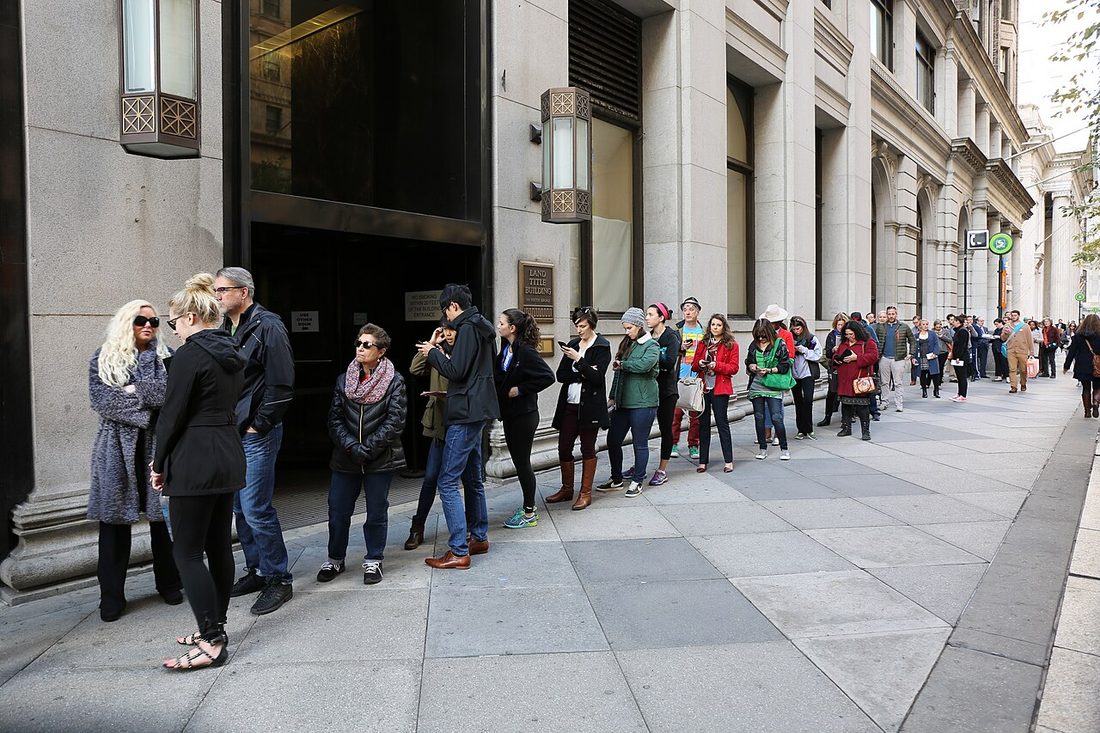
A paper ballot, a small booth, a long line at the polling place and a result late at night. Sixty-three questions in three levels about how people choose their leaders, and never about who you vote for.
Warm-up
Ask and answer with a partner, or with me. Tap a card when you have answered it.

Every vote starts with a choice. Today you talk about how people choose their leaders: in a country, in a city, even in a school class. You never have to say who you vote for. That stays private. There are three sets of questions: Beginner, Intermediate and Advanced. Answer the questions at your level, then try one from the next level.
Useful language
Election words
Click a word, then click its meaning. Correct pairs turn green. The audio button says the word.
Complete the sentences
Click a word in the bank, then click a gap. Click a filled gap to clear it.

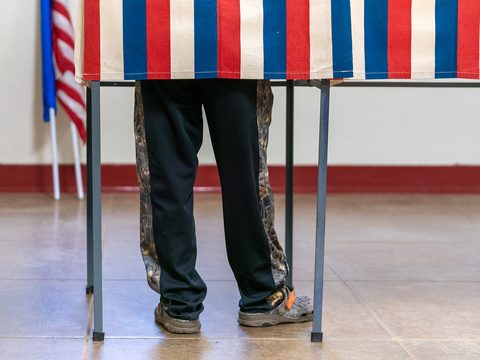 Nobody can see your choice inside the
_____: it has walls on three sides and a small curtain.
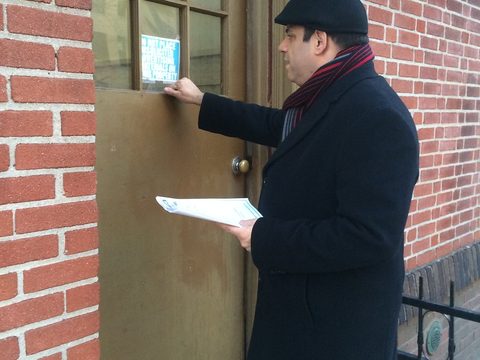 Her
_____ lasted six months. She gave speeches, put up posters and visited hundreds of homes to ask for votes.
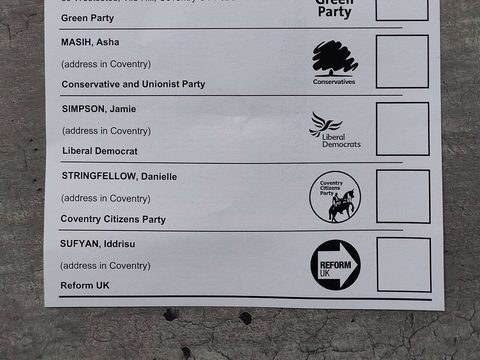 Mark only one name on your
_____. If you mark two names, your vote doesn't count.
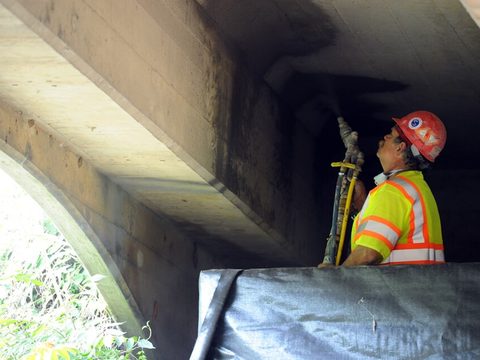 Our city has a new
_____. After she won, her first job was to fix the old bridge downtown.
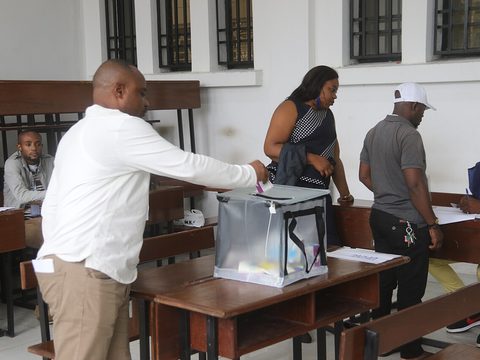 I don't want to win anything in this election. I'm just a
_____: I only want to choose the best person.
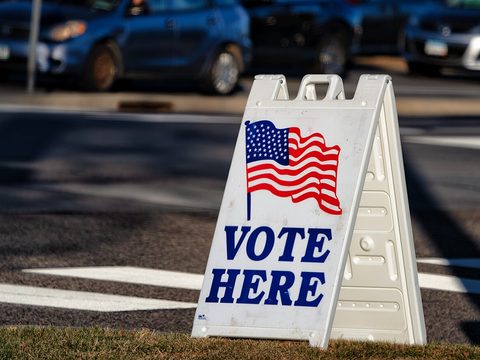 For one day, the school on my street becomes a
_____. There are no classes, and people stand in line at the door under a big sign: VOTE HERE.
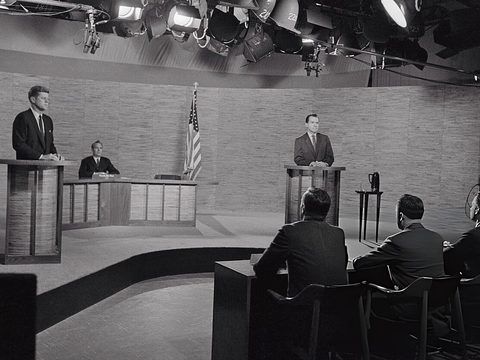 In tonight's
_____ on TV, the two people who want the job will stand face to face and answer the same questions.
 There are four people in this election, and each
_____ wants your vote. Only one of them can win.
Beginner (A1-A2)
Ask and answer with a partner, or with me. Answer in a full sentence, then add one more detail about your country or your city. Need help? Open the answer prompts: the words in brackets are a model answer, so say them in your own words. Tap a card when you have answered it.
Answer prompts
Intermediate (B1-B2)
Answer, then give a reason and an example from your country. Your partner asks one follow-up question. The answer prompts are there if you need a start. Tap a card when you have answered it.

Answer prompts
Advanced (C1-C2)
Go beyond the prompt: give your view, support it with an example from a real election, and consider the other side. Discuss systems and ideas, not the people in the room. Your partner can agree, disagree or push back. Tap a card when you have discussed it.
Answer prompts
Two countries, two systems
Two short videos from the material, best for Intermediate and Advanced students. Watch one, then talk about its cards with a partner, or with me. There are no right or wrong answers here: say what you understood and what you think. Tap a card when you have discussed it.

A · Elections in the USA
A little over two minutes, made before the 2020 election. There is almost no talking, only music: the video explains with pictures and words on the screen, so pause it when you need time to read.
B · Elections in the UK
About three minutes, fast British English, with the captions on. It is from the 2017 election, so the names and numbers are from that year, but the voting system it explains is still the same.
One question, one paragraph
80–120 words. Choose one question from your level (Exercise 04, 05 or 06) and answer it in one paragraph. Start with the answer prompt, then add your own words and an example from your country or your city. Write about how elections work, not about who you vote for. Beginners: use short, clear sentences (People vote at…, The mayor can…). Intermediate and Advanced: give a reason, a real example and the other side.
My results
Check your score, then copy it and send it to your teacher on WhatsApp.

One job for this week. Explain to a friend, in English and in one minute, how people vote in your country: who can vote, when and where. Record it on your phone and listen to it once.