SPEAKING CLUB · TOPIC 33

Growth Mindset

“I can't do this” or “I can't do this now, but I'll get there”? Seventy-two questions in three levels about mistakes, practice, feedback and not giving up.

A1-C2 60 min Focus: speaking · 3 levels Home
EXERCISE 01Speaking

Warm-up

Ask and answer with a partner, or with me. Click a card when you have answered it.

Teacher Alvaro

Two ways to see yourself. With a growth mindset, you believe you can get better with effort and practice. With a fixed mindset, you believe your talent is what it is, and it never changes. Today you talk about it in three sets of questions: Beginner, Intermediate and Advanced. Answer the questions at your level, then try one from the next level.
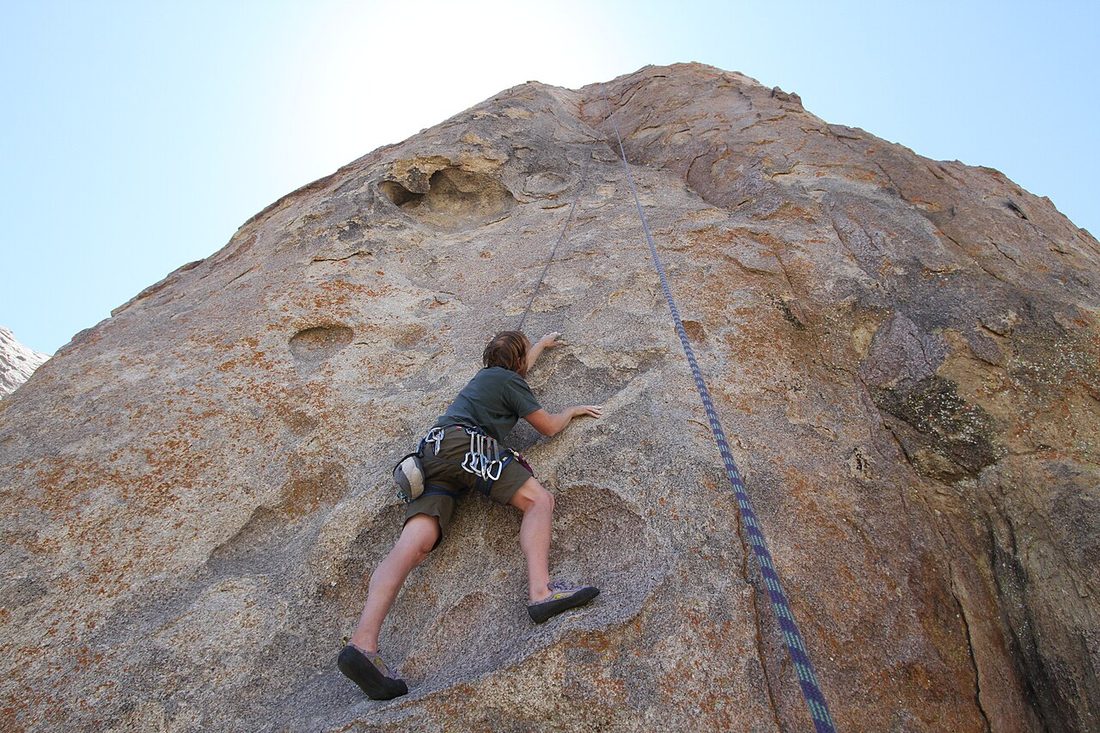
A climber on a rope works hard to go up a steep rock face under a bright blue sky
Useful language
Growth: Mistakes help me learn.Growth: Feedback is valuable. Growth: Is this my best work?Growth: I improve with practice. Growth: I won't give up.Fixed: I want to avoid making mistakes. Fixed: I'll never be that smart.Fixed: I know best. Fixed: This is good enough.Fixed: I give up. Five years ago, I couldn't … Now I can …I think practice is more important because … On a bad day, I'm A / B.The most hard-working person I know is …
0 / 0
EXERCISE 02Vocabulary

Words for getting better

Click a word, then click its meaning. Correct pairs turn green. The audio button says the word.

Word
Meaning
EXERCISE 03Vocabulary in context

Complete the sentences

Click a word in the bank, then click a gap. Click a filled gap to clear it.

Teacher Alvaro
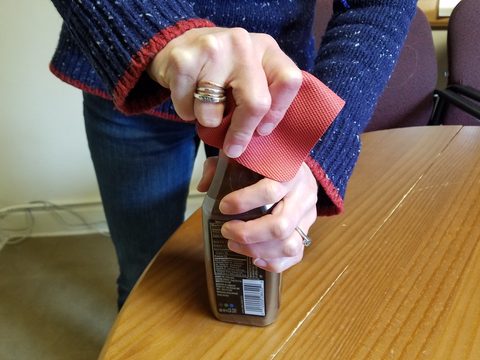
  • I've tried to open this jar for ten minutes, and it still won't open. I'm so _____!

  • My _____ for next year is to save enough money for a trip to Japan.

  • I wrote “She go to work” on my test, and the teacher circled my _____ in red.
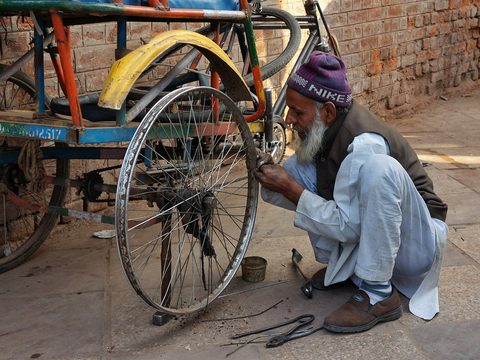
  • Fixing a bike is a useful _____. My grandfather taught me how to do it when I was ten.

  • The last kilometer of the race was terrible, and my legs hurt a lot. But I didn't _____, and I finished!

  • My little sister read her first book all by herself today. We are all so _____ of her!

  • After my presentation, my boss gave me some useful _____: my slides were great, but I spoke too fast.

  • If you want to play the piano well, you need to _____ a little every day, not only on the weekend.
EXERCISE 04Speaking · A1-A2

Beginner (A1-A2)

Ask and answer with a partner, or with me. Start with the three “Growth or fixed?” cards: choose one answer and say why. Then answer each question in a full sentence and add one more detail. Need help? Open the answer prompts and choose the words that are true for you. Click a card when you have answered it.

Answer prompts
Growth or fixed? · Choose one answer, then say why: “I would ___, because ___.” 1 · I want to get better at ___ (speaking English / drawing / playing soccer) because ___ (I think it's fun / I want to improve / it's important to me). 2 · Yes, I like learning new things because ___ (it's interesting / I feel happy when I learn / it helps me grow). 2 · No, I don't like learning new things because ___ (it's hard / it takes time). 3 · I want to try ___ (cooking / riding a bike / playing the guitar) because ___ (it looks fun / I've never done it before). 4 · ___ (My teacher / My mom / My best friend) helps me because ___ (they explain things well / they are patient). 5 · Yes, I think practice makes me better because ___ (the more I do it, the easier it gets). 6 · I feel ___ (happy / proud / excited) because ___ (I worked hard / it was not easy / I learned something new). 7 · Yes, I like to ask questions because ___ (I learn more / it helps me understand better). 7 · No, I don't like to ask questions because ___ (I feel shy / I'm afraid to be wrong). 8 · When I don't understand, I ___ (ask my teacher / ask a friend / read the lesson again). 9 · ___ (My mom / My teacher / My favorite athlete) inspires me because ___ (they always work hard / they never give up). 10 · When I feel frustrated, I ___ (take a break / ask for help / try again). 11 · Yes, I like learning from other people because ___ (they know things I don't / it's easier to learn together). 12 · I used to find ___ (writing in English / riding a bike / cooking) hard, but now it's easy because ___ (I practiced a lot). 13 · Yes, I like working in a group because ___ (we can share ideas / it's more fun). 13 · No, I don't like working in a group because ___ (it's harder to focus / I like working alone). 14 · I feel ___ (happy / proud / confident) because ___ (it means I did well / I worked hard). 15 · ___ (My family helps me / My friends help me / My teacher helps me) because ___ (they believe in me / they tell me to keep going). 16 · I say, “You can do it if you try. Don't give up!” or “Let's try it together!” 17 · Yes, they believe they can improve because ___ (they know practice helps / they think learning is important). 18 · They might say, “I can't do this,” and ___ (stop trying / give up).
0 / 0
EXERCISE 05Speaking · B1-B2

Intermediate (B1-B2)

Start with the three “Growth or fixed?” cards. Then answer each question, give a reason and a real example. Your partner asks one follow-up question. The answer prompts are there if you need a start. Click a card when you have answered it.

Teacher Alvaro
Answer prompts
Growth or fixed? · Choose one side and give a reason: “I would probably ___, because ___. But it depends on ___.” 1 · To me, having a growth mindset means ___ (believing I can improve through effort / accepting challenges as opportunities / learning from mistakes). 2 · When I fail, I usually ___ (feel disappointed at first, but then I try to figure out what went wrong) so that ___ (I can do better next time). 3 · Once, I ___ (forgot to prepare for a presentation), but I learned to ___ (manage my time better and stay more organized). 4 · I stay motivated by ___ (setting small goals / seeing progress over time / reminding myself why I started). 5 · Yes, I believe intelligence can improve because ___ (learning new skills and practicing regularly help develop our brains). 6 · I set goals by ___ (breaking them into smaller steps / giving myself deadlines / staying focused on the result). 7 · When I feel discouraged, I ___ (take a break / talk to a friend / remind myself of past successes to stay positive). 8 · I try to ___ (listen carefully to what they're saying / focus on the useful feedback / ignore unnecessary negativity). 9 · I've improved ___ (my cooking / my public speaking / my writing skills) because ___ (I kept practicing even when it felt difficult). 10 · Patience is important because ___ (progress takes time, and staying patient helps me avoid feeling frustrated). 11 · Yes, I believe effort is just as important because ___ (even talented people need to work hard to succeed). 12 · I stay focused by ___ (reminding myself why the goal matters / celebrating small progress / staying consistent). 13 · I'm inspired by ___ (thinking about the benefits of achieving the goal / seeing how far I've come / looking up to role models). 14 · I celebrate by ___ (rewarding myself with a treat / taking a break / sharing my success with friends or family). 15 · I prefer working alone because ___ (I can go at my own pace). 15 · I prefer working with others because ___ (it's more motivating and collaborative). 16 · Yes, teachers can help by ___ (encouraging students to try again / praising effort instead of results / providing constructive feedback). 17 · I feel ___ (motivated to try harder and learn from them), although ___ (sometimes it can be discouraging). 18 · ___ (My teacher / A family member / A famous figure) inspires me because ___ (they always work hard and believe in personal improvement). 19 · Yes, I believe I can because ___ (everyone has unique experiences, and younger people often have fresh perspectives). 20 · It means that ___ (every failure teaches you something important, and those lessons help you reach your goals). 21 · I used to think I couldn't ___ (speak English fluently / cook / ride a bike), but now I can because ___ (I practiced and didn't give up). 22 · Feedback motivates people with a growth mindset because they ___ (see it as a chance to improve), but people with a fixed mindset ___ (might take it personally or feel discouraged). 23 · A fixed mindset might stop someone who says, “I'm not good at this,” instead of ___ (practicing and believing they can get better).
0 / 0
EXERCISE 06Speaking · C1-C2

Advanced (C1-C2)

Start with the three “Growth or fixed?” cards, then go beyond the prompt: give your view, support it with an example, and consider the other side. The prompts use linking words (whereas, while, which ultimately, especially when): use them in your answer. Your partner can agree, disagree or push back. Click a card when you have discussed it.

Answer prompts
Growth or fixed? · Take a side, then qualify it: “I tend to ___, although ___.” 1 · Adopting a growth mindset leads to ___ (sustained success / personal improvement / professional growth) because ___ (it encourages resilience and adaptability, even in challenging situations). 2 · Failure plays a crucial role in personal growth as it ___ (provides valuable lessons / builds resilience / highlights areas for improvement), which ultimately ___ (fosters long-term progress). 3 · I believe it is ___ (something that can be developed) because ___ (with the right mindset, anyone can learn to embrace challenges and grow over time). 4 · Constructive criticism ___ (focuses on helping someone improve / provides actionable feedback), whereas negativity ___ (criticizes without offering solutions). 5 · Resilience and a growth mindset are interconnected because ___ (both involve perseverance, learning from setbacks, and adapting to new challenges). 6 · Leaders can promote a growth mindset by ___ (encouraging open communication / rewarding effort / providing constructive feedback), which ___ (motivates individuals to grow and improve). 7 · Social media can ___ (hinder a growth mindset by promoting unrealistic standards), but it can also ___ (inspire personal growth if used to follow positive and educational content). 8 · A growth mindset encourages innovation and creativity by ___ (allowing individuals to take risks, explore new ideas, and view setbacks as opportunities to improve). 9 · I overcome the fear of making mistakes by ___ (reminding myself that failure is part of the learning process / focusing on the lessons I can take away / seeking support when needed). 10 · I reframe failure by ___ (analyzing what went wrong / identifying what I can do differently / focusing on how the experience helps me grow). 11 · Mindfulness supports a growth mindset by ___ (helping individuals stay present, reducing stress, and allowing them to approach challenges with clarity and calmness). 12 · I think ___ (some educational systems focus too much on grades rather than learning processes), but they could do more by ___ (encouraging creativity and rewarding effort). 13 · Yes, a growth mindset can ___ (positively impact mental health by reducing anxiety and promoting resilience), especially when individuals focus on ___ (progress instead of perfection). 14 · Practical ways include ___ (setting realistic goals / celebrating small achievements / learning to view challenges as opportunities for improvement). 15 · Self-confidence stems from ___ (acknowledging one's abilities while remaining open to growth), whereas arrogance ___ (implies an unwillingness to learn or accept feedback). 16 · I deal with perfectionism by ___ (focusing on progress over perfection / celebrating small wins / reminding myself that mistakes are part of growth). 17 · A positive feedback culture ___ (supports a growth mindset by offering constructive criticism and encouragement), but a negative one ___ (hinders it by focusing solely on mistakes without solutions). 18 · Yes, a growth mindset helps individuals adapt by ___ (encouraging flexibility / viewing change as an opportunity / focusing on solutions rather than problems). 19 · Key barriers include ___ (fear of failure / resistance to change / a lack of supportive environments), which ___ (can make it difficult for individuals to embrace challenges). 20 · Adopting a growth mindset has ___ (taught me to see challenges as opportunities for growth) and ___ (helped me focus on improvement rather than outcomes). 21 · Growth mindset individuals ___ (believe intelligence and talent can be developed with effort), while those with a fixed mindset ___ (see them as unchangeable traits). 22 · Strategies include ___ (embracing challenges / seeking feedback / focusing on effort rather than outcomes) because ___ (this shift enables continuous learning and personal development).
0 / 0
EXERCISE 07Writing

Watch, then write

First, watch the video: one minute, with captions. Cristiano Ronaldo talks about discipline, bad days and going to the gym. Growth or fixed: what do you think? Then choose one question from your level (Exercise 04, 05 or 06) and answer it in one paragraph of 80–120 words. Start with the answer prompt, then add a real example: what happened, what you did and how you felt after. Beginners: use when and because. Intermediate and Advanced: add a contrast with but, although or whereas.

Teacher Alvaro
0 words
ENDEnd of lesson

My results

Check your score, then copy it and send it to your teacher on WhatsApp.

Teacher Alvaro

One job for this week. Choose one small skill you want to improve, in English or outside it. Practice it for ten minutes every day, and write down one mistake that taught you something. Bring that mistake to our next club.