SPEAKING CLUB · TOPIC 35

Heroes

Capes, masks and firefighters' boots. Sixty-four questions in three levels about superheroes, everyday heroes and the people we admire, and about what really makes someone a hero.

A1-C2 60 min Focus: speaking · 3 levels Home
EXERCISE 01Speaking

Warm-up

Ask and answer with a partner, or with me. Click a card when you have answered it.

Teacher Alvaro

Heroes come in all sizes. Some fly and save the city; most wear a uniform, or just normal clothes, and save a normal day. Today you talk about both, in three sets of questions: Beginner, Intermediate and Advanced. Answer the questions at your level, then try one from the next level.
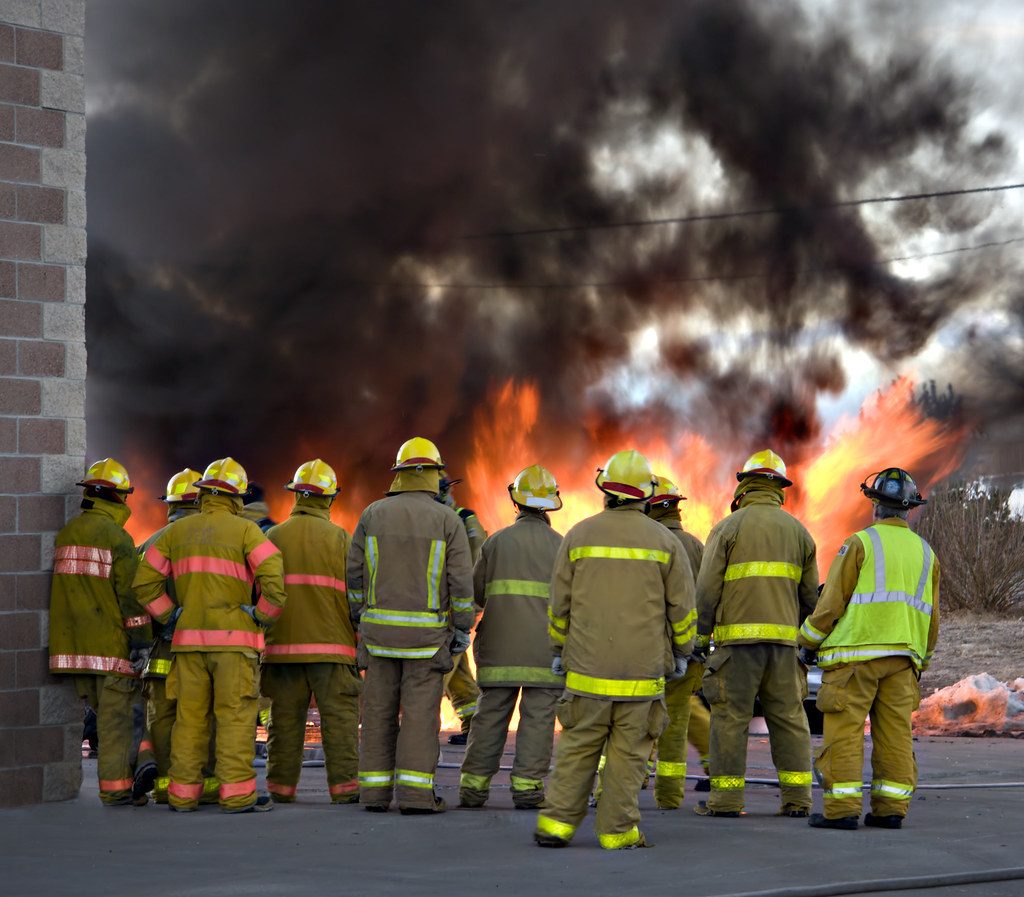
A team of firefighters in yellow helmets and gear stand together in front of a big fire and a cloud of black smoke
Useful language
I think it means …When I was a kid, I loved … The good guy was … / The bad guy was …A … needs the most courage because … My … helped me with …I saw a story about a man / a woman who …
0 / 0
EXERCISE 02Vocabulary

Hero words

Click a word, then click its meaning. Correct pairs turn green. The audio button says the word.

Word
Meaning
EXERCISE 03Vocabulary in context

Complete the sentences

Click a word in the bank, then click a gap. Click a filled gap to clear it.

Teacher Alvaro
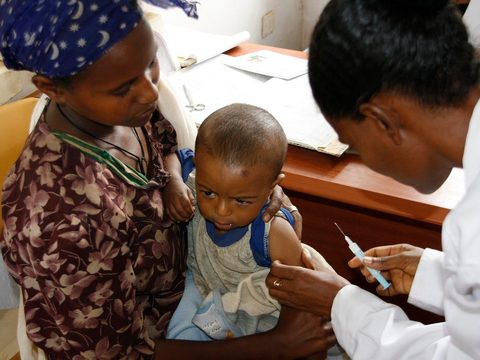
  • My five-year-old son was very _____ at the doctor's office today: he didn't cry when he got his shot.
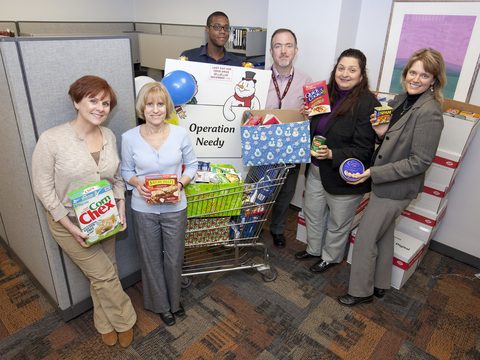
  • Every December, our office collects rice, beans and warm clothes, and we _____ everything to families who need help.
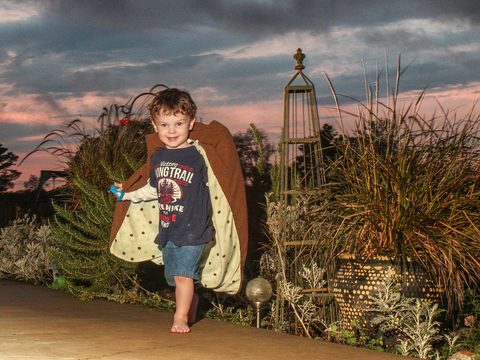
  • The little boy tied a towel around his neck, so it hung down his back like a _____. Then he ran around the backyard and shouted, “I can fly!”
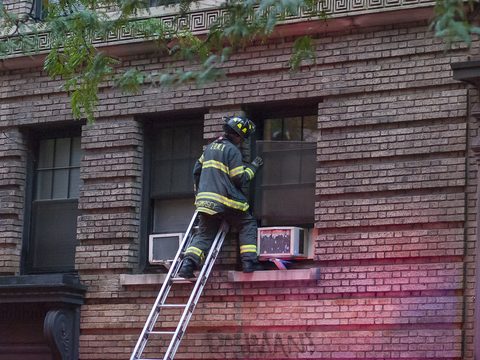
  • When the kitchen caught fire, we called for help, and ten minutes later a _____ climbed a ladder and carried our grandmother out of the window.
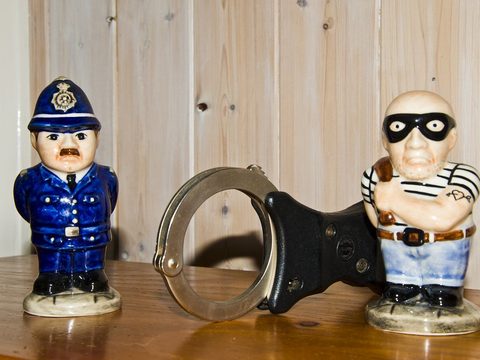
  • At the end of the movie, the hero finally catches the _____, and the city is safe again.
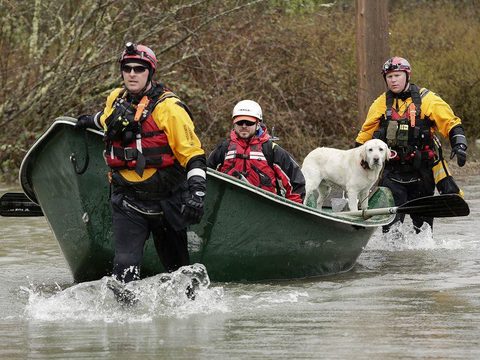
  • A man jumped into the cold river to _____ a little dog that couldn't swim back to the shore.
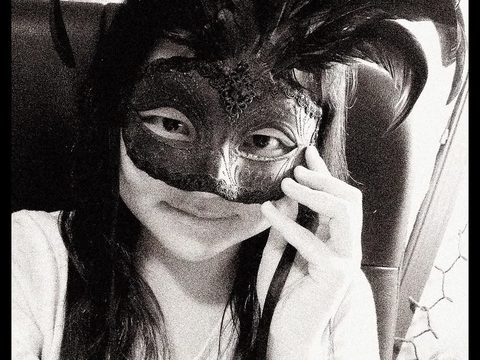
  • At the costume party, nobody knew who she was: she wore a black _____ over her eyes and nose all night.

  • She trains in the pool for four hours every day because she wants to swim for her country one day. She is a serious _____.
EXERCISE 04Speaking · A1-A2

Beginner (A1-A2)

Ask and answer with a partner, or with me. Answer in a full sentence, then add one more detail. Need help? Open the answer prompts and choose the words that are true for you. Click a card when you have answered it.

Answer prompts
1 · Yes, I can. ___ (Superman / Batman / Wonder Woman) is a famous hero. 2 · Yes, my favorite superhero is ___ (Spider-Man / Iron Man / Captain America) because ___ (he is strong / he helps people / he is cool). 2 · No, I don't have a favorite superhero. 3 · Superheroes can ___ (fly / run fast / be very strong / see in the dark). 3 · Some superheroes have ___ (magic / super speed / laser eyes). 4 · Yes, because ___ (they help people / they are brave). 4 · No, because ___ (heroes have superpowers / heroes are special). 5 · My hero is ___ (my mom / my dad / my teacher / my friend) because ___ (they help me / they are kind / they work hard). 6 · A hero ___ (helps people / saves lives / fights bad guys). 7 · Yes, my teacher is a hero because he or she ___ (helps students / teaches us new things / is patient). 8 · Yes, because ___ (they save people / they stop fires / they are brave). 9 · Superman's cape is ___ (red / blue / yellow). 10 · Yes, I know ___ (Wonder Woman / Captain Marvel / Mulan). 10 · No, I don't know any female heroes. 11 · Yes, because ___ (they save people / they help the police / they protect their owners). 11 · No, because ___ (they don't know they are heroes / they don't have superpowers). 12 · Yes, they help people by ___ (saving them / protecting them / fighting bad guys). 13 · Yes, because ___ (I want to help people / I want to fly / I like superheroes). 13 · No, because ___ (it is dangerous / I don't want to fight). 14 · Spider-Man can ___ (climb walls / shoot webs / jump high). 15 · My superpower is ___ (running fast / being kind / helping people). 16 · A superhero costume has ___ (a cape / a mask / boots). 16 · It is ___ (red and blue / black and yellow / very colorful). 17 · Yes, I like superhero movies because ___ (they are fun / they are exciting / I like action). 17 · No, I don't like superhero movies because ___ (they are too long / I don't like action). 18 · Yes, I would like to meet ___ (Superman / Black Panther / Iron Man) because ___ (he is strong / he is cool / he is funny). 18 · No, I would not like to meet a superhero. 19 · Yes, because ___ (a friend helps me / a friend is kind / a friend saves me when I have problems). 20 · Yes, because ___ (heroes help people / heroes care about others / heroes are good).
0 / 0
EXERCISE 05Speaking · B1-B2

Intermediate (B1-B2)

Answer, then give a reason and a real example. Your partner asks one follow-up question. The answer prompts are there if you need a start. Click a card when you have answered it.

Teacher Alvaro
Answer prompts
1 · A hero should be ___ (brave / kind / strong / intelligent) because ___ (they need to help people / they must make hard choices / they protect others). 2 · My hero is ___ (my mother / my teacher / a firefighter / a doctor) because ___ (they inspire me / they work hard / they help others / they never give up). 3 · I think heroes are ___ (born, because they are naturally brave and strong / made, because experiences teach them how to help others). 4 · My favorite hero story is ___ (the story of Superman / Mulan / Nelson Mandela / the firefighters in my town) because ___ (it teaches courage / it is inspiring / it shows real strength). 5 · Yes, because ___ (people can change / everyone makes mistakes / they can learn to do good). 5 · No, because ___ (a villain always chooses the wrong path / some actions cannot be forgiven). 6 · Yes, I have: ___ (a doctor / a soldier / my father). I consider them a hero because ___ (they saved someone / they helped people / they were very brave). 6 · No, I haven't, but I would like to meet a real hero one day. 7 · Everyday heroes ___ (help others / save animals / donate food / stand up for what is right). 8 · Yes, because ___ (they are human / nobody is perfect / they have to make difficult choices). 8 · No, because ___ (a real hero always does the right thing / they think before acting). 9 · In my country, ___ (the name of a historical leader, a war hero or a famous activist) is considered a hero because ___ (they fought for freedom / they helped the poor / they changed history). 10 · Being a hero is dangerous because heroes ___ (face enemies / have to take risks / might get hurt). 11 · Yes, I have. I ___ (helped someone in danger / stood up for a friend / donated something important). 11 · No, I haven't, but I would like to do something heroic one day. 12 · I admire ___ (Mahatma Gandhi / Mother Teresa / Martin Luther King Jr. / an explorer / a scientist) because ___ (they changed the world / they fought for justice / they helped many people). 13 · Yes, because ___ (they inspire people / they work hard / they help charities). 13 · No, because ___ (they are famous, but they don't save lives / they are not always good role models). 14 · Yes, because ___ (sometimes they make mistakes / they have to hurt others to save people / they are not perfect). 14 · No, because ___ (a true hero always does good / they always choose the right path). 15 · A hero is different because ___ (they take action / they are not afraid / they put others first). 16 · Superheroes are ___ (strong / fast / smart / kind), and they can ___ (fly / fight / help / use special skills). 17 · Yes, because ___ (one good action can change a life / saving someone is enough to be a hero). 17 · No, because ___ (a real hero is someone who helps all the time, not just once). 18 · Being a hero is risky because ___ (you can get hurt / you can lose everything / it is stressful). 19 · Some real-life heroes are ___ (doctors / firefighters / police officers / activists / teachers) because ___ (they help / they protect / they change lives). 20 · Movies and books make us believe that ___ (heroes always win / heroes never get scared / all heroes have superpowers). 20 · In real life, heroes are different because ___ (they don't have superpowers / they make mistakes / they are normal people). 21 · Yes, because ___ (people look up to them / they teach good values / they show what is right). 21 · No, because ___ (nobody is perfect / some heroes make bad choices too). 22 · Heroism is about ___ (courage, because heroes must be brave / kindness, because heroes help others). 22 · It is both, because ___ (a hero must be brave to do the right thing and kind to care for others).
0 / 0
EXERCISE 06Speaking · C1-C2

Advanced (C1-C2)

Go beyond the prompt: give your view, support it with an example, and consider the other side. Many prompts come in two parts, a view and then a However: use both in your answer, or argue against one of them. Your partner can agree, disagree or push back. Click a card when you have discussed it.

Answer prompts
1 · I believe heroism can be ___ (taught / learned / developed) through ___ (education / life experiences / difficult situations). 1 · However, some people argue that heroism is ___ (innate / a personality trait / a natural instinct). 2 · Heroism is often seen as positive because ___ (it inspires others / it leads to change / it helps society). 2 · However, it can also have negative aspects, such as ___ (self-destruction / unintended consequences / moral dilemmas). 3 · Many historical figures are considered heroes because ___ (they led revolutions / they fought for justice / they changed the world). 3 · However, some of them ___ (took controversial actions / had personal flaws / had negative impacts). 4 · Yes, because ___ (heroic moments often happen in unexpected situations / courage can be spontaneous / anyone can save a life). 4 · No, because heroism usually requires ___ (preparation / long-term dedication / strong values). 5 · In some cases, self-sacrifice is ___ (essential / unavoidable / part of being a hero). 5 · However, one can be a hero without self-sacrifice by ___ (helping others / leading with integrity / making difficult decisions). 6 · Yes, because ___ (not all heroes seek recognition / many acts of heroism go unnoticed / some people prefer to help anonymously). 6 · No, because ___ (a hero's influence often comes from inspiring others / their actions need to be seen to make a difference). 7 · Heroes play a vital role in crises by ___ (providing leadership / offering hope / making sacrifices). 7 · However, they can also ___ (face extreme pressure / be misunderstood / become symbols rather than real people). 8 · Yes, because ___ (they inspire people / they teach moral lessons / they represent ideals). 8 · No, because ___ (real-world problems are more complex / fictional heroes often follow unrealistic narratives). 9 · In the past, heroes were seen as ___ (warriors / kings / mythical figures), but today, they are often ___ (activists / scientists / everyday people). 9 · This change reflects ___ (shifting values / modern challenges / new definitions of bravery). 10 · A tragic hero is ___ (flawed / doomed by fate / often misunderstood), while a traditional hero is ___ (strong / victorious / morally perfect). 11 · Yes, because ___ (real people have flaws / ethical decisions are not always black and white / power can corrupt even good individuals). 12 · Heroes often struggle with ___ (choosing the greater good / sacrificing a few to save many / acting outside the law). 13 · Some argue that recognition is ___ (important / necessary / motivating) because ___ (it encourages others / it inspires action / it validates efforts). 13 · Others believe true heroism is ___ (selfless / quiet / independent of praise). 14 · Yes, because ___ (sometimes people act instinctively / circumstances create heroes / bravery isn't always planned). 14 · No, because ___ (heroism requires intent / true heroes make conscious choices). 15 · The media ___ (glorifies / exaggerates / romanticizes) heroes, which can ___ (shape public perception / create unrealistic expectations / make heroism seem unattainable). 16 · Yes, because ___ (heroes provide hope / they set examples / they drive progress). 16 · However, relying too much on heroes can ___ (be dangerous / be unrealistic / weaken our sense of collective responsibility). 17 · Yes, because ___ (Ayrton Senna inspired a generation / he was charitable / he represented resilience). 17 · Fernanda Torres is admired because ___ (she has contributed to culture / she challenges stereotypes / she uses her influence positively). 18 · A leader ___ (guides / influences / makes strategic decisions), while a hero ___ (acts / sacrifices / takes risks). 18 · Sometimes, leaders can be heroes if they ___ (make courageous choices / fight for justice / take personal risks). 19 · Heroism can lead to ___ (burnout / personal loss / extreme expectations). 19 · Sometimes, heroes ___ (are exploited / are pressured to be perfect / make mistakes). 20 · Yes, because ___ (they have personal struggles / they grow through challenges / they reflect human emotions). 20 · No, because ___ (real heroes exist in our communities / they show us that heroism is possible / they face real-life problems). 21 · Yes, because ___ (some villains believe they are doing the right thing / they sacrifice for their beliefs / they fight for justice in their own way). 21 · No, because ___ (a true hero always considers the consequences of their actions / morality is key to heroism). 22 · No, because ___ (perfection is unrealistic / heroes are human too / making mistakes is part of growth). 22 · However, heroes should ___ (strive for integrity / be accountable for their actions / set a good example).
0 / 0
EXERCISE 07Writing

One question, one paragraph

80–120 words. Choose one question from your level (Exercise 04, 05 or 06) and answer it in one paragraph. Start with the answer prompt, then add a real example: who the hero is, what they did and why it matters to you. Beginners: use and and because. Intermediate and Advanced: show the other side too, with but, although or however.

Teacher Alvaro
0 words
ENDEnd of lesson

My results

Check your score, then copy it and send it to your teacher on WhatsApp.

Teacher Alvaro

One job for this week. Find one everyday hero: at work, at home or on the street. Who was it, what did they do, and was it brave, kind or both? Tell us the story in English at our next class, in one minute.