SPEAKING CLUB · TOPIC 47

My Hometown

A big city, a small town by the sea, a village in the countryside: everybody comes from somewhere. Sixty-four questions in three levels about the place where you grew up, and eight words that every level needs.

A1-C2 60 min Focus: speaking · 3 levels Home
EXERCISE 01Speaking

Warm-up

Ask and answer with a partner, or with me. Tap a card when you have answered it.

Teacher Alvaro

Everybody comes from somewhere. A street, a school, a smell of food that takes you back in one second. Today there are three levels of questions about the place where you grew up. Answer the ones at your level, and listen to the other levels too: you can take good words from them.
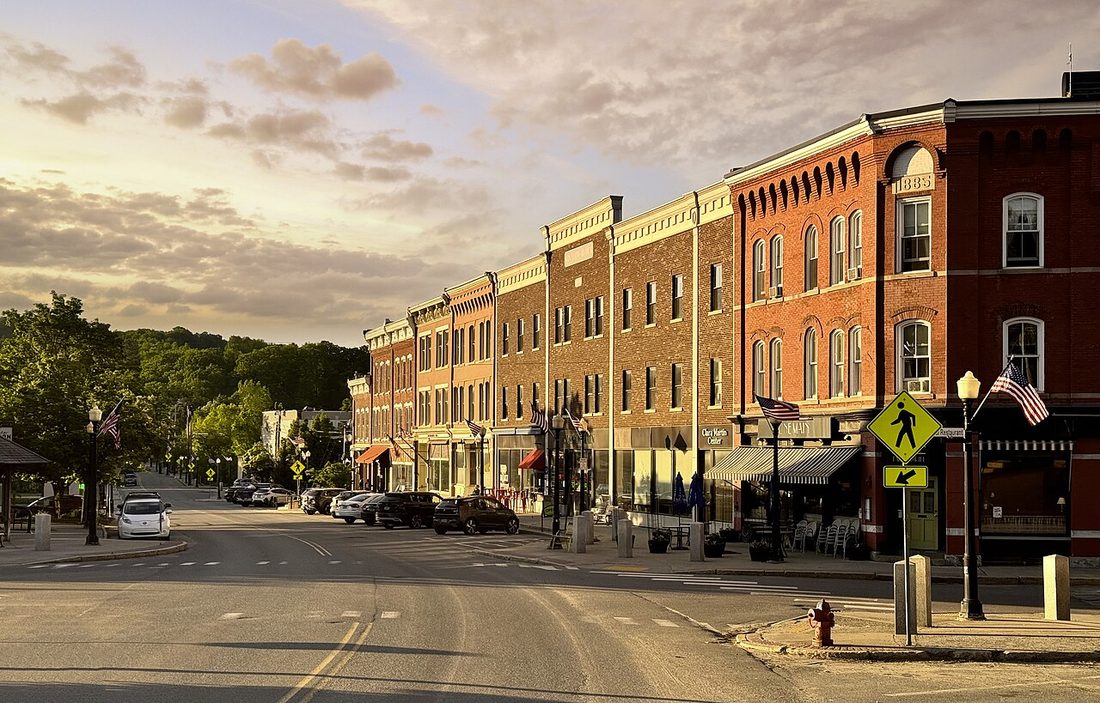
Main Street of a small American town at sunset: a row of old red-brick buildings with stores, a wide empty street and a few parked cars
Useful language
I was born in …I grew up in … I live in … now.I prefer … because … I can see / hear / smell …You have to try the … When I was a child, there was …Now there is / there are …
0 / 0
EXERCISE 02Vocabulary

Words about your hometown

Click a word, then click its meaning. Correct pairs turn green. The audio button says the word.

Word
Meaning
EXERCISE 03Vocabulary in context

Complete the sentences

Click a word in the bank, then click a gap. Click a filled gap to clear it. Read the whole sentence first: the small words around the gap help too.

Teacher Alvaro
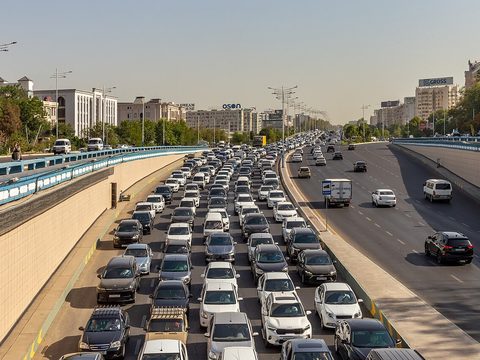
  • Don't drive downtown at six o'clock. There is so much _____ that it takes an hour to go two miles.
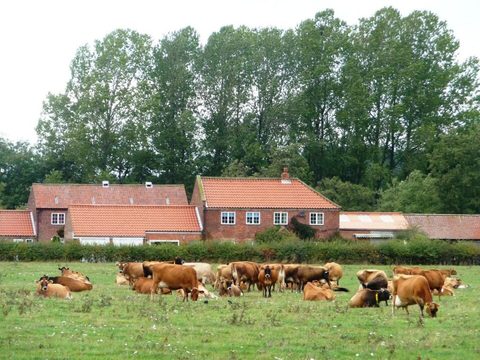
  • My grandparents don't live in a city. Their house is out in the _____, with cows, corn fields and no neighbors for miles.
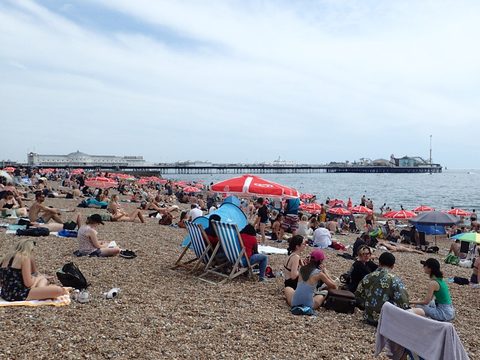
  • On Saturday afternoons the beach is really _____: there are so many people that you can't find a place for your towel.
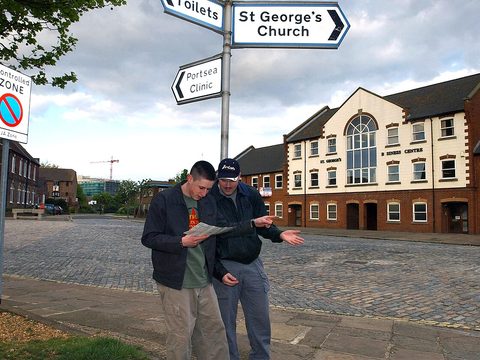
  • A _____ with a big camera and a map stopped me on the street. He was on vacation and asked me the way to the old church.
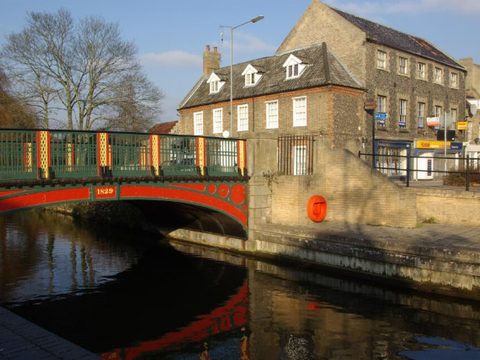
  • I live in the capital now, but I was born in a little town by a river. I go back to my _____ every December to see my parents.
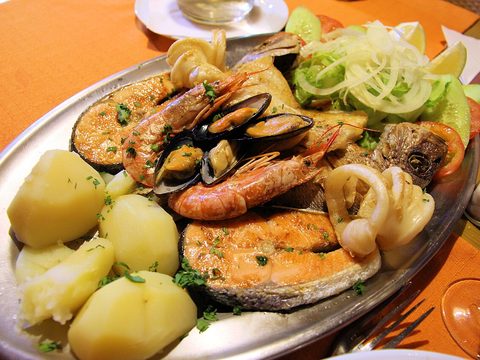
  • The restaurants next to the harbor serve fresh _____: grilled fish, shrimp and oysters that came off the boats that morning.
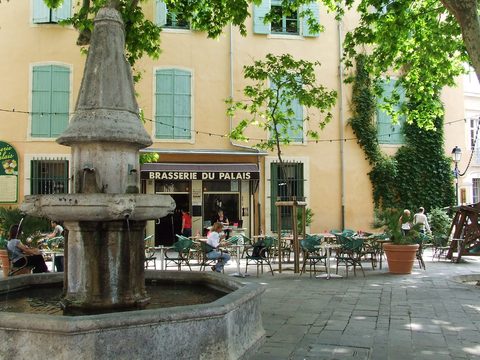
  • In the middle of the old town there is a big _____ with a fountain in the center and cafés on every side. People meet there in the evening.
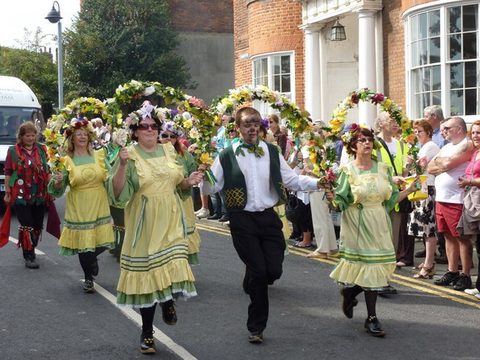
  • Every July our town has a three-day _____, with live music, dancing and food stands in every street.
EXERCISE 04Speaking · A1-A2

Beginner (A1-A2)

Answer in full sentences, with a partner or with me. Tap a card when you have answered it. Stuck? Open the answer prompts below the cards: same number, same question. Choose one idea from the brackets, or use your own words.

Answer prompts
1 · My hometown is in [the north, the south, the countryside…] near [the sea, the mountains, the capital…]. 2 · The name of my hometown is [Rio, Seoul, Madrid…]. 3 · My hometown is [big, small, medium…]. 4 · I like [the food, the people, the beach…] because [it is delicious, they are friendly, it is beautiful…]. 5 · About [10,000 / 50,000 / 1 million…] people live there. 6 · The weather is [hot, cold, warm, rainy…]. 7 · Yes, there is [a museum, a park, a stadium…]. 8 · People usually [go shopping, go to the movies, play soccer…]. 9 · My favorite restaurant is [Pizza Hut, a café, a sushi place…]. 10 · Yes, I can walk to [the park, the stores, the school…]. 11 · The best time is [summer, spring, winter…] because [the weather is nice, there are festivals…]. 12 · Yes, many tourists come [in the summer, during the holidays, on weekends…]. 13 · Yes, it is famous for [seafood, pizza, coffee…]. 14 · Yes, there is [a church, a castle, a temple…]. 15 · People like [pop, rock, traditional music…]. 16 · My hometown is [safe, quiet, dangerous sometimes…]. 17 · I usually go [by bus, by car, by bike, on foot…]. 18 · On weekends, I [go shopping, meet friends, play soccer…]. 19 · The most beautiful place is [the park, the beach, the mountains…]. 20 · Yes, there is a [soccer team, basketball team, volleyball team…]. 21 · I feel [happy, relaxed, bored…] in my hometown. 22 · I miss [my friends, the food, the beach…]. 23 · Yes, because [I love it, my family is here, it is comfortable…].
0 / 0
EXERCISE 05Speaking · B1-B2

Intermediate (B1-B2)

Give a reason and an example in every answer. Tap a card when you have answered it. The answer prompts below the cards have the same numbers.

Teacher Alvaro
Answer prompts
1 · My hometown is [quiet, lively, peaceful…] with [narrow streets, tall buildings, lots of nature…], so it feels [relaxing, crowded, comfortable…]. 2 · It is different because [the culture is unique, the food is special, the people are very friendly…], and it also has [beautiful beaches, mountains, festivals…]. 3 · It has changed a lot: [new buildings were built, more tourists arrived, public transportation improved…], although [some traditions disappeared, traffic became worse…]. 4 · Most people are [friendly, hardworking, traditional…], but there are also [students, young families, foreigners…], which makes the town [diverse, interesting, mixed…]. 5 · Yes, we celebrate [a music festival, a food fair, a religious event…] every year, and people usually [dance, eat traditional dishes, wear costumes…]. 6 · People usually [go shopping, meet friends in cafés, play sports…], while others prefer [going to the park, staying at home, visiting family…]. 7 · It is more [traditional, modern, a mix…] because [people keep old customs, there are many new buildings, young people bring new ideas…]. 8 · The most popular places are [the old castle, the city square, the beach…] because [they are beautiful, they are famous, everyone enjoys visiting them…]. 9 · Yes, there is [a big park, an art museum, a cultural center…], and people go there to [relax, learn about history, watch concerts…]. 10 · My favorite place is [the park, the library, the main square…] because [I feel calm there, I can meet my friends, it has a nice view…]. 11 · Yes, [a singer, a soccer player, a writer…] is from my hometown, and people are proud because [they are successful, they represent the city, they are known worldwide…]. 12 · It is [easy, difficult, not too bad…] because [there are many buses, the streets are small, traffic is heavy…]. 13 · Typical food includes [seafood, rice dishes, spicy soup…], and people usually eat it [at festivals, at family dinners, on weekends…]. 14 · I would change [the traffic, the pollution, the lack of activities…] so that people could [live more comfortably, enjoy cleaner air, have more fun…]. 15 · My best memory is [playing in the park, celebrating festivals, going to school with friends…] because [I felt free, I was with my family, it was exciting…]. 16 · I miss [the food, the people, the atmosphere…] most, even when [I have new experiences, I meet new people…]. 17 · My hometown is [smaller, quieter, less expensive…] than the capital, but it is also [friendlier, safer, more relaxing…]. 18 · Life is [slow, fast, somewhere in between…], and I prefer it because [I can relax, I don't feel stressed, there are more opportunities…]. 19 · Yes, it is good because [there are schools, sports clubs, job opportunities…], although [there are not many concerts, shopping malls…]. 20 · Yes, I would, because [the food is amazing, the people are friendly, there are interesting places to see…], but [it is not very big, there aren't many hotels…].
0 / 0
EXERCISE 06Speaking · C1-C2

Advanced (C1-C2)

Take a position, support it with an example, and answer the other side before you finish. Tap a card when you have discussed it. The answer prompts below the cards have the same numbers and show one way in.

Answer prompts
1 · The atmosphere is [vibrant, laid-back, hectic…] since [people enjoy being outdoors, the nightlife is intense, life moves slowly…]. 2 · Many people believe [everyone is friendly, it's always hot, people are lazy…], yet in reality [that's only partly true, things have changed, it depends on the area…]. 3 · I would say it is [a mix of tradition and modern life, strongly connected to nature, very multicultural…], which means [it reflects the country's history, it offers a unique lifestyle, it attracts many visitors…]. 4 · Events like [a civil war, colonization, industrial growth…] played a huge role, so today the city is [diverse, rebuilt, industrialized…]. 5 · It has gained [better transportation, new businesses, international visitors…], although it has lost [green spaces, old traditions, a sense of community…]. 6 · They say it was [quieter, safer, more united…], whereas now it feels [busier, more expensive, less personal…]. 7 · In 50 years, it might be [a technological hub, much bigger, almost unrecognizable…], unless [leaders protect traditions, people move away, the economy declines…]. 8 · It reflects the national culture through [food, celebrations, family life…], while also showing [regional accents, local customs, special values…]. 9 · Traditions like [folk dances, local markets, religious festivals…] are fading, mainly because [young people are less interested, globalization is strong, technology replaces them…]. 10 · Yes, issues such as [unemployment, inequality, crime…] exist, though people rarely mention them because [they feel ashamed, they want to keep a good image, it's politically sensitive…]. 11 · It is [a great place, not ideal, good in some ways…] since [schools are strong, it's safe, there aren't many opportunities…]. 12 · Education is [essential, underestimated, slowly improving…], for it [creates job opportunities, helps reduce inequality, encourages innovation…]. 13 · They struggle with [finding jobs, affording housing, limited entertainment…], even though [the community is supportive, families are close, life is cheaper…]. 14 · Tourism has [created jobs, improved infrastructure, raised prices…], but at the same time [locals lose privacy, traditions become commercial, traffic has increased…]. 15 · Yes, because [it has hidden beauty, unique culture, good potential…], yet I worry that [too many tourists might damage it, the city isn't prepared, locals may not benefit…]. 16 · Big cities could learn from [a slower lifestyle, stronger community values, sustainability…], while my hometown could learn from [innovation, better services, cultural diversity…]. 17 · I would rather live [in my hometown, abroad, in both places…] since [I value family ties, I want more opportunities, I enjoy a balance between the two…]. 18 · I'd recommend [a local café, a hiking trail, a historic square…] because [it shows the real culture, it's peaceful, few tourists know about it…]. 19 · I would preserve [the language, the food, the architecture…] as it represents [our heritage, our identity, our shared memories…]. 20 · It's visible in [housing, education, health services…], as [rich people live in new areas, poor people lack resources, opportunities aren't equal…]. 21 · I would show them [the main square, the old town, a cultural festival…] so they could [understand our history, meet the local people, see what makes us unique…].
0 / 0
EXERCISE 07Writing

One question, in writing

80–120 words. Choose one question from your level (Exercise 04, 05 or 06) and copy it at the top. Start with its answer prompt, then add a reason, an example and one more detail of your own.

Teacher Alvaro
0 words
ENDEnd of lesson

My results

Check your score, then copy it and send it to your teacher on WhatsApp.

Teacher Alvaro

One job for this week. Be a tour guide for one minute. Record a voice message about your hometown in English: where it is, one place to see, one thing to eat and one thing you miss. Listen to it once, then record it again, better.