SPEAKING CLUB · TOPIC 52

Personality Traits

Quiet or talkative, patient or impatient, a morning person or a night person. Fifty-five questions in three levels about the way people think, feel and act, and eight words that every level needs.

A1-C2 60 min Focus: speaking · 3 levels Home
EXERCISE 01Speaking

Warm-up

Ask and answer with a partner, or with me. Click a card when you have answered it.

Teacher Alvaro

Quiet or talkative? Calm or impatient? Words like these describe your personality: the way you usually think, feel and act. Today there are three levels of questions about it. Answer the ones at your level, and listen to the other levels too: you can take good words from them.
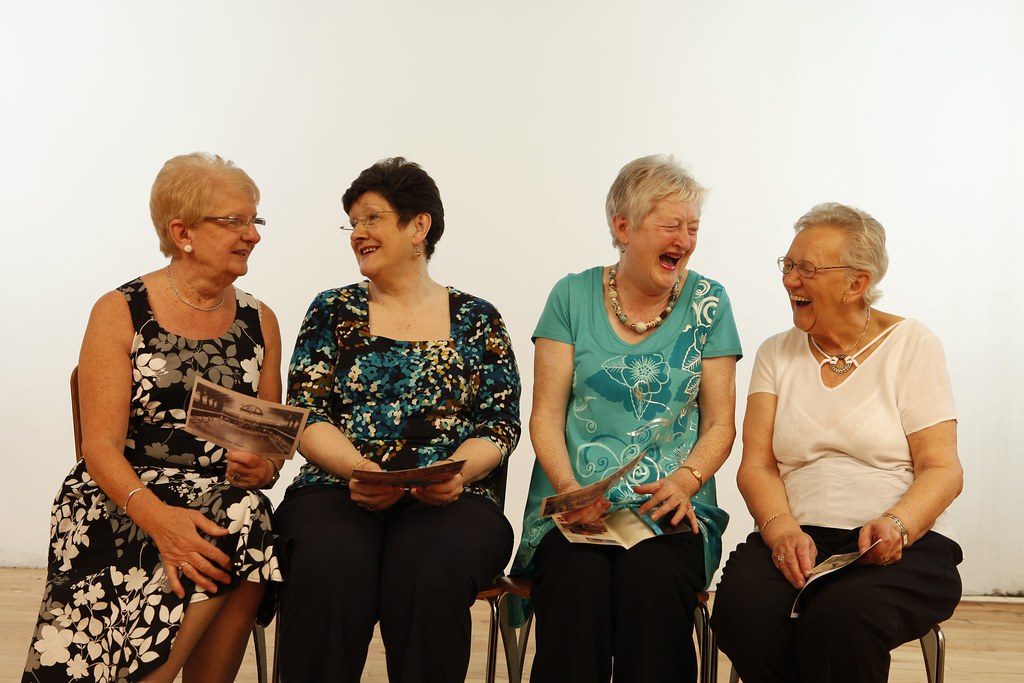
Four older women sitting side by side on chairs, laughing and talking together while they hold old photographs
Useful language
I'm like a cat / a dog because I …He's … and … / She's … and … The funniest person in my family is my …He always … / She always … I prefer … because …I talk more at … because … It depends.
0 / 0
EXERCISE 02Vocabulary

Words about personality

Click a word, then click its meaning. Correct pairs turn green. The audio button says the word.

Word
Meaning
EXERCISE 03Vocabulary in context

Complete the sentences

Click a word in the bank, then click a gap. Click a filled gap to clear it. Read the whole sentence first: the clues around the gap tell you the word.

Teacher Alvaro
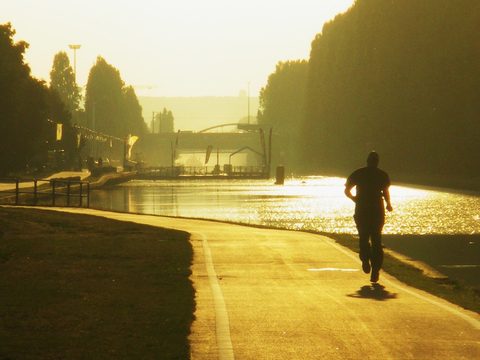
  • My dad is a real _____: he wakes up at five, goes for a run and makes breakfast for everybody, but at nine at night he's already asleep.

  • At parties, my cousin stays in a corner, looks at the floor and turns red when someone says hello to her. She's very _____.
  • Every Sunday night, my sister writes a plan for her week, and all her papers are in folders with labels. She's very _____.

  • My brother loves to _____: last year he jumped out of a plane, and now he wants to climb a dangerous mountain alone.
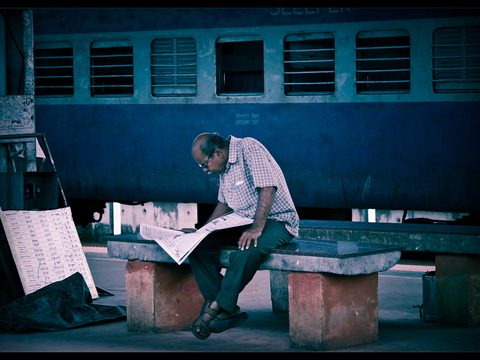
  • The bus was forty minutes late, but Grandpa just sat on the bench, read his newspaper and smiled. He never gets upset when he has to wait. He's the most _____ man I know.
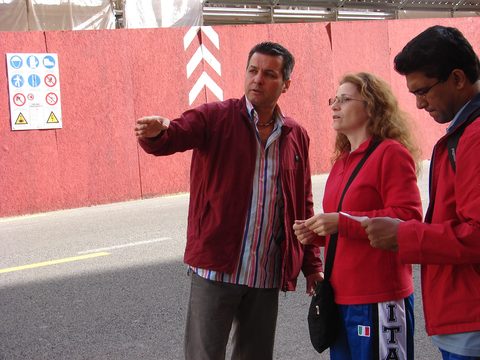
  • At the bus stop, a _____ asked me for directions. I didn't know her, but she was very nice, and we talked until the bus came.

  • Our taxi driver didn't stop for a second: he told us about his kids, his dog, the weather and his favorite soccer team, all in a ten-minute ride. He was really _____.
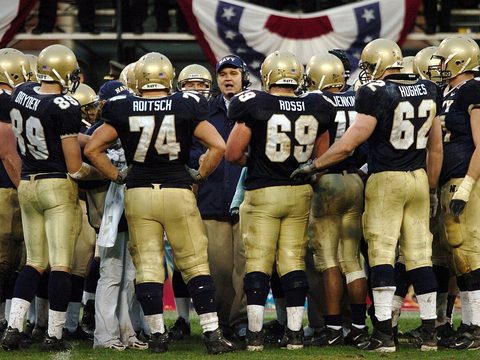
  • Our team needs a good _____: someone who can make decisions, give everyone a job and keep the group together when things go wrong.
EXERCISE 04Speaking · A1-A2

Beginner (A1-A2)

Answer in a full sentence, with a partner or with me, then add one more detail. Click a card when you have answered it. Stuck? Open the answer prompts below the cards: same number, same question. Choose the words in parentheses that are true for you, or use your own.

Answer prompts
1 · I am ___ (quiet / talkative / reserved / outgoing) because ___ (I like to think before I speak / I enjoy talking to others / I prefer listening to talking / I find it easy to express myself). 2 · Yes, I like helping people because ___ (it makes me feel good / it's nice to help others). 2 · No, I don't like helping people because ___ (I am too busy / I prefer doing things on my own). 3 · I am more ___ (funny / serious) because ___ (I like making people laugh / I prefer thinking carefully). 3 · I'm ___ (funny / serious), but sometimes I can be ___ (serious / funny) when ___ (I'm with friends / I'm at work). 4 · Yes, I am shy in new places because ___ (I don't know anyone / I'm not sure what to do / I feel nervous / I like being in familiar places). 4 · No, I'm not shy in new places because ___ (I like meeting new people / I enjoy exploring / I'm comfortable with new situations). 5 · I am ___ (patient / impatient) because ___ (I can wait calmly / I don't like waiting / I prefer things done quickly). 6 · Yes, I am friendly with strangers because ___ (I like meeting new people / I think it's good to be kind / I enjoy talking to others). 6 · No, I am not friendly with strangers because ___ (I feel shy / I like talking to people I know / I prefer staying quiet). 7 · Yes, I get angry easily because ___ (I don't like it when things go wrong / I have a short temper / I feel frustrated). 7 · No, I don't get angry easily because ___ (I stay calm / I try to relax when I'm upset / I'm patient). 8 · My friends are ___ (funny / shy / talkative) because ___ (they like to tell jokes / they are quiet / they like making people laugh). 8 · My friends are usually ___ (funny / shy), but sometimes they are ___ (shy / funny) when ___ (we are at home / we are at a party / we are with new people). 9 · I like working ___ (in groups / alone / in pairs) because ___ (it's fun to work with others / I can focus better / I like to think by myself). 10 · I like ___ (planning / being spontaneous / organizing) because ___ (it helps me stay organized / I like surprises / I feel more in control). 11 · Yes, I am organized with my homework/work because ___ (I make a plan / I like to finish things on time / I like having everything in order). 11 · No, I am not very organized because ___ (I forget things / I like doing things quickly / I get distracted easily). 12 · I like friends who are ___ (kind / funny / friendly) because ___ (they are nice / they make me laugh / they help me feel good). 13 · I think the best personality trait is ___ (kindness / honesty / patience) because ___ (it helps people trust you / it makes everyone happy / it helps solve problems). 14 · I think I am ___ (shy, talkative, and honest / confident, friendly, and patient / reserved, hardworking, and funny). 15 · I am ___ (introverted / extroverted / quiet), but sometimes I can be ___ (extroverted / introverted / more outgoing) when ___ (I'm with family / I feel tired / I am in a group). 16 · I am ___ (a morning / a night / an afternoon) person because ___ (I feel awake in the morning / I like being active at night / I have more energy). 17 · I feel ___ (nervous / happy / anxious / excited) when I meet someone new because ___ (I don't know them / I want to make a good impression). 18 · I don't like people who are ___ (rude / dishonest) because ___ (they make me uncomfortable / I don't trust them).
0 / 0
EXERCISE 05Speaking · B1-B2

Intermediate (B1-B2)

Give a reason and a real example in every answer. Your partner asks one follow-up question. Click a card when you have answered it. The answer prompts below the cards have the same numbers.

Teacher Alvaro
Answer prompts
1 · I would describe myself as ___ (friendly / confident / ambitious / quiet) because ___ (I enjoy meeting new people / I like to listen to others / I enjoy helping people). 2 · I think I have become ___ (more patient / less shy / more outgoing) because I ___ (worked on my communication skills / faced new challenges / learned to manage stress better). 3 · I believe the most important trait in a leader is ___ (empathy / honesty / confidence), because ___ (it helps them understand and connect with their team / it makes people feel valued and heard / it builds trust). 4 · I would say my best friend is ___ (hardworking, reliable, and loyal), because ___ (they always keep their promises / they support me no matter what). 5 · I think being ___ (determined, creative, and open-minded) is admirable because ___ (it helps people overcome challenges and grow / it allows people to see new possibilities / it helps them stay resilient). 6 · Yes, I think a person's personality can change because ___ (people can be more confident in familiar settings, but more shy in new situations / different environments bring out different traits in people / a person might feel more relaxed in casual situations and more serious in professional ones). 7 · I think people see me as ___ (friendly / funny / smart / responsible) because ___ (I try to smile and make people feel comfortable / I enjoy talking to people / I am open and welcoming). 8 · I would say my most positive trait is ___ (determination / patience / creativity), because ___ (I always try to finish what I start, even if it's difficult / I'm always focused on reaching my goals / I find solutions to problems, no matter how hard they are). 9 · Yes, I think I am empathetic because ___ (I can understand how people feel and try to help them feel better / I listen to others and offer comfort when needed / I care about people's emotions). 10 · I'm more the type to ___ (take risks / be adventurous / try new things / play it safe / avoid risks) because ___ (I believe it helps me grow and learn from new experiences / I think challenges make life more interesting / I don't like surprises and prefer planning ahead). 11 · I would say I'm ___ (an optimist / a realist / a cautious person), because ___ (I always try to focus on the good side of things, even when things go wrong / I tend to worry about what could go wrong in different situations / I look for solutions instead of problems). 12 · Yes, I consider myself creative because ___ (I enjoy finding different solutions to challenges / I love expressing myself in creative ways). 12 · I don't really see myself as creative because ___ (I feel more comfortable when things are planned / I don't often come up with new ideas). 13 · I usually need more time to think because ___ (I like to consider all options before making a decision / I prefer to weigh the pros and cons carefully). 13 · I can make decisions quickly because ___ (I trust my instincts and feel confident about my choices / I'm good at making fast decisions under pressure / I don't like wasting time and prefer acting fast). 14 · I wish I could be more ___ (assertive / organized / open-minded) because ___ (I tend to avoid conflict and want to speak up for myself more / I often feel disorganized and want to be more productive / I want to be more accepting of other people's ideas). 15 · The person I admire is ___ (humble and kind / creative / positive / honest / respectful) because ___ (they inspire others through their actions and treat everyone equally / they always find solutions and stay motivated no matter the obstacles / they encourage and help others when needed / they make others feel valued and important). 16 · I feel ___ (uncomfortable / challenged and motivated / curious / confused) because ___ (I'm not used to people who have very different ways of thinking and acting / their personality is hard for me to understand / I feel unsure about how to approach them / I find it difficult to connect with them). 17 · I enjoy being around people with different personalities because ___ (it helps me grow and see things in a new way / it makes life more interesting / I learn new things from them). 17 · I'm more comfortable with people who are similar to me because ___ (it feels easier to communicate and connect / we have common interests and understand each other better). 18 · Yes, I think being too honest can be bad because ___ (sometimes the truth can hurt people's feelings, even if it's not meant to / it can make situations more difficult / some people may not be ready to hear the truth). 18 · No, I think being honest is important because ___ (it builds trust / it helps avoid misunderstandings / it makes things clear and transparent).
0 / 0
EXERCISE 06Speaking · C1-C2

Advanced (C1-C2)

Take a position, support it with an example, and answer the other side before you finish. The prompts use linking words (however, while, especially when): use them in your answer. Your partner can agree, disagree or push back. Click a card when you have discussed it.

Answer prompts
1 · I believe personality traits are shaped by a mix of ___ (genetics, environment, and personal experiences / nature, upbringing, and life events / inherited traits, social influences, and individual growth), with personal experiences playing a key role in their development. 2 · I don't think it's possible to completely change one's personality, as ___ (genetics / early experiences) are deeply ingrained. However, certain traits can be adapted with ___ (effort / commitment / practice) and ___ (self-awareness / introspection / reflection). 2 · Yes, it's possible, but it requires ___ (dedicated effort / consistent work) and ___ (self-reflection / self-discipline / strong motivation), especially when going through ___ (life-changing experiences / significant challenges / major transitions). 3 · In cultures valuing ___ (individualism / independence / personal achievement), traits like ___ (independence / outspokenness / assertiveness) are common, while in ___ (collectivist cultures / interdependent societies / traditional communities), traits like ___ (cooperation / quietness / humility) are more desirable. 4 · I would say that someone with a “strong” personality is ___ (decisive and self-assured / confident and focused / bold and outspoken). These traits are valuable, but they can be seen negatively if the person lacks ___ (humility / patience / openness). 5 · I believe personality plays a significant role, especially traits like ___ (confidence, adaptability, and resilience / determination, emotional intelligence, and optimism), which are crucial in navigating challenges. However, ___ (external factors / circumstances) like ___ (opportunity / timing / connections) and ___ (external support / a network / privilege) also play a critical role. 6 · In my opinion, ___ (self-discipline / emotional intelligence / adaptability) is one of the most challenging traits to develop, especially when faced with constant distractions. It requires ___ (patience / persistence / strong self-control), which many people find hard to maintain over time. 7 · I believe others perceive me as ___ (outgoing and confident / friendly and talkative / energetic and enthusiastic), which is fairly accurate, but I sometimes feel they miss the more ___ (reflective / reserved / introverted) side of my personality, which I tend to keep private. 8 · I believe that ___ (emotional intelligence, effective communication, and resilience / creativity, confidence, and strategic thinking / focus, openness, and patience) are crucial for modern leadership, as these traits help leaders navigate complex, fast-changing environments. 9 · I believe that introverts can complement extroverts by providing ___ (depth and insight / careful planning and analysis / perspective and thoughtfulness), while extroverts help drive ___ (action and communication / motivation and enthusiasm / leadership and progress), leading to a more dynamic and effective team. 10 · Yes, traits like ___ (charisma and confidence / extroversion and leadership / assertiveness and communication skills) are essential in ___ (sales / marketing / public relations), while ___ (analytical thinking and attention to detail / organization and focus / problem-solving and technical skills) are crucial in ___ (engineering or data science / research and development / accounting). 11 · I think ___ (impulsivity / introversion / procrastination) is the hardest to change because ___ (it often leads me to act quickly without thinking / it is simply the way I recharge my energy / putting things off has become a deep habit). 12 · Personality tests like ___ (the Myers-Briggs / the Big Five / the Enneagram) can provide useful insights, but they oversimplify human complexity and don't account for ___ (individual growth / changing life experiences / personal development). 13 · Yes, being adaptable is valuable because it helps people ___ (adjust to challenges / learn new skills / embrace change) and ___ (thrive in dynamic environments / stay motivated in difficult situations / improve personal growth). 14 · I think emotional intelligence shapes personality by helping people ___ (navigate social situations / build trust / control their impulses), which is crucial for success in life. 15 · In situations where I need to display ___ (assertiveness / patience / leadership), I focus on ___ (remaining calm and clear / staying focused on the issue) and on using ___ (positive body language / clear words / a confident tone) to project confidence while still being ___ (respectful / empathetic / considerate). 16 · Yes, people can develop a “false personality” when ___ (they feel pressured to conform / they want to advance in their career / they are seeking approval). This can cause ___ (stress and anxiety / internal conflict / emotional exhaustion) and distance them from their true selves. 16 · It happens, but I don't think it's healthy. Many people do it for ___ (social acceptance / professional gain / personal comfort). 17 · I believe it works initially, but ___ (sustained growth / long-term success / true change) requires ___ (real self-reflection / hard work / consistency) and ___ (action / experience / perseverance). 18 · Success depends on many factors. While traits like ___ (confidence / persistence / vision) can help, other aspects like ___ (opportunity and timing / luck and connections / preparation and hard work) also play a big role. 19 · Different personalities use social media differently, with extroverts engaging more publicly and introverts focusing on ___ (private interactions / observation and learning / content creation for smaller audiences) or ___ (information consumption / personal connections / reflection).
0 / 0
EXERCISE 07Writing

One question, in writing

80–120 words. Choose one question from your level (Exercise 04, 05 or 06) and copy it at the top. Start with its answer prompt, then add a reason and a real example: one moment when you, or someone you know, showed that trait. Beginners: use because and but. Intermediate and Advanced: add a contrast with although, while or however.

Teacher Alvaro
0 words
ENDEnd of lesson

My results

Check your score, then copy it and send it to your teacher on WhatsApp.

Teacher Alvaro

One job for this week. Choose one trait from today that you want more of: patient, organized, a little less shy. Practice it for one day, then tell me in English what you did and how it felt.