SPEAKING CLUB · TOPIC 67

Goals and Plans

This month, this year, the next five years. Fifty-seven questions in three levels: say what you want, why it matters to you, and the first step you are going to take.

A1-C2 60 min Focus: speaking · 3 levels Home
EXERCISE 01Speaking

Warm-up

Ask and answer with a partner, or with me. Tap a card when you have answered it.

Teacher Alvaro

Every big goal starts with a small plan. Today you talk about what you want to do this month, this year and in five years, and why. There are three sets of questions: Beginner, Intermediate and Advanced. Answer the questions at your level, then try one from the next level.
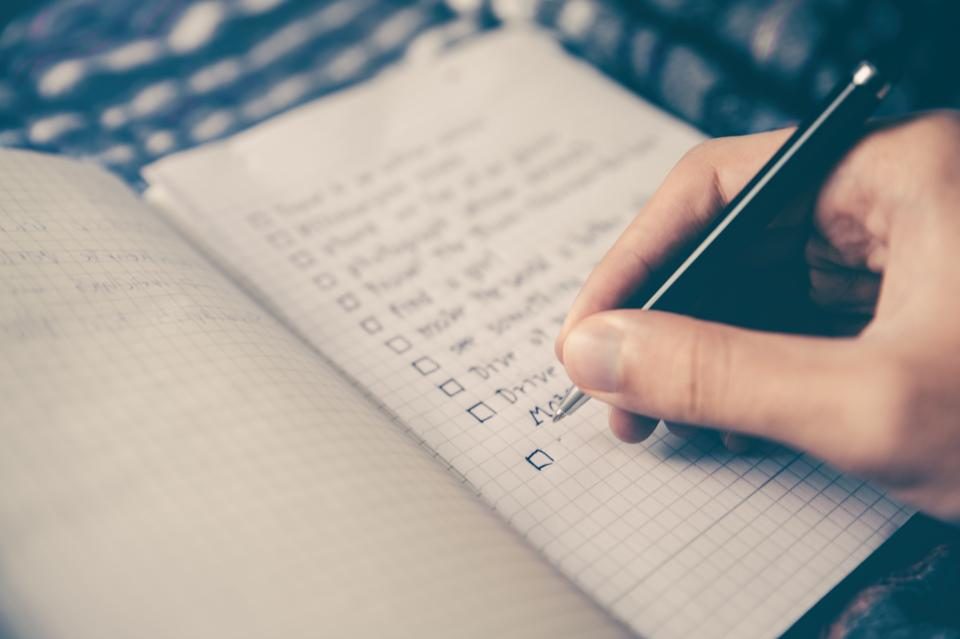
A hand with a pen checks off boxes on a handwritten checklist in an open notebook
Useful language
When I was a child, I wanted to be a …I write my goals on my phone. I keep them in my head.It's easier to start … / It's easier to stop … My friend wanted to … and she did it!She worked hard and didn't give up. I make plans, but I don't always keep them.My goal for this year is to …
0 / 0
EXERCISE 02Vocabulary

Words for goals and plans

Click a word, then click its meaning. Correct pairs turn green. The audio button says the word.

Word
Meaning
EXERCISE 03Vocabulary in context

Complete the sentences

Click a word in the bank, then click a gap. Click a filled gap to clear it.

Teacher Alvaro
  • My grandmother finished high school at seventy, and everybody in the family was so _____ of her.
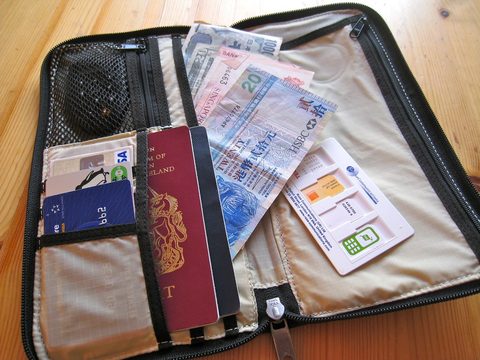
  • Our _____ for the whole trip is five hundred dollars, so we're staying at a cheap hotel and cooking our own meals.
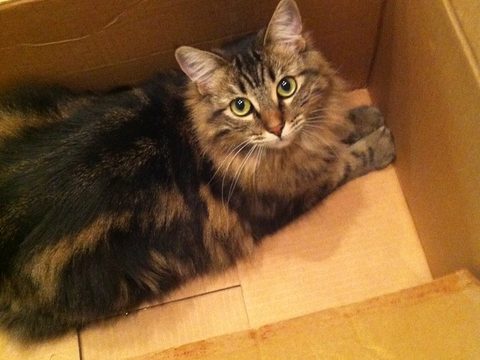
  • My sister got a job in another city, so next month she's going to _____ there with her husband, their two cats and twenty boxes.
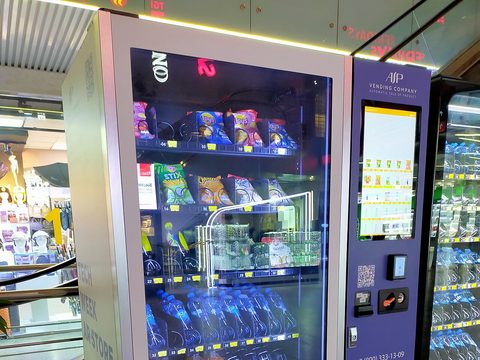
  • There's a lot of _____ at the train station: hot dogs, candy, cookies and soda, but no fruit and no salad.
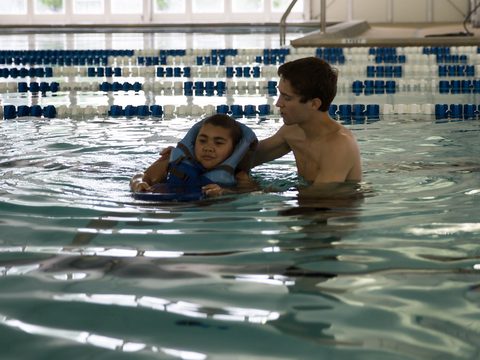
  • I was afraid of the water, so my swimming teacher helped me take the first _____ today: I put my face in the pool for five seconds.

  • My boss is very _____: her desk is always clean, and her calendar shows every meeting for the next three months.

  • Every week, Leo puts ten dollars in a jar and never takes any out. He wants to _____ up enough money for a new guitar before his birthday.
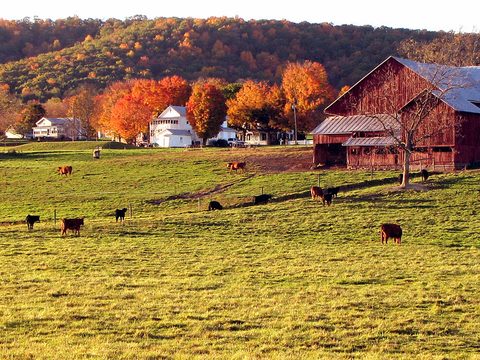
  • We left the city and drove for two hours into the _____: green fields, cows, and a little farmhouse with no neighbors.
EXERCISE 04Speaking · A1-A2

Beginner (A1-A2)

Ask and answer with a partner, or with me. Give a reason for every answer: because … Tap a card when you have answered it. Stuck? Open the answer prompts below the cards.

Answer prompts
1 · This month, I'm planning to ___ (study English / work more / exercise / relax / travel). I want to do this because it helps my ___ (health / work / studies / life). 2 · Yes, my big plan is to ___ (get a new job / study more / travel / move to a new home). This plan is important because I want ___ (a better life / more money / new experiences). No, I don't have a big plan, but I want to ___ (improve myself / feel better / learn more). 3 · I prefer ___ (short / long) plans because they are ___ (easy / flexible / organized). 4 · This year, I want to ___ (exercise / read / study English / travel / spend time with family) more often. I want to do this because it makes me feel ___ (happy / healthy / relaxed / confident). 5 · I want to stop ___ (waking up late / eating junk food / using my phone too much). I want to stop this because it is ___ (bad for my health / stressful / not good for my routine). 6 · When I reach a goal, I feel ___ (happy / proud / confident / motivated). I feel this way because I ___ (worked hard / didn't give up). 7 · Yes, I want a new job because I want ___ (better pay / new challenges / more free time). No, I like my job, and I want to ___ (stay there / grow / learn more). 8 · Yes, I want to save money for ___ (travel / my family / my future / emergencies). I want to save money so I can ___ (buy something important / feel safe). 9 · Yes, I plan to travel to ___ (another city / another country / the beach / the countryside). No, I don't plan to travel because I need to ___ (work / save money / study). 10 · Yes, I want to ___ (relax at home / visit family / travel with friends). My plan is to ___ (rest / eat well / enjoy my free time). 11 · Yes, I want to travel to ___ (the name of a country). I want to go there to ___ (see new places / try new food / practice English). 12 · This year, I want to learn ___ (English / to cook / to drive / a new skill). I want to learn this because it is ___ (useful / interesting / important for my future). 13 · I want to learn English for ___ (work / travel). English helps me ___ (get a better job / communicate / feel confident). 14 · Yes, I want to study more to ___ (reach my goals / improve my future / feel confident). I want to study more, but I need ___ (time / organization / motivation). 15 · I want to ___ (speak more / understand better / feel less shy). I want to improve my ___ (pronunciation / vocabulary / confidence). 16 · Yes, I want to speak English every day to ___ (practice / improve / feel confident). I want to practice with ___ (friends / classmates / apps / videos).
0 / 0
EXERCISE 05Speaking · B1-B2

Intermediate (B1-B2)

Ask and answer with a partner, or with me. Give a reason and an example for every answer. Tap a card when you have answered it. Stuck? Open the answer prompts below the cards.

Teacher Alvaro
Answer prompts
1 · One personal goal I'm working on is ___ (improving my English / changing jobs / studying more / getting healthier). 2 · This goal is important to me because it helps me ___ (grow personally / feel more confident / have better opportunities). It also makes my life ___ (easier / better / more balanced). 3 · To reach this goal, I'm ___ (studying regularly / practicing every day / taking a course / making a plan). I'm also trying to be ___ (organized / consistent / patient). 4 · Yes, I have achieved an important goal before, like ___ (finishing a course / getting a job / learning a skill). I felt ___ (proud / happy / relieved) because I worked hard for it. 5 · I usually set ___ (realistic / ambitious) goals because they are ___ (easier to follow / more motivating). 6 · What motivates me is ___ (my future / my family / personal growth / success). I also stay motivated when I see progress or get support from others. 7 · This year, I plan to ___ (study more / finish a course / change jobs / improve my skills). I want to focus on ___ (learning / growing / getting experience). 8 · In five years, I see myself ___ (working in a better job / living in another city or country / feeling more stable). I hope to be ___ (more confident / successful / satisfied). 9 · In the future, I want to try ___ (traveling alone / a new hobby / a new career path). I want to try this because I like ___ (new experiences). 10 · Yes, I decided to give up ___ (a specific goal / an old plan) because it was ___ (not realistic / too stressful / not important anymore). 11 · My friends and family ___ (support me / give advice / motivate me). Sometimes they help me see things differently. 12 · I usually ___ (share my goals / keep them private) because it makes me feel ___ (motivated / comfortable). 13 · English plays an important role because it helps me ___ (get better jobs / travel / communicate with people). 14 · I think it's better to ___ (plan ahead / live day by day), but a balance is important. Planning helps me feel ___ (organized / flexible / free). 15 · Before the end of this year, I want to ___ (improve my English / save money / finish a course). 16 · Yes, I plan to travel to ___ (another city / another country / the beach / the mountains). I want to go there to ___ (relax / explore / learn about the culture). 17 · I usually plan my trips ___ (in detail / loosely). I like to ___ (organize everything / be flexible) when I travel. 18 · I prefer ___ (short trips / long vacations) because they are ___ (easier / more relaxing / more exciting). They fit better with my ___ (schedule / budget). 19 · Yes, my travel plans changed because of ___ (work / money / the weather / personal reasons). It was ___ (stressful / frustrating), but I adapted. 20 · I want to visit ___ (a place or country) because I'm interested in the ___ (culture / food / history). I think it would be ___ (a great experience).
0 / 0
EXERCISE 06Speaking · C1-C2

Advanced (C1-C2)

Discuss with a partner, or with me. Take a position, give an example from your own life or from people you know, and say what could change your mind. Tap a card when you have discussed it. Need a way in? Open the answer prompts below the cards.

Answer prompts
1 · I decide based on ___ (long-term impact / alignment with my values / realistic timing). I pursue a goal if it ___ (moves me forward / feels meaningful / fits my current priorities), whereas I drop it when it ___ (drains my energy / feels imposed / no longer makes sense). 2 · To a large extent, I ___ (plan strategically / set clear milestones / map out priorities), but I also leave space for ___ (unexpected opportunities / spontaneity / change). That balance matters because it ___ (reduces stress / keeps me open-minded / prevents rigidity). 3 · Yes, over-planning can limit ___ (creativity / spontaneity / experimentation). It happens because it ___ (creates pressure to follow a script / reduces room for trial and error / makes people afraid of mistakes). Not necessarily—planning can actually support creativity. That's because it ___ (frees mental space / creates structure for ideas / reduces chaos). 4 · I reassess by ___ (reflecting on my values / reviewing my priorities / checking how I feel about it). I adjust or let it go because ___ (I've changed / my context has changed / the goal no longer serves a real purpose). 5 · I prioritize based on ___ (impact / urgency / long-term benefits). I focus on what matters most because it ___ (creates momentum / prevents burnout / gives better results). 6 · Yes, I postponed a goal due to ___ (financial constraints / time limitations / personal circumstances). Looking back, it was ___ (the right call / a necessary compromise / a smart delay) because it ___ (protected my well-being / helped me prepare better / avoided bigger problems). 7 · I'd say ___ (consistency / flexibility) matters more overall. That's because ___ (consistency builds discipline / flexibility helps adaptation / long-term goals require adjusting). 8 · Cultural expectations often frame success as ___ (status / money / stability / recognition). As a result, people may ___ (follow “safe” paths / compare themselves constantly / ignore personal fulfillment) because ___ (approval matters / traditions are strong / social pressure is intense). 9 · Yes, social media has changed goal-setting by ___ (creating comparison / speeding up trends / encouraging “highlight goals”). This happens because ___ (people see curated lives / algorithms reward performance / attention becomes a measure of success). 10 · Sharing goals can increase ___ (accountability / motivation / support) provided that you share them with the right people. It works because ___ (others check in / encouragement helps / social pressure can be useful). On the other hand, keeping goals private can help because it ___ (reduces outside opinions / protects focus / feels more authentic). 11 · Family expectations can be ___ (supportive / motivating / stabilizing). They help because they ___ (offer guidance / provide resources / encourage responsibility). However, they can also be ___ (restrictive / stressful / limiting) because they ___ (create pressure / reduce freedom / focus on “image”). 12 · Yes, but only if you maintain ___ (boundaries / routines / realistic timelines). Otherwise, ambition can harm well-being because ___ (stress accumulates / rest disappears / life becomes unbalanced). 13 · I define success as ___ (well-being / meaningful relationships / personal growth / freedom). I see it that way because ___ (work isn't everything / quality of life matters / happiness is long-term). 14 · Ambition becomes unhealthy when it ___ (damages health / hurts relationships / creates constant dissatisfaction). That's usually because ___ (rest is ignored / self-worth depends on results / nothing feels “enough”). 15 · I'd suggest they ___ (start with small goals / clarify their values / build a simple routine). This helps because ___ (small wins build momentum / clarity reduces anxiety / structure creates stability). 16 · I stay focused by ___ (tracking small improvements / breaking goals into steps / setting short deadlines). It works because ___ (progress becomes visible / motivation increases / the goal feels manageable). 17 · I'm proud of not achieving ___ (a goal I didn't truly want / a path others expected / a “status” goal). I feel proud because ___ (I chose authenticity / I protected my mental health / I changed direction wisely). 18 · English supports my life goals by ___ (opening opportunities / increasing mobility / building confidence). It matters because it ___ (connects me globally / improves career options / gives me independence). 19 · To a significant extent, travel influences my identity by ___ (broadening my worldview / challenging assumptions / increasing independence). That happens because ___ (I meet different perspectives / I face new situations / I learn adaptability). 20 · Travel makes me plan with ___ (more flexibility / more curiosity / less fear of change). It influences me because ___ (I've learned plans can change / uncertainty can be positive / experiences matter more than schedules). 21 · Yes—one trip changed my perspective on ___ (work-life balance / priorities / what “success” means). It shifted my mindset because ___ (I saw a different lifestyle / I slowed down / I realized what I value most).
0 / 0
EXERCISE 07Writing

Your answer in writing

80–120 words. Choose one question from your level (Exercise 04, 05 or 06) and copy it at the top. Then answer it: name your goal or plan, give at least two reasons, and say what your next step is and when you are going to take it. Use your answer prompt only to start.

Teacher Alvaro
0 words
ENDEnd of lesson

My results

Check your score, then copy it and send it to your teacher on WhatsApp.

Teacher Alvaro

One job for this week. Write one goal on a piece of paper and put it where you can see it every day. Under it, write the first small step and a date: By Friday, I'm going to … Next class, tell us: did you take that step?