On June 19, 1865, the news reached Galveston, Texas: every enslaved
person there was free, and had been for more than two years. Sixty questions in three
levels about freedom, equality and the holidays that keep history alive.
Ask and answer with a partner, or with me. Tap a card when you have
answered it.
June + nineteenth = Juneteenth. On June 19, 1865, the
enslaved people of Galveston, Texas — men, women and children forced to work with no pay
and no freedom — heard that they were free. Today it is a national holiday in the United
States. We talk about freedom, history and celebrations in three levels: start at yours,
then try one question from the next level.
Useful language
I know Thanksgiving and …I'd like to see … one day.I went to a parade in …I've never been to a parade.It was for …On a holiday, I like to …We always eat … on …Today I can …, but my grandparents couldn't.
0 / 0
EXERCISE 02Vocabulary
Words for history and celebration
Click a word, then click its meaning. Correct pairs turn green. The audio
button says the word.
Word
Meaning
EXERCISE 03Vocabulary in context
Complete the sentences
Click a word in the bank, then click a gap. Click a filled gap to clear it.
Each word fits in one sentence only.
After twenty years in prison, he walks out of the gate, looks at the sky and says, “I'm free at last. Nobody can take my
_____ away again.”
Monday is a
_____: no work for me, no school for the kids, the banks are closed all day, and we all stay home.
We bought tickets for a music
_____ in the park: three days, four stages and more than fifty bands.
In our small town, everybody knows everybody. When a family has a problem, the whole
_____ helps them.
Every New Year's Eve, we make the same cake, just like my grandmother and her mother did. It's a family
_____.
My grandmother is 80, my mother is 55 and I am 25. We all live in the same house, but each of us is from a different
_____.
Thousands of people walked down the main street with signs that said “Fair pay for nurses!” It was a peaceful
_____, and nobody got hurt.
The team needs one person to make the big decisions and speak for everybody, so they choose Ana as their
_____.
EXERCISE 04Speaking · A1-A2
Beginner (A1-A2)
Ask and answer with a partner, or with me. Tap a card when you have
answered it. Need help? Open the answer prompts and choose a word in [brackets], or use
your own.
Answer prompts
1 · Yes, I've heard of it [at school / online / from a teacher]. / No, I haven't.2 · Because people should have [rights / opportunities / respect].3 · Equality means [treating everyone fairly / respecting people / giving everyone the same chances].4 · Yes, because we can [learn from the past / understand people better / avoid mistakes].5 · People can celebrate with [music / food / community events].6 · We celebrate [Independence Day / Black Awareness Day / Tiradentes Day].7 · Yes, I enjoy learning about [music / food / traditions].8 · We can learn about [freedom / equality / human rights].9 · Because everyone deserves [kindness / fairness / respect].10 · It makes me think about [rights / peace / opportunity].11 · Yes, because students can [learn important lessons / understand history / respect diversity].12 · Communities can celebrate with [festivals / music / cultural events].13 · People should remember [important struggles / historical leaders / lessons from the past].14 · People can [be respectful / include others / speak kindly].15 · Yes, because people can [celebrate together / spend time with family / learn new things].16 · People celebrate with [parties / traditional food / music].17 · Yes, because they show [traditions / history / creativity].18 · A strong community has [respect / teamwork / kindness].19 · Because we can [learn new perspectives / understand others / build empathy].20 · I think it shares messages about [freedom / equality / justice].
0 / 0
EXERCISE 05Speaking · B1-B2
Intermediate (B1-B2)
Give your opinion, then a reason or an example. Tap a card when you have
answered it. The answer prompts give you a start; the words in [brackets] are only
ideas.
Answer prompts
1 · Yes, I had heard of it [online / in school / through social media].2 · Because it represents [freedom / equality / an important historical moment].3 · To me, freedom means [having rights / expressing opinions / making choices].4 · Because they help people [learn from the past / understand injustice / value equality].5 · Yes, because students can [develop empathy / understand history better / learn about diversity].6 · It can help people [recognize social issues / understand cultural differences / avoid repeating mistakes].7 · Communities celebrate through [music festivals / cultural events / traditional food].8 · Because they can [promote inclusion / inspire people / reduce stereotypes].9 · Yes, I learned about [civil rights movements / historical protests / important leaders].10 · People can learn about [resilience / equality / human rights].11 · They can [respect others / speak against discrimination / support inclusion].12 · Yes, because they help [share traditions / tell stories / connect generations].13 · They help people [remember important events / honor communities / teach younger generations].14 · Because it helps people [develop empathy / understand perspectives / respect diversity].15 · Yes, because of [social media / education / online discussions].16 · Education can [encourage understanding / promote respect / challenge stereotypes].17 · Communities can [support diversity / create safe spaces / encourage dialogue].18 · Yes, because they can [raise awareness / encourage reflection / inspire activism].19 · They both involve [struggles for equality / important historical changes / national reflection].20 · I think it shares messages about [freedom / justice / equality].
0 / 0
EXERCISE 06Speaking · C1-C2
Advanced (C1-C2)
Take a position, support it with an example, and deal with the other side
before you finish. These questions are about a painful history and about society today:
talk about ideas, listen with respect, and share personal experiences only if you want
to. Tap a card when you have discussed it. The ideas in [brackets] are there to argue
with, not to copy.
Answer prompts
1 · I think it happened because of [greater social awareness / activism / public discussions about race].2 · They can influence [social values / political systems / cultural identity].3 · Because it can [promote understanding / prevent repetition of mistakes / encourage accountability].4 · In some cases, schools provide [limited historical context / meaningful discussions / insufficient representation].5 · They can [encourage reflection / preserve history / promote dialogue].6 · It can shape [shared values / cultural perspectives / collective understanding].7 · I believe progress happens through [activism / education / institutional change].8 · It can help explain [systemic inequality / social movements / historical discrimination].9 · It may depend on [political interests / media coverage / cultural relevance].10 · They can [raise awareness / encourage conversations / create educational opportunities].11 · Yes, because it has [increased visibility / encouraged inclusion / challenged stereotypes].12 · They can [protect traditions / support education / promote inclusive dialogue].13 · It may be related to [historical tensions / lack of education / fear of conflict].14 · They should [promote equality / acknowledge past injustices / support marginalized communities].15 · They can [listen actively / remain open-minded / avoid judgment].16 · Yes, younger people are often [more socially aware / more open to diversity / more engaged online].17 · Learning from history involves [changing behaviors / reflecting critically / applying lessons to the present].18 · They can [share personal perspectives / preserve memories / connect generations].19 · Many movements involve [fighting for equality / demanding human rights / resisting oppression].20 · I think it emphasizes [social justice / collective memory / the importance of equality].
0 / 0
EXERCISE 07Watching
Two Juneteenth videos
The two videos from the material. A is very short and good for Beginners;
B is longer and better for Intermediate and Advanced students. Watch one, then talk about
its cards with a partner, or with me. There are no right or wrong answers here: say what
you understood and what you think. Tap a card when you have discussed it.
A · Juneteenth in one minute
About one minute, from Newsweek, made in June 2021, when
Juneteenth had just become the newest federal holiday in the US. This video has no
captions, so watch it twice: first for the main idea, then for dates and numbers.
B · Why Juneteenth matters
About five and a half minutes, an animated history lesson from
TED-Ed, with the captions on. It starts with the story of one woman, Charlotte Brooks, and
then tells how slavery ended in the United States, step by step. Pause when you need
to.
0 / 0
EXERCISE 08Writing
One question, one paragraph
80–120 words. Choose one question from your level (Exercise 04, 05 or 06)
and write its number first. Then answer it: your opinion, two reasons or examples, and
one thing you learned today, from a video or from a classmate. Start with the answer
prompt if you like, then continue with your own ideas.
0 words
ENDEnd of lesson
My results
Check your score, then copy it and send it to your teacher on WhatsApp.
One job for this week. Choose one date that your country
remembers: a fight for freedom, for equal rights or for a better life. In one minute, out
loud and in English, say what happened, when it happened, and how people remember it
today. Bring it to the next class.

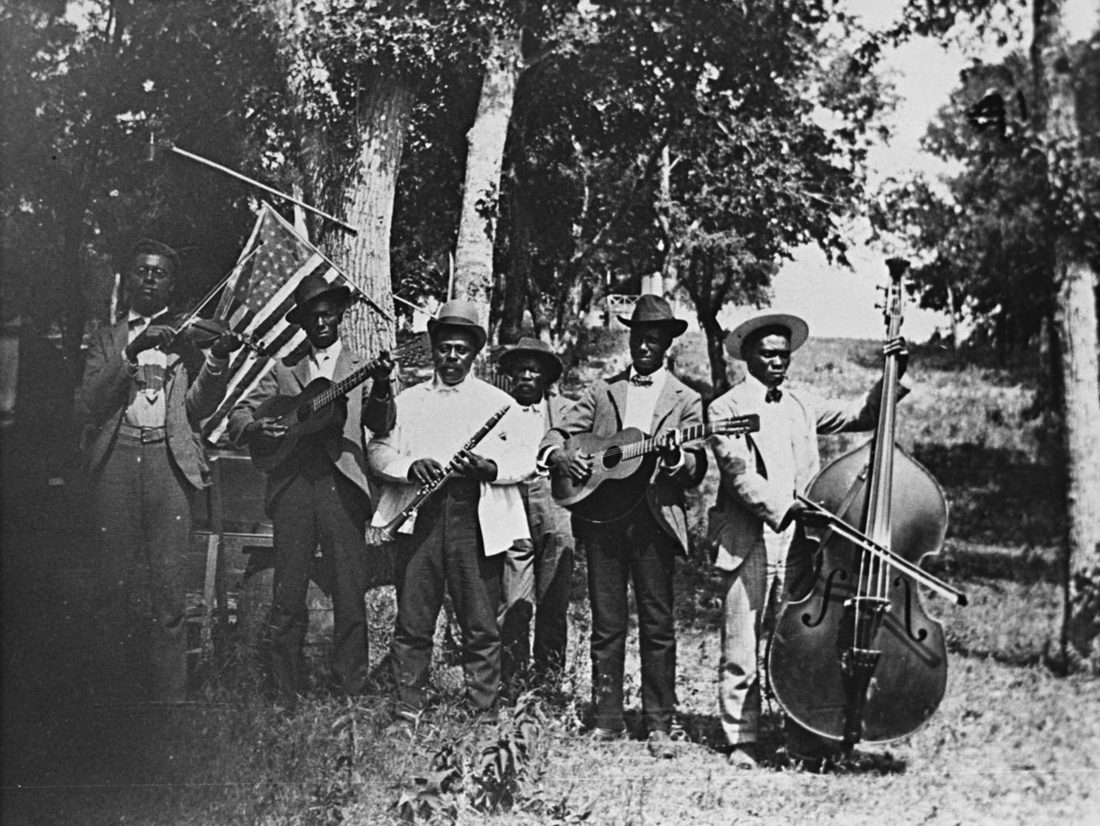

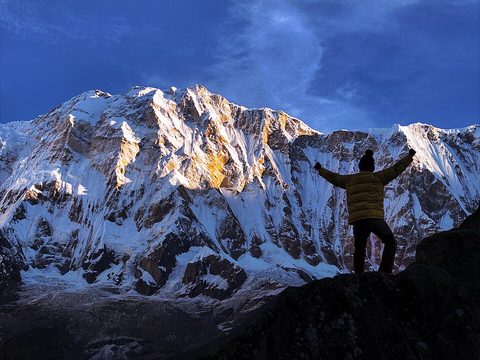 After twenty years in prison, he walks out of the gate, looks at the sky and says, “I'm free at last. Nobody can take my
_____ away again.”
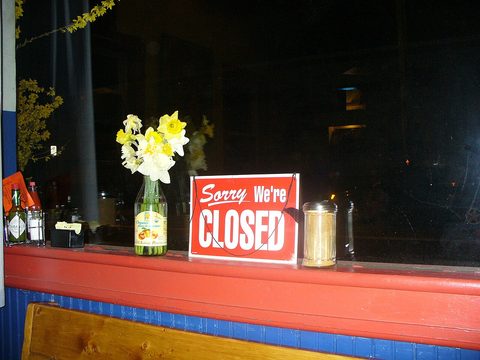 Monday is a
_____: no work for me, no school for the kids, the banks are closed all day, and we all stay home.
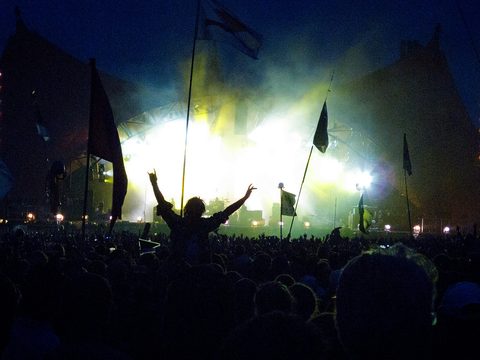 We bought tickets for a music
_____ in the park: three days, four stages and more than fifty bands.
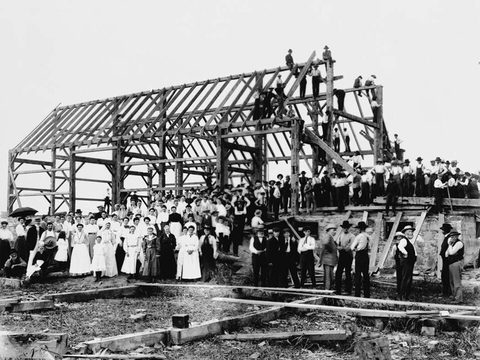 In our small town, everybody knows everybody. When a family has a problem, the whole
_____ helps them.
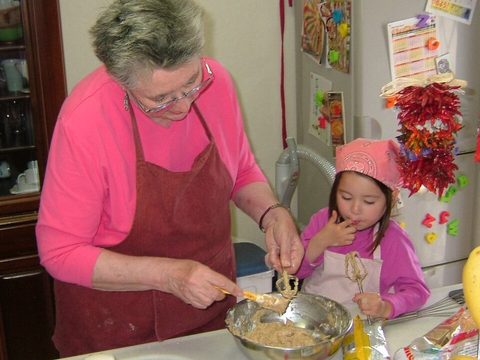 Every New Year's Eve, we make the same cake, just like my grandmother and her mother did. It's a family
_____.
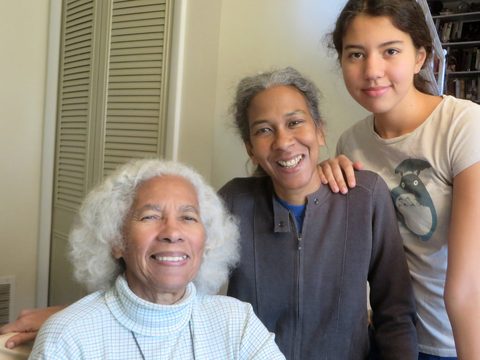 My grandmother is 80, my mother is 55 and I am 25. We all live in the same house, but each of us is from a different
_____.
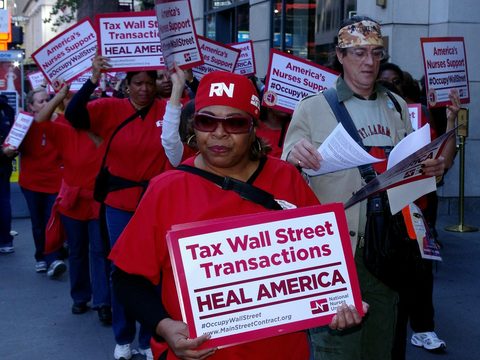 Thousands of people walked down the main street with signs that said “Fair pay for nurses!” It was a peaceful
_____, and nobody got hurt.
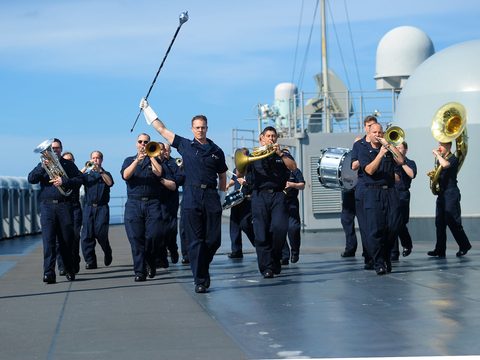 The team needs one person to make the big decisions and speak for everybody, so they choose Ana as their
_____.


