SPEAKING CLUB · TOPIC 97

Verbs and Prepositions

Listen to, laugh at, ask for, worry about: in English, many verbs come with their own small word. Eight pairs to learn together, fifty-four questions in three levels, and one office argument full of prepositions.

A1-C2 60 min Focus: speaking · 3 levels Home
EXERCISE 01Speaking

Warm-up

Ask and answer with a partner, or with me. Tap a card when you have answered it.

Teacher Alvaro

Small words, big difference. Many English verbs travel with a small word: you listen to music, you wait for the bus, you laugh at a joke. The small word is often not the one your language uses, so learn the verb and its preposition together, as one piece. Today you practice eight pairs, and then you talk at your own level.
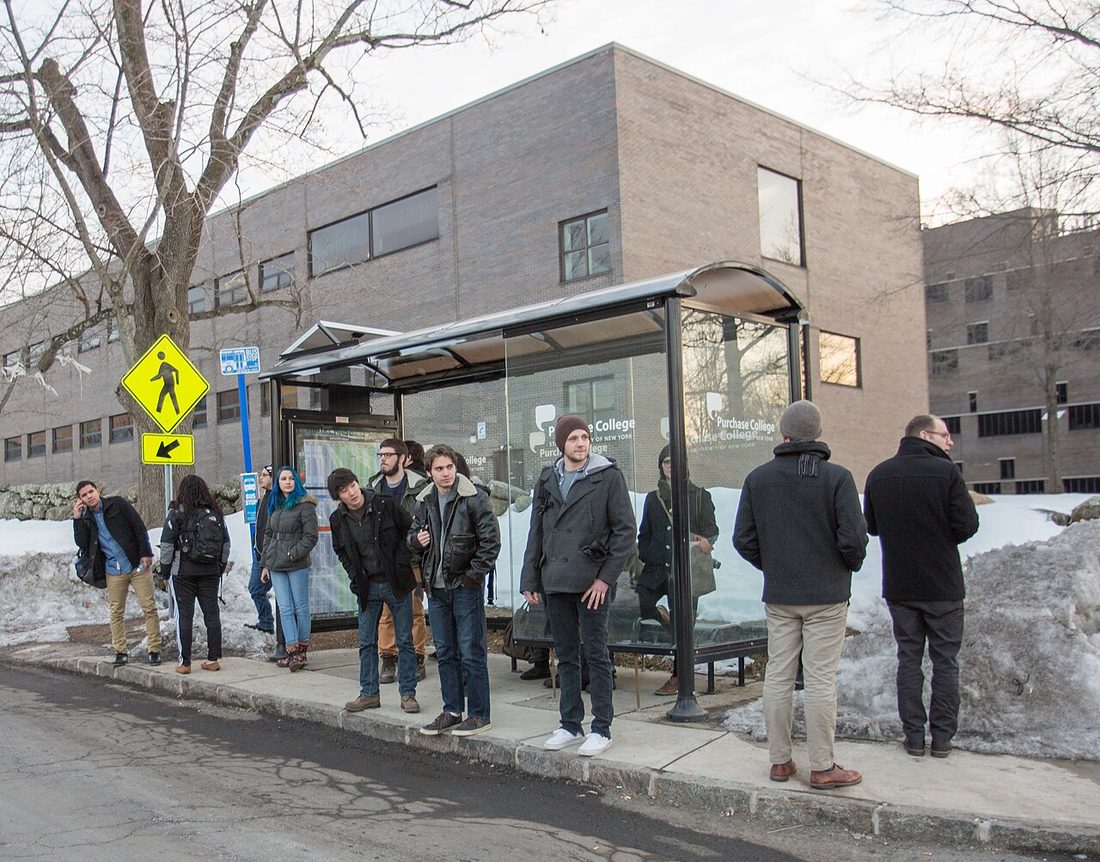
A group of people wait together at a glass bus shelter on a snowy street, some of them looking down the road for the bus
Useful language
listen to · wait for · look at · think aboutThis year, I'm waiting for … In a new city, I look for … first.In the morning, I look at … first. On a long trip, I listen to …I don't like to listen to anything.
0 / 0
EXERCISE 02Vocabulary

Verbs and their prepositions

Click a verb with its preposition, then click its meaning. Correct pairs turn green. The audio button says it.

Verb + preposition
Meaning
EXERCISE 03Vocabulary in context

Complete the sentences

Click a verb in the bank, then click a gap. Click a filled gap to clear it. Read the whole sentence first: the words around the gap tell you which one fits.


Teacher Alvaro
  • At my birthday party, nobody sits down: we _____ every song, so by midnight my feet hurt and my shirt is wet.
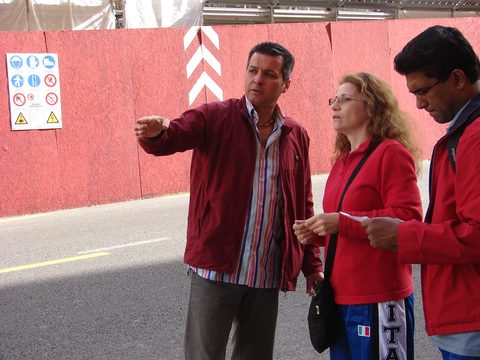
  • I'm lost, and my phone is dead, so I need to _____ directions: “Excuse me, where's the train station?”
  • Don't _____ tomorrow's test. You studied hard, you know everything, and you're going to do great!
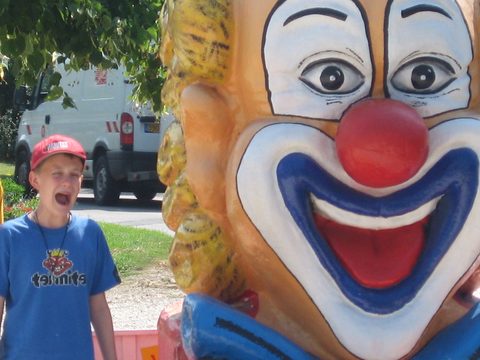
  • The clown at the circus is so funny that all the children _____ every silly thing he does.
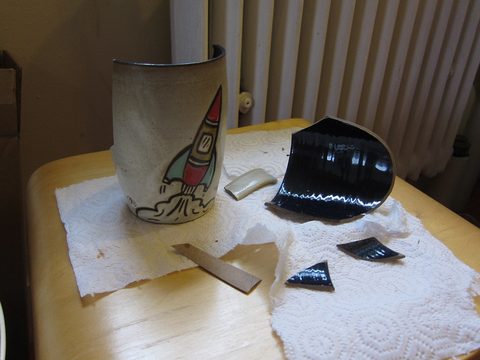
  • I broke my sister's favorite cup. I have to find her and _____ it before she sees the pieces.
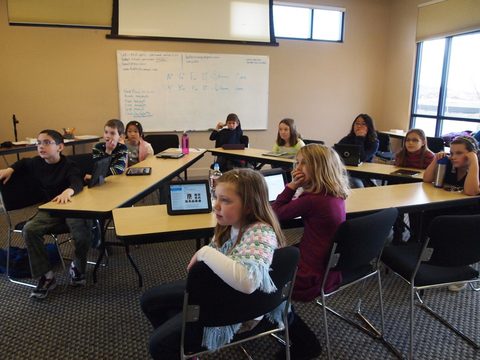
  • Please stop talking and _____ the teacher. She's explaining the homework for next week.
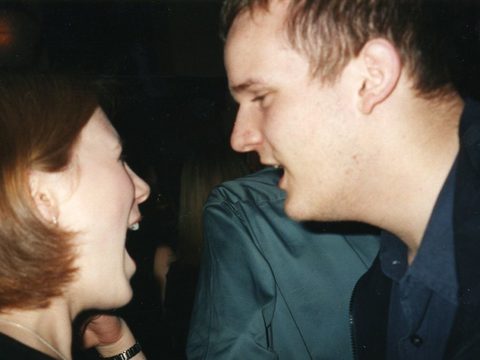
  • My brother and I never agree on anything. We _____ each other about soccer, music and even pizza.
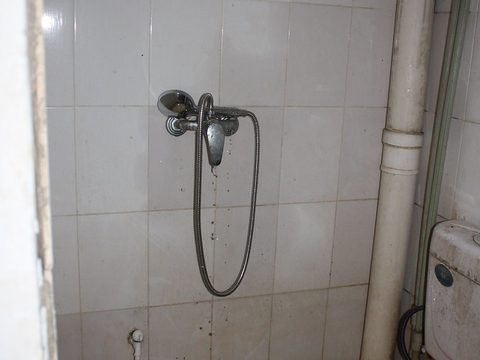
  • Our hotel room was dirty, and the shower didn't work, so we went to the front desk to _____ the problems.
EXERCISE 04Speaking · A1-A2

Beginner (A1-A2)

Ask and answer with a partner, or with me. The dotted words are the verbs and their prepositions: point at one to see what it means, and use the same small word in your answer. Questions 1 and 16 ask the same thing in two ways: you talk about something with a friend, or you talk to a friend about something. Tap a card when you have answered it. Need help? Open the answer prompts and fill each blank with a word in parentheses, or with your own idea.

Answer prompts
1 · I usually talk about ___ (school / games / music / our weekends) because ___ (it's fun / we like the same things). 2 · Yes, I listen to ___ (pop / K-pop / rap / soft music) because ___ (it makes me happy / I like the beat). 3 · I laugh at ___ (comedies / cartoons / funny animal videos) because ___ (they are silly / they make me feel good). 4 · I often write to ___ (my best friend / my cousin / my mom) to ___ (say hello / share news / ask questions). 5 · I often ask for ___ (pizza / spaghetti / chicken / fries) because ___ (it's my favorite / it tastes good). 6 · I think about ___ (my day / my family / what I will do tomorrow) because ___ (it helps me sleep / I like to imagine things). 7 · I talk to ___ (my mom / my friend / my teacher) because ___ (they listen to me / they help me feel better). 8 · I watch ___ (cartoons / movies / game shows / cooking shows) because ___ (they are fun / I learn something new). 9 · I spend time with ___ (my family / my friends / my grandparents) because ___ (we play together / we go out). 10 · I ___ (play games / go outside / draw pictures / watch movies) for fun because ___ (I enjoy it / it's relaxing). 11 · I'm afraid of ___ (spiders / the dark / loud noises) because ___ (they scare me / it scares me / I feel nervous). 12 · I hope for ___ (a good job / a happy family / a chance to travel the world) because ___ (it's my dream). 13 · I like to dance to ___ (pop music / hip hop / fast songs) because ___ (it's fun / the rhythm is cool). 14 · I ask for help from ___ (my parents / my teacher / my best friend) when ___ (I don't understand / I need something). 15 · I depend on my phone for ___ (messages / music / games / calling people) because ___ (it helps me stay connected). 16 · We talk about ___ (school / TV shows / music / our pets) because ___ (we like the same things / it's interesting).
0 / 0
EXERCISE 05Speaking · B1-B2

Intermediate (B1-B2)

Answer in two or three sentences: what, why, and one example. Point at a dotted verb to see what it means, and keep its preposition in your answer. One of them is an adjective, proud of (12), and it works the same way. Tap a card when you have answered it. The answer prompts show one way to start. Personal questions are always optional: a friend's story, or people in general, works just as well.

Teacher Alvaro
Answer prompts
1 · We usually talk about ___ (work / school / daily problems / future plans), because it helps us ___ (stay connected / support each other). 2 · When I'm stressed, I listen to ___ (soft music / classical / pop / instrumental), because it helps me ___ (calm down / focus / relax my mind). 3 · Sometimes I do, especially when we talk about ___ (movies / music / values), but I also like to ___ (hear different views / discuss ideas). 4 · I usually think about ___ (the pros and cons / how it will affect my life / the risks), so I can choose ___ (the best option / carefully). 5 · Yes, I have, because I wanted to ___ (end the argument / keep the peace), although it felt a bit unfair. 6 · I usually worry about ___ (deadlines / family problems / my health), especially when I feel ___ (tired / stressed / unprepared). 7 · I rely on ___ (my best friend / my parents / my teacher), because they are ___ (trustworthy / kind / good at giving advice). 8 · I connect easily with people who are ___ (honest / funny / open-minded), because I feel ___ (comfortable / accepted) around them. 9 · I often dream about ___ (traveling / being successful / strange situations), and sometimes I try to ___ (understand the meaning / write them down). 10 · I'm trying to improve my ___ (time management / confidence / communication skills), because I want to ___ (grow / feel better about myself). 11 · Yes, we argued about ___ (a misunderstanding / a plan that went wrong), but we talked and ___ (solved the problem / became friends again). 12 · I'm proud of ___ (finishing school / helping someone / learning a new skill), because it took ___ (effort / time / courage). 13 · I usually spend money on ___ (food / clothes / hobbies / books), but I try to ___ (save a little / plan my budget). 14 · I complain about ___ (bad service / too much homework / noisy neighbors), especially when I feel ___ (tired / annoyed). 15 · I usually ask ___ (my friend / my teacher / my older brother) because they can ___ (explain it well / help me quickly). 16 · I believe in ___ (luck / destiny / both) because sometimes things happen ___ (without a reason / for a reason / at the right time). 17 · I usually share ideas with ___ (my partner / my best friend / my classmates) because they ___ (give feedback / listen / understand me). 18 · Yes, I lent ___ (a book / money / headphones), and I never got it back, so now I'm ___ (more careful / more selective). 19 · I try to focus on ___ (solutions / staying calm / doing one thing at a time), although it can be ___ (hard / overwhelming) sometimes.
0 / 0
EXERCISE 06Speaking · C1-C2

Advanced (C1-C2)

Give your view, support it with an example, and consider the other side. Your partner asks one follow-up question before you tap the card. Here the verbs are longer: phrasal verbs with a preposition (stand up for, look back on), a passive with by (17), and one verb with no preposition at all (15). The dotted words show their meaning, and the answer prompts are there if you need a start. Personal questions are always optional: you can answer about people in general.

Answer prompts
1 · I usually base my decisions on ___ (personal interests / long-term goals / job stability), as well as how the role aligns with my ___ (values / skills / desired lifestyle). 2 · Yes, I once confided in ___ (a close friend / a mentor / a family member) because I felt the need to ___ (talk honestly / share my burden). It ___ (went better than expected / was a bit awkward), but I felt ___ (relieved / supported / understood). 3 · We sometimes argue about ___ (politics / responsibilities / opinions on money), mainly because we have different ___ (values / communication styles / priorities). 4 · I was brought up with values such as ___ (respect / responsibility / honesty), which continue to guide my ___ (choices / relationships / work ethic) today. 5 · Absolutely. I once received advice about ___ (my career / relationships / self-care), and it helped me ___ (avoid mistakes / see things differently / make a smart choice). 6 · Not always, but I try to stay ___ (calm / organized / mindful), especially by ___ (planning ahead / talking to someone / focusing on what I can control). 7 · I feel strongly about ___ (mental health awareness / education / environmental protection), because I believe ___ (everyone deserves support / change starts with us / the future depends on it). 8 · I usually turn to ___ (a close friend / my partner / my mentor), since they always offer ___ (a new perspective / emotional support / practical solutions). 9 · I often reflect on ___ (missed opportunities / turning points / life lessons), as they taught me ___ (resilience / growth / who I really am). 10 · I try to cope by ___ (analyzing what went wrong / giving myself time / setting new goals), even though it can be ___ (challenging / discouraging at first). 11 · I tend to avoid ___ (conflict-heavy environments / overly competitive people / toxic relationships), because they affect my ___ (well-being / energy / productivity). 12 · Yes, I'd like to specialize in ___ (public speaking / UX design / data analysis), because it combines my interest in ___ (communication / creativity / logic) and has strong potential in the job market. 13 · When setting goals, I focus on ___ (clarity / feasibility / motivation), because it helps me ___ (stay on track / evaluate progress / stay realistic). 14 · I'm trying to break free from ___ (procrastination / self-doubt / overcommitting), since it often prevents me from ___ (reaching my full potential / managing my time well). 15 · ___ (My grandmother / A former teacher / A boss) had a strong influence on me, due to the fact that they ___ (believed in me / modeled perseverance / taught me valuable lessons). 16 · I'd love to write about ___ (mental health / cross-cultural communication / personal growth), because I feel it's both ___ and ___ (deeply relevant / underrepresented / meaningful). 17 · Yes, I've been discouraged before, especially when the feedback felt ___ (harsh / unfair / personal), but I tried to ___ (learn from it / focus on what I could improve / not take it too personally). 18 · I tend to work best with ___ (organized / communicative / creative) people, because group work requires ___ (trust / clear roles / shared goals). 19 · I'm especially proud of ___ (finishing a degree / overcoming a personal challenge / helping someone), as it represents ___ (hard work / resilience / growth).
0 / 0
EXERCISE 07Listening

One logo, two coworkers

The video from the club's material: about seven minutes, with captions. Mira designs a logo, Doug writes a slogan, and before a meeting with their boss they argue about almost everything. Their conversation is full of verbs with prepositions. Watch, then choose the preposition that completes each sentence, and read why. The sentences retell the story in other words; the stamp shows the moment in the video where you can hear the pair.

Teacher Alvaro
  • Mira tells Doug that she stayed up late working ___ the logo. 00:24

    Mira made the logo the night before the meeting. Work on something means to spend time making it or making it better, as in question 10 of the Intermediate level.

  • Doug expected to rely ___ Mira, but her logo is not what he wanted. 00:58

    Doug doesn't like the dark green logo. Rely on someone means to trust them to do something for you: question 7 of the Intermediate level.

  • Mira says that Doug does nothing but complain ___ her work. 01:06

    Mira is tired of Doug's criticism. Complain about something: you say that you are not happy with it, as in Exercise 02.

  • Mira also feels that Doug disagrees ___ every idea she has. 01:09

    Disagree with works like agree with: with a person, an opinion or what someone does.

  • Doug thinks the logo is such a big mistake that they may never recover ___ it. 01:25

    Doug sees the dark green logo as a big mistake, and the meeting with the boss is in half an hour. Recover from something means to get better after it, like an illness or a bad mistake.

  • Mira agrees to deal ___ the problem right away. 02:33

    Mira solves the problem fast: she changes the logo's color. Deal with a problem means to do something about it, as in question 6 of the Advanced level.

  • Doug thinks Mira only reacted to his slogan because he had objected ___ her logo's color. 03:00

    Doug thinks Mira criticizes his slogan only because he criticized her logo. Object to something means to say that you don't like it or don't accept it. The same sentence has a second pair: react to.

  • The boss believes ___ the value of working as a team. 03:29

    That is why the boss put the two of them on one project. Believe in something means to think that it is real or that it works, like luck in question 16 of the Intermediate level.

  • Doug tells the boss that his advice resulted ___ the logo they like. 04:29

    Mira answers that he should not take the credit for the logo: she worked hard on it. Result in means to cause something. The other direction is result from: the logo, Doug says, resulted from his advice.

  • Doug wants to apologize ___ ignoring Mira's comments about his slogan. 05:32

    Mira told him to make the slogan shorter, and he did not listen. Now he says sorry. You apologize for what you did and to a person: a few seconds later, Mira apologizes to Doug for being so critical.

  • Now the two coworkers will write the slogan as a team, and that may lead ___ a better slogan. 05:46

    The argument is over, and they start again together. Lead to something means to make it happen, step by step.

  • The boss ends with a reminder: success depends ___ working well together. 06:22

    The boss's last piece of advice. In English it is always depend on, never depend of: question 15 of the Beginner level.

EXERCISE 08Writing

One question, in writing

80–120 words. Choose one question from your level (Exercise 04, 05 or 06), write its number first, and answer it in one paragraph. Use the question's verb and preposition, and at least three more pairs from the lesson. Give one real example: when it happened, who was there and what you did.

0 words
ENDEnd of lesson

My results

Check your score, then copy it and send it to your teacher on WhatsApp.

Teacher Alvaro

One job for this week. Choose three verbs with their prepositions from today. Every evening, say one sentence out loud with each of them about your real day: who you talked to, what you listened to, what you worried about. Thirty seconds, in English, and always the verb and its small word together.