SPEAKING CLUB · TOPIC 99

Women

Singers, athletes, scientists, leaders and the women in your own family. Fifty-seven questions in three levels, from your favorite female singer to equal pay and women in positions of power.

A1-C2 60 min Focus: speaking · 3 levels Home
EXERCISE 01Speaking

Warm-up

Ask and answer with a partner, or with me. Tap a card when you have answered it.

Teacher Alvaro

Today is about women. Singers and athletes, scientists and leaders, and the women in your own family: today you talk about all of them. There are three sets of questions: Beginner, Intermediate and Advanced. Answer the ones at your level, then try one from the next level. You can always talk about another woman you know, or say “pass”.
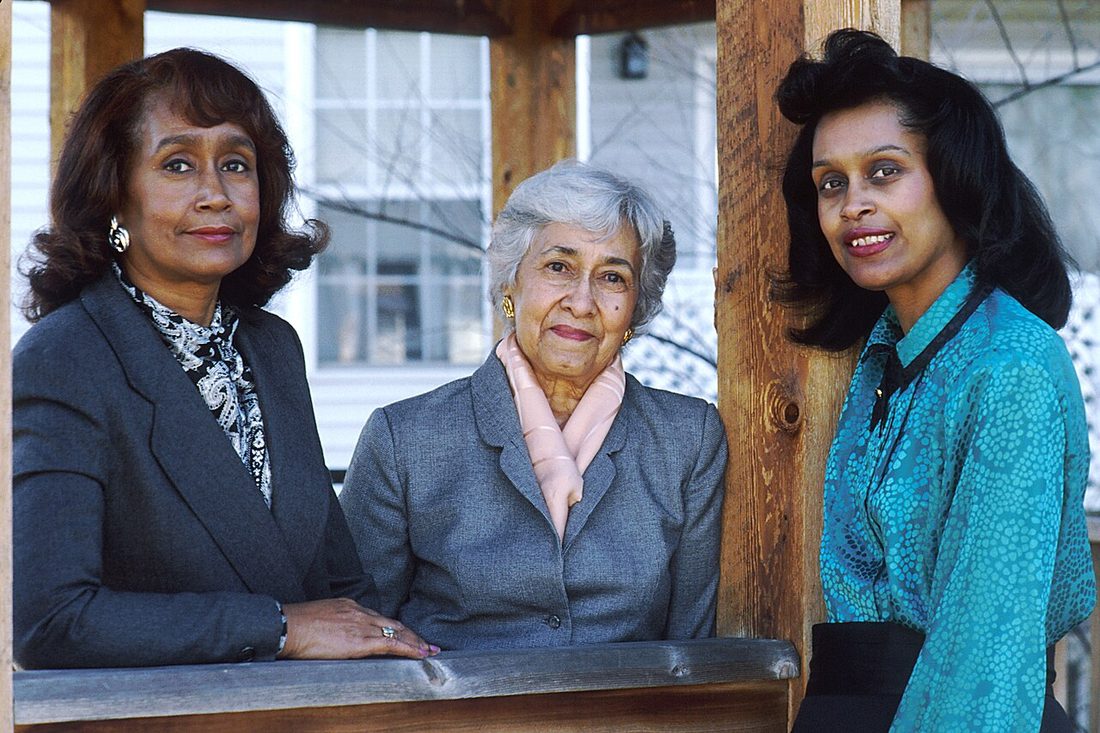
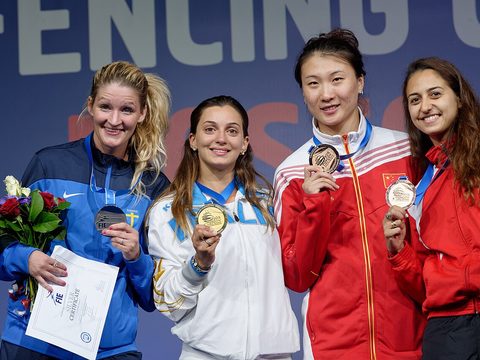
Three women from three generations of one family standing together behind a wooden railing, smiling at the camera
Useful language
… is a singer / an athlete / an actress.She is famous for … There is a street / a school called …On that day, people … I like to watch … because …I don't watch women's sports, but … I think … is the hardest job because …Can I pass this one?
0 / 0
EXERCISE 02Vocabulary

Jobs, sports and rights

Eight words from today's questions. Click a word, then click its meaning. Correct pairs turn green. The audio button says the word.

Word
Meaning
EXERCISE 03Vocabulary in context

Complete the sentences

Click a word in the bank, then click a gap. Click a filled gap to clear it.

Teacher Alvaro
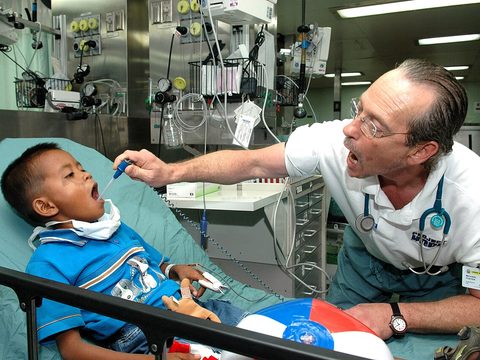
  • At the hospital, the _____ checked my temperature, brought me a glass of water and called the doctor.
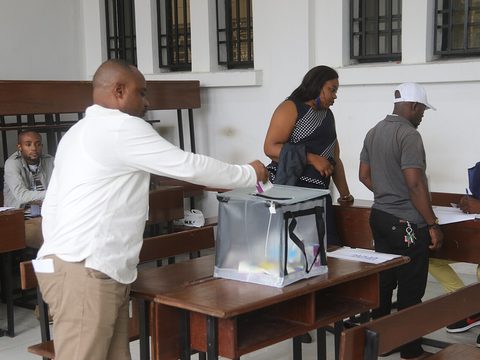
  • On election day, my grandfather always walks to the school near his house to _____ for the new mayor of our town.
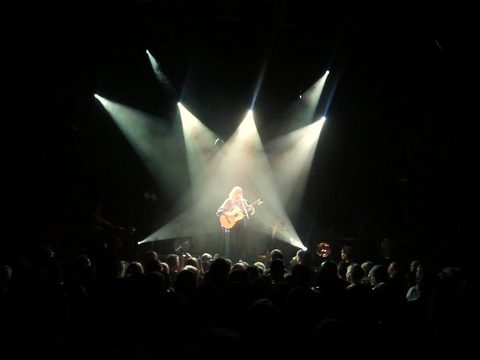
  • The _____ walked onto the stage, took the microphone and started the first song of the night.
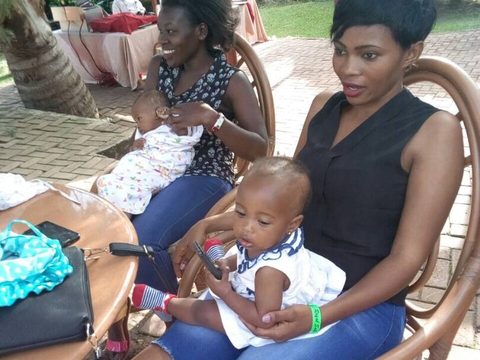
  • My sister and her husband both work all day, so they pay for _____: a kind woman takes care of their baby from eight to five.
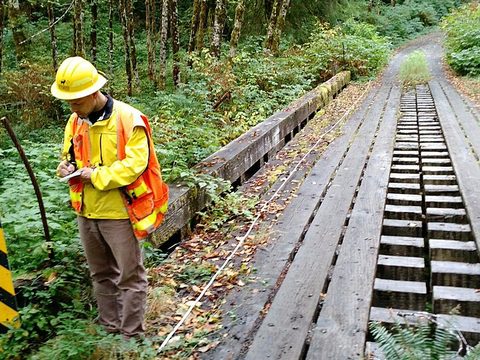
  • Before they start the new bridge over the river, an _____ checks every number in the plan to make sure it is safe.
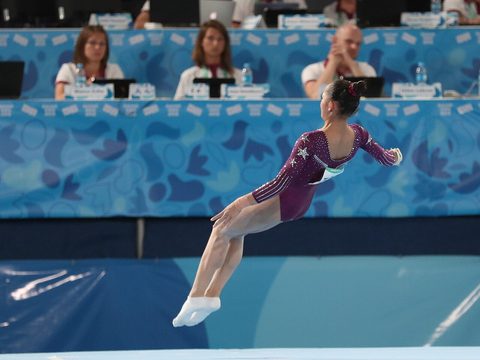
  • In _____ class, the girls jump, turn upside down in the air and walk on a very narrow beam.
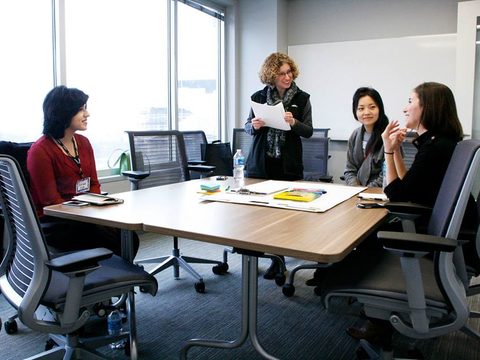
  • Our team has a new _____: she listens to everybody, makes the big decisions and tells us the plan for each week.
  • She trains six hours a day, eats well and goes to bed early: she is a professional _____, and she wants to win a medal this year.
EXERCISE 04Speaking · A1-A2

Beginner (A1-A2)

Ask and answer with a partner, or with me. Answer with short sentences — She is…, She is famous for…, I like her because… — and add one more detail. You can talk about any woman you know, and say “pass” if you prefer. Need help? Open the answer prompts and choose the words that are true for you. Tap a card when you have answered it.

Answer prompts
1 · I know [Taylor Swift / Serena Williams / Malala Yousafzai]. She is famous for [singing / playing tennis / fighting for education]. 2 · My favorite singer is [Beyoncé / Adele / Selena Gomez] because [she sings beautifully / her songs are emotional]. 3 · Yes, I know [Simone Biles / Serena Williams]. She is good at [gymnastics / tennis]. 4 · My favorite actress is [Emma Watson / Jennifer Lawrence / Zendaya]. I like her because [she is talented / she plays strong characters]. 5 · Yes, I have a friend named [Anna / Maria]. She is [kind / funny / helpful].
No, I don't have a female friend right now.
6 · They like to [watch movies / cook together / go shopping]. 7 · I like that my mother is [kind / caring / hardworking]. She always [helps me / cooks delicious food / listens to me]. 8 · A famous woman in history is [Marie Curie / Rosa Parks]. She is important because [she made great discoveries / she fought for rights]. 9 · Yes, I know [name of the woman]. She is famous for her work in [politics / sports / music].
No, I don't know any famous women from my country.
10 · Yes, I think women are good leaders because they are [smart / hardworking].
Not always. I think it depends on the person.
11 · Yes, I met [a teacher / a manager].
No, I haven't met a woman who is a leader yet.
12 · My mother taught me how to [cook / read / be kind]. She always says [“Work hard” / “Be polite”]. 13 · The most important woman in my life is [my mother / my grandmother / my teacher]. She helps me by [supporting me / teaching me / loving me]. 14 · Women in my country work as [teachers / doctors / engineers]. They also [take care of their families]. 15 · Yes, I think they can because [everyone has skills].
No, I think some jobs are better for men or women.
16 · [My mother / My grandmother] has inspired me. She inspires me because [she works hard / she is kind]. 17 · Yes, I watched [Mulan / Wonder Woman]. It was [exciting / interesting / inspiring]. 18 · She taught me to [study hard / respect others / believe in myself]. She always helps me when I [need advice / feel sad]. 19 · My favorite story is about [a queen / a superhero / a historical figure]. I like it because [she is brave / she never gives up / she helps others].
0 / 0
EXERCISE 05Speaking · B1-B2

Intermediate (B1-B2)

Answer with a reason and a real example: because…, for example…, However…. For the questions about your country, give one thing that works well and one thing that could be better. Then your partner asks you one more question. The answer prompts are there if you need a start. Tap a card when you have answered it.

Teacher Alvaro
Answer prompts
1 · I admire [Malala Yousafzai / Oprah Winfrey / Angela Merkel] because [she is brave / she helps people / she fights for justice]. She inspires me because [she never gives up and works hard to make the world better]. 2 · Women now have more opportunities in [education and careers], and they are leaders in many fields. However, they still face challenges like [gender stereotypes and unequal pay]. 3 · [Marie Curie / Rosa Parks / Florence Nightingale] changed history by [making scientific discoveries / standing up for civil rights / helping people during wars]. 4 · Women often face [discrimination, unequal pay, and a lack of leadership opportunities]. In addition, balancing work and family can be difficult for many women. 5 · [Kamala Harris / Jacinda Ardern / Angela Merkel] is a famous politician. She is known for [making important decisions / leading her country / representing women in government]. 6 · A great female leader is [strong, intelligent, and empathetic]. She also needs to be [a good communicator and able to inspire others]. 7 · Women have the right to [vote, work, get an education, and own property]. However, there are still some areas where [women's rights need improvement]. 8 · Yes, because [women work just as hard as men and deserve equal pay]. It's only fair to treat everyone equally in the workplace. 9 · Women are sometimes shown as [strong and independent characters], but in other cases, they are [stereotyped as weak or dependent]. 10 · In some ways, yes, because [women can work, study, and vote]. However, there are still inequalities in [pay, leadership, and cultural expectations]. 11 · [Oprah Winfrey / Indra Nooyi / Sara Blakely] is a successful businesswoman. She became successful by [working hard, taking risks, and being creative]. 12 · Society can [provide better education, offer childcare support, and ensure equal pay]. It is also important to [challenge stereotypes and promote women in leadership roles]. 13 · Schools teach about women's rights by [discussing historical figures and holding special events like Women's Day]. However, more can be done to [raise awareness about modern issues]. 14 · Educating girls is important because it [reduces poverty, improves health, and strengthens communities]. It gives girls the chance to [achieve their dreams and contribute to society]. 15 · I think it's great because it shows that women can do [any job, regardless of gender]. However, they may face [challenges like discrimination or lack of support]. 16 · Women often balance work and family by [managing their time carefully or getting help from family members]. Some also have access to [flexible work hours or childcare services]. 17 · Many women in my country work as [teachers, doctors, nurses, or business professionals]. These jobs are common because [they are respected and offer stable careers]. 18 · In my country, men and women have the same rights to [vote, work, and study]. However, there are still areas like [leadership and wages] where more equality is needed. 19 · I think the biggest issue is [gender inequality, including unequal pay and limited opportunities]. Additionally, women in some countries face [violence, lack of education, and restricted rights].
0 / 0
EXERCISE 06Speaking · C1-C2

Advanced (C1-C2)

These questions are about society, not about anybody's private life. Take a position, support it with an example from your country, and bring in the other side with However…, whereas… or although…. Then ask your partner if they agree, and push back once. Hover over a dotted word to see what it means. The answer prompts are there if you need a start. Tap a card when you have discussed it.

Answer prompts
1 · Gender roles often limit opportunities by reinforcing traditional expectations, such as [prioritizing caregiving over career development]. However, these roles are slowly evolving, leading to [greater inclusion in leadership and professional spaces]. 2 · Women have been at the forefront of many movements, such as [the suffrage movement, civil rights campaigns, and environmental activism]. Their contributions have not only brought [legal reforms] but also [shaped societal attitudes toward equality]. 3 · Stereotypes often push women toward [care-focused professions] rather than STEM or leadership roles. This not only limits individual growth but also [hampers economic and societal progress]. 4 · Feminism remains essential for addressing [persistent inequalities, such as the gender pay gap and representation]. On the other hand, some argue that its focus should evolve to include [intersectionality and broader societal challenges]. 5 · Social media has amplified women's voices by [providing platforms for advocacy and connecting global movements]. Nevertheless, it has also contributed to [unrealistic standards and online harassment]. 6 · Barriers include [bias in hiring, lack of mentorship opportunities, and societal expectations]. Overcoming these requires [policy reforms, mentorship programs, and organizational accountability]. 7 · Workplaces can achieve equality by [implementing flexible policies, ensuring equal pay, and fostering diverse leadership]. Additionally, they should focus on [creating safe spaces to address issues like harassment and discrimination]. 8 · Education empowers women by [increasing their economic independence and enabling informed decision-making]. Moreover, it contributes to [reduced poverty rates and healthier communities]. 9 · Women have pioneered innovations in fields like [medicine, computer science, and space exploration]. Their work not only enhances [technological advancements] but also promotes [diverse perspectives in problem-solving]. 10 · Female athletes often experience [unequal pay, limited sponsorship opportunities, and lack of media coverage]. Despite these barriers, they continue to [break records and challenge stereotypes in sports]. 11 · On one hand, the industry promotes [confidence through self-expression]. On the other hand, it perpetuates [unrealistic beauty standards], which can negatively affect mental health. 12 · Many women struggle with [societal pressure to prioritize family over career]. This creates a need for [supportive policies like parental leave and affordable childcare]. 13 · In developed nations, healthcare access allows women to [focus on careers and personal growth]. However, in developing regions, lack of healthcare leads to [higher maternal mortality rates and limited opportunities]. 14 · Women leaders often bring [empathy, collaboration, and a focus on social issues] to decision-making. Their representation inspires future generations and promotes [gender-balanced policies]. 15 · Schools can introduce [role models, mentorship programs, and hands-on STEM activities] to spark interest. Additionally, addressing [stereotypes and biases] is crucial for fostering confidence. 16 · In some cultures, traditions uphold [restrictive practices], limiting women's freedom. Conversely, progressive traditions can [celebrate and empower women] by recognizing their contributions. 17 · Constant expectations can lead to [stress, anxiety, and low self-esteem]. Addressing this requires [open dialogue, representation, and mental health support]. 18 · The movement has [raised awareness] and encouraged survivors to speak out. However, it also highlights the need for [structural reforms and continued advocacy]. 19 · Storytelling humanizes issues by [sharing lived experiences and inspiring change]. Moreover, it preserves [historical contributions], ensuring women's roles are recognized and celebrated.
0 / 0
EXERCISE 07Writing

One question, one paragraph

80–120 words. Choose one question from your level (Exercise 04, 05 or 06) and answer it in one paragraph. Beginner: describe a woman you admire — who she is, what she does and why you like her. Intermediate: give your answer, two reasons and one real example from your country. Advanced: take a position, give the strongest argument on the other side, and answer it. Start with the number of the question. Example: Question 13: The most important woman in my life is …

Teacher Alvaro
0 words
ENDEnd of lesson

My results

Check your score, then copy it and send it to your teacher on WhatsApp.

Teacher Alvaro

One job for this week. Choose one woman you don't know much about — a scientist, an athlete, a leader, or a woman with a street named after her in your city — and read about her for ten minutes. At the next club, tell us about her in three sentences: who she is, what she did and why it matters today.