Greetings From Around the World
In Tibet people show their tongue. In Russia the air kiss is triple. In New Zealand two foreheads touch. Seven colors, ten ways to say hello, and everything you know about to be in one class.
Warm-up: the flag game
Say the colors, and I guess the country. Then we change. Tap a card when you have answered it.

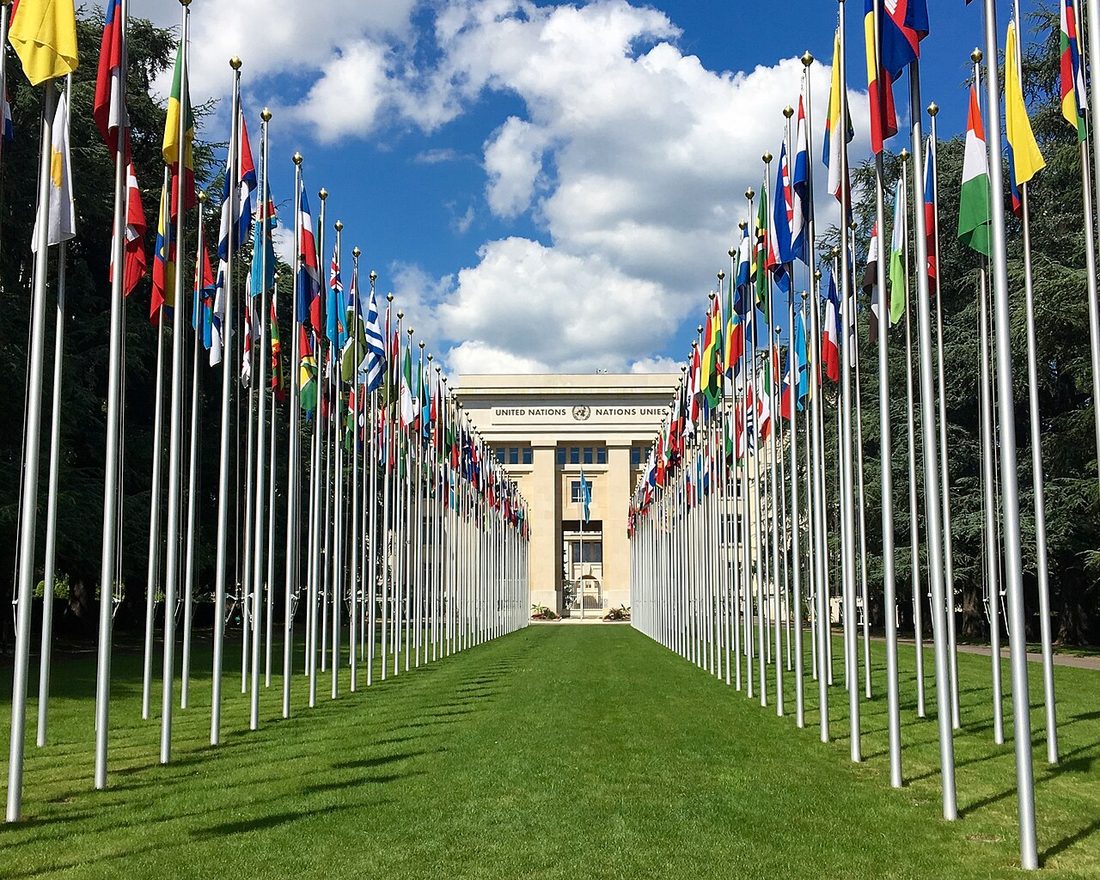
Seven colors today: blue, red, yellow, orange, green, black, white. Describe a flag with them and I have to guess: This flag is blue, white and red. — France!
Useful language
Match the words
Click a word, then click its meaning. Correct pairs turn green. The audio button says the word.
Complete the sentences
Click a word in the bank, then click a gap. Click a filled gap to clear it.

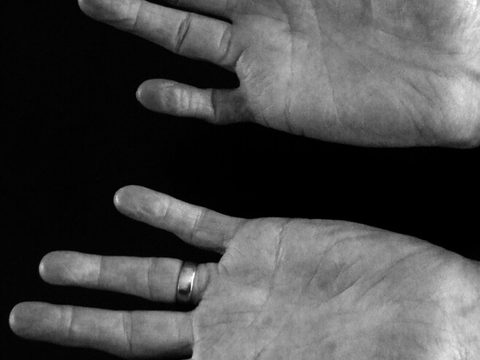 I have ten fingers on my two
_____.
I have ten fingers on my two
_____.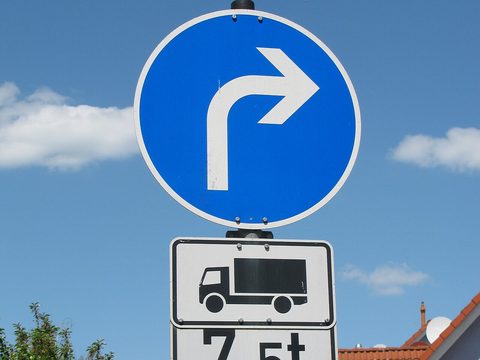 Most people write with their
_____ hand, not the left one.
Most people write with their
_____ hand, not the left one.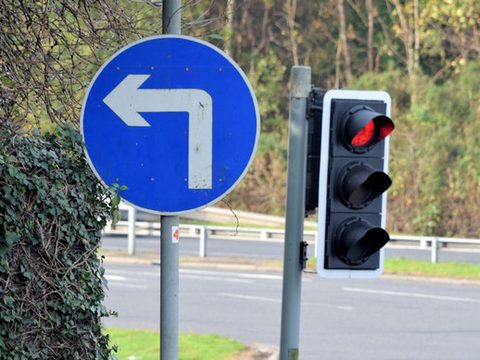 My right hand is broken, so I eat with my
_____ hand.
My right hand is broken, so I eat with my
_____ hand.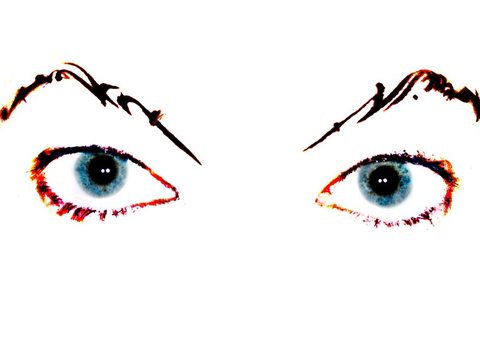 It is late. Close your
_____ and go to sleep.
It is late. Close your
_____ and go to sleep. The doctor says, "Open your mouth and show me your
_____."
The doctor says, "Open your mouth and show me your
_____." My kids are sick. I touch their
_____, above the eyes, and they are hot.
My kids are sick. I touch their
_____, above the eyes, and they are hot. At night, Mom gives the baby a
_____ on the cheek and says, "Good night."
At night, Mom gives the baby a
_____ on the cheek and says, "Good night." Open the window, please. We need fresh
_____.
Open the window, please. We need fresh
_____.
Ten ways to say hello
Watch the video first — it has no words, only pictures. Then read and see if you remembered.
Three greetings travel around the world: the bow, the handshake and the air kiss. But each country does them in a different way.
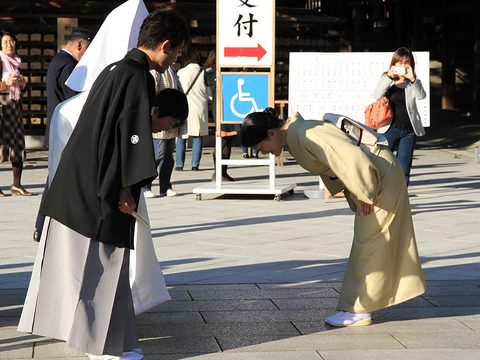


The bow with the hands together is from India, Cambodia, Thailand and Laos. It is a symbol of respect. The bow with the hands at the sides is typical of Japan.
The handshake is common in many countries. In some countries it is only with the right hand. In China it isn't firm — it's light.
People in Argentina and Brazil greet with one air kiss. In France it is double: one on each side.
In Russia the air kiss is triple, and in some parts of Spain it's quadruple. That is four kisses to say hello to one person.
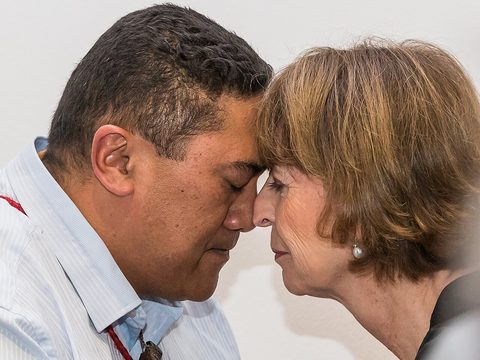
In Tibet, people show their tongue. And in the Maori greeting, people look in the eyes and press their foreheads together.
Multiple choice
Click an answer and you get the result right away, with the reason.

-
How many greetings travel around the world?
The bow, the handshake and the air kiss.
-
The bow with the hands together is from…
Four countries in Asia, and the hands go together in front of the face.
-
What is that bow a symbol of?
It says "I respect you" without any words.
-
Where is the bow with the hands at the sides typical?
Two different bows, two different places for the hands.
-
In some countries, the handshake is only with…
And using the other hand can be impolite there.
-
How is the handshake in China?
It isn't firm. A strong handshake there is not a good sign.
-
In Argentina and Brazil, the air kiss is…
One kiss. In France it is two, one on each side.
-
Where is the air kiss triple?
Three kisses. Spain goes even further.
-
Where is it quadruple — four kisses?
Not the whole country — only some parts of it.
-
What do people show in Tibet?
In most countries that is very rude. There it means hello.
-
In the Maori greeting, two people…
And they look in the eyes first. It is called the hongi.
-
What is the main idea of the text?
Three greetings, many versions. The air kiss goes from one to four depending on where you are.
To be: the whole picture

Three classes in one table. Everything you have learned about this verb is here: the positive, the negative and the question. Read the table once, then never look at it again.
- Positive: I am / you are / he is / we are / they are from Brazil.
- Negative — add not: I'm not / you aren't / he isn't from Brazil.
- Question — put the verb first: Am I …? Are you …? Is he …?
- Short answers: Yes, he is. / No, he isn't. Never
Yes, he's. - And the from rule again: country → from Japan · nationality → Japanese.
-
I ___ from Brazil.
Only I takes am.
-
They ___ not from Japan.
Plural, so are — and the short form is aren't.
-
___ you from Spain?
You always takes are, in questions too.
-
My parents ___ from Switzerland.
Two people, so are, even though they are one family.
-
The handshake in China ___ firm.
One thing, so is, and the negative is isn't.
-
Is the air kiss double in France? — Yes, ___ .
A thing is it, and a positive short answer uses the full verb.
-
Which sentence is WRONG?
The from rule. Country with from, nationality without it — never both.
-
Which order is correct?
Question word, then verb, then person. And from stays at the end.
Colors and flags

- The seven: blue · red · yellow · orange · green · black · white
- The color comes before the noun: a red car, never
a car red. This is the opposite of Portuguese. - No plural on the color: two black cars, never
two blacks cars. - To describe a flag: The Brazilian flag is green, yellow, blue and white.
- To ask: What color is your car? — It's white.
-
The Japanese flag is…
A red circle on white. One of the simplest flags in the world.
-
The French flag is…
Three colors in three lines, standing up.
-
Which sentence is correct?
In English the color goes in front. In Portuguese it goes behind — that is the whole difficulty.
-
Which sentence is WRONG?
Adjectives never take an -s in English. Only the noun changes.
-
___ color is your phone?
What color…? is the fixed question. Learn it as one block.
-
The German flag is black, red and…
Three lines lying down: black on top, then red, then yellow — Germans call this third color gold.
-
Mix red and yellow and you get…
And in English the color has the same name as the fruit.
-
How do you say it?
One flag, so is — and you do not need the word color at the end.
Complete with am, is or are
One word in each gap. Some are questions, some are negatives.

Look at the person first, then at the shape of the sentence. The person tells you which of the three words to use; the shape only tells you where to put it.
-
aI ___ from Brazil.
-
bShe ___ from Italy.
-
cThey ___ not from Japan.
-
dWe ___ from Germany.
-
eHe ___ not from France.
-
f___ you from Spain?
-
gMy parents ___ from Switzerland.
-
h___ she from India?
-
iI ___ not from England.
-
jYou ___ from the USA.
Negative and question
Two lines for each sentence. Example: She is from England. → She isn't from England. / Is she from England?

-
a1He is from Japan. → negative
-
a2He is from Japan. → question
-
b1They are from the USA. → negative
-
b2They are from the USA. → question
-
c1I am from Brazil. → negative
-
c2I am from Brazil. → question
-
d1She is from India. → negative
-
d2She is from India. → question
-
e1We are from Germany. → negative
-
e2We are from Germany. → question
Talking point
Full sentences. Show me the greetings with your hands where you can.
Useful language
Hello in my country
40–70 words. Write about the greeting and the flag of your country. How many kisses? One hand or two? What colors? Use am, is and are, and one negative sentence with isn't or aren't.

My results
Check your score, then copy it and send it to your teacher on WhatsApp.

Four classes done, and one verb finished. Positive, negative, question, short answer — that is the whole of to be. Everything after this class is new vocabulary on top of a verb you already own.