Review: Classes 21–26
Six classes in one: can for ability, can for permission, three ways to ask politely, and the tense that says what is happening right now. Nothing new here — only everything at once.
Warm-up
One question from each of the six classes. Tap a card when you have answered it.

A review is not a test. The point is to find the two or three things that are still slow, so we can spend the next classes on those and not on the things you already have.
Useful language
At the gym, at the café
Click a word, then click its meaning. Correct pairs turn green.
Places in the city
Click a word in the bank, then click a gap. Two of them are close — read the whole sentence before you choose.

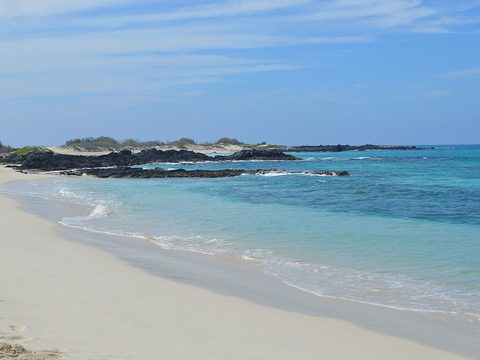 I love swimming in the ocean. I go to the
_____.
I love swimming in the ocean. I go to the
_____.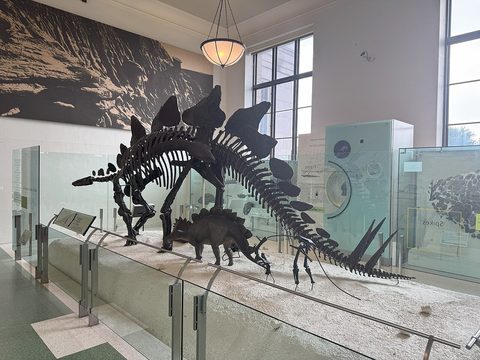 You can see old things from history in a
_____.
You can see old things from history in a
_____.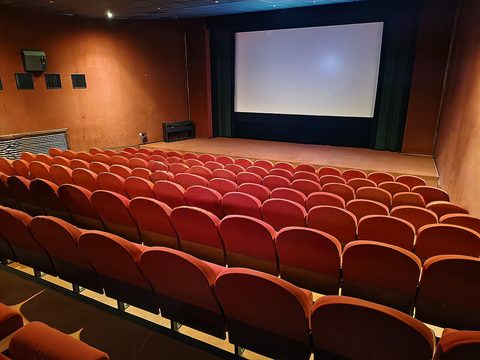 I want to watch a movie. Let's go to the
_____.
I want to watch a movie. Let's go to the
_____. We drink coffee and eat cake at a
_____.
We drink coffee and eat cake at a
_____.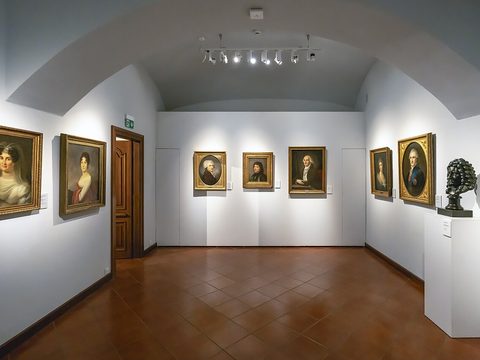 She loves paintings, so she often goes to an
_____.
She loves paintings, so she often goes to an
_____.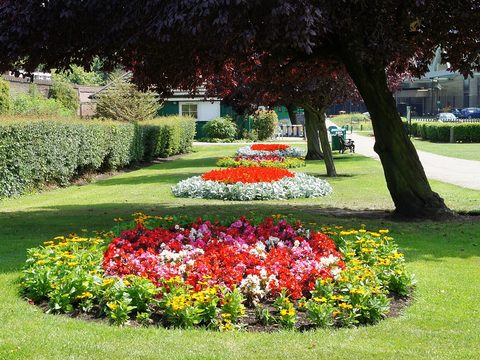 I can see trees and flowers in the
_____.
I can see trees and flowers in the
_____. I need new shoes. I'm going to the shoe
_____ on my street.
I need new shoes. I'm going to the shoe
_____ on my street.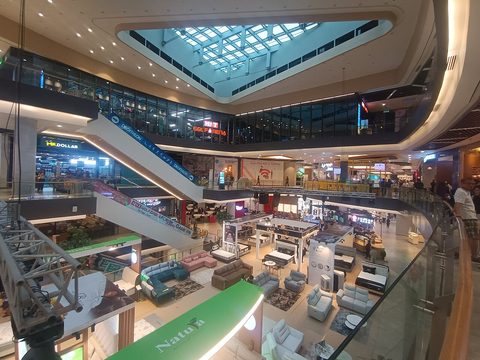 The
_____ has many stores and is very big.
The
_____ has many stores and is very big.
Six classes in one page
Read it once before the exercises, and once again at the end. The audio button reads each part aloud.
Six classes, one big idea: English lets you say what you can do, what you would like, and what is happening at this exact minute. Today all of it comes back together.
In Class 21 you learned can for ability. Pedro can do fifty sit-ups. The students can't run a marathon. She can run very fast.
In Class 22 the same small word turned polite. Can I have a grande iced mocha? Could I have almond milk? I'd like a hot caramel latte.


In Class 23 can changed job again, from ability to permission. You can use the Wi-Fi at school. You can't talk loudly in the library.
In Class 24 a new tense arrived, with two parts. You're wearing a lovely t-shirt. My sister's working in Spain at the moment. He's studying French now.
Class 25 turned that tense into questions and negatives. Are you going home now? It isn't raining, so let's go out. Are they living in France?
And Class 26 asked the hardest question of all. My grandfather often comes for dinner, but Julie's having a shower right now. Which tense, and why?
Do you remember?
Click an answer and you get the result right away, with the reason.

-
In Class 21, can was about:
What you know how to do: run, swim, cook.
-
In Class 23, can was about:
Rules and signs. The word did not change; the job did.
-
Which three ways to ask did Class 22 give you?
And the third one is not a question, so no question mark.
-
How many parts does the present continuous have?
Be and the verb with -ing. The first is the one people drop.
-
"My sister's working in Spain at the moment." What is 's?
With -ing after it, 's is always is.
-
How do you make a present continuous question?
And nothing else moves at all.
-
Which time word belongs to the present simple?
Habits: always, usually, often, sometimes, never.
-
"My grandfather often comes for dinner." This is:
A habit, and the verb has an -s with no -ing anywhere.
-
"Julie's having a shower right now." This is:
She is in there at this second, and will not be in ten minutes.
-
Which is the polite way to order?
The other two are understandable, but neither one is polite.
-
"You can't talk loudly in the library" is a rule about:
Rules belong to places. Ability belongs to people.
-
What is the biggest new thing in Classes 24 to 26?
The vocabulary is useful. The choosing is the part that takes years.
Part one: can and polite requests
Classes 21, 22 and 23. Twelve questions.

One form, three jobs. Can never takes -s, never takes to, and never needs do. If any of those three appear next to it, the sentence is wrong.
-
How many sit-ups ______?
It is a question, so can comes before the name.
-
The students ______ a marathon.
Can makes its own negative.
-
She ______ very fast.
No to, and no -s after she.
-
______ a grande iced mocha?
Have is the verb we use to order, not drink.
-
______ a hot caramel latte.
I like is about your taste in general. I'd like is an order.
-
"Anything else?"
A bare No is not wrong, only cold. The third is not English.
-
______ almond milk in my coffee?
The question mark tells you it has to be a question.
-
"Can I sit here?"
A short answer repeats the word from the question.
-
Lina ______ the Wi-Fi at school.
The Wi-Fi at school is free, so nobody buys it.
-
We ______ loudly in the library.
Studying is exactly what a library is for.
-
Students can't ______ food or drinks into the computer room.
Into is the clue: the word has to be about movement.
-
I can ______ my phone after class.
Check your phone is the normal phrase for a quick look.
Part two: the two present tenses
Classes 24, 25 and 26. Sixteen questions.

-
You ______ a lovely t-shirt.
You are looking at it now, so it needs both parts.
-
My sister ______ in Spain at the moment.
At the moment — so this is temporary, not her career.
-
He's ______ French now.
Nothing is taken away from study. The y stays.
-
Be quiet! The baby's ______ up now!
One vowel, one consonant: the t doubles.
-
______ you help me, please?
A polite request, from Class 22 — not the continuous.
-
______ in France now?
The question mark means are has to come first.
-
______. Let's go out now.
Doesn't never meets -ing, and isn't always needs one.
-
______ home now?
The third one is a statement wearing a question mark.
-
We can't ______ our car here.
After can't the verb is always plain. And you ride a bike, not a car.
-
Julie ______ a shower right now.
Right now, and the be cannot be missing.
-
My grandfather often ______ for dinner on weekends.
Often and on weekends both say habit.
-
I ______ at the moment.
Two mistakes to avoid at once: the missing am and the missing y.
-
My dog ______ outside.
One dog, and run doubles its n.
-
Where ______ Carla working this week?
One person, and working is already there waiting for a be.
-
I ______ lunch right now. Can I call you later?
Have ends in e, so the e goes away.
-
They ______ to the gym now.
The first two have no be, so neither is a sentence.
The order, and the rules
First five: complete the coffee order. The cue tells you what the customer points at. Last six: complete the school rules with can or can't and a verb.

Brightdale International School. Each rule has a sign behind it, and the sign is written in the cue. Read the sign, then decide between can and can't.
-
milk + chocolateCan I have a ______, please?
-
a lot of iceIced or hot? — ______.
-
the middle cupTall, grande or venti? — ______, please.
-
sweet and brown, from sugarAny syrup? — ______, please.
-
milk made from a nutAny different kind of milk? — Yes, please. ______ milk.
-
sign: phone — break time onlyYou ______ your phone only at break.
-
sign: camera — noYou ______ photos at school.
-
sign: food and drinks — noYou ______ food and drinks to the classroom.
-
sign: Wi-Fi — yesYou ______ the school Wi-Fi.
-
sign: bike parking — yesYou ______ your bike here.
-
sign: exit from the classroom — noYou ______ the classroom at any time.
Two posts, four seasons
The first letter is given, and the cue describes what is in the photo. The last four are the seasons with their letters mixed up.

-
cLong, open at the front, over everything else.
-
dOne black piece, top and bottom together.
-
hOn her head.
-
bBlack leather, on her shoulder.
-
jDark green, open, with pockets.
-
tBasic, under the jacket, no buttons.
-
jBlue, on his legs, made of strong cotton.
-
sHis favorite pair, by Adidas.
-
M S U M E RThe hottest season.
-
R W E T I NThe coldest season.
-
P R G I N SThe season when the flowers come back.
-
L A L FThe season when the leaves come down.
Role-play, then swap
Four rounds. I start, then we change places and you start.
Useful language
A day in six sentences
80–120 words. Write about today: what the weather is like, what you are wearing, where you are going, what you can and can't do there, and what you usually do instead. Use every structure from the last six classes at least once.

My results
Check your score, then copy it and send it to your teacher on WhatsApp.

Look at where you lost points, not at the total. If they are all in one section, that is one evening of work. If they are spread out, you are fine and it was only speed.