Be a Mr. Jensen
A ten-year-old boy who can't stop tapping, a teacher who yells "Stay after class!", and one question that changes everything. The story in the past simple, with ten irregular verbs.
Warm-up
Ask and answer with a partner, or with me. Click a card when you have answered it.

Everybody remembers one teacher. Today you meet a boy who couldn't stay still in class, and the teacher who saw something special in him. You tell his story with ten irregular verbs in the past.

Useful language
Words from the story
Click a word, then click its meaning. Correct pairs turn green. The audio button says the word.
Complete the sentences
Click a word in the bank, then click a gap. Click a filled gap to clear it.

 You don't need to
_____! I'm right here, and I can hear you perfectly.
 Our school has a new
_____. She is the boss of all the teachers, and her office is next to the library.
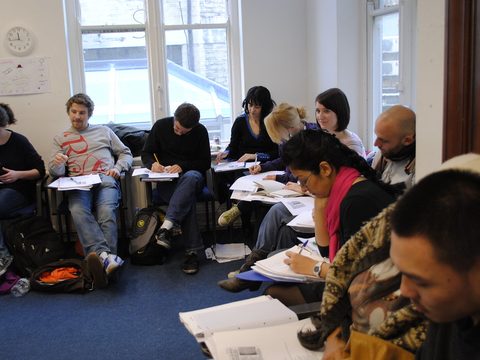 Many adults
_____ with a new language at first, but it gets easier with practice.
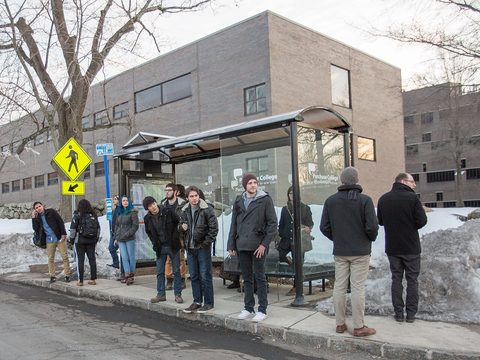 The bus was forty minutes late, so she started to
_____ her foot on the sidewalk again and again.
 I want to take your photo, so please
_____ for a moment and smile.
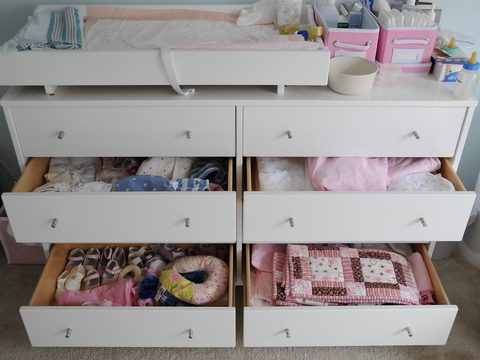 I keep my socks in the top
_____ of the dresser in my bedroom.
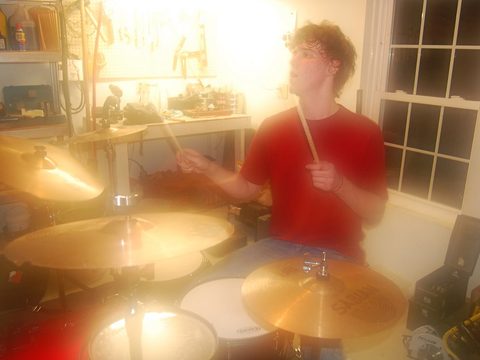 My neighbor has a rock band. He likes to
_____ at night, and every boom, boom, boom comes through my wall.
 At the end of the concert, the drummer threw his two
_____ to the crowd.
The boy who couldn't stay still
Watch the video: three minutes, with captions, and Clint tells his own story. At 01:48, pause and guess: what question is Mr. Jensen going to ask? Then watch to the end and read the story. The irregular verbs of Exercise 07 are in bold. Tap a dotted word to see what it means.
When Clint was about ten years old, school was hard for him. English, math and science were okay; his problem was staying still.
He tried to listen and focus in class, but he couldn't. His hands started tapping, and often he didn't even notice.
The tapping got him into trouble: his classmates told him to stop, the teachers yelled at him, and he was sent to the principal's office.
The principal had a simple idea: "Sit on your hands." So Clint went back to class, and when he felt the tapping start, he did it.
It worked for about five seconds. Soon Clint was tapping again, and one day Mr. Jensen, his teacher, yelled, "Clint, stay after class!"
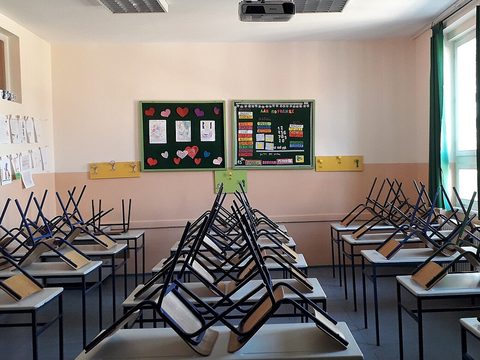
Clint thought he was in big trouble. After class, he sat with Mr. Jensen in the empty classroom, and the teacher called him to his desk.
Mr. Jensen looked him in the eye and said, "You're not in trouble. I have one question: have you ever thought about playing the drums?"
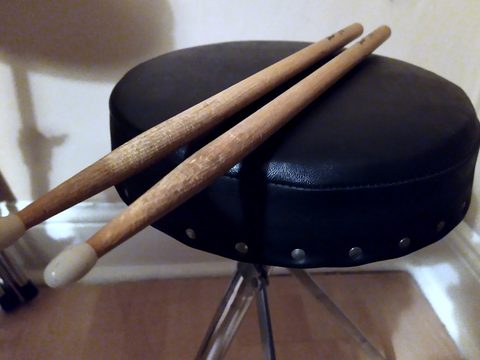
Then he opened a drawer in his desk and took out a pair of drumsticks. "You're not a problem," he said. "I think you're a drummer."
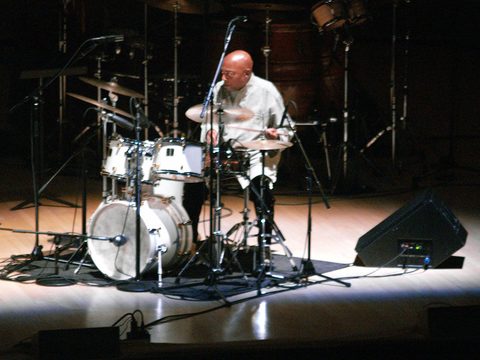
From that moment, Clint never put the sticks down. He played the drums around the world, and his music paid for his college education.
It all happened because one teacher saw something in him. Clint learned that the best in the world and the best for the world are not the same.
Multiple choice
The stamp shows the moment in the video. Click an answer and read why.

-
How old was Clint in this story? 00:05
He has a lot of memories from when he was a child, and this one is from school, when he was about ten years old. A child, not a teenager.
-
What did Clint struggle with at school? 00:15
English, math and science were not the problem. His problem was his body: it didn't want to stay still in class.
-
Clint tried to listen and focus in class. What happened? 00:25
His hands just started tapping. The other students looked at him and said, "Hey, stop tapping!", and a lot of the time he didn't even know he was doing it.
-
What did the teachers do? 00:36
First his classmates told him to stop. Then the teachers got angry too, and they yelled at him: "Clint, you have to stop tapping!"
-
Why did Clint go to the principal's office? 00:41
Not for a fight and not for his grades: for tapping. The problem got so big that the school sent him to the principal.
-
What was the principal's idea? 00:47
The principal told him to try sitting on his hands when he went back to class. With his hands under his body, he couldn't tap. That was the plan.
-
Did the principal's idea work? 00:59
Clint went back to class, and when he felt the tapping start, he sat on his hands. It worked, but only for about five seconds.
-
One day, Mr. Jensen yelled at Clint. What did he tell him to do? 01:08
"Clint, stay after class!" When the class ended, the other students left, and Clint stayed in the empty classroom with the teacher.
-
What did Clint think at that moment? 01:11
"This is it. I'm done," he thought. Mr. Jensen really wanted to help him, but Clint didn't know that yet.
-
How did Mr. Jensen see Clint? 02:08
He took a pair of drumsticks out of his desk and said, "You're not a problem. I think you're a drummer." Everybody saw the tapping; Mr. Jensen saw a talent.
-
What did Clint's music pay for? 02:33
He never stopped playing. He went on tour, made records and played the drums all over the world, and the money from his music paid for all of college.
-
Which sentence best summarizes the story?
The tapping was a problem for the students, the teachers and the principal. Mr. Jensen saw a drummer. Years later, Clint says there's a difference between being the best in the world and being the best for the world.
Put the story in order
Seven moments from the middle of the video (01:01 to 01:48), mixed up. Watch that part again and write the number of each one, from 1 (first) to 7 (last).
-
aThey were sitting there, in the empty classroom.
-
bMr. Jensen looked at him.
-
cThe teacher said Clint was not in trouble.
-
dMr. Jensen said, "Clint, come here. I want to talk to you."
-
eThen he wanted to ask Clint a question.
-
fHe yelled and told him to stay after class.
-
gOne time, Clint was tapping.
Irregular verbs in the past
These ten past forms are all in the video. Write the base form of each verb: the infinitive, with or without to.

No -ed, no rule. Regular verbs just take -ed: tap → tapped, yell → yelled. Irregular verbs change, and you learn them one by one. Clint's story has ten of them, and you use them every day.
- Regular verbs: verb + -ed: work → worked · stop → stopped · try → tried.
- Irregular verbs: the verb changes: take → took · come → came · eat → ate · give → gave · write → wrote.
- Groups help: buy → bought, bring → brought and fight → fought all end in -ought.
- Some verbs don't change: put → put · cut → cut · read → read (you say "red").
- One form for everybody: I came, you came, she came, they came. No -s, no changes.
- Negative and question: didn't / Did + base form, for regular and irregular verbs: She didn't come. · Did you buy it? Never didn't came.
-
couldThe base form is …
-
gotThe base form is …
-
sentThe base form is …
-
wentThe base form is …
-
feltThe base form is …
-
didThe base form is …
-
thoughtThe base form is …
-
saidThe base form is …
-
paidThe base form is …
-
sawThe base form is …
The exact words
Watch the last part of the video again, from 01:48 to the end. Complete each sentence with the words you hear. Some sentences have two gaps: write the first one in the first box and the second one in the second box.
-
aMr. Jensen asked Clint, "Have you ever ___ the ___?"
-
bHe opened the top ___ of his desk and pulled out a pair of ___.
-
cMr. Jensen told Clint, "You're not a ___."
-
dClint played the drums ___ over the ___.
-
eHe paid for his ___ with the money he got from music.
-
fHe learned that there's a difference between being the best ___ the world and being the best ___ the world.
Clint's story in the past
Put the verb on the left in the past simple. The last two need didn't or did: look at the grammar box in Exercise 07.

-
feelThanks to Mr. Jensen, Clint ___ that somebody believed in him.
-
sayClint always remembers what Mr. Jensen ___ to him.
-
canThe teacher believed Clint ___ play the drums.
-
getWhen Clint ___ back to the classroom, he sat on his hands.
-
thinkHe ___ Mr. Jensen would be angry with him.
-
sendOne day, he was ___ to the principal's office.
-
payClint ___ for his college education with the money from his music.
-
goHe ___ to a lot of places around the world with his drums.
-
seeMr. Jensen ___ that Clint could have a talent.
-
doThe principal told Clint to sit on his hands, and Clint ___ it.
-
not / noticeA lot of the time, Clint ___ that he was tapping.
-
Mr. Jensen / giveWhat ___ Clint? — His first pair of drumsticks.
One moment, one teacher
Part A is about the video. In Part B, interview a partner (or me) and answer in the past simple, with one more detail: when, where or why. Part C is for your opinions.
Useful language
A letter to your favorite teacher
50–80 words. Write an informal letter to your favorite teacher to thank him or her for something he or she did. Follow the steps: your address and the date at the top; Dear Mr. / Ms. / Mrs. …; I am writing this letter to say …; what the teacher did and how it helped you; Kind regards, and your name. Use words from this lesson and some verbs in the past.

My results
Check your score, then copy it and send it to your teacher on WhatsApp.

One job for this week. Think of a person who saw something in you. Say three sentences about him or her out loud, with three verbs from today: I thought…, She saw…, He said… Thirty seconds, in English.