What Is Ramadan?
Thirty seconds of video, one special month, and one family on its first day. Eight words to talk about Ramadan, and be able to: another way to say can.
Warm-up
Ask and answer with a partner, or with me. Tap a card when you have answered it.

Thirty seconds, one big idea. Today's video explains Ramadan in half a minute. You learn the words to talk about it, and a new way to say can: be able to.
Useful language
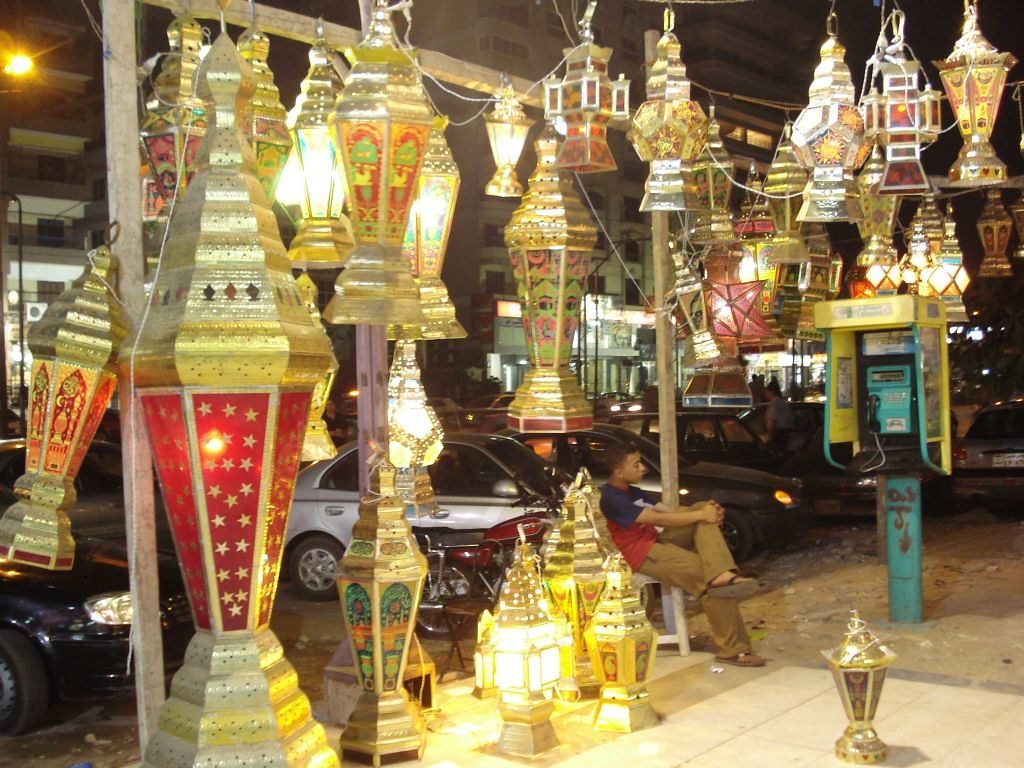
Words for Ramadan
Click a word, then click its meaning. Correct pairs turn green. The audio button says the word.
Complete the sentences
Click a word in the bank, then click a gap. Click a filled gap to clear it. Read the whole sentence first: the clue is always inside it.

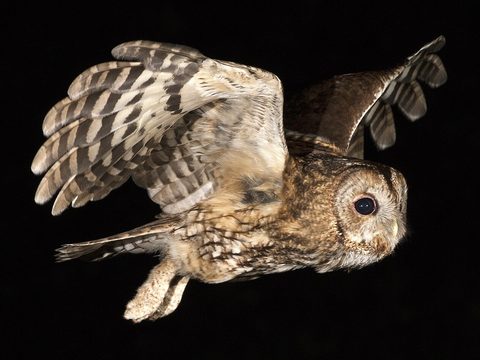 Owls sleep all day and hunt from
_____, when the sky is dark.
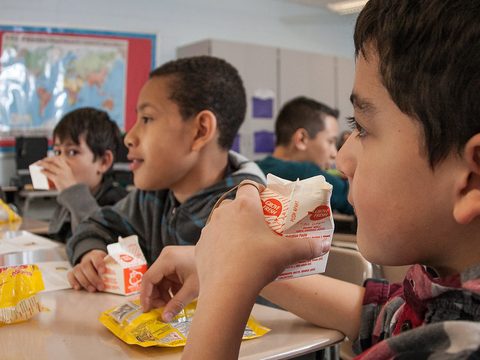 Milk, eggs, fish and vegetables give children the
_____ they need to grow strong.
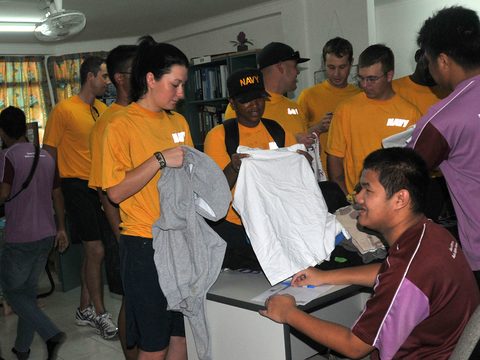 Every December, our school collects old clothes and toys for
_____, and we give them to families who need help.
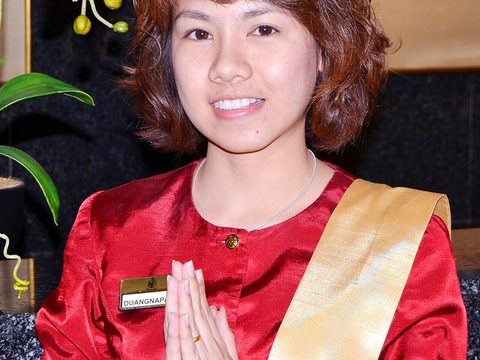 At the door, the hotel staff
_____ every guest with a big smile and a warm "Good morning!"
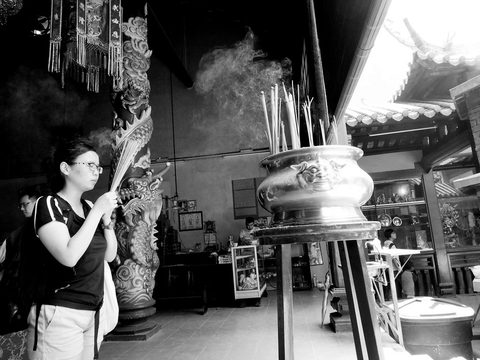 Churches and temples are places of
_____: people go there to pray and sing.
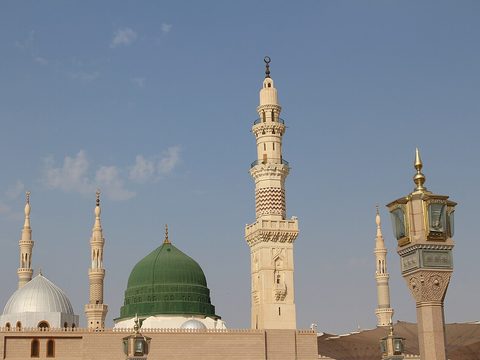 The
_____ in our town has a tall tower and a big green dome. Muslims go there to pray on Fridays.
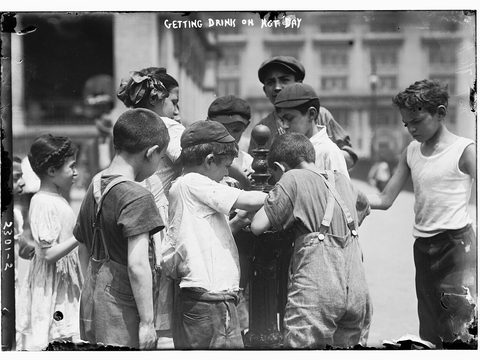 On hot days, good
_____ is important: drink a glass of water every hour.
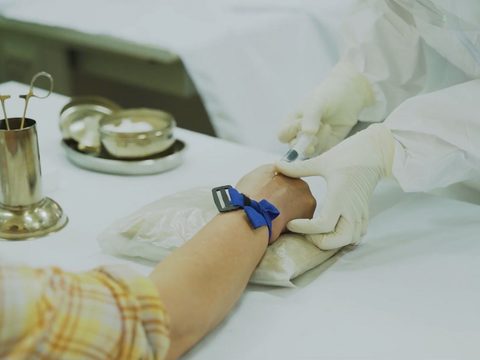 Before the blood test, the doctor asked for a twelve-hour
_____: no food at all after dinner.
Amina's first day of Ramadan
Watch the video first: thirty seconds, with captions. Then read the story and listen to it. Amina and her family are not real people, but everything they do in Ramadan comes from the video. The forms of be able to are in bold. Tap a dotted word to see what it means.
It is the first day of Ramadan, the ninth month of the Islamic calendar. Before dawn, Amina and her husband, Omar, are awake in the kitchen.
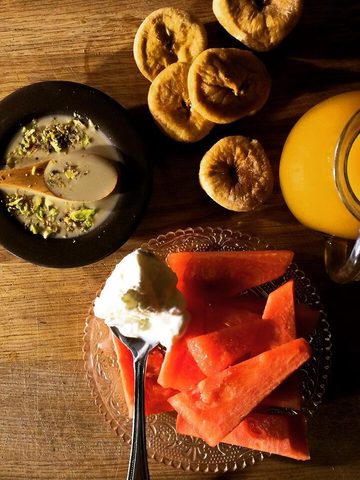
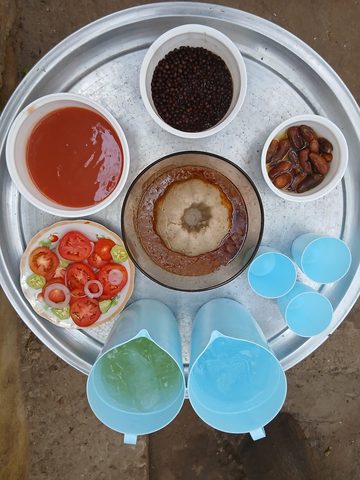
They eat now, in the dark, because Ramadan is a time of worship. Muslims who are able to fast eat and drink only from sunset till dawn.
At dawn, Omar stops eating, and his fast begins. But Amina pours another glass of milk and eats one more piece of bread.
This year, Amina isn't able to fast: she is pregnant. Her baby needs nourishment and hydration all day, not only at night.
Still, Amina wants to take part in Ramadan. Muslims who aren't able to fast can focus on charity, reflection and acts of service, so she makes a plan.
Charity comes first: after breakfast, she fills three bags with rice, flour and oil for families who don't have enough food.
She takes the bags to the mosque. There, volunteers are cooking an evening meal for poor families, so Amina stays and helps: an act of service.
In the afternoon, she goes home to a quiet house: perfect for reflection. She sits by the window and thinks about her life and her baby.
When the sun goes down, Omar's fast ends. Hungry and thirsty, he drinks his first glass of water since dawn, and the family eats.
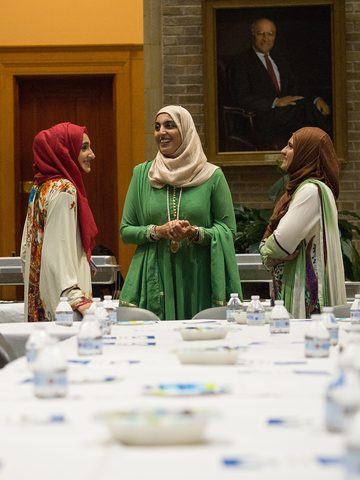
Later, friends from the mosque kitchen visit, and the women greet each other with "Ramadan Mubarak!" Amina isn't able to fast, but she is still part of Ramadan.
Multiple choice
Some questions are about the video, and the stamp shows the moment. The others are about Amina's day. Click an answer and read why.

-
Which month of the Islamic calendar is Ramadan? 00:03
It is the first fact in the video: Ramadan is the ninth month of the Islamic calendar. Amina's story happens on its first day.
-
Why are Amina and Omar eating in the kitchen before dawn?
Muslims who are able to fast eat and drink only from sunset till dawn. So this meal in the dark is Omar's last one until the evening.
-
During Ramadan, when can fasting Muslims eat and drink? 00:11
Food and water come at night, from sunset till dawn. From dawn till sunset is the time of the fast: that is the trap in the second answer.
-
What happens at dawn?
Omar stops eating, and his fast begins. Amina pours another glass of milk and eats one more piece of bread.
-
Why isn't Amina able to fast this year?
Her baby needs nourishment and hydration all day, not only at night. Health is one of the reasons in the video.
-
Why are some Muslims not able to fast? 00:13
The video says "personal or health reasons". A pregnant woman, like Amina, or a person who is sick are two examples.
-
If a Muslim can't fast, what can he or she focus on? 00:20
The video names three other ways: charity, reflection and acts of service. They are the three parts of Amina's plan.
-
What is the first part of Amina's plan?
Charity comes first: three bags with rice, flour and oil. The window comes later, in the afternoon. And a lunch for Omar? He is fasting!
-
Why does Amina stay at the mosque?
The volunteers are cooking an evening meal for poor families, so she stays and helps. That is her act of service, the second part of her plan.
-
When does Amina have time for reflection?
After the mosque, she goes home, and the house is quiet. She sits by the window and thinks about her life and her baby.
-
How do Muslims greet each other during Ramadan? 00:25
"Ramadan Mubarak" is the special greeting of this month. At the end of the story, Amina and her friends greet each other with it.
-
Which sentence best summarizes the story?
Omar fasts, but Amina can't. So she follows the video's other ways: charity in the morning, service at the mosque, reflection in the afternoon. At night, she is still part of Ramadan.
Listen for the words
Each sentence tells an idea from the video in new words. Write the missing word from Exercise 02, then play the video and listen at the stamp to check.
-
aRamadan isn't only a month on the calendar: it is a time of ___. 00:06
-
bOnly Muslims who are able to ___ go all day without food or water. 00:08
-
cPeople who fast get their ___, the food they need, at night. 00:09
-
dThey get their ___, the water they need, at night too. 00:10
-
eThe time for eating and drinking is from ___. 00:11
-
fSome Muslims can't ___ because of their health, or for personal reasons. 00:13
-
gThey can focus on other things, like ___, reflection and acts of service. 00:20
-
hDuring Ramadan, Muslims ___ each other with the words "Ramadan Mubarak". 00:25
Be able to
Read the box, then choose the correct form in each sentence and read why.

Same meaning, more forms. Be able to means can. But can never changes, and be able to changes with the person and the time: am, is, are for now, was, were for the past.
- Now: I am able to swim. · He is able to cook. · We are able to help.
- Negative: I'm not able to … · She isn't able to … · They aren't able to …
- Question: Are you able to come? — Yes, I am. / No, I'm not.
- Past (= could / couldn't): I was able to run fast as a child. · They weren't able to sleep.
- After able to, the base verb: able to fast, not able to fasts or able to fasting.
- Careful: be able to is for ability and possibility. For a rule (permission), use can: You can't run by the pool.
-
My grandmother ___ read without her glasses.
My grandmother = she, so is + not. Without is, there is no verb: not able to alone is wrong.
-
___ you able to cook rice?
The question starts with the verb be: Are you able to…? The answer is Yes, I am or No, I'm not.
-
Yesterday we ___ see the sunset. There were too many clouds.
Yesterday asks for the past, and we takes were: we weren't able to.
-
Is your brother able to ___ Arabic?
After able to, the verb has no -s and no -ing: able to read.
-
Which sentence means the same as "She can drive a truck"?
All three words are necessary: is + able + to. The other two sentences lose is or to.
-
In which sentence can you NOT change can to be able to?
In the library, can't is a rule: it is not permitted. For rules we use can. The guitar is ability, and the noise is possibility, so there be able to is fine.
-
Last night I ___ sleep. The neighbors had a party.
Last night is the past, and with I the past of be is was: I wasn't able to sleep.
-
___ you able to finish the test yesterday?
A question in the past with you: Were you able to…? No did, because the verb is be.
Say it with be able to
Write the sentence again with be able to in the right form: am, is, are, was or were. Keep the rest of the sentence. The words in italics only give you the situation: rewrite only the sentence with can or could.
-
aShe can speak Arabic.
-
bI'm pregnant. I can't fast during Ramadan.
-
cI can fast and pray during Ramadan.
-
dThey cannot eat during daylight hours.
-
eCan you read Arabic?
-
fWhen I was six, I could ride a bike.
-
gMy grandfather couldn't swim.
-
hHe's working late. He can't come to dinner tonight.
Special days, special months
Part A is about the video and the story. In Part B, talk about your country and your life. Part C is for your opinions; its last card is a small research task to present in class. Tap a card when you have talked about it.

Useful language
Then and now
40–70 words. Write three things you were able to do as a child, and three things you are able to do now. Use was able to, wasn't able to, am able to and I'm not able to. Example: As a child, I was able to sleep ten hours a night.
My results
Check your score, then copy it and send it to your teacher on WhatsApp.

One job for this week. Every day, say two sentences out loud: one thing you were able to do as a child, and one thing you are able to do now. Thirty seconds, in English.