Five Reasons Why You Should Never Skip Breakfast
One terrible Monday with no breakfast, five reasons from a health article, and one small word that says you have as much as you need: enough.
Warm-up
Ask and answer with a partner, or with me. Tap a card when you have answered it.

Breakfast: yes or no? Today you read about a very bad Monday with no breakfast, you learn five reasons never to skip it, and one small word: enough.
Useful language
Words from the article
Click a word, then click its meaning. Correct pairs turn green. The audio button says the word.
Complete the sentences
Click a word in the bank, then click a gap. Click a filled gap to clear it. Read the whole sentence first: the clue is always inside it.

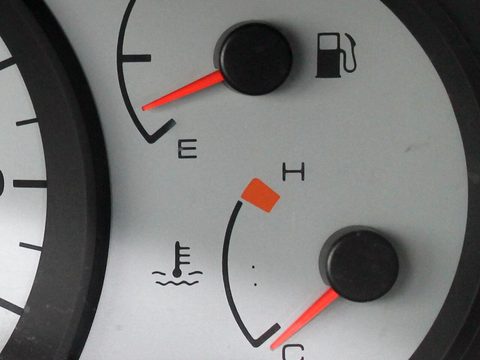 The car stopped in the middle of the road: there was no
_____ in the tank.
 After work, I still have my
_____: I wash the dishes, feed the cat and take out the trash.
 Wear a hat and
_____ the midday sun: it can burn your skin in minutes.
 Bright light makes my
_____ worse, so I close the curtains and lie down until my head stops hurting.
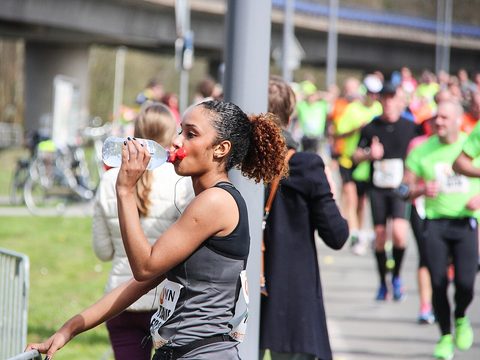 Before the race, she had a sports drink full of
_____, a kind of sugar that gives quick energy.
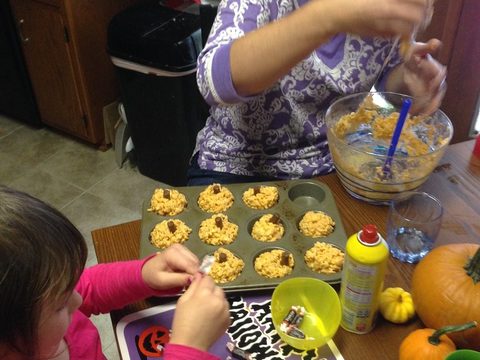 I usually go to the gym on Tuesdays, but today is my daughter's birthday, so I'm going to
_____ it and bake a cake with her.
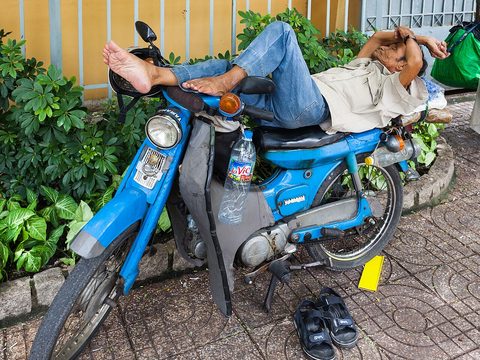 Long, hot afternoons fill me with
_____. I'm not sick, just too tired to do anything.
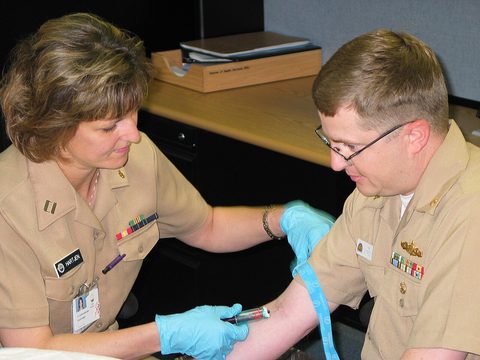 Before the blood test, the nurse asked for a
_____: no food after dinner, only water.
A Monday without breakfast
Read the story and listen to it. Nina is not a real person, but everything her doctor says comes from the article. Enough is in bold. Tap a dotted word to see what it means.
On Monday morning, Nina's alarm doesn't ring. She wakes up at 8:40, and her work starts at nine, so she skips breakfast and runs out the door.

Her last meal was dinner at eight the night before. So her overnight fast is now more than twelve hours long, and her body has no fuel.
Without fuel, lethargy arrives quickly. At her desk, Nina isn't energetic enough to work well, and she forgets the numbers from an important meeting.
By eleven, she is in a bad mood, and her head hurts badly. An empty stomach is a common trigger for a migraine.
At lunch, she is so hungry that she eats two big plates of pasta and a chocolate cake: much more than usual.
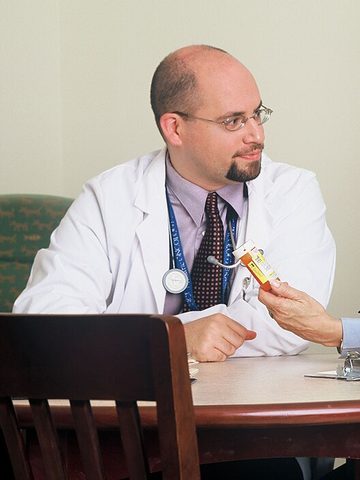
The migraine lasts all afternoon, so the next morning, Nina visits her doctor and tells him about her terrible Monday.
Breakfast, the doctor explains, ends the overnight fast and brings glucose back up. Without it, people tend to eat much more at lunch and gain weight.
One bad morning is not dangerous, he says, but the habit is. Over the years, it can lead to diabetes, high blood pressure and heart disease.
So the doctor gives Nina a simple plan: eat within an hour of waking up, avoid heavy food, and choose eggs, fruit, nuts or cereal.
Now Nina's alarm rings at seven. She eats eggs and fruit before work, has a snack every two hours, and has enough energy all day.
Multiple choice
Twelve questions about Nina's story. Click an answer and read why.

-
Why does Nina skip breakfast on Monday?
She wakes up at 8:40, and work starts at nine. Twenty minutes is not enough time for breakfast. The article asks the same question: do you skip breakfast because you wake up late?
-
When Nina runs out the door, how long is it since her last meal?
Dinner at eight in the evening, and she leaves at 8:40 the next morning. That is her overnight fast. Break + fast: the first meal of the day "breaks" the fast, and that is where the word breakfast comes from.
-
What happens at Nina's desk?
No fuel, so lethargy comes. The article says that people who skip breakfast often have poor memory skills and feel very tired.
-
Why does Nina's head hurt at eleven?
The article says that skipping breakfast is one of the worst triggers for a migraine. Not drinking enough water is another one, so drink water too.
-
What does Nina eat at lunch?
Two big plates of pasta and a chocolate cake. Later, the doctor explains it: people who skip breakfast tend to eat much more at lunch. The article calls it a vicious circle.
-
Why does Nina visit her doctor?
The headache doesn't go away, so the next morning she goes to the doctor and tells him about her terrible Monday.
-
According to the doctor, what does breakfast do for the body?
Breakfast takes lethargy away; it doesn't give it. The article adds that a healthy breakfast lowers stress, too.
-
What does the doctor say about one bad morning without breakfast?
The problem is a habit, over the years. The article says that people who skip breakfast have higher blood sugar at lunch, and people who eat a healthy breakfast have a much lower risk of heart problems.
-
In the doctor's plan, when should Nina eat breakfast?
Within an hour means in one hour or less. At least an hour after means one hour or more: the opposite. Waking up at 7:00, Nina eats before 8:00.
-
What kind of breakfast does the doctor recommend?
"Avoid heavy food." The article says the same: not a heavy breakfast, but cereal, milk, nuts, eggs, fruit and other foods with a lot of protein.
-
How often does Nina have a snack now?
Health experts in the article usually recommend eating something every two hours. Two, not three.
-
Which sentence best summarizes the story?
The whole story is one chain: no breakfast, no fuel, a bad morning, a migraine, a big lunch, a doctor and a new plan. At the end, she has enough energy all day.
The article's five reasons
The article has five short parts, one for each health problem: diabetes, weight gain, heart disease, migraine, and mood and memory. Read each fact and choose its part.
-
Nina is in a bad mood, and she forgets the numbers from the meeting.
A bad mood and a poor memory: that is the brain, not the head pain. The article says breakfast is important for your mood and your energy.
-
An empty stomach can trigger a very bad headache.
A very bad headache is a migraine. So the article's advice is: leave the house only after a light meal.
-
People who skip breakfast tend to eat much more at lunch, day after day.
Eating much more, day after day, brings more weight. That is Nina's big lunch, but every day.
-
Studies show that people who skip breakfast have higher blood sugar at lunch.
Sugar in the blood is the clue. The article says that skipping breakfast can bring a risk of type 2 diabetes.
-
The habit can bring high blood pressure and high cholesterol, and slowly, they hurt the heart.
High blood pressure and high cholesterol grow slowly into heart disease. The article says a healthy breakfast means a much lower risk of heart problems.
Expressions from the article
These five expressions come from the article. Read each new sentence and choose the meaning.

-
"Open the windows to get rid of the smell of fish." Get rid of means…
You don't want the smell, so you make it go away. In the article, food helps your body get rid of lethargy.
-
"Teenagers tend to sleep late on the weekend." Tend to means…
It is what happens most of the time, not always. In the article, people who skip breakfast tend to eat much more at lunch.
-
"Too much stress can lead to health problems." Lead to means…
First the stress, then, because of it, the health problems. In the article, skipping breakfast leads to high blood pressure and other problems.
-
"Cheese and loud music are triggers for my sister's headaches." Triggers are…
The cheese or the music comes first, and then the headache starts. For many people, no breakfast is a trigger for a migraine.
-
"Chess and crosswords are great for your memory skills." Memory skills are…
Your memory is what keeps names, numbers and facts in your head. Nina forgets the numbers from her meeting: poor memory skills.
Habits, food and illnesses
All these words come from the article. In each line, three words are in the same group: habits (verbs), food or illnesses. Find the word from a different group.
-
Which word is from a different group?
Eggs are food. Wake up, sleep and have breakfast are habits: things you do every day.
-
Which word is from a different group?
Diabetes is an illness. Cereal, nuts and cornflakes are all good breakfast food in the article.
-
Which word is from a different group?
Walk is a verb, a habit. Hypertension is another word for high blood pressure, so it is an illness, like the other two.
-
Which word is from a different group?
Skip is a verb: skip breakfast is a habit, and a bad one. Fruit, milk and eggs are food.
-
Which word is from a different group?
Eat is a habit. The other three are health problems that can come from a habit of skipping breakfast.
-
Which word is from a different group?
Heart disease is an illness. You sleep, eat and wake up every day: they are habits.
Enough
Read the box, then choose the correct answer and read why.

One word, two places. Enough means "as much as you need". It goes after an adjective or a verb, but before a noun: cheap enough, eat enough, enough eggs.
- After an adjective: This coffee isn't strong enough for my taste.
- After a verb: You don't eat enough. That's why you are always tired.
- Before a noun: We don't have enough eggs to make an omelet for breakfast.
- After enough: to + verb (strong enough to carry it) or for + a person or thing (strong enough for me).
- Not … enough means less than you need: The coffee isn't strong enough. = It is too weak.
- Careful: never enough before an adjective: strong enough, not enough strong.
-
"Nina isn't energetic enough to work well." Here, enough means…
Enough = sufficient, as much as you need. Nina's energy is less than she needs, so she can't work well.
-
In the same sentence, enough comes after…
Energetic is an adjective, like tired or active. With adjectives, enough comes after.
-
"She has enough energy all day." Here, enough comes…
Energy is a noun, and with nouns, enough comes first: enough energy, enough time, enough water.
-
Which sentence is correct?
Tall is an adjective, so enough comes right after it: tall enough. Then to + verb: to play.
-
Which sentence is correct?
Time is a noun, so enough goes before it, with nothing in the middle: no of.
-
My son is always tired. Which sentence is correct?
Sleep is the verb here, so enough comes after it, at the end: sleep enough.
-
Is the soup hot enough ___ you?
After enough, a person takes for: hot enough for you. To comes before a verb: hot enough to eat.
-
He's eighteen now, so he's old enough ___.
After adjective + enough, a verb takes to: old enough to vote. For is for a person or a thing, not a verb.
Put enough in the sentence
Write the whole sentence again with enough in the right place: after an adjective, after a verb or before a noun. Keep the rest of the sentence.
-
1I don't run to take part in a marathon.
-
2She is old to drive.
-
3We have bought milk.
-
4My breakfast was big to make me full.
-
5I don't exercise. I should do more.
-
6Is the air conditioning warm for you?
-
7Do we have money to buy the tickets?
-
8Some tablets are small to fit in your pocket.
-
9We don't have chairs for eight people.
-
10This milk isn't hot to make a cappuccino.
Breakfast around the world
Talk with a partner about the article's breakfast food first. Then guess what people eat for breakfast in six countries, watch the video and take notes. The video has no captions, so there are no right or wrong answers here: compare your notes. The times show when each country starts.

Useful language
Your mornings
Part A is about the story, the article and the video. Part B is about your mornings. Part C is for your opinions. Tap a card when you have talked about it.
Useful language
My mornings
40–70 words. Describe a normal morning in your life: what time you wake up, what you eat, and how you feel. Use enough three times: after an adjective, after a verb and before a noun. Example: I'm never hungry enough to eat at six.

My results
Check your score, then copy it and send it to your teacher on WhatsApp.

One job for this week. Every morning, say one sentence with enough out loud before you leave home: I have enough time for breakfast, or I'm not awake enough to talk! Ten seconds, in English.