How to Take Afternoon Tea Like a Real Brit
A British etiquette expert, a pot of loose-leaf tea and a lot of rules: how to stir, what to eat first, and why a knife never touches a scone. Plus the grammar of every etiquette guide: the imperative.
Warm-up
Ask and answer with a partner, or with me. Tap a card when you have answered it.

Tea time! Today a British expert shows you the rules of afternoon tea, step by step. His rules are tips, and tips have their own grammar: the imperative. Sit down, relax and have a cup of tea.
Useful language
Symbols of Britain
Read the clue and complete the name. Write the whole word or name.
-
The Q _ _ _ nHer face was on British coins and stamps for seventy years, until 2022.
-
B _ _ B _ _A famous clock in London. Its big bell rings every hour.
-
The U _ _ er _ r _ _ ndThe London subway: its trains run under the streets of the city.
-
_ _ aA hot drink made with leaves. In Britain, people often have it with milk.
On the tea table
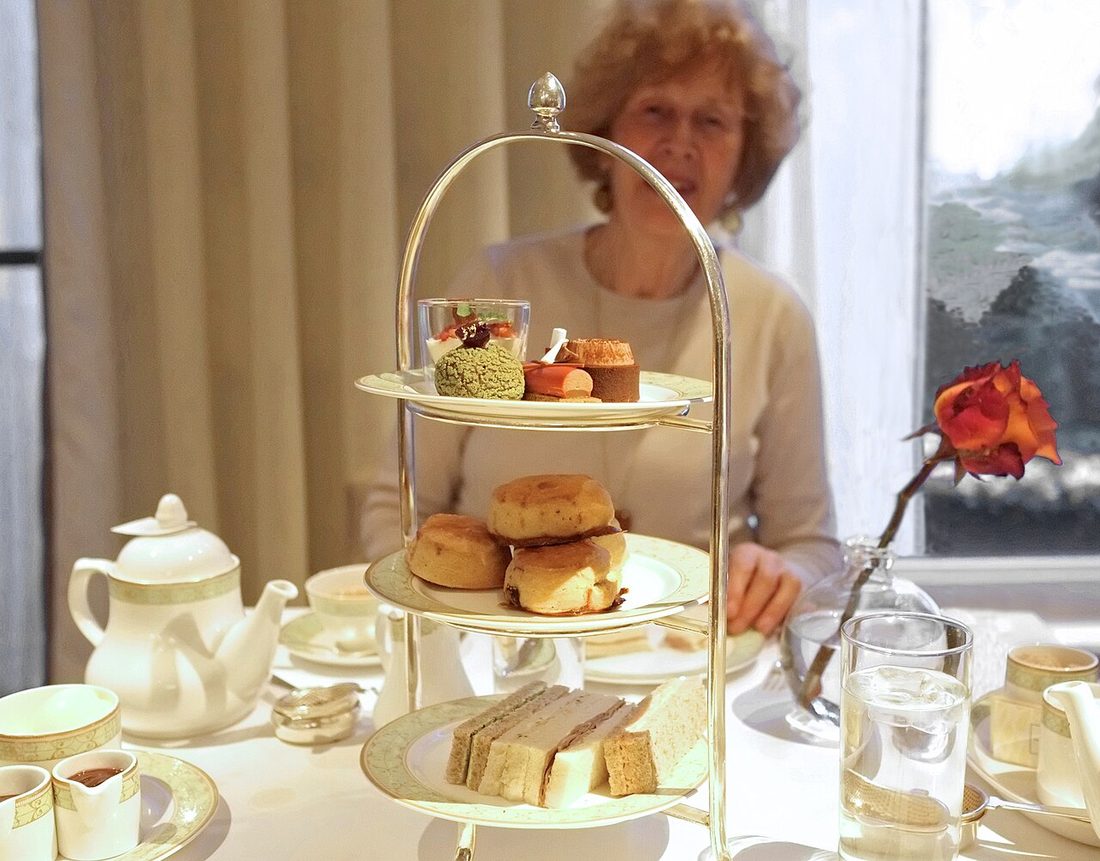
You can find all these things at an afternoon tea. Click a word, then click its meaning. Correct pairs turn green. The audio button says the word.
Complete the sentences
Click a word in the bank, then click a gap. Click a filled gap to clear it. Read the whole sentence first: the clue is always inside it.

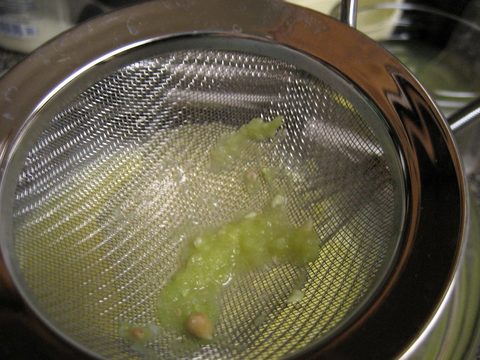 I pour my orange juice through a
_____ because I don't like the little bits of fruit in it.
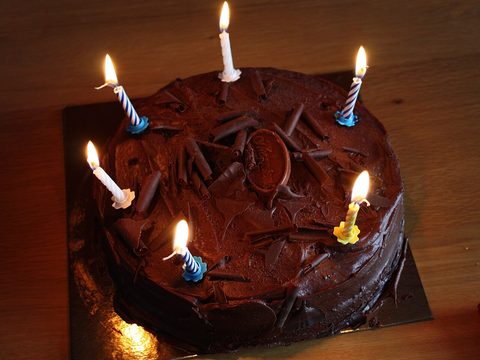 For the twins' birthday party, we bought two big chocolate
_____, one for each of them, with candles on top.
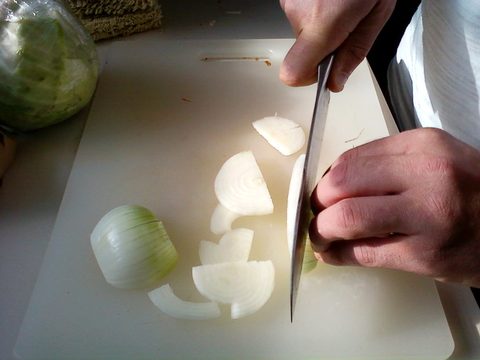 Be careful with that
_____: it's very sharp, and you can cut your finger.
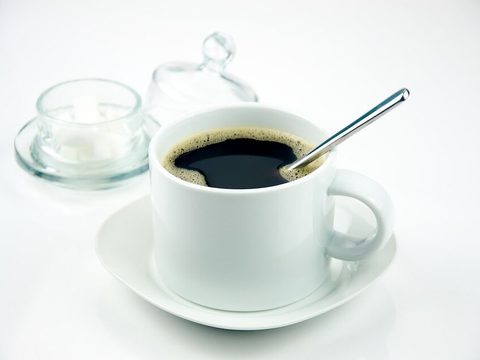 I never put
_____ in my coffee because I don't like sweet drinks.
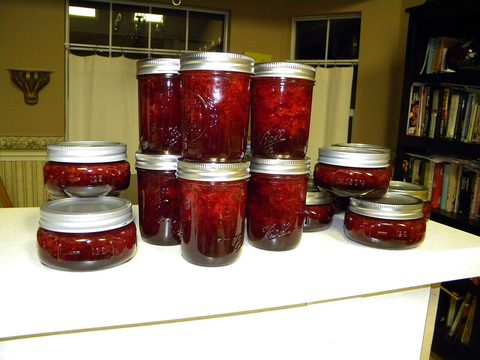 My grandmother cooks strawberries for hours and keeps the sweet
_____ in small glass jars.
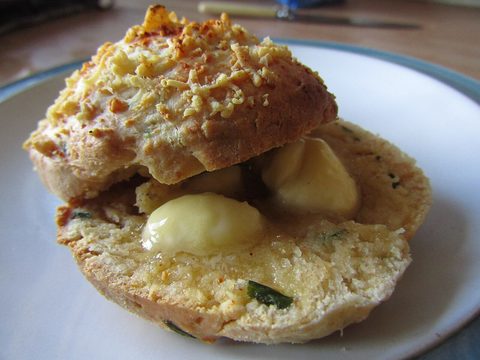 These small, round
_____ are not cakes: they are more like bread and not very sweet, so I eat them warm with butter and honey.
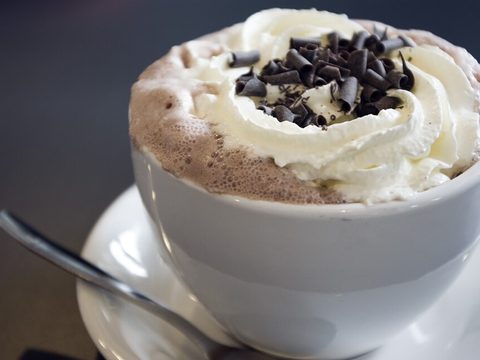 Whip the
_____ until it is thick and white, and then put a spoonful on your hot chocolate.
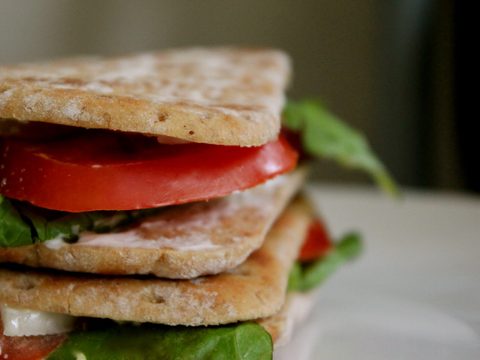 For lunch at the office, I usually make two
_____ with bread, cheese and tomato.
Tea with an expert
Watch the video first: about three minutes, with captions. Then read the story. His rules in bold are imperatives. Tap a dotted word to see what it means.
For William Hanson, a British etiquette expert, afternoon tea is the most British meal of all. So in a short video, he explains its rules.
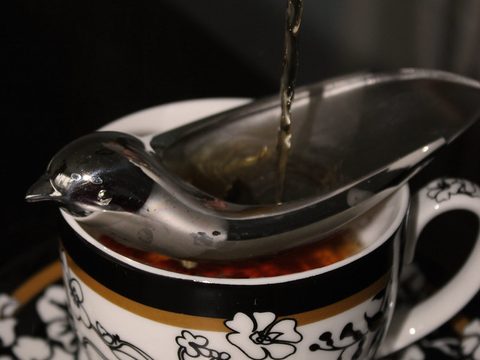
His guide starts with the tea. He uses loose-leaf tea, not tea bags, so he needs a strainer to catch the leaves before they fall into the cup.
Next, he stirs his tea, but never round and round. He moves the spoon gently back and forth: six, twelve, six, twelve.
This way, the tea doesn't splash, and his stirring looks much more elegant. Any sugar in the cup also mixes in faster.
The tea is ready, so the food can begin. First come the sandwiches, tiny and with no crusts: squares in a private house, rectangles in a hotel.
After the sandwiches comes his favorite part: the scones. And there is one big rule here: never use a knife on a scone.
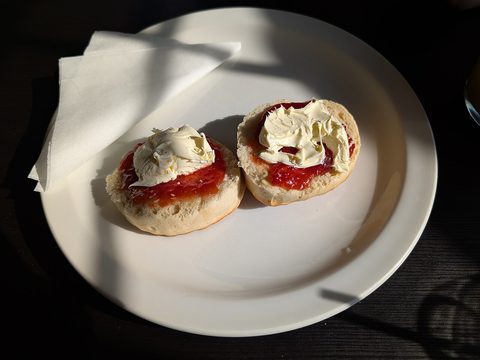
So how do you open a scone without a knife? Break it in half with your hands, and then put jam and cream on top.
Jam first or cream first? For him, it doesn't matter, except in the southwest of England: in Cornwall, cream goes on last, and in Devon, first.
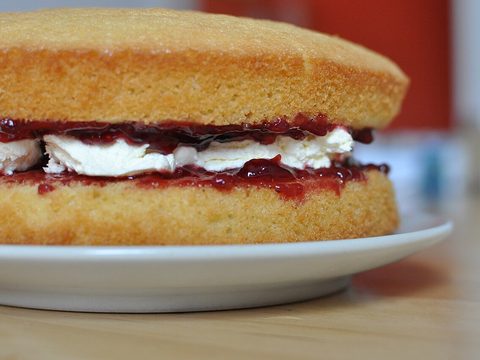
Finally, if you aren't too full, come the cakes. In a private house, there's only one: a Victoria sponge in summer or a fruit cake in winter.
You can eat your cake with your fingers. And with that, his guide is over: now you know how to take afternoon tea like a real Brit.
Multiple choice
The stamp shows the moment in the video. Click an answer and read why.

-
Who is William Hanson?
He knows all the rules of good manners. In the video, he takes us through afternoon tea, from the first cup to the last cake.
-
Why does he need a strainer? 00:30
Loose-leaf tea is dry leaves, with no bag. The strainer catches the leaves, so they don't go into the cup. For him, loose-leaf tea is the best choice.
-
How does he stir his tea? 00:41
"Six, twelve, six, twelve": the spoon goes from six to twelve, like the numbers on a clock, and back again. Round and round is exactly what he doesn't do.
-
Why does he stir that way? 00:52
He gives three reasons: no splashing, it looks a lot more elegant, and the sugar dissolves (mixes into the tea) a lot quicker.
-
When the food begins, what does he eat first? 01:04
The food starts with the sandwiches, then come the scones, and the cakes come last, not first.
-
What are the sandwiches like? 01:07
"Crusts cut off, of course," he says, and the sandwiches are as small as possible.
-
Where are the sandwiches rectangles? 01:11
In a private house, they are small squares. In a hotel, they are rectangles. Be careful: it is easy to mix up the two.
-
What is his big rule about scones? 01:30
"Never use a knife to cut into your scones." Just before that, he talks about the word itself: in Britain, people say scone in two different ways.
-
So how do you open a scone? 01:36
No knife, so you break the scone in half. Then each half gets its jam and cream.
-
Jam first or cream first? What does he say? 01:42
So people in England have different ways. In Cornwall, the cream goes on last; in Devon, it goes on first. Both places are in the southwest.
-
In a private house, what cake do you get in winter? 02:15
The Victoria sponge is the summer cake; the fruit cake is for winter. And in a private house, you get only one cake.
-
Which sentence best summarizes the story?
The story follows the meal in order: the tea, the stirring, the sandwiches, the scones and the cakes. Cornwall and Devon are only one small part of it.
Watch again
Watch the video again, from 00:28 to 02:40. Put the eight things from Exercise 02 in the order you hear them: 1 is the first one.
- 1 · _____
- 2 · _____
- 3 · _____
- 4 · _____
- 5 · _____
- 6 · _____
- 7 · _____
- 8 · _____
Three sentences from the video
Put the words in order and write the whole sentence. A question mark in the list means the sentence is a question. The stamp shows where to listen.
-
aclassic / what / British / could / be / more / tea / afternoon / than / a / ? 00:10
-
bthe / it / doesn't / which / jam / way / really / and / the / cream / go / matter 01:42
-
cway / you're / now / afternoon / to enjoy / correct / the / tea / able 02:37
The imperative
Read the box. Then complete the tips: click a verb in the bank, then click a gap.

Tips, rules, instructions: the imperative. Use the verb alone, with no you: Sit down. For a negative tip, put Don't before the verb: Don't run. Etiquette guides are full of imperatives, because they tell people what to do.
- Positive: Add a little milk. · Wash the cups.
- Negative: Don't + verb — Don't touch the cake! · Don't be late.
- Strong rules: Always + verb or Never + verb — Always knock before you come in. · Never leave the kettle on.
- Polite: add please — Please close the door. · Close the door, please.
- In the video, William often gives his rules with we + verb, in the present: we do this, we do that. A written guide says the same thing with the imperative: We clean the table. → Clean the table.
- _____ back and forth with your spoon, gently: six, twelve, six, twelve. 00:41
- _____ your tea round and round. 00:48
- _____ with the sandwiches. 01:04
- _____ a knife to cut into your scones. 01:30
- _____ the scone in half. 01:36
- _____ the jam and the cream on top, in any order. 01:42
Make it a tip
Write each sentence again as a tip, with the imperative. Keep the meaning: a "no" sentence becomes Don't + verb. Begin with the word on the left.
-
Don'tYou shouldn't talk with food in your mouth.
-
AlwaysIn our family, we always wash our hands before dinner.
-
WaitIt's polite to wait for everybody before you start eating.
-
Don'tPutting your elbows on the table is bad manners.
-
SayYou should say thank you to the cook.
-
NeverYou must never use your phone at the dinner table.
-
PleaseCan you pass me the salt, please?
-
Don'tEating with your mouth open is not nice.
Tea around the world
Drinking tea is not only popular in England. Read the box about six countries. Then write each rule as a tip: one verb, or Don't + verb.

- Japan: Adding milk or sugar is not rude, but your first sip should be pure tea, with nothing in it.
- England: After stirring, the spoon goes on the saucer, behind the cup, with its handle on the same side as the cup's handle.
- Argentina: Maté comes with a metal straw, the bombilla. It is only for drinking: mixing the maté with it is bad manners, because the leaves on top must stay dry.
- Morocco: When a shopkeeper offers you tea, business and prices wait until the glasses are empty.
- China: To thank the person who pours the tea, people knock lightly on the table with two fingers, two times.
- India: When someone first offers you tea, the polite answer is no. You say yes only when your host asks again.
-
1___ the bombilla to mix the maté.
-
2___ the tea pure before you add milk or sugar.
-
3___ about business or prices until the glasses are empty.
-
4___ tea the first time people offer it.
-
5___ the spoon on the saucer, behind the cup.
-
6___ two fingers lightly on the table to say thank you.
Whose rule is it?
Now say the country each rule is from. Click an answer and read why.
-
Rule 1, about the bombilla, is from…
Don't use the bombilla to mix the maté. In Argentina, the bombilla is a straw for drinking, not a spoon. If you mix with it, the dry leaves on top get wet.
-
Rule 2, about the first sip, is from…
Taste the tea pure before you add milk or sugar. In Japan, milk and sugar are not rude, but the first sip should be pure tea.
-
Rule 3, about business and prices, is from…
Don't talk about business or prices until the glasses are empty. In Morocco, when a shopkeeper offers you tea, it's first the tea, then the business.
-
Rule 4, about the first offer of tea, is from…
Don't accept tea the first time people offer it. In India, the polite first answer is no. You say yes when your host asks again.
-
Rule 5, about the spoon, is from…
Put the spoon on the saucer, behind the cup. It's the English rule: after stirring, the spoon's handle points the same way as the cup's handle.
-
Rule 6, about two fingers on the table, is from…
Tap two fingers lightly on the table to say thank you. In China, two light knocks say "thank you" to the person who pours your tea. No words needed.
Good manners, bad manners
Part A is about the video and the story. In Part B, say if each thing is good manners or bad manners where you live, and why. Part C is for your opinions. Tap a card when you have talked about it.
Useful language
My guide to good table manners
40–70 words. Write a short guide to good manners at the table in your country. Use the imperative: at least three positive tips and two with Don't or Never. Then present your guide to the class. Example: Wait for the cook to sit down. Never start eating alone.

My results
Check your score, then copy it and send it to your teacher on WhatsApp.

One job for this week. At dinner, give three tips in English, out loud: one positive, one with Don't and one with Never. Pass the rice, please. Don't burp. Never stir round and round!