TikTok Challenge
One man, one TikTok challenge and one rule: show it, don't say it. Eight things you find in a clean home, and the words that describe them: adjectives.
Warm-up
Ask and answer with a partner, or with me. Tap a card when you have answered it.

Your home talks about you. Today you read how a man answered a TikTok challenge with his home and no explanations, and you learn the words that describe things: adjectives.
Useful language
Things in the home
Click a word, then click its meaning. Correct pairs turn green. The audio button says the word.
Complete the sentences
Click a word in the bank, then click a gap. Click a filled gap to clear it. Read the whole sentence first: the clue is always inside it.

 My neck hurts every morning. I think I need new, softer
_____ on my bed.
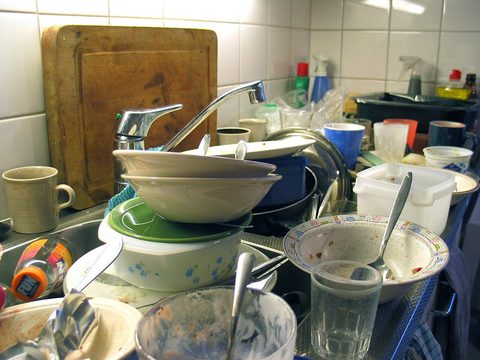 Don't leave your dirty cups on the table. Put them in the
_____, and I'll wash them later.
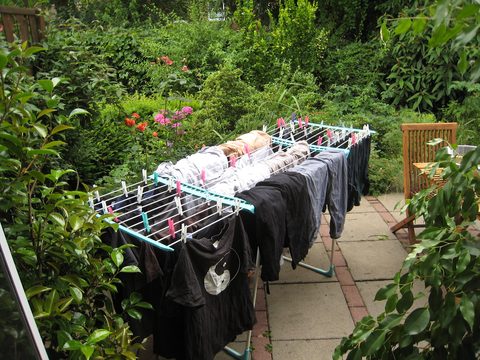 My T-shirts feel hard and rough after I wash them. Next time, I'm going to use some
_____.
 Every country has its own
_____ in its own colors, and people wave it at big soccer games.
 I just got out of the swimming pool, and I'm all wet! Can you pass me a
_____?
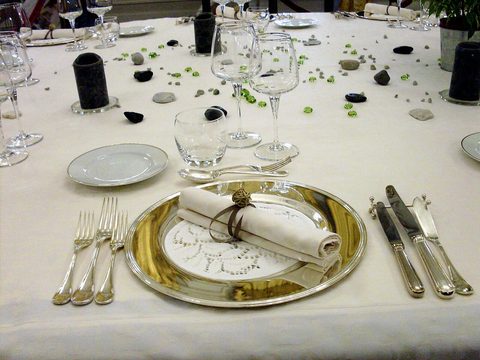 The plates and glasses are on the table. Now get the
_____ from the drawer: forks on the left, knives on the right.
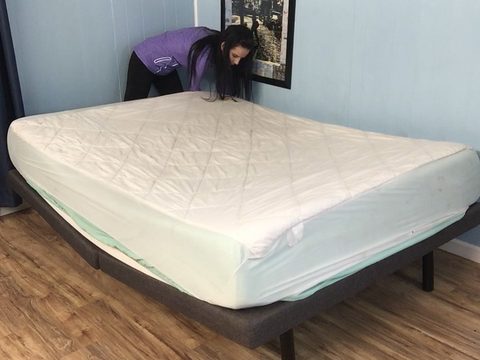 To make the bed, first put a clean
_____ over the mattress. Then add the blanket.
 We're cooking dinner for twenty people tonight. Are there enough big
_____ in the kitchen?
Show it, don't say it
Joel's video is on TikTok, so it can't play in this lesson: the story tells you what he shows and what he says. Tap a dotted word to see what it means.
A man called Joel from Nashville found a funny challenge on TikTok: "Tell me you're a man over 30 who has his life together without telling me."

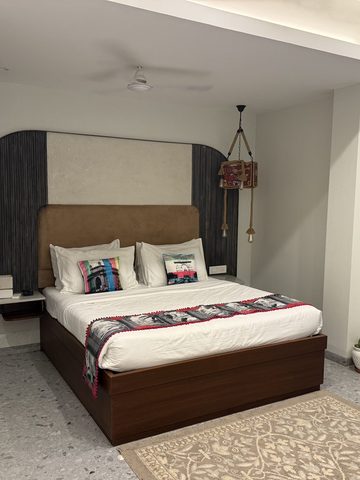
So he couldn't just say it with words. He had to show it with clues, and his own home was full of them.
He decided to take us on a tour of his home. He was a little late, because other people answered the challenge before him.
The tour started in the bedroom, with a bed frame, pillows and a fresh sheet. The sheet was really fresh: he washed it that same day.
Next, he showed his walls: art on them, and no flags. In this challenge, every small detail is a clue, even a missing flag.
Then the tour moved to the bathroom. Joel showed the hand soap, a towel, more towels and some other things. He called them "stuff."
After that, he showed his fabric softener. Then he gave the big news: his place was clean, and the sink was empty, with no dirty dishes.
And there was more: eight of everything, clean dish towels, pots and pans, and matching flatware. Every fork looked like the others.
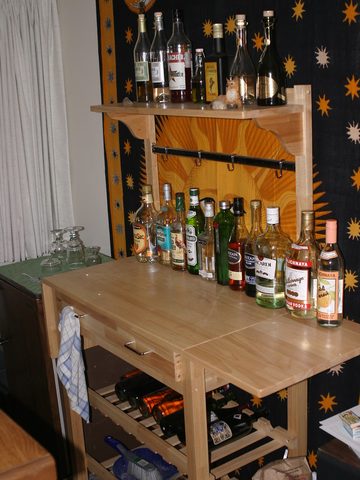
The last clue was a stocked bar. After all these clues, the message was clear: this man was organized, and he had his life together.
But at the very end, he said two more words: "I'm 32." So after all the clues, he told us with words too!
Multiple choice
Every answer is in the story. Click an answer and read why.

-
Where did Joel find the challenge?
On TikTok, people answer a challenge with a short video of their own. Joel answered this one with a tour of his home.
-
What did the challenge ask men over 30 to show?
To have your life together means to be organized and in control of your life. The challenge asked men over 30 to show it.
-
What was the rule of the challenge?
"Without telling me" is the rule: no explanations, only clues. So Joel needed something to show.
-
Why was Joel "a little late"?
Many people answered the challenge first. Joel was late, but he still wanted to try.
-
So how did Joel answer the challenge?
His home gave the clues, room by room: the bedroom, the walls, the bathroom and the kitchen things. "Let's take a tour," he said.
-
What was special about the sheet on his bed?
A fresh sheet is a clean one. His was very fresh: he washed it on the day of the video. Next to it, there were pillows and a bed frame.
-
Why does the story say that "even a missing flag" is a clue?
Joel didn't only show things. He also said what was not on his walls: "No flags." There was art on them instead. For the challenge, that was a clue too.
-
What did Joel show in the bathroom?
Hand soap, a towel, more towels and some other things. He called them "stuff": an informal word for things.
-
The sink was empty. What does that tell us?
An empty sink means that no dirty dishes are waiting: somebody washed them. The story doesn't say that he never cooks. It is one more clue: his place is clean.
-
What is "matching flatware"?
Matching = of the same style. Every fork looks like the other forks, and every spoon like the other spoons. After the flatware came the last clue: a stocked bar.
-
What did Joel do at the very end?
The rule was "don't say it", but in the last two words he said it! After all the clues, he told us with words too.
-
Which sentence best summarizes the story?
The whole story is one tour: the bedroom, the walls, the bathroom, the clean sink and the kitchen things. Every room is a clue. His age comes only in the last two words.
Correct the mistakes
These are Joel's words from the video, but each sentence has one mistake. Read the story again and write the correct word.
-
a"Bed frame, pillows, fresh sheet, I washed them yesterday."
-
b"Art on the walls. A lot of flags."
-
c"Here is my kitchen. Hand soap. Towel. Towels. Stuff."
-
d"Eight of everything. Dirty dish towels."
-
e"I'm 23."
Adjectives
Read the box. Then choose the answer and read why.

Two places, one form. An adjective goes before the noun, or after be. And it never changes: no -s, even with two towels.
- Rule 1 · adjective + noun: matching flatware · a stocked bar · a soft towel
- Rule 2 · be + adjective: The bathroom is clean. · The pillows are soft.
- No -s on adjectives: one clean towel, two clean towels. Never cleans towels.
- A or an? Look at the next word: a sink, but an empty sink · an apartment, but a nice apartment.
- Two adjectives after be: use and or but: The street is quiet and safe. · The kitchen is old but beautiful.
- American English: cozy (= warm and comfortable) · homey (= comfortable, like home). Careful: in the US, homely usually means "not good-looking"!
-
"Fresh sheet." "Empty sink." "Clean dish towels." Here, the adjectives are placed ___ the nouns.
Rule number 1: in English, the adjective normally comes before the noun: fresh sheet, empty sink. In some languages it comes after, but not in English.
-
"My place is clean." With be, the order is:
Rule number 2: first be (is), then the adjective (clean). My place clean is is wrong.
-
Which sentence is correct?
The order is a + adjective + noun: a big house. The adjective goes between a and the noun.
-
Which is correct?
Only the noun takes -s: chairs. The adjective never changes: one comfortable chair, two comfortable chairs.
-
My bedroom ___ small, but I love it.
An adjective after the noun needs be: My bedroom is small. Without is, the sentence has no verb.
-
We have ___ kitchen.
A or an depends on the next word, and here the next word is old, with a vowel sound: an old kitchen.
-
Which sentence is correct?
Two rules in one sentence: be + adjective, and no -s on the adjective, even with a plural noun.
-
You want to say that a place is warm and comfortable, like home. In American English, it is…
In American English, people say homey or cozy. In the US, homely usually means "not good-looking", so a homely place is not a compliment!
One sentence, not two
Join the two sentences into one. Put the adjective before the noun, and check the small word in front of it: a or an?
-
aI have a sofa. It is comfortable.
-
bWe have a kitchen. It is huge.
-
cHe sleeps in a bed. It is old.
-
dThey bought plates. The plates are white.
-
eMy grandma has a house. It's beautiful.
-
fThere's a window in my room. It's big.
-
gAna lives in an apartment. It is small.
-
hI have an armchair. It is cozy.
Put the words in order
Write the whole sentence about a home. Each one has an adjective: before a noun, or after be.

-
aliving room / cozy / is / our
-
bbut / the / small / house / is / homey
-
cvery / is / bed / comfortable / my
-
dbedroom / has / windows / my / big
-
ehuge / they / a / backyard / have
-
fapartment / beautiful / is / their / new
Adjective race
Play in teams, or against your teacher. Read a picture card and imagine the place. You have two minutes: write as many adjectives as you can for it. Then read your list. You get one point for every adjective that the other team doesn't have.
Useful language
Tell me without telling me
Your turn to do a TikTok challenge. Choose a card and give three to five short clues with an adjective and a noun, like Joel. Your partner guesses. Don't say the answer! Example for "Tell me you're a cook": Sharp knives. A huge pot. Hot pans.

Homes and clues
Part A is about the story. Part B is about you and your home. Part C is for your opinions. Tap a card when you have talked about it.
Useful language
My home
40–70 words. Describe your home. Use at least four of these adjectives: big, beautiful, comfortable, cozy, huge, small, homey. Put some of them before a noun (a small kitchen) and some after be (my bedroom is cozy).
My results
Check your score, then copy it and send it to your teacher on WhatsApp.

One job for this week. Walk around your home and say five things out loud, each with an adjective before the noun: a soft towel, a small window… Then say two with be: my kitchen is clean. Thirty seconds, in English.