Unbelievable Shocking Cultural Norms
Ten places, ten surprises, and one traveler who learns the rules the hard way. Plus four small words for rules: must, mustn't, have to and don't have to.
Warm-up
Ask and answer with a partner, or with me. Tap a card when you have answered it.

Every country has its own rules. Today one video takes you to ten places, and you learn four small words for rules: must, mustn't, have to and don't have to.
Useful language
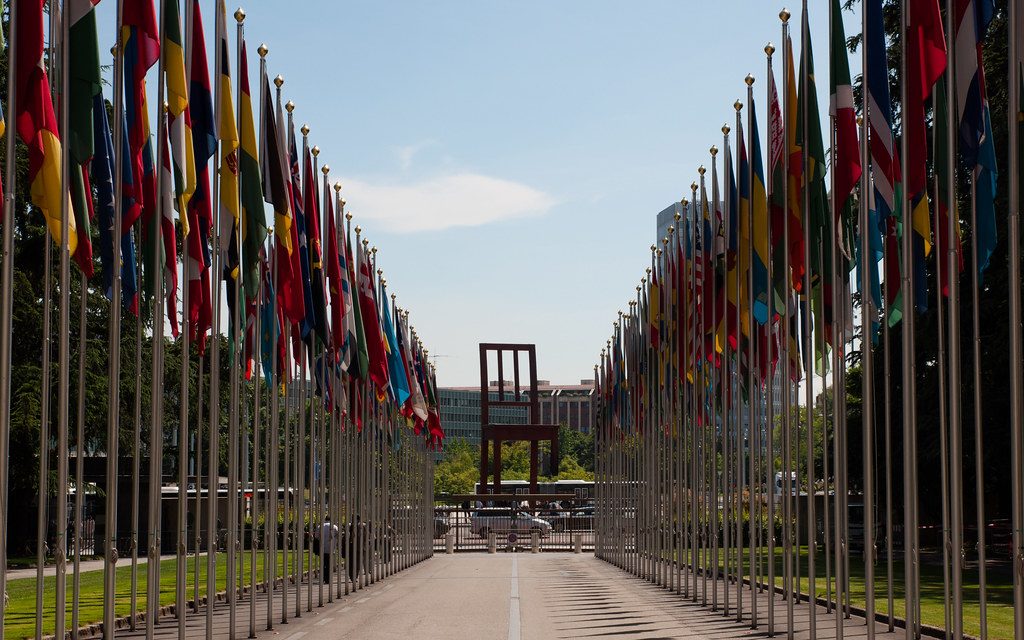
Ten places and their flags
Click a place, then click its flag. Use the audio button: how do you say each name? Careful: Bali is not a country. It is an island in Indonesia, with its own flag.
Words for travelers
Click a word, then click its meaning. Correct pairs turn green. The audio button says the word.
Complete the sentences
Click a word in the bank, then click a gap. Click a filled gap to clear it.

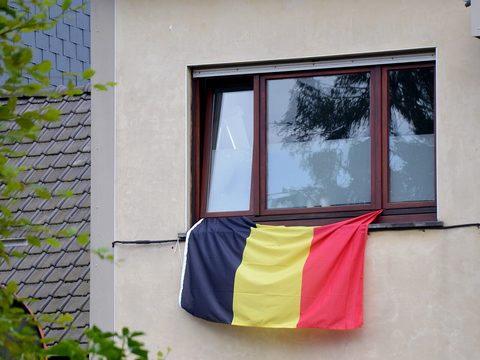 On Independence Day, many people put their country's
_____ outside the window.
 Before you leave the party, say thank you to the
_____. She cooked all the food!
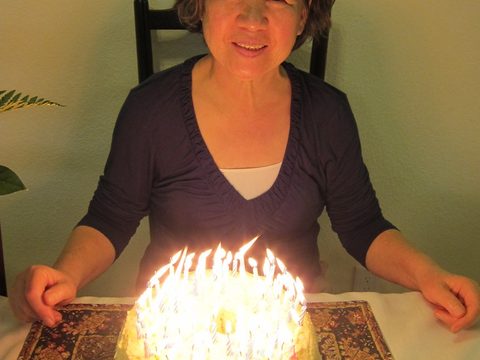 It's my mom's birthday tomorrow, and I still don't have a
_____ for her.
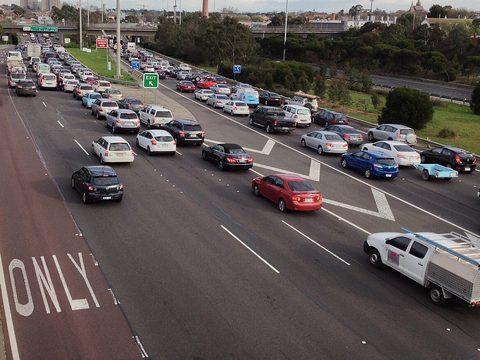 There was so much
_____ on the highway that the drive took three hours.
 The
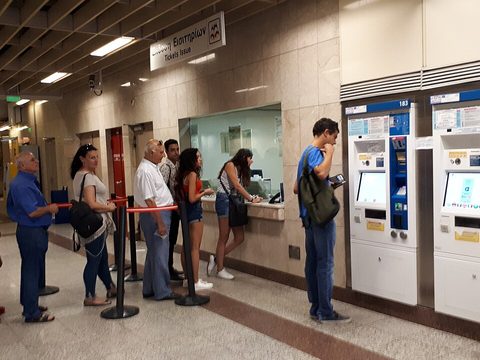
_____ at the ticket office was very long, so we waited for forty minutes.
 Don't take the subway at six. It's
_____, and the trains are full of people going home from work.
 The baby is tired, so let's put her in bed for a short
_____ after lunch.
 After the
_____, the family thanked everybody who came to say goodbye to their grandmother.
Nina's notebook
Watch the video first: almost seven minutes and ten places. Then read the story of one traveler who meets some of these rules. The words for rules are in bold. Tap a dotted word to see what it means.
Nina, a nurse from Brazil, finally begins her dream trip around the world. Her first stop is New York, in the United States.
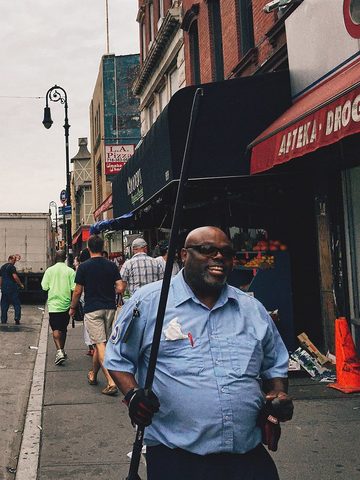
On her first morning, strangers on the street smile at her and ask, "How's your day going?" They don't wait for an answer, but Nina loves it.
So in London, she smiles at strangers and says hello to them, too. But people there only give her strange looks.
Only one woman smiles back: Molly, from Ireland. They have coffee together, and Molly invites Nina to her family's home in Dublin.
In Dublin, Molly's mother offers Nina tea and a piece of cake. Nina is hungry, so she says yes right away. Suddenly, everybody goes quiet.
Later, Molly explains: in many Irish homes, you mustn't say yes the first time. You say no, and you accept the second time.
Weeks later, in a hotel in Jordan, Nina tells a waiter, "I love your watch!" At once, he takes it off and offers it to her.
In Jordan and Iran, if someone likes what you wear, you have to offer it. Nina remembers Dublin, says no three times, and the waiter keeps his watch.
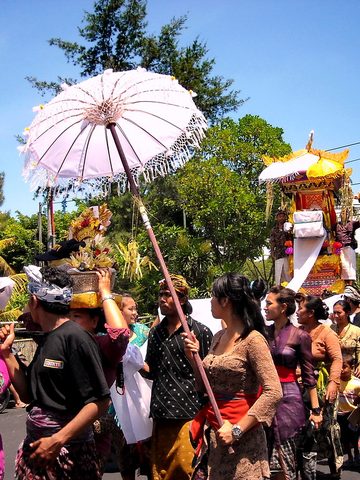
Tired of so many rules, Nina flies to Bali for a quiet week. On her first day, she sees a street full of music, songs and food.
She thinks it's a party, but it's a funeral! That night, she writes in her notebook: "You don't have to know every rule, but you must always ask."
Multiple choice
The questions are about the story. The stamp shows the moment in the video with the same idea. Click an answer and read why.

-
What is the first stop on Nina's trip?
Her trip around the world starts in New York. London comes next, and Dublin after that.
-
What do strangers in New York do? 03:04
"How's your day going?" In the video, people ask this but don't wait for the answer. It's a friendly hello, not a real question.
-
Why does Nina smile at strangers in London?
She loved the friendly strangers in New York, so she does the same thing in London.
-
How do people in London react? 03:15
In the video, an American who is friendly with strangers in Europe gets "weird looks". A strange look says: "Who is this person?"
-
How does Nina meet Molly?
Nina smiles at everybody, and only Molly smiles back. That smile starts a friendship, and the friendship takes Nina to Dublin.
-
Why does everybody at the table go quiet? 01:01
In Ireland, the video says, it's rude to say yes to food from the host the first time. Nina doesn't know this rule yet.
-
In many Irish homes, what do you do the first time someone offers you food? 01:08
You say no, and the host offers again. The second time, you can say yes. The video says you say no even when the food looks delicious.
-
What does the waiter do when Nina says she loves his watch? 02:25
In the video, this happens to a real traveler in a hotel in Jordan: he says he likes a waiter's watch, and the waiter takes it off right away.
-
Why does Nina say no three times? 02:34
In Dublin, Nina learned to say no first. The video says you say no at least three times before you accept a gift. Nina doesn't want the watch, so she never says yes.
-
Why does Nina fly to Bali?
After so many new rules, she wants to rest: "Tired of so many rules, Nina flies to Bali for a quiet week."
-
What does Nina think the funeral is? 05:47
Music, songs and food in the street: it looks like a party. In Bali, the video says, a funeral can look like a party or a wedding to a visitor.
-
The best title for this story would be:
Every stop teaches Nina a new rule, and at the end she writes the biggest one: ask. The watch is only one part of the story, and Nina doesn't look for a job.
Ten places, ten norms
What does the video say about each place? Guess first, then watch and check. Click a name in the bank, then click a gap. Remember: these are the video's ideas, and a country is never the same for everybody.
- _____ is a very diverse country, with many different cultures.
- In _____, if people say nice things about something you are wearing, you must offer it to them.
- In _____, you mustn't accept food or drinks the first time someone offers them.
- In _____, people are very friendly and smile at you, even when they don't know you.
- In _____, people stop during the day to sleep, and many stores close.
- In _____, you can drink in public, and many people think it's normal.
- In _____, you have to clean your house and the street outside it.
- In _____, funerals are like parties.
- In _____, the video says, you don't have to follow traffic rules: nobody checks.
- In _____, people often push and cut in line at busy times.
Watch again: one more thing about each place
Watch the video again, with captions on. The stamp shows the moment. Then compare your answers with a partner.
-
What is Croatia famous for, the video says? 00:18
Fans of the TV series Game of Thrones love it, the video says. Croatia is also famous for its clean streets (00:44): people clean the street outside their house, too.
-
Which other country, the video says, has a culture like Croatia's? 00:50
"Croatia is not an exception," the video says: countries like Spain have a similar culture of clean streets.
-
The video compares Ireland with a country where "no" means no. Which one? 01:18
In the US, if you say no and then yes, people can think you're a little strange. In Ireland, it's the normal way to accept food.
-
What happens on the roads of Lebanon, the video says? 01:54
Drivers go very fast, and nobody makes them follow the rules (01:48). The video also says Lebanon is famous for its food (01:35).
-
What is the name of the gift tradition in Iran? 02:15
Pishkesh is the gift you offer when someone likes your things. Siesta is the afternoon rest in Spain, and rush hour is the busy time of day.
-
Why do people push and cut in line in China, the video says? 03:50
With so many people, if you just wait for your turn, you never get a chance. The video says Japan is the opposite (03:59).
-
In India, what can surprise a visitor? 04:25
In India, this is a common way to show friendship: the men are good friends. The video also says India is very diverse, with many cultures (04:09).
-
In the US, what can happen if you ask for a beer in a family restaurant? 05:05
In Britain, drinking in public is normal for many people (04:49). The video says the US is very different.
-
When is siesta time in Spain, the video says? 05:31
At this time, the streets are empty and the stores are closed (05:25). A tourist can feel alone in the city.
-
Why do some families in Bali wait a long time for the funeral? 06:09
The family waits until it has the money, or until the village plans a group funeral, which costs less.
Must, mustn't, have to, don't have to
Look at the words in bold in Exercise 06. What does each one say? Read the box, then answer.

Four words for rules. Must and have to: you need to do it. Mustn't: you can't do it, it's not allowed. Don't have to: it's not necessary, you can choose. Careful: mustn't and don't have to are very different!
- must / have to + verb = a rule, an obligation, something necessary: Students must wear a uniform. · I have to wake up at six for work.
- mustn't (= must not) + verb = a prohibition, it's not allowed: You mustn't use your phone in the movie theater.
- don't have to + verb = it's not necessary, you can choose: We don't have to cook tonight. Dad is bringing pizza.
- Form: must is the same for every person, with no -s and no to. Have to changes: he / she / it has to · doesn't have to · Do you have to …? · Does he have to …?
- In conversation, Americans use have to much more than must. You see must a lot in rules and on signs.
- Not the same: You mustn't open the door = don't open it! · You don't have to open the door = open it only if you want.
-
"In Croatia, you have to clean your house and the street." What does have to say here?
Cleaning the street is something people expect you to do there: an obligation.
-
"In Ireland, you mustn't accept food the first time." What does mustn't say here?
Saying yes the first time is a mistake there: it's a prohibition. That's why the table goes quiet in the story.
-
"In Lebanon, the video says, you don't have to follow traffic rules." What does don't have to say here?
Nobody checks, so drivers can choose. It does NOT mean that following the rules is wrong.
-
"In Iran, you must offer it." Which words have almost the same meaning as must here?
Must and have to both say "it's necessary". Their negatives are very different, but the positives are almost the same.
-
"You don't have to bring food to the party." What does it mean?
Not necessary, but not wrong: you can choose.
-
"You mustn't bring food into the classroom." What does it mean?
It's against the rules. Compare it with the question before: one small word changes everything.
-
Which sentence is correct?
With he, she and it, have to becomes has to. And must never takes to.
-
Which question is correct?
Have to makes questions with do and does, like a normal verb.
-
"Tomorrow is Sunday, so Lucy ___ get up early." Choose the best words.
It's not necessary on a Sunday, so the meaning is don't have to. With she, it becomes doesn't have to. Mustn't would mean that getting up early is not allowed!
Complete with must, mustn't, have to or don't have to
Read the whole sentence first: the end tells you if it's a rule, a prohibition or not necessary. Sometimes two answers are possible.
-
aTo visit some countries, you ___ apply for a visa. It's obligatory.
-
bIn this park, you ___ drink alcohol. It's a prohibition.
-
cYou ___ take your passport if you are traveling inside the country. Take it only if you want.
-
dYou ___ show your ID before you enter the museum. It's a rule.
-
eYou ___ pay in this theater. It's not necessary.
-
fIn this country, you ___ wear shorts in religious buildings. It's a prohibition.
-
gYou ___ show your ticket on the train. It's a rule.
Say the names: where is the stress?
Listen with the audio button and say the name out loud. Which part is the strongest? The capital letters show it.

-
Croatia
The worksheet writes it /krəʊˈeɪ.ʃə/: the small mark ˈ comes before the strong part. It sounds like "kroh-AY-shuh".
-
Lebanon
/ˈleb.ə.nən/: the strong part is the first one, LEB. The other two are weaker.
-
India
/ˈɪn.di.ə/: strong at the start, IN-di-a, and the last two parts are very short.
-
Which name has the stress on the second part?
i-RAN (/ɪˈrɑːn/), but CHI-na and BA-li. Listen to the three names again in Exercise 01.
-
Ireland starts with the same sound as…
/ˈaɪə.lənd/: "EYE-er-lund". The letters Ire sound like eye, not like ear.
-
America
/əˈmer.ɪ.kə/: the strong part is the second one, and the first a is very short.
-
In the United Kingdom, which part is the strongest?
/juˌnaɪ.tɪd ˈkɪŋ.dəm/: the United KING-dom. In a name with two words, the last word is usually the strongest.
Rules around the world
Part A is about the video and the story. In Part B, you work at a tourist information desk in your city: give advice with must, mustn't, have to and don't have to. Part C is for your opinions.
Part A · The video and the story
Part B · Your city, your country
Part C · Your opinion
Useful language
Advice for tourists in my country
40–70 words. You work at a tourist information desk. Write advice for tourists in your country: in a restaurant, in the street and when they drive. Use must, mustn't, have to and don't have to at least once each.

My results
Check your score, then copy it and send it to your teacher on WhatsApp.

One job for this week. Tell someone three rules of your city in English: one with have to, one with mustn't and one with don't have to. Thirty seconds, out loud.