My Workout Schedule
Seven days, seven workouts and seven emojis. Follow one man's week at the gym, learn the parts of the body, and say how often you do things with always, sometimes and never.
Warm-up
Ask and answer with a partner, or with me. Tap a card when you have answered it.

Let's talk about exercise. Today you meet a man who goes to the gym every day of the week. First, tell me about you: what do you do to stay active?
Useful language
Parts of the body
Click a word, then click its meaning. Correct pairs turn green. The audio button says the word.
Complete the sentences
Click a word in the bank, then click a gap. Click a filled gap to clear it.

 Her backpack is very heavy, so she always carries it on both
_____, not on one.
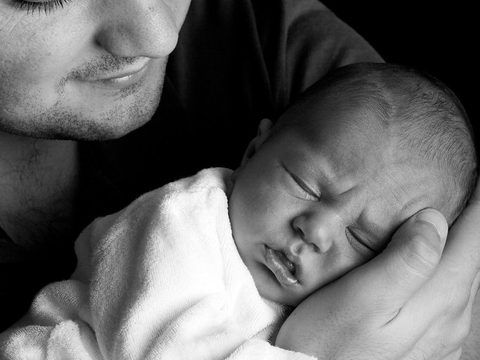 The baby is tired, so her dad carries her home in his
_____.
 My brother is very tall. His
_____ are so long that his pants are always too short.
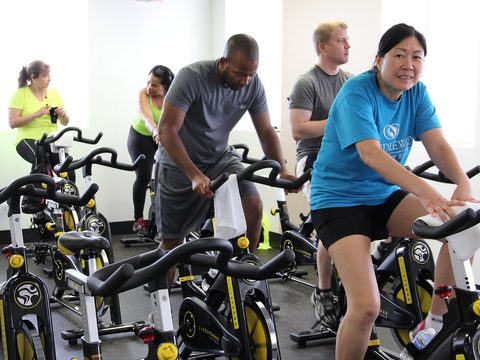 I don't lift weights at the gym. I only do
_____: thirty minutes of running or cycling to make my heart strong.
 Put your hand on the left side of your
_____. Can you feel your heart?
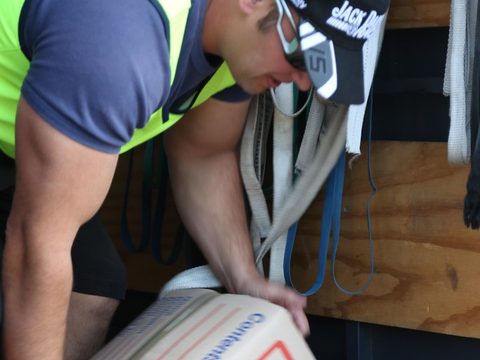 Don't pick up heavy boxes with a round
_____. Bend your knees and keep it straight.
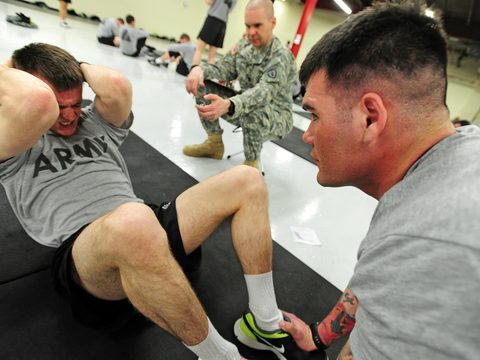 He does a hundred sit-ups every morning, so the muscles on his stomach, his
_____, are very strong.
 Your
_____ are the biggest muscles in your body, and you sit on them all day.
Seven days, seven moods
Watch the 36-second video first. Nobody talks in it: there is only music and some text on the screen. For each day, look at the part of the body and the emoji. Then read the story. The adverbs of frequency are in bold. Tap a dotted word to see what it means.
Ashton Hall is in bed, looking at his phone. Three words appear above him: "Workout Schedule & Moods." It is his plan for the week.
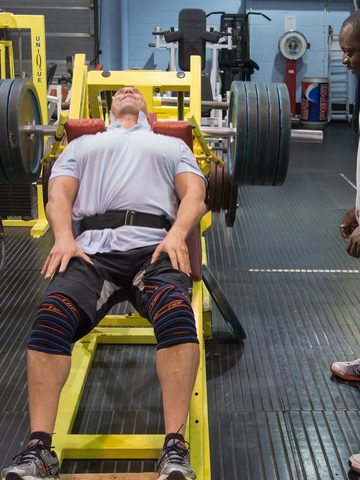
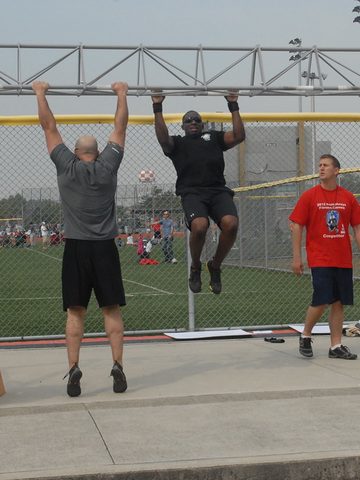
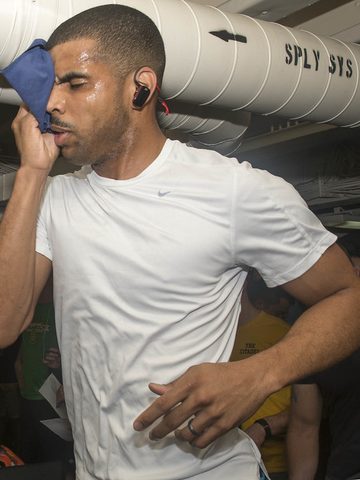
His plan is simple. Every day, he trains one part of his body, and a small emoji shows his mood about that workout.
The week starts with legs on Monday. He sits at a machine, holding his leg, and his emoji is a sad smile with a tear.
Because his legs need a rest after Monday, Tuesday is for his shoulders. He trains hard, and this time his emoji has a happy, shy smile.
On Wednesday, it is time for his back. He pulls his body up to a bar again and again, and his emoji salutes, like a soldier.
Then Thursday comes, and the legs come back. The screen says "Legs again," with a broken heart. Two leg days in one week!
After two leg days, Friday is for his chest. He lies on a bench and pushes one heavy weight up with both hands. His emoji wears big glasses.
On Saturday, his arms get their turn. He works them hard, and his emoji covers its mouth with a hand, like it is trying not to laugh.
After six days of hard muscle work, Sunday is different. He does cardio: he runs fast on a machine, and his emoji is out of breath.
Seven days, seven workouts, no day off: Ashton always exercises. His emojis are often happy, but on leg day, they are never happy.
Multiple choice
Nobody talks in the video, so every answer is in the story you read. Click an answer and read why.

-
Where is Ashton at the start of the story?
The story starts before the gym. He is in bed with his phone, and the words "Workout Schedule & Moods" appear above him.
-
What do the emojis in his video show?
A mood is how you feel at a certain time. There is one emoji for each day, and it shows how he feels about that workout.
-
How is Monday for Ashton?
Monday is for his legs. He holds his leg at the machine, and his emoji is a sad smile with a tear.
-
Why is Tuesday for his shoulders?
He trains a different part of his body every day. When he works his shoulders, his legs can rest after the hard day before.
-
How does he train his back on Wednesday?
He pulls his body up to a bar again and again. In the video, you see his back from behind, and his emoji salutes, like a soldier.
-
Why does the story mention a broken heart on Thursday?
A broken heart emoji means "I'm sad." The screen says "Legs again": after Monday, it is leg day one more time.
-
How many leg days are there in his week?
Legs on Monday, and legs again on Thursday. No other part of his body gets two days.
-
What does he do on Friday?
Friday is for his chest. He pushes one heavy weight up with both hands, and that works the chest. His emoji wears big glasses.
-
Why is Sunday different from the other days?
After six days of muscle work, Sunday is for cardio: he runs fast on a machine. At the end, his emoji is out of breath.
-
How often does Ashton exercise?
Seven days, seven workouts, no day off. He exercises every day of the week: that is always, 100%.
-
Does Ashton like all his workouts?
His emojis are often happy, but not on leg day: a tear on Monday and a broken heart on Thursday. On shoulder day, he has a happy smile.
-
Which sentence best summarizes the story?
The phone is only the start: then come seven days at the gym, one part of the body each day. The emojis tell the rest: he always exercises, but he is never happy on leg day.
His week
Watch the video again, or read the story again, and complete Ashton's schedule. Write the exercise for the day, or the day for the exercise. One word each time.
-
Monday___
-
Tuesday___
-
back___
-
Thursday___
-
Friday___
-
Saturday___
-
cardio___
Upper body, lower body
The upper body is the top half: your shoulders, your arms and the front and back of your body, down to your stomach. The lower body is the bottom half: your hips, your glutes and your legs. Choose the right half for each word.

-
legs
Your legs are at the bottom of your body: you walk and run on them.
-
shoulders
Your shoulders are at the very top, next to your neck.
-
chest
Your chest is the front of your body, just under your neck.
-
abs
Your abs are on your stomach, and the upper body goes down to your stomach.
-
arms
Your arms start at your shoulders, at the top of your body.
-
back
Your back is behind your chest and your stomach: the same half of the body.
-
glutes
Your glutes are below your stomach, at the top of your legs: you sit on them.
-
the manUnder the labels FOREARMS, BICEPS and LATS, the next line goes to the big, flat muscles just under his neck: his ___.
-
the manThe next line, above QUADS, goes to the muscles in the middle of his stomach, above his shorts: his ___.
-
the womanThe first line, above TRAPS, goes to the round top of her arm, next to her neck: her ___.
-
the womanUnder TRICEPS and above HAMSTRINGS, the line goes to her white shorts, to the big muscles that she sits on: her ___.
How often? The frequency pyramid
Adverbs of frequency say how often something happens. Three of them are missing from the pyramid: never, sometimes and always. Put each one in its place, then practice saying all six.
- 100% · (a) ______
- usually
- often
- (b) ______
- rarely
- 0% · (c) ______
-
What goes in (a), at 100%?
Always means every time. Ashton exercises seven days out of seven: he always exercises.
-
What goes in (b), between often and rarely?
Sometimes is in the middle of the pyramid: more or less half of the time.
-
What goes in (c), at 0%?
Never means not one time. "I never drink coffee" means zero cups, not one.
-
Which list goes from more to less?
Read the pyramid from the top: usually is above often, and rarely is near the bottom.
-
Rarely is very close to…
Rarely sits just above never: it happens, but almost never.
- ALways · Usually · OFten
- SOMEtimes · RAREly · NEVer
- Careful: many Americans say often with no t, like "OFF-en". Usually has a soft middle sound, like the s in television.
Where does the adverb go?

Small word, fixed place. An adverb of frequency goes before the main verb, but after be. In a negative, it goes after don't, doesn't, isn't or aren't.
- Before the main verb: My sister always walks to school.
- After be (am, is, are): The bus is usually late.
- Negative with don't / doesn't: the adverb comes after don't / doesn't and before the main verb: We don't often eat out.
- Negative with be: the adverb comes after am not, isn't, aren't: The kids aren't usually hungry at breakfast.
- Questions: after the person: Do you usually …? · Is he often …?
- At the start: sometimes and usually can also open the sentence: Sometimes I take the bus. Always and never can't.
-
"Ashton always exercises at the gym." Which rule does it follow?
Exercises is the main verb, and always comes just before it.
-
"My brother is never late for work." Which rule does it follow?
Is is a form of be, so never comes after it.
-
"She doesn't usually drink coffee." Which rule does it follow?
Usually sits between doesn't and the main verb, drink.
-
"They aren't often sick or tired." Which rule does it follow?
Aren't is are not, a form of be. In a negative, the adverb still comes after be.
-
Which sentence is correct?
Goes is the main verb, so always goes before it. Always can't open a sentence like this.
-
Which sentence is correct?
With be, the adverb comes right after it: he is never.
-
Which question is correct?
In a question, the adverb comes after the person (your sister) and before the main verb (cook).
-
Which sentence is WRONG?
The adverb can't come after the main verb go. It goes between don't and go: We don't often go out.
Add the adverb
Write the sentence again with the adverb on the left. Find the main verb or the verb be first: that tells you where the adverb goes.
-
NEVERI get up after 9 a.m.
-
RARELYWe go to the movies.
-
OFTENShe doesn't listen to pop music.
-
USUALLYI am not tired after going to the gym.
-
ALWAYSI am ready for work at 7 a.m.
-
SOMETIMESMy grandfather rides his bike to the park.
-
OFTENThe gym is full on Monday evenings.
-
USUALLYMy kids don't eat vegetables at lunch.
How often do you…?
Part A is about the video and the story. In Part B, answer first for you, with always, usually, often, sometimes, rarely or never. Then ask a partner (or me) the same question, and compare. Part C is for your opinions: give a reason every time.

Useful language
My workout schedule
40–70 words. Create your own workout week. It can be very simple, like Ashton's (Monday: legs), or more complex, with the gym exercises in the useful language. Then describe your routine in four or five sentences with adverbs of frequency and days of the week. Example: On Mondays, I always walk with my dog.
Useful language
My results
Check your score, then copy it and send it to your teacher on WhatsApp.

One job for this week. Put your workout schedule on your fridge. Every evening, say one sentence about your day out loud, with always, sometimes or never. Leg day included!