Feeding Your Feelings
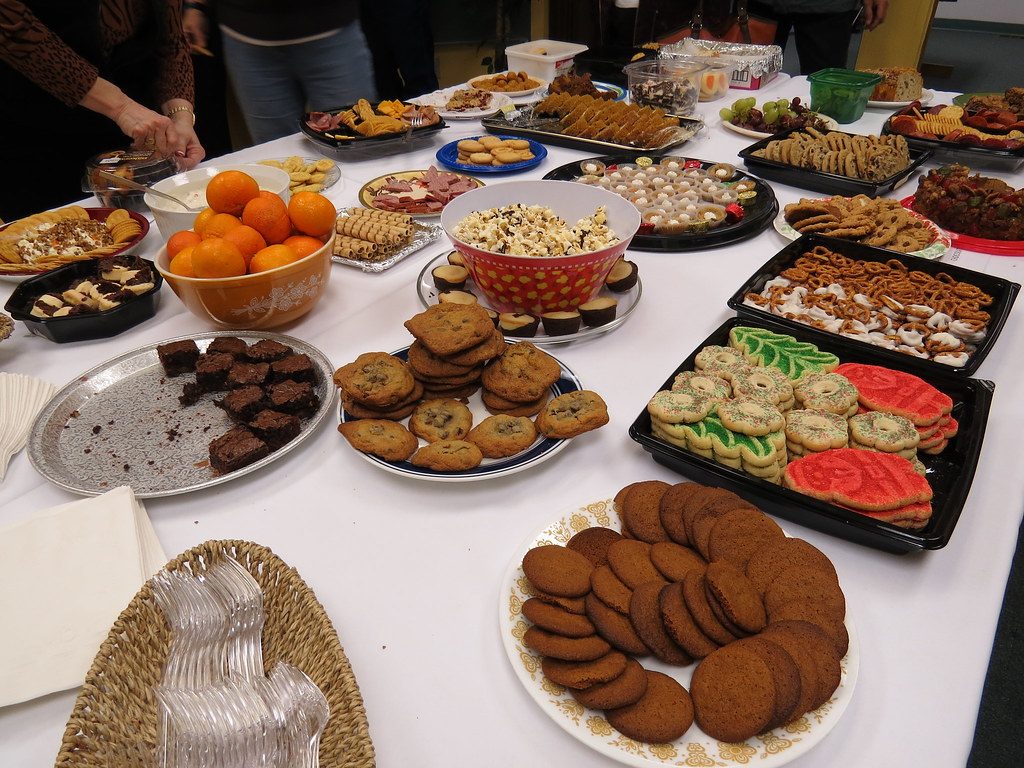
Chocolate when you are stressed, cookies after a bad day, candy when life is disappointing. Twelve feelings, the food that follows them, and two ways to give advice: Don't be anxious and Let's go for a walk.
Warm-up
Answer out loud. Tap a card when you have answered it.

Food is easy to talk about, so let's start there. Then we look at the feelings behind the food — because sometimes it is not your stomach that opens the kitchen cabinet.
Useful language
How do you feel?
Click a feeling, then click the situation. Correct pairs turn green. The audio button says the word.
Complete the sentences
Click a word in the bank, then click a gap. Click a filled gap to clear it.

 He has no lunch today, and at four o'clock his stomach is empty. He isn't angry; he's just really
_____.
 There is nothing to do at home, and I look at the clock every five minutes. I want to do something! I'm so
_____.
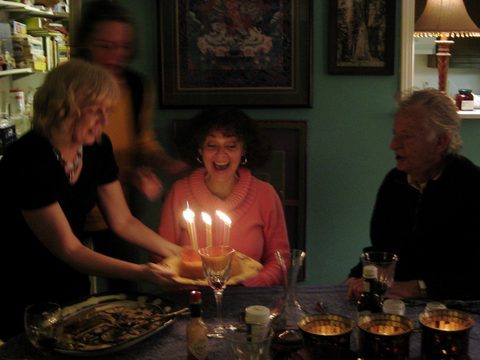 Tomorrow is my birthday party! I'm so
_____.
 My mom is shouting, and her face is red. She's
_____ at me because my bedroom is a mess again.
 Anna is stressed all week. On Saturday, with no work and no emails, she feels the opposite of stressed: she's
_____.
 These new shoes are soft, and they are the right size. They are very
_____.
 She is always smiling and thinking about good things. She is a very
_____ person.
 I study for two weeks and expect an A, but my test grade is a D. I'm not angry with anyone; I just feel so
_____.
Nina's Tuesday nights
Read the story, or listen to it one paragraph at a time. Words with a dotted line have a short explanation: click them.
It is ten o'clock on a Tuesday night, and Nina is eating her third chocolate bar in the kitchen. But she isn't hungry.
She is eating because she is stressed. Her boss wants three reports by Friday, and she can't finish them. Chocolate helps her forget for ten minutes.
This happens every week, and every feeling has its own food. After a bad day, it's cookies. When she's disappointed, she searches the cabinets for candy.

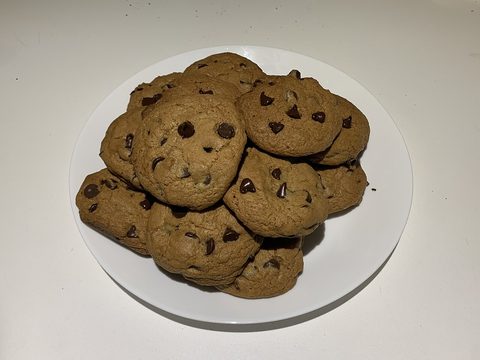

She tells a friend, who sends her a blog post called “Feeding Your Feelings.” It says people often eat when they aren't hungry.
Nina keeps reading, and the post explains her Tuesday nights. Chocolate makes us feel relaxed and less bored, so food becomes a substitute for other things.
The next part makes her smile: this is normal, not wrong. People eat cake to celebrate, and they have cookies and coffee with friends.
Then come the tips, and the first one surprises Nina: stop thinking about diets. Eat healthy food, but let's not stop eating what we love.
The next night, Nina tries the second tip. Before she opens the cabinet, she asks herself: “Am I really hungry?” The answer is no.
She doesn't feel bad, because the third tip says: “Don't judge yourself. Be positive!” Instead, she pays attention to her feelings: where do they come from?
Her feelings come from her job: she is disappointed with it, not hungry. So she closes the cabinet and says, “Let's feed this feeling with a new job.”
Multiple choice
Click an answer and you get the result right away, with the reason.

-
Why is Nina eating chocolate on Tuesday night?
Her boss wants three reports by Friday. The chocolate is not for her stomach: it helps her forget the stress for ten minutes.
-
What does Nina eat after a bad day?
Every feeling has its own food: chocolate for stress, cookies for a bad day, candy for disappointment.
-
When does Nina search the cabinets for candy?
The blog post says the same about all of us: when we are disappointed with life, we open the kitchen cabinets or look for candy at the supermarket.
-
How does Nina find the blog post?
She tells a friend about her Tuesday nights, and the friend sends her “Feeding Your Feelings.”
-
The blog post says people often eat…
We eat for many reasons: to feel happy, to feel comfortable, to celebrate. Hunger is only one of them.
-
What does chocolate do for us, in the post?
Relaxed and less bored, but only for a short time. That is why the post calls food a substitute: it takes the place of something else.
-
Which idea in the post makes Nina smile?
Cake to celebrate, cookies with friends: the writer calls this a normal strategy. She also says it is important to show our feelings in a natural way.
-
What is the first tip?
Healthy food and a balanced diet are important. But if you stop eating the food you love completely, you can lose control and eat a lot later.
-
What does Nina ask herself the next night?
That is the second tip. Sometimes we eat to feel happy and comfortable, not because we are hungry — and Nina's answer is no.
-
How does Nina feel about her answer?
The third tip: “Don't judge yourself. Be positive!” The post says a moment like this is a chance to learn about your habits.
-
Where do Nina's feelings come from?
The last tip asks exactly this. Do you want a new job? More free time? New friends? For Nina, the problem is her job.
-
What is the main message of the story?
The post ends with “it's not about food.” We need to feel our feelings, not feed them, and feed them with new opportunities: for Nina, a new job, not more candy.
Imperatives: Be positive! · Don't judge

The easiest verb form in English. No subject, no -s, no changes: just the verb. For the negative, put don't in front — even in front of be.
- (+) The verb alone: Relax. · Call me later. · Open the window.
- (−) Don't + verb: Don't run. · Don't park here.
- Feelings take be: Be happy! · Don't be sad. The adjective never comes alone after don't.
- Never no or not at the start: the negative is always don't.
- Use please to be polite: Close the door, please.
-
You're thirsty after the gym. ___ some water.
A positive imperative is the verb alone — no -s, even when you talk to one person.
-
Breakfast gives you energy for the morning. ___ it.
Breakfast is good for you, so the advice is negative. And the imperative uses don't, never doesn't.
-
Candy is bad for your teeth. ___ too much of it.
Don't + the verb, with no to in the middle.
-
Your job interview is tomorrow, and you are ready for it. ___ stressed!
Stressed is a feeling, an adjective. It needs be: Don't be stressed.
-
Your pizza is here, and it looks delicious. ___ it!
Good food, so positive advice. Enjoy it! — also what a waiter says when the food arrives.
-
Which sentence is WRONG?
Worry is a verb, so Don't worry. Worried is an adjective, so Don't be worried. The adjective alone after don't is the mistake.
-
Your friend is angry and shouting. You say:
No subject in an imperative: just the verb, and please at the end or at the start.
-
Which sentence is correct?
No touch is the Portuguese way. In English the negative imperative is always don't + the verb, with no -s.
Complete the conversations
Use each verb once, and be twice: turn · eat · forget · sit · stop · be. First decide: positive or negative? Then write one or two words.

-
1A: I'm having another brownie. I'm anxious. B: ___ another one. Let's go for a walk.
-
2A: Time is up! ___ writing, everybody — the exam is over. B: Oh, no!
-
3A: I'm terrible at languages, and the exam is tomorrow. B: ___ worried. You're a great student!
-
4A: I'm bored. B: ___ on the TV and watch something.
-
5A: ___ on the sofa, please. B: No, thanks. I'm comfortable on this chair.
-
6A: ___ angry with your sister. B: But she wants all my toys!
-
7A: Bye! I'm leaving. B: Wait! ___ the car keys!
Suggestions: Let's and Let's not

An imperative is for you. Let's is for us. When you want to do something together with the other person, start with Let's. When you want to stop a plan, say Let's not.
- (+) Let's + verb: Let's order a pizza.
- (−) Let's not + verb: Let's not stay home tonight.
- Always the base verb after Let's: no to, no -ing.
- How to answer: Good idea! · OK! · Sorry, I can't.
- Compare: Relax. (you) · Let's relax. (you and me)
-
“It's really hot in this room.”
Hot room, cold air. The other two make the room even hotter.
-
“The restaurant is closed.”
It's closed, so no dinner and no waiter there. Another one = another restaurant.
-
“We have a week off from work.”
A week off means no work. In American English you go on vacation.
-
“Bruna can't carry all those bags.”
Two people, one problem: a suggestion to do it together.
-
“This T-shirt is red, but my favorite color is blue.”
A blue one = a blue T-shirt. One saves you from saying the word again.
-
Which sentence is WRONG?
After Let's comes the base verb, with no to.
-
Which sentence is correct?
The negative is Let's not — never no — and the verb stays in the base form.
-
Your friend is stressed. You want to go for a walk WITH her. You say:
Go for a walk sends her alone. Let's puts you in the walk too.
Let's or Let's not?
Read the situation and decide: is it a good idea or a bad one? Then write Let's or Let's not with the verb. Example: It's cold outside. ___ our jackets. (get) → Let's get

-
makeI'm hungry. ___ a sandwich.
-
playShe is bored. ___ a game together.
-
drinkShe feels anxious, and coffee makes it worse. ___ coffee now.
-
celebrateThey are excited about the good news. ___ with cake!
-
listenHe feels stressed. ___ to some calm music.
-
eatDinner is in ten minutes. ___ more candy now.
-
takeWe are happy, and the view is beautiful. ___ a photo!
-
studyHe is very tired. ___ tonight — we can study tomorrow.
-
shareI feel positive today. ___ the good news with everyone.
-
fightWe're angry, but we're friends. ___ about this.
Chloe's big test
Lily and Chloe talk the night before a test. Press the audio button to hear each line, then answer. Look at Lily's advice: it is all imperatives and Let's.
Lily: Hi, Chloe. How are you today?
Chloe: I'm very anxious. I have a big test tomorrow, and I don't feel ready.
Lily: Don't be so anxious. Stay calm and believe in yourself. Let's review the main points together.
Chloe: That helps, but I'm also stressed because I didn't sleep well last night.
Lily: Oh, I understand. Relax and go to bed early today.
Chloe: You're right. I think I also feel a little disappointed because I sometimes forget the answers.
Lily: Don't be disappointed. Be positive!
Chloe: Thanks, Lily. I feel better now.
-
Why is Chloe anxious?
Her first words: a big test tomorrow, and she doesn't feel ready.
-
What does Lily tell Chloe to do?
Two imperatives in one line: Stay calm and believe in yourself.
-
Why is Chloe also stressed?
A bad night before a test: I didn't sleep well last night.
-
What does Lily suggest for tonight?
Relax and go to bed early today — the answer to a bad night.
-
Why is Chloe a little disappointed?
She knows the material, but sometimes the answers disappear from her head.
-
Which of Lily's lines is a negative imperative?
Don't be + a feeling. Relax is a positive imperative, and Let's review is a suggestion.
Food and feelings
Part A is about the story, Part B about you, Part C asks for your opinion. Give advice with imperatives and Let's whenever you can.

Useful language
A message for anxious days
40–70 words. Write a short message to yourself for the moments when you feel anxious. Give yourself advice with imperatives, positive and negative, and add one or two suggestions with Let's.
My results
Check your score, then copy it and send it to your teacher on WhatsApp.

One job for this week. Next time you open the kitchen cabinet, stop for three seconds and ask: Am I really hungry? Then say how you feel, in English, in one word. Stressed? Bored? Happy? That word is your homework.