Two Cities, Two Worlds
London and Paris, thirty years apart: a giant wheel, a glass tower and a museum with 35,000 works of art. Places in a city, there was and there were, and the big numbers that tell how a city grows.
Paris, London… or New York?
Ten facts, three cities. Do the quiz first — if you do not know, guess.

Two cities, two worlds. London and Paris are old, famous — and always changing. Before we see what is new there, let's see what you already know. One city in each answer, and New York is never right.
-
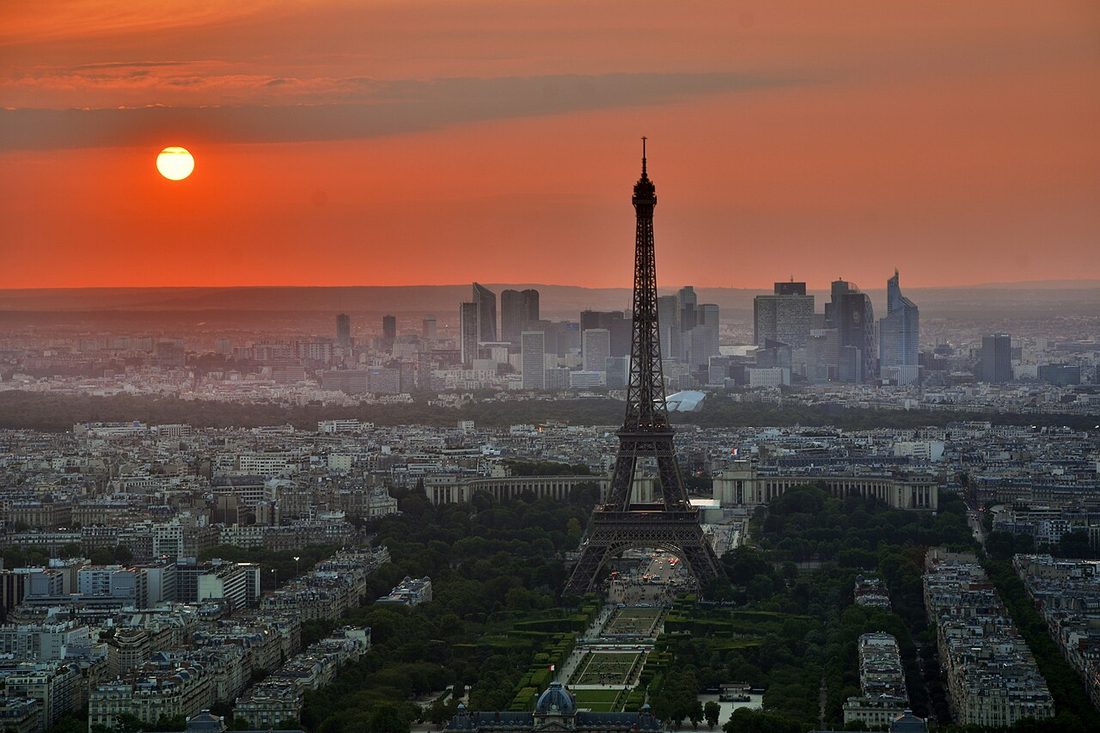
Its most famous monument is a tall iron tower.
The Eiffel Tower, built for a world's fair in 1889. Millions of people pay to go up every year.
-
Big Ben, the famous clock tower, is in this city.
Big Ben is really the name of the great bell inside. The tower is the Elizabeth Tower, next to the Houses of Parliament.
-
There is an enormous museum called the Louvre.
It is the most visited museum in the world — and in today's story, Helena finally goes in.
-
A river called the Thames goes through it.
Paris has a famous river too, but it is a different one: the Seine.
-
Its nickname is "the City of Light."
People tell two stories about the name: its early street lights, and a city full of new ideas.
-
There is a giant Ferris wheel, 135 meters tall.
The London Eye, next to the Thames. It opened in 2000 — look for it in the story.
-
Its underground trains are called "the Tube."
It is the oldest underground train system in the world: the first line opened in 1863. In Paris it is the Métro, and in New York the subway.
-
Buckingham Palace is in this city.
It is the King's official home in London.
-
It has a hill neighborhood called Montmartre, famous for its artists.
Picasso and Van Gogh both lived there when they were young.
-
The Notting Hill Carnival happens here every August.
A giant street party with Caribbean music and costumes, every year since the 1960s.
Now talk. Tap a card when you have answered it.
Useful language
Places in a city
Click a word, then click its meaning. Correct pairs turn green. The audio button says the word.
Complete the sentences
Eight more places in a city. Click a word in the bank, then click a gap. Click a filled gap to clear it.

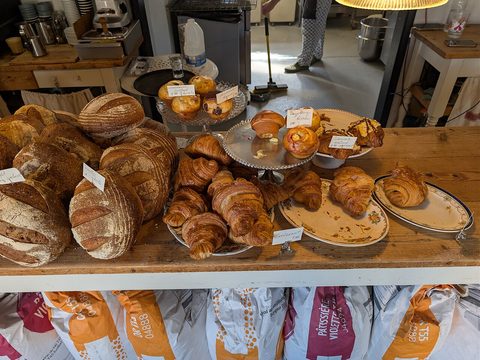 I buy fresh bread and cakes every morning at the
_____ on my street.
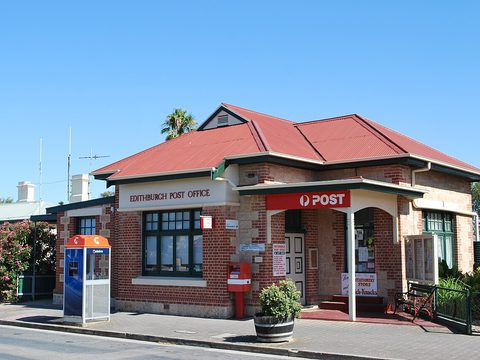 I need to send this package to my sister. Is there a
_____ near here?
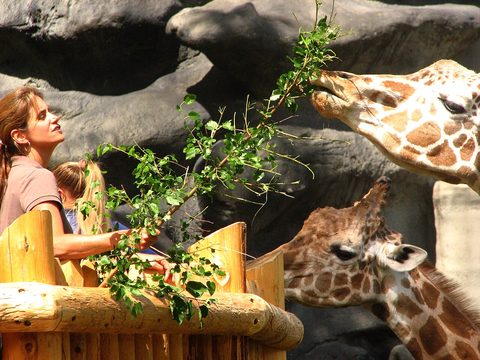 The kids want to see the giraffes and the lions, so we're going to the
_____.
 I don't have any cash, so I need to take out some money at the
_____.
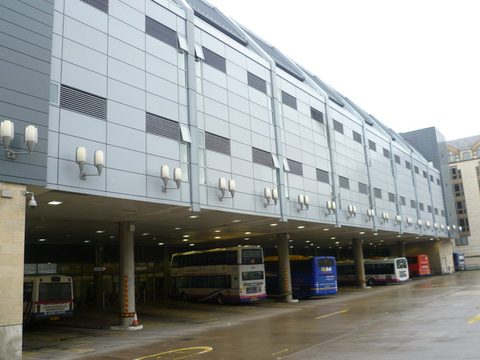 Buses to six different cities leave from the
_____ every hour, and you buy your ticket there.
 He broke his leg playing soccer, so an ambulance took him to the
_____.
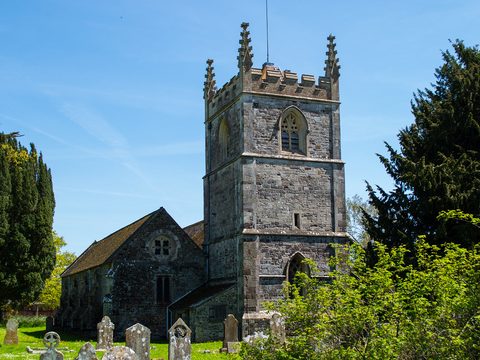 My grandparents got married in a small
_____ with a tall bell tower.
 Let's go see the new animated movie. The
_____ is inside the mall.
Helena's notebook
One notebook, two trips, thirty years apart. As you read, look for what is new and what is the same.
In 1995, Helena was a Brazilian student with a backpack and very little money. That summer, she spent a month in London and Paris.
So she wrote every price in a small notebook. On the last page, there was a list called "One Day": things she couldn't pay for.
Thirty years later, her daughter Bia finds the notebook in a box. She reads the "One Day" list and has an idea: the same trip, together.
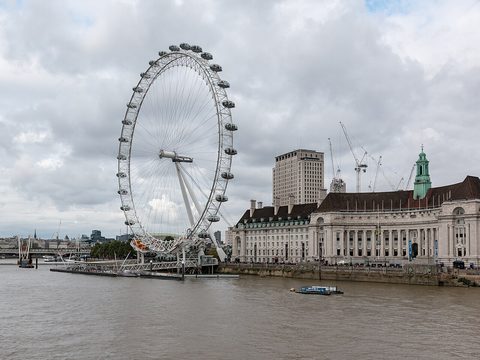
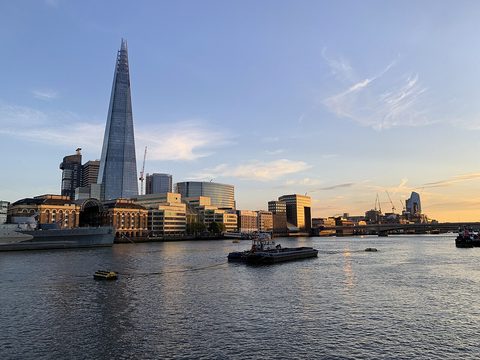
So this spring they are in London, and by the Thames Helena stops: there is a giant Ferris wheel. In 1995, there wasn't one.
Bia wants the view, so they ride the wheel. From the top, they see a tall glass skyscraper, The Shard. It opened in 2012.
Next, Helena checks the "One Day" list: first, a musical. London has more than 230 theaters, and that night they see one in the West End.
After two days of walking, their feet hurt, so they rest in Hyde Park. Helena smiles: the park is the same as in 1995.
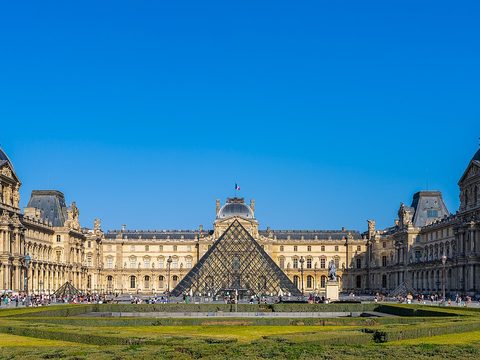
Feeling better, they take the train to Paris for the next thing on the list: the Louvre. Inside, there are about 35,000 works of art to see.
After five hours in the museum, they are very hungry, so they eat at Le Perchoir, a rooftop restaurant full of locals.
Now everything on the "One Day" list is done, so Helena starts a new one: "Then and Now." Bia puts it on her blog.
Multiple choice
Click an answer and you get the result right away, with the reason.

-
Why did Helena write every price in a notebook?
A student with a backpack and very little money: every price mattered, so every price went into the notebook.
-
What was on the last page of the notebook?
A list called "One Day": the things for another time, with more money.
-
What does Bia do after she reads the "One Day" list?
Thirty years later, the "One Day" list is still waiting — so mother and daughter go together.
-
What surprises Helena by the Thames?
It is the London Eye, 135 meters tall. It opened in 2000, so in 1995 there wasn't one.
-
Why isn't The Shard in Helena's notebook?
In 1995, there was a 24-floor office building in its place. The Shard, about 310 meters tall, opened in 2012.
-
What is first on the "One Day" list?
So that night they see one in the West End. With more than 230 theaters in London, choosing is the hard part.
-
What does Helena notice in Hyde Park?
Not everything changes. Hyde Park opened to the public in 1637, almost four hundred years ago, and London has more than 3,000 parks today.
-
Why do they go to the Louvre?
In 1995 it was one of the things Helena couldn't pay for. And it is not the only museum: Paris has about 130.
-
How many works of art can they see in the Louvre?
About thirty-five thousand on display. The full collection is much bigger — most of it is not on display.
-
What kind of restaurant is Le Perchoir?
A rooftop restaurant, full of locals. London has one too: the Sky Garden, at the top of a skyscraper, open since 2015.
-
What does Helena do when the "One Day" list is done?
The new list is "Then and Now," and Bia puts it on her blog. You write your own at the end of the class.
-
Which sentence best summarizes the story?
New: the wheel, The Shard and the rooftop restaurants. The same: the Thames, Hyde Park — and the Louvre, finally open to Helena.
Find it in the story
Each answer is a word or a short name from the story. Go back to the text and find it.
-
aIn 1995, Helena carried her things on her back in a ___.
-
bThe name of the list on the last page of the notebook.
-
cIn 1995, there wasn't a giant ___ next to the Thames.
-
dThe Shard is a tall glass ___.
-
eThe part of London where Helena and Bia see a musical.
-
fThe place in London that is the same as in 1995.
-
gLe Perchoir is this kind of restaurant.
-
hMost people at Le Perchoir are ___, not tourists.
There was or there were?

You already know there is and there are. This is the same idea, one step back in time. One thing: there was. Two or more: there were. The negative and the question work like the verb be: wasn't, weren't, Was there…?, Were there…?
- One thing: there was + a / an — There was a big clock in the old station.
- Two or more: there were + some / many / two… — There were three hotels near the beach.
- Negative: there wasn't a / an · there weren't any — There wasn't a bridge here in 1950. · There weren't any cars on the island.
- Questions and short answers: Was there a pool at the hotel? — Yes, there was. / No, there wasn't. · Were there any good restaurants? — Yes, there were. / No, there weren't.
- How many: How many students were there in your class?
- Some and any: some in a positive sentence, any in the negative and in questions.
- Then and now: past → there was / there were; today → there is / there are. There was one airport. Now there are two.
-
In the 1990s, ___ any shared city bikes in Paris.
Bikes is plural, and any goes with the negative. Paris got its city bikes, the Vélib', in 2007.
-
___ a movie theater near your house when you were a child?
A question, so the verb comes first. One movie theater, so was.
-
How many museums ___ in your town fifty years ago?
After How many + a plural word, the question order is were there.
-
There weren't ___ parks near my old apartment.
A negative sentence with a plural word takes any.
-
There was ___ old castle on the hill.
One castle, and the next word, old, starts with a vowel sound.
-
A: Were there many tourists in your town in 2000? B: No, ___.
The short answer repeats the question: Were there…? — No, there weren't.
-
"There were some cafés in the square." Which is the negative?
Two changes: were becomes weren't, and some becomes any.
-
"There were some cafés in the square." Which is the question?
Were jumps before there — no did — and some becomes any.
-
In 2000, there weren't any malls in my town. Now ___ a big one.
Now is the present, and a big one is one mall: there is.
-
Which sentence is WRONG?
Two bakeries is plural, so it needs were.
Complete the conversations
Four short conversations about a city fifty years ago. Two words in each gap: there was, was there, there weren't… Decide: one thing or more, question or answer, yes or no.
-
1 · AHow many markets ___ in the city 50 years ago?
-
1 · B___ three big markets.
-
1 · B___ a farmers' market…
-
1 · B…and ___ two fish markets.
-
2 · A___ a theater in the city center?
-
2 · BNo, ___ a theater…
-
2 · B…but ___ a small movie theater.
-
3 · A___ a train station in the city?
-
3 · BYes, ___ a station…
-
3 · B…but ___ any bus stops.
-
4 · AHow many parks ___ in the city?
-
4 · B___ only two small parks.
Why? Because there was… or there wasn't…
Three words in each gap: there was / were / wasn't / weren't + a, an, some or any. Read the first half of the sentence — is the reason good news or bad news? Then look at the word after the gap: one or more?

-
aPeople didn't visit the town square because ___ fountain in the center.
-
bTourists couldn't get information because ___ tourist office in the city.
-
cThe children didn't play outside because ___ parks in the neighborhood.
-
dVisitors loved the old town because ___ old theater with free shows every night.
-
ePeople didn't buy bread because ___ bakery near where they lived.
-
fWe didn't need a car because ___ subway station next to our hotel.
-
gArtists showed their work every weekend because ___ art galleries in the city.
-
hLocal people couldn't park because ___ parking lots available.
Greentown, then and now
Read the research about a small city. Then complete each sentence with the verb, the number and the place — past or present? Numbers in words or in digits.
- parks 3 → 5 · theaters 1 → 3 · cafés 2 → 10
- pharmacies 2 → 13 · markets 1 → 3 · hospitals 1 → 2
- museums 0 → 3 · bakeries 1 → 6 · bus stations 1 → 2
- Example: In the past, there were three parks. Now there are five.
-
aIn the past, there ___. Now there are three theaters.
-
bIn the past, there were two cafés. Now there ___.
-
cIn the past, there ___. Now there are thirteen.
-
dIn the past, there was one market. Now there ___.
-
eIn the past, there ___. Now there are three museums.
-
fA: ___ a hospital in the past? B: Yes, there was one. Now there are two.
-
gIn the past, there was one bakery. Now there ___.
-
hA: How many bus stations ___ in the past? B: Just one. Now there are two.
Saying high numbers
Read the box, then write the missing word or number. One word or one number in each gap.

- The comma separates the groups: 48,000 · 6,400,000. Careful: in Portuguese a period does this job (48.000). In English, the period is for decimals: 2.5 = two point five.
- Start with the biggest group and go down: million → thousand → hundred. 6,400,000 = six million four hundred thousand.
- And after hundred: British English always says two hundred and six; Americans often say two hundred six. Both are correct.
- No -s after a number: four thousand, ten million — never
four thousands. The -s appears only without a number: thousands of tourists, millions of people. - A = one: a hundred, a thousand, a million. And a half: two and a half million = 2,500,000.
-
a___ = three hundred
-
b465 = four hundred and ___-five
-
c902 = nine hundred and ___
-
d1,500 = one ___ five hundred
-
e___ = two thousand and fifty
-
f3,678 = three thousand six hundred and ___-eight
-
g25,000 = ___-five thousand
-
h120,000 = one hundred and ___ thousand
-
i1,500,000 = one and a half ___
-
j3,200,000 = three million two ___ thousand
Write the number
The first two come from the story — try to remember before you look. Then
write the others in digits, with commas: 12,000, not 12.000.
-
aHow many works of art can you see at the Louvre? About…
-
bHow many theaters are there in London today? More than…
-
csix hundred and thirty-five
-
dtwo thousand one hundred fifty
-
ethree thousand nine hundred
-
fforty-five thousand eight hundred and twenty
-
gfive hundred sixty thousand
-
htwo million three hundred thousand
-
iseven million nine hundred and fifty thousand
Then and now
Part A is about the story, Part B about your life, Part C about what you think — always say why. Use there was / there were for the past and there is / there are for today.

Useful language
A blog post: then and now
70–100 words, in two paragraphs, like Helena's list for Bia's blog. Choose your city or any famous city in the world, and find some real numbers. Paragraph 1: the past, with there was / there were. Paragraph 2: today, with there is / there are. Use at least two high numbers.
- Then → now: population 20,000 → 100,000 · schools 2 → 5 · markets 1 → 3 · new: an airport and a hospital
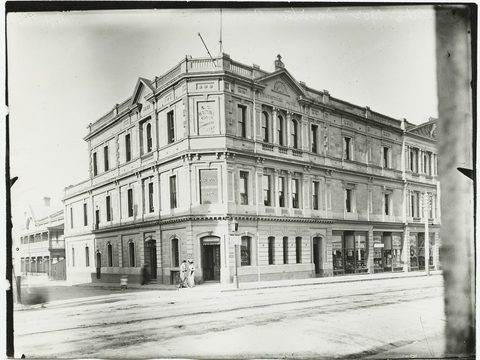
- In the 1960s, Willowbrook was a small, beautiful town with only 20,000 people. There were only two schools, one market and some local stores. There was one small hospital, and many people had to travel to other cities for more services.
- Today, about 100,000 people live in Willowbrook, and there are five big schools…
My results
Check your score, then copy it and send it to your teacher on WhatsApp.

One job for this week. Walk down a street you know well and remember it ten years ago. Say three sentences: there was…, there weren't any…, now there is…. And read every high number you see out loud — a price, a population, the views on a video.