Eat Like an Athlete
Overnight oats for a field hockey player, pizza after the game for a soccer star, and a nutritionist's plan for a tired young player. Food words, and the four small words that go in front of them: a, an, some and any.
Warm-up
Answer out loud. Tap a card when you have answered it.

Everybody eats, so everybody can talk today. Start with your own plate: what was on it this morning? Then we look at the plates of nine Team USA athletes — and of one very tired soccer player.
Useful language
Food for athletes
Click a word, then click its meaning. Correct pairs turn green. The audio button says the word.
Complete the sentences
Click a word in the bank, then click a gap. Click a filled gap to clear it.

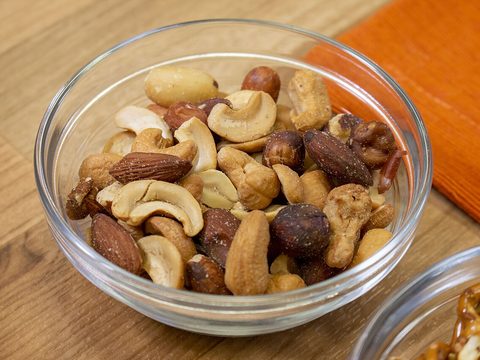 Almonds and cashews are two kinds of
_____. They're small and hard, and they make a good snack.
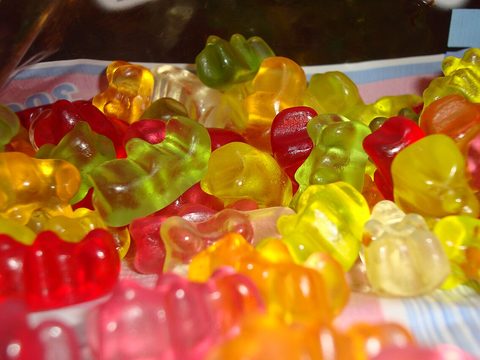 Kids love
_____, but all that sugar is bad for their teeth.
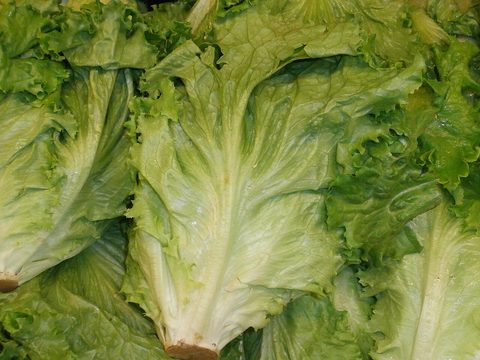 A green salad usually starts with some
_____ leaves.
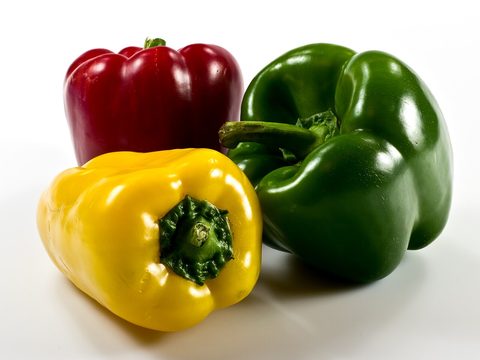 Red, yellow or green,
_____ make a salad colorful and a little sweet.
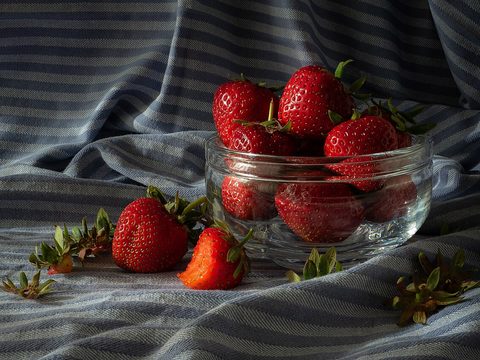 I put
_____ in my smoothie: they're red and sweet, with tiny seeds on the outside.
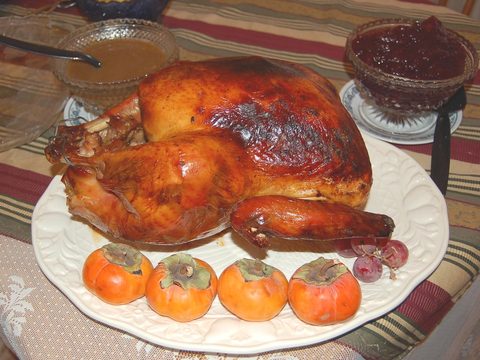 For the big family dinner, my mom roasts a whole
_____ in the oven: it's a big bird, bigger than a chicken.
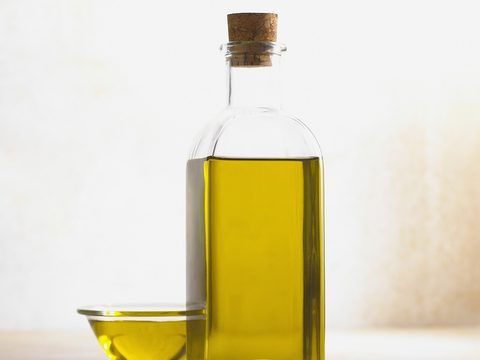 Cook the vegetables in some
_____. It's healthier than butter.
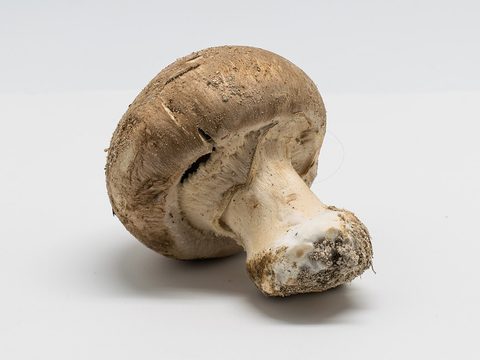 My pizza has cheese, tomato and
_____, small brown things that grow in dark, wet places.
Maya's second half
Read the story, or listen to it one paragraph at a time. Words with a dotted line have a short explanation: click them.
It's the second half of a Saturday soccer game, and sixteen-year-old Maya can't run anymore. Her legs feel heavy, and her team loses.
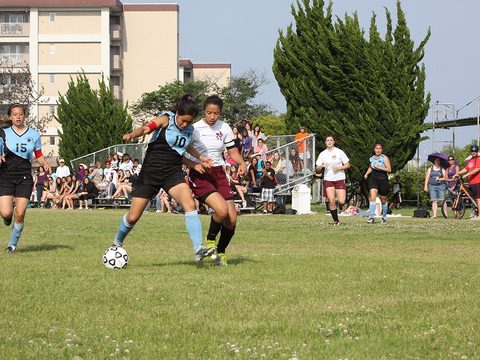
After the game, her coach asks what she ate. The answer: no breakfast, some chips and some candy. So he sends her to a nutritionist.
The nutritionist starts with breakfast, because it gives you energy for the day. Now Maya has some oatmeal or some eggs every morning.
One breakfast isn't enough for school and training, so snacks come next: a banana, some nuts, a protein bar. They're easy to carry in her bag.
All that training makes her sweat, so the next tip is to drink water during training and games. For something extra, she tries a smoothie.
Hard training also makes her muscles tired, so lunch has to be a balanced meal that helps them recover: protein, carbohydrates and vitamins.
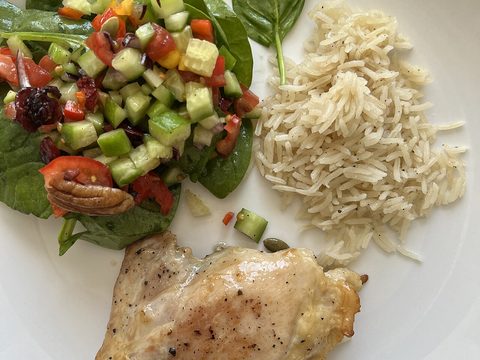
So Maya's new lunch is some chicken, some rice and a big salad. Dinner is similar: protein, carbs and vegetables, so her body can rebuild at night.
With real meals all day, Maya doesn't need Saturday's chips and candy. Like fast food, they don't give an athlete energy for sports.
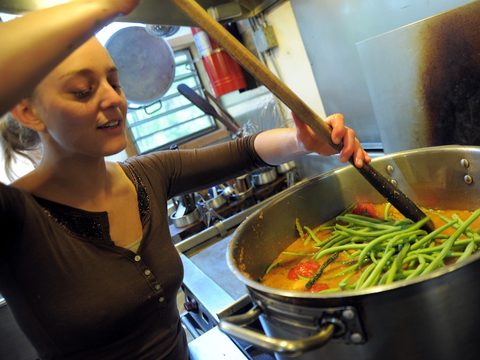
Busy days made chips the easy choice, so the last tip is to plan meals ahead. On Sundays, Maya cooks grilled chicken and vegetable soup for the week.
Three weeks later, it's Saturday again, and in the second half Maya is still running. Her team wins, and she eats an apple, not candy.
Multiple choice
Click an answer and you get the result right away, with the reason.

-
What happens to Maya in the second half of the game?
Her legs feel heavy and her team loses. The rest of the story is about fixing that problem.
-
What did Maya eat on the day of the game?
No breakfast at all: only some chips and some candy. No surprise her legs felt heavy.
-
Why does the coach send Maya to a nutritionist?
He hears her answer (no breakfast, chips, candy) and sees the connection with her heavy legs.
-
Why does the nutritionist start with breakfast?
The nutritionist calls breakfast very important for exactly this reason. Oatmeal gives Maya carbohydrates, and eggs give her protein.
-
Why does Maya need snacks?
School and training make a long day. Healthy snacks keep her energy up between meals.
-
Why are snacks a good option for Maya?
A banana, some nuts or a protein bar go in her bag and give her energy when she needs it: at school, on the bus, before training.
-
What does Maya drink during training and games?
Water, because training makes her sweat. On the days she needs something extra, a smoothie.
-
Why does lunch have to be a balanced meal?
Hard training makes her muscles tired. Protein, carbohydrates and vitamins help them get strong again.
-
What is on Maya's new lunch plate?
Protein (the chicken), carbohydrates (the rice) and vitamins (the salad): all three on one plate. Dinner follows the same idea.
-
Why doesn't Maya need chips and candy now?
And like fast food, they don't give an athlete energy for sports. The nutritionist says to stay away from all three.
-
Why does Maya cook on Sundays?
On busy days, chips were the easy choice. With chicken and soup in the fridge, the healthy choice is the easy one.
-
What is the story mostly about?
Heavy legs in the first game, still running three weeks later. The only thing that changes is the food: breakfast, snacks, water, balanced meals and a plan.
Team USA on a plate
Before you watch, guess: which foods from Exercise 02 do these nine athletes eat? Watch once without sound and say every food you see. Then watch with sound and answer. Each athlete's name appears on the screen, and the stamp shows the time.
-
Abigail Tamer, field hockey: what does she usually have for lunch? 00:11
Her words: “For lunch I usually have a salad and some kind of protein.” Before that, overnight oats and small honey waffles at practice; dinner that week was chicken fried rice.
-
Alex Shibutani, figure skating: why does he eat a lot of meals in a day? 00:21
“It's important to keep your energy up.” So he eats a lot of snacks, not three big meals: protein bars, yogurt, bananas.
-
Casey Kaufhold, archery: which fruit does she love? 00:44
The fruit goes on the side of her favorite lunch, a turkey and cheese sandwich. Breakfast is scrambled eggs and oatmeal, and her favorite dinner is salmon with pasta.
-
CJ Nickolas, taekwondo: what does he get when he doesn't want to cook? 01:03
From a fast-food restaurant, between trainings. At home he cooks taco meat with corn and beans for the week, and makes quesadillas with it.
-
Crystal Dunn, soccer: how does she start her days? 01:08
Then a big bowl of pasta for lunch. After a game, she says, she can eat anything.
-
Eli Dershwitz, fencing: what does he have after morning practice? 01:25
Before practice: three or four scrambled eggs and two pieces of whole grain toast. At night: chicken, beef or salmon with rice and vegetables.
-
Emily Sonnett, soccer: what does she have when she wakes up? 01:46
Usually with a coffee. Her biggest meal comes three hours before a game: banana pancakes, a little bacon and another coffee.
-
Minna Stess, skateboarding: what does she do the day before a competition? 01:59
“I try to drink a lot of water the day before, so I'm not tired for competition.” She also puts hydration packets in her water.
-
Rose Lavelle, soccer: what does she have after a game? 02:14
“Postgame, I like pizza.” And always a protein shake with it. Before the game it's usually pancakes, and all day she drinks water with electrolytes.
Countable or uncountable? A, an, some, any

One question decides everything: can you count it? One carrot, two carrots: yes, so a or an for one. Rice, milk, sugar: no, so no a in front. Then some for yes-sentences and any for no and ?.
- Some nouns are both: an ice cream (one cone) · some ice cream (in a bowl).
- a / an + one countable thing: a peach · an onion.
- some in positive sentences, with plurals and uncountables: I have some grapes and some yogurt.
- any in negatives and questions: We don't have any grapes. · Is there any yogurt?
- some in questions that ask for or offer something: Can I have some tea? · Would you like some cookies?
-
Which one is uncountable?
You can't say
one oatmeal, two oatmeals. You eat some oatmeal, or a bowl of oatmeal. Waffles and protein bars you can count. -
Which one is countable?
One pancake, three pancakes. Sugar and juice have no plural.
-
Which one is uncountable?
Too small to count: some rice, a bowl of rice, never
two rices. Eggs stay countable even scrambled: Eli Dershwitz eats three or four. -
On your dinner plate, which one is uncountable?
A chicken is the animal. On a plate it's meat, so some chicken: one word with two uses, like ice cream.
-
Which one is countable?
A protein bar, two protein bars. Water is a liquid, and liquids are uncountable.
-
Which one is uncountable?
Another liquid: some juice, a glass of juice. You can count the glasses, not the juice.
-
Which one is uncountable?
Some sugar, a spoon of sugar. Nobody counts the little white pieces.
-
After a game, Rose Lavelle always has ___ protein shake.
One shake, a countable thing, and protein starts with a consonant sound, so a.
-
Is there ___ orange juice in the fridge?
A question, and juice is uncountable, so any. An would need one orange, not orange juice.
-
Which sentence is WRONG?
Rice is uncountable, so it never takes a. With some or with no word at all, it's fine.
-
Which sentence is correct?
A negative sentence takes any. And an means one, so it can't go in front of eggs.
Write a, an, some or any
One word in each gap. Ask two questions first: can I count it? Is the sentence positive, negative or a question?
-
aAthletes usually eat ___ banana before training.
-
bI didn't drink ___ milk this morning.
-
cFor lunch, I have ___ chicken with rice.
-
dWe need ___ lettuce for the salad.
-
eShe likes to have ___ granola for breakfast.
-
fI ate a sandwich and ___ apple for lunch.
-
gWe don't need ___ bread, because we have some.
-
hThere isn't ___ sugar in my tea.
-
iThey don't eat ___ candy before competitions.
-
jFor a snack, they often have ___ protein bar.
-
kHe always has ___ egg sandwich after his workout.
-
lCan I have ___ strawberries, please?
Correct the mistakes
Each sentence has a mistake with a, an, some or any. Write the whole sentence again, correct.

-
aI want a rice and a chicken for lunch.
-
bThere aren't some waffles on the plate.
-
cCan I have an pancakes with syrup, please?
-
dShe doesn't drink a juice in the morning.
-
eAthletes eat some orange before competitions.
-
fWe need an eggs for the pancakes.
You are what you eat
Part A is about the story and the video, Part B about you, Part C asks for your opinion. Use a, an, some and any in your answers.
Useful language
A food plan for an athlete
50–80 words. Plan one day of food for an athlete — you, a friend or a player from the video: breakfast, a morning snack, lunch, an afternoon snack, dinner and what to drink. Use a, an, some and any, and add one thing the athlete doesn't eat, and why.

My results
Check your score, then copy it and send it to your teacher on WhatsApp.

One job for this week. Open your fridge and describe it out loud, in English: There's some milk. There isn't any juice. There's an apple. Ten sentences a day, and a, an, some and any stop being rules.