What Is Your Dream?
A list of dreams on a travel blog, a group of people in Australia in front of a camera, and Emma, who worked three years in a café for one plane ticket. The small word that joins two verbs — to — and the difference between I'd like and I like.
Warm-up
This list is from a travel blog. The same blog has four photos of things the writer already did. Read the list and the photo descriptions, and answer.

Everybody has a list, even without paper. Places, people, crazy ideas for one day. Today you learn to say them in English: I want to…, I hope to…, I'd love to…
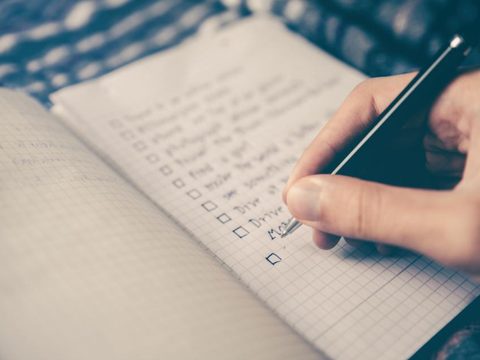
- Visit Bora Bora
- Travel solo to Asia
- Take a cruise to Antarctica
- Make a scrapbook
- Get a tattoo
- Fly in a private jet
- Learn to cook paella
-
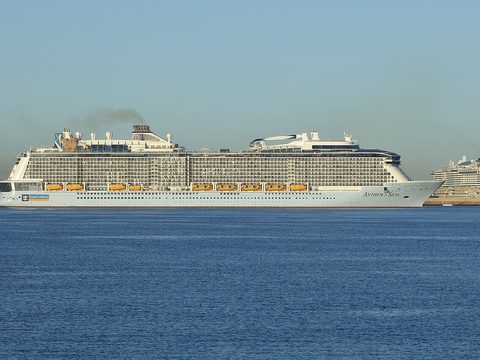
Photo 1: a big white ship with hundreds of windows, on a blue sea. Which item on the list is it?
A ship like this is for a cruise: a vacation on the sea. The photo does not show where the ship is — only that the writer took a cruise.
-
Photo 2: a big pan of yellow rice with shrimp and mussels on top.
Paella is a rice dish from Spain, cooked in a wide, flat pan.
-
Photo 3: three small butterflies and a few words on someone's arm.
Pictures and words on the skin that do not wash off: a tattoo.
-
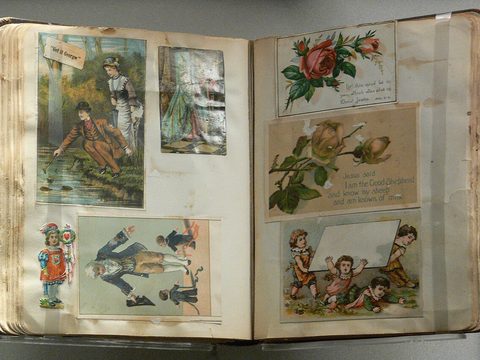
Photo 4: an open book with photos glued on its pages.
A scrapbook keeps the little things from a trip — and here, maybe the photos of the cruise.
-
So which of these is still on the writer's list?
Four photos, four things done. Bora Bora, Asia and the private jet are still dreams.
Now talk. Tap a card when you have answered it.
Useful language
Dreams and trips
Click a word, then click its meaning. Correct pairs turn green. The audio button says the word.
Complete the sentences
Click a word in the bank, then click a gap. Click a filled gap to clear it. Each word goes in one sentence only.

 Seeing the pyramids in Egypt is number one on my
_____.
 My grandparents took a
_____ to Alaska: they slept on the ship and saw a new town every day.
 She glues all her concert tickets and old photos in a
_____.
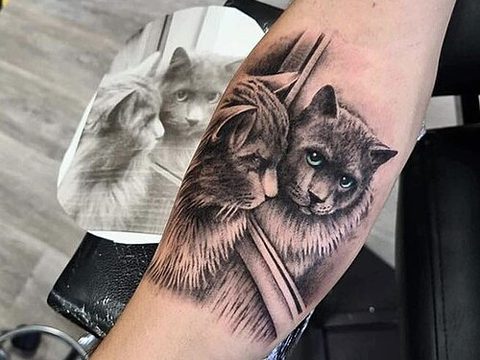 He has a small
_____ of a cat on his arm, and his mom hates it.
 The singer never waits in line at the airport: she flies in her own
_____.
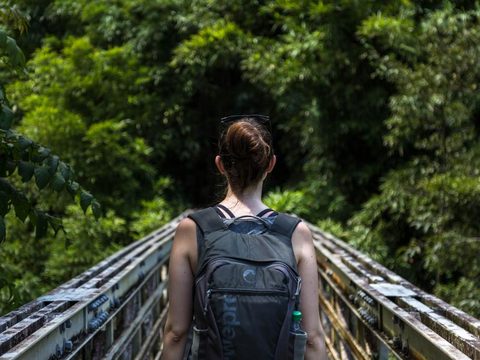 My sister likes to travel
_____: she goes with nobody and makes new friends on the way.
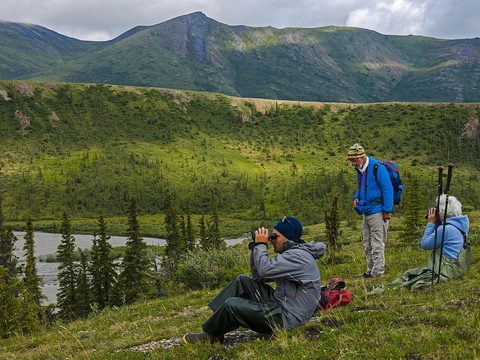 The park was new to all of us, so our group walked around for three days to
_____ it.
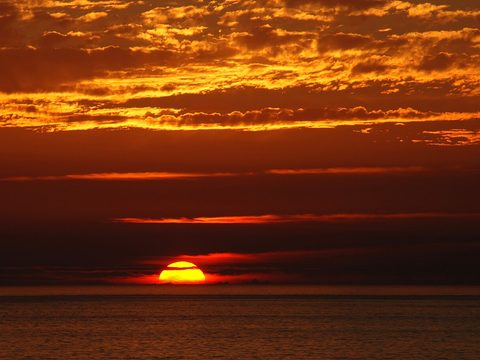 Every evening we sat on the beach and watched the
_____ — the sky turned orange and pink.
Five countries before thirty
Read Emma's story, or listen to it one paragraph at a time. Words with a dotted line have a short explanation: click them. Look at the verbs after wanted, decided and hoped.
When Emma was a little girl, she loved looking at pictures of beautiful places. She imagined herself there and wanted to travel the world.
At eighteen, the dream was still there, so she decided to make a bucket list: all the things she wanted to do in her life.
The first goal on her list was a big one. She hoped to visit five countries before she turned thirty, but she had no idea how.
Travel costs money, so first she needed to save. She got a job at a small café and worked long hours, serving coffee all day.
She also planned to visit Spain one day, so she learned to speak Spanish after work. Her days were full from morning to night.
Some days were very hard, and she felt like giving up. But every time, she remembered her dream and kept going.
After three years of saving, she finally bought her first plane ticket — to Italy! She was nervous, but she was excited too.
Those three years made the trip special, so she promised to make the most of every moment. In Rome, she walked the old streets and ate amazing pasta.
She enjoyed Rome so much that she almost forgot to take pictures. She watched the sunset over the Colosseum and felt more alive than ever.

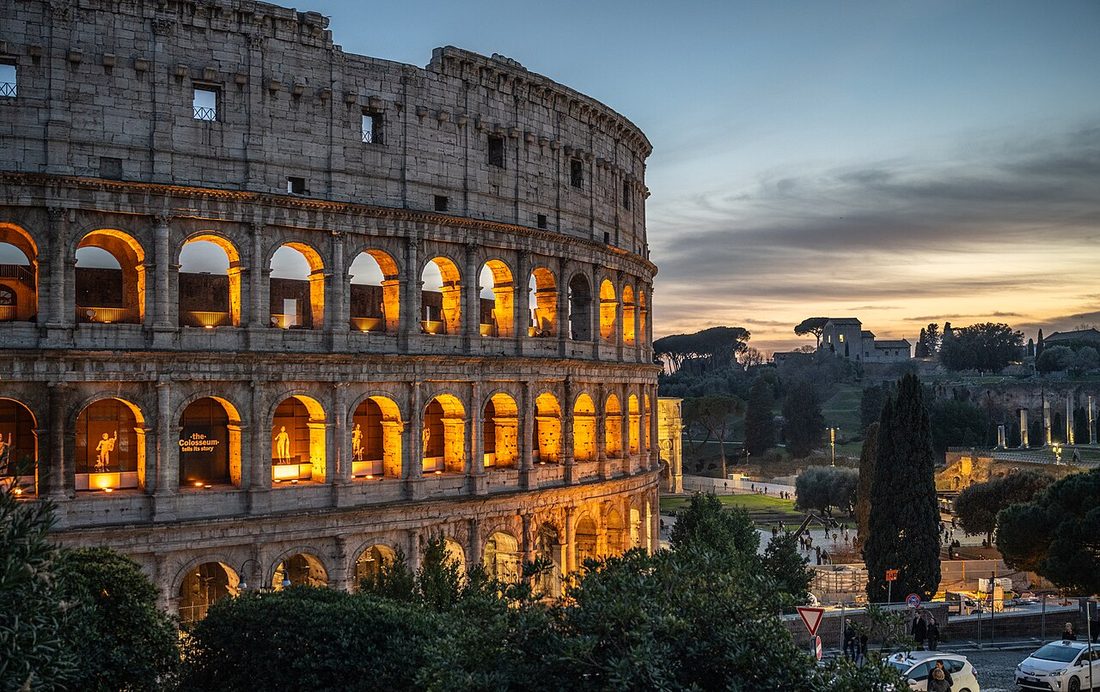
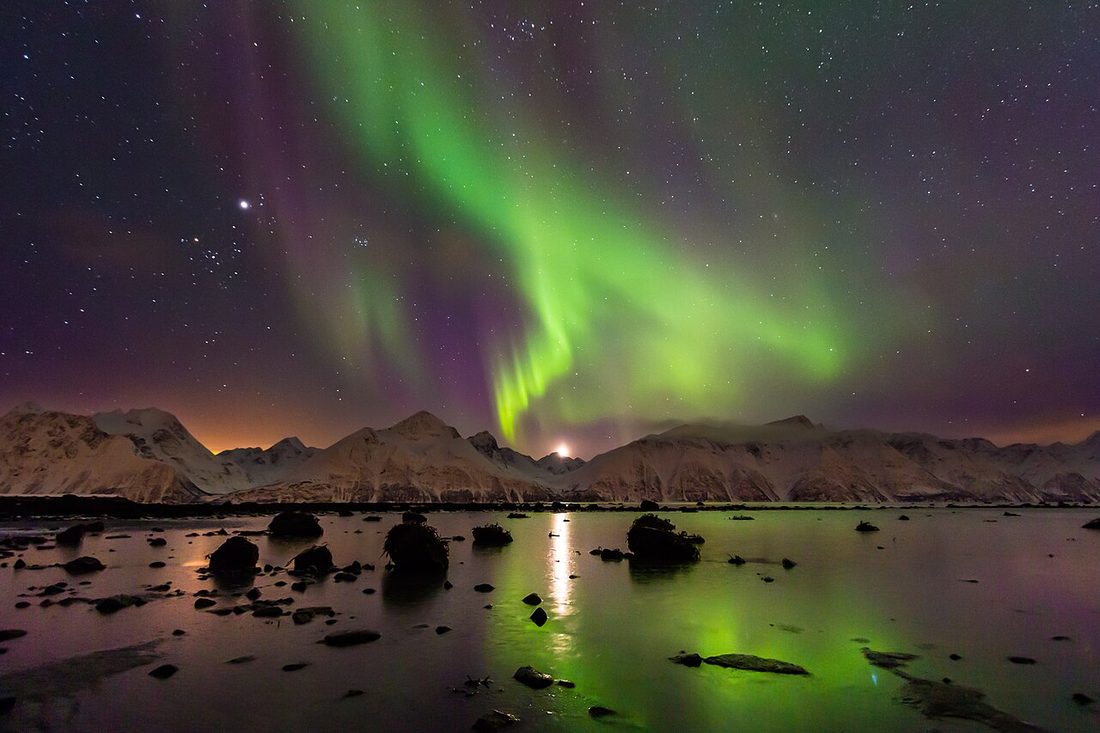
The trip changed her, so she kept traveling: she saw the Northern Lights in Norway and danced in Brazil. Her dream came true because she never gave up.
Multiple choice
Click an answer and you get the result right away, with the reason.

-
What did Emma love as a little girl?
She looked at them and imagined herself there. That is where the dream started.
-
What did she decide to do at eighteen?
The dream was still there, so she put it on paper: all the things she wanted to do in her life.
-
What was the first goal on her list?
A big goal — and at eighteen she had no idea how to do it.
-
Why did Emma get a job at a café?
Travel costs money. She worked long hours, serving coffee all day — and dreaming about her trips.
-
Why did she learn Spanish?
Spain was one of her dreams, so she studied it after work, before the trip.
-
Why were some days very hard?
Serving coffee all day, then Spanish when work was over: her days were full from morning to night.
-
What did she do when she felt like giving up?
Every time. And she kept going — the end of the story comes back to this.
-
What happened after three years of saving?
Her first plane ticket — to Italy, not Spain. She was nervous and excited at the same time.
-
What did Emma do in Rome?
Three years of work made the trip special, so she promised to make the most of every moment: the old streets, amazing pasta and, in the evening, the sunset over the Colosseum.
-
Why did she almost forget to take pictures?
She was busy living the moment. Watching the sunset, she felt more alive than ever.
-
What did Emma do after Italy?
The trip changed her: next came the Northern Lights in Norway and dancing in Brazil.
-
Which sentence best summarizes the story?
A list at eighteen, three years in a café, Spanish after work, hard days — and she kept going every time. Nobody gave her the trip: she built it.
What's on your bucket list?
People in Australia answer one question: what is on your bucket list? Watch the whole video once — it is about a minute long. Then watch again and answer. The stamp shows where to look.
-
What do most of the people talk about?
China, Africa, Japan, Alaska, islands in the Indian Ocean, Australia: almost every dream in the video is a trip. Near the end, one person talks about family and friends.
-
The first person would write a list. A list of what? 00:04
"A list of places that I wanted to go and see" — and then see how many are done. That is a bucket list.
-
"I'd like to see China, Africa…" How does it end? 00:13
"Any place where we are, we love it." Look at the start, too: I'd like to see — you study that in Exercise 07.
-
"Probably just travel more…" What else does this person want to do? 00:21
"…and explore the world and meet as many people as I can."
-
The next person already traveled a lot. Which countries does this person name? 00:31
This person traveled "all over the world" and calls it "the most amazing" thing in life.
-
"I'd love to go to Japan…" How does it end? 00:42
Two dreams, and the same words twice: I'd love to go.
-
Why doesn't the speaker's husband want to go to Alaska? 00:45
"My husband is not interested in Alaska — too cold." Two people, one bucket list: not always easy.
-
"French islands…" Where are they? 00:48
Islands that belong to France, but in the Indian Ocean — very far from France itself.
-
What does the speaker say about those islands? 00:49
"If you go there, you never come back" — it is so beautiful that you don't want to leave.
-
The next person wants to see the grandchildren in their… 00:53
"…my grandchildren in their sport and their achievements, and my beautiful children and my friends." Not a trip: family and friends.
-
Where would the last person like to travel more? 01:04
"I would probably travel more around Australia again" — the dream is at home.
Verb + to + infinitive

Two verbs together need a bridge. After want, hope, need and would like, the bridge is to, and the second verb never changes — not in the past, not with he or she.
- 'd = would: I'd like to see the pyramids. = I would like to see the pyramids.
- Would like to = want to, but softer and more polite — for now or for the future.
- Would you like to…? invites someone or asks about a dream: Would you like to try surfing? With a thing, there is no to: Would you like a coffee?
- Negative: I don't want to fly. · She wouldn't like to live alone.
- Past: only the first verb changes. They decided to move to
Canada. — never
decided to moved. - Would like or like? I'd like to travel = I want to (a wish). I like traveling = I enjoy it, in general. After like and love, to is also possible (I like to travel), but after would like, would love and would prefer, only to. After enjoy, only -ing.
-
In the video: "I'd love to go to Japan." What does 'd mean here?
I'd love and I'd like are always I would. It is a dream, not something that happened.
-
"I'd like to see China." What comes after would like?
To + the base form of the verb, with nothing added: to see, never
to saworseeing. -
They hope ___ a bigger apartment next year.
Hope is one of the to verbs: hope to find.
-
Would you like ___ dinner with us on Friday?
An invitation with a verb: Would you like to have…?
-
I'd like ___ glass of water, please.
After would like comes a verb with to, or a thing with no to. A glass of water is a thing.
-
Which sentence is correct?
The past is already in decided. The second verb stays in the base form.
-
Which sentence is WRONG?
The bridge is missing: wants to visit. Brazilian students often drop it, because Portuguese says quer visitar.
-
Which sentence is about something you enjoy in general?
I like cooking is about your life in general. The two sentences with I'd like are wishes, for tonight or the future.
-
A: Would you like to go skydiving with us? B: ___
In a short answer the to stays, alone at the end. I love going talks about your life in general, not about this invitation.
Complete with to + a verb
Write to + one verb from the list. Use each verb once: be · buy · call · climb · travel · learn · visit · have · live · see. Where two verbs work, both are accepted.
-
aI want ___ the world and experience different cultures.
-
bShe decided ___ a house by the beach.
-
cShe hopes ___ a famous singer in the future.
-
dHe decided ___ a new language to help with his career.
-
eWe are planning ___ Paris next summer.
-
fI would like ___ my own business in the future.
-
gThey promised ___ me from the airport when they land in New York.
-
hI wouldn't like ___ far from my family.
-
iWould you like ___ a mountain one day?
-
jI expect ___ beautiful places on my trip.
To or -ing?
Choose the correct form. Look at the first verb: is it a to verb, or enjoy?

-
I want ___ to many countries before I turn 40.
Want always takes to.
-
Would you like ___ a new language in the future?
Would like: a wish for the future, so to.
-
I love ___ languages and dreaming about the future.
After love, both forms exist — but the sentence continues with and dreaming, and two verbs joined by and take the same form.
-
I enjoy ___ my future adventures.
Enjoy never takes to. Notice the double n: plan → planning.
-
Do you hope ___ your biggest life goal?
Hope looks at the future, and it takes to.
-
He decided ___ his own business next year.
The decision is in the past; the business is in the future. Decide takes to.
-
On our trip to Chile, we expect ___ some beautiful places.
Expect is on the list of to verbs, with hope and plan.
-
I need ___ money for my dream vacation.
Just like Emma: she needed to save.
-
She's planning ___ bungee jumping on her next vacation.
Plan takes to, also in the present continuous: she's planning to…
-
Would you prefer ___ in a big city or a small town?
Would prefer works like would like: only to.
-
Which sentence is WRONG?
Enjoy is the one verb here that never takes to.
Emma's verbs
Don't look at the story. Write the first verb in the past and the second verb with to. Example: choose · stay → chose to stay.
-
want · travelAs a little girl, Emma ___ the world.
-
decide · makeAt eighteen, she ___ a bucket list.
-
hope · visitShe ___ five countries before she turned thirty.
-
need · saveTravel costs money, so she ___ first.
-
plan · visitShe ___ Spain one day.
-
learn · speakSo after work, she ___ Spanish.
-
promise · makeBefore the trip, she ___ the most of every moment.
-
forget · takeIn Rome, she almost ___ pictures.
Talking point
Part A is about the video and Emma, Part B about your life, Part C about what you think — always say why. Plan your answers for a minute first, then take turns to ask and answer.

Useful language
My bucket list
50–80 words. Write six to eight things for your own bucket list, with a different verb each time: I want to…, I hope to…, I'd love to…, I'm planning to…, I need to… Add because… to two of them. Then share your list with a partner, if you wish: did you have any similar ideas? Is there anything on your partner's list that you want to add to yours?
My results
Check your score, then copy it and send it to your teacher on WhatsApp.

One job for this week. Every day, write one line of your bucket list on your phone, in English, with a different verb: I want to…, I hope to…, I'd love to… Seven days, seven dreams — and bring the list to our next class.