The Store with No Checkout
Carla flies from São Paulo to Seattle to see a store where nobody pays at a checkout. One trip brings back eight classes: superlatives, going to, would like, articles, could, the present perfect and questions.
Can you do all of these?
Answer in full sentences. Tap a card when you have answered it.

Eight classes in one lesson. Everything from Class 31 to Class 38 comes back today: famous places, plans, dreams, gadgets, polite requests and the present perfect. Start with you: six things you can already do.

Useful language
Smart homes and stores
Click a word, then click its meaning. Correct pairs turn green. The audio button says the word.
Complete the sentences
Four gadgets at home, four things at the store. Click a word in the bank, then click a gap. Click a filled gap to clear it.

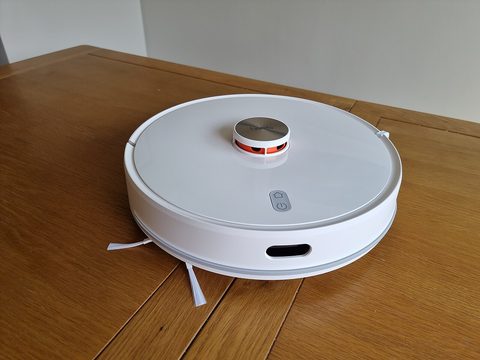 A
_____ helps keep my house clean. I don't need to sweep the floor.
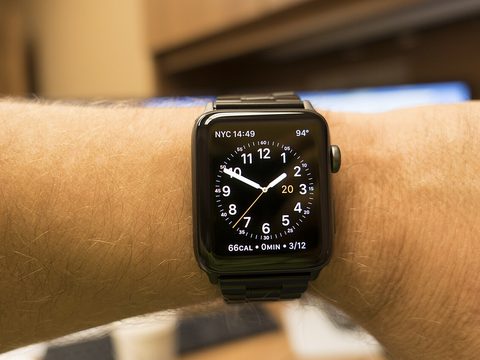 I wear a
_____ to check my steps and see my messages.
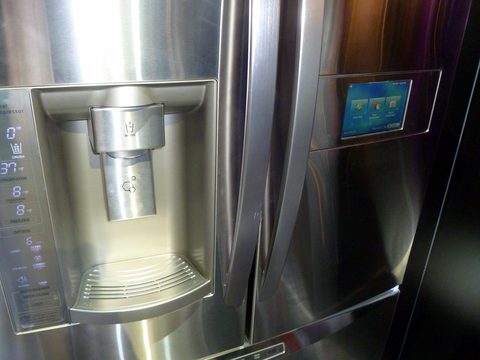 My
_____ keeps my food fresh and tells me when I need to buy milk.
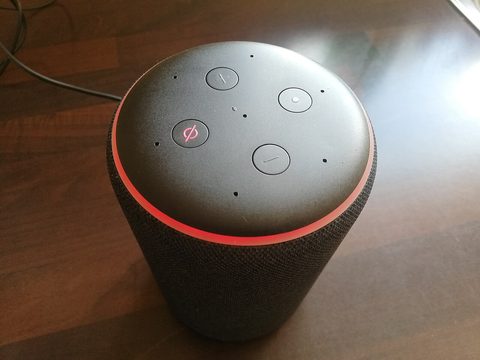 Our
_____ is a small speaker in the living room. I ask it to play music and turn off the lights.
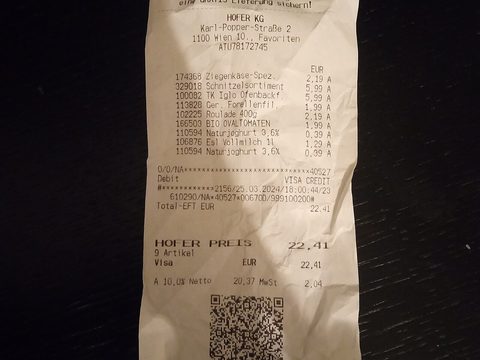 Keep the
_____. You need it if you want to return the shoes.
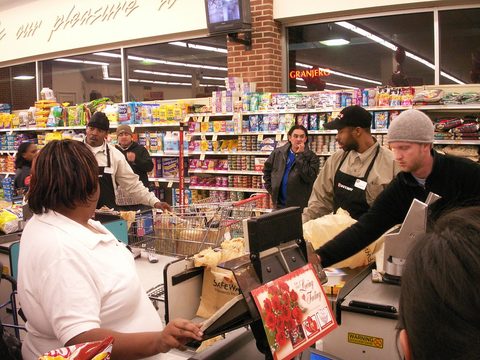 At the checkout, the
_____ said, "That's twelve dollars, please."
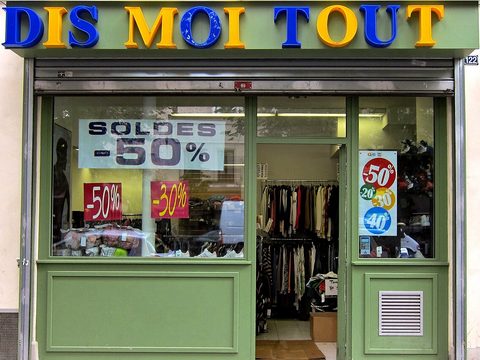 Everything is 50% off this week, so the store is having a big
_____.
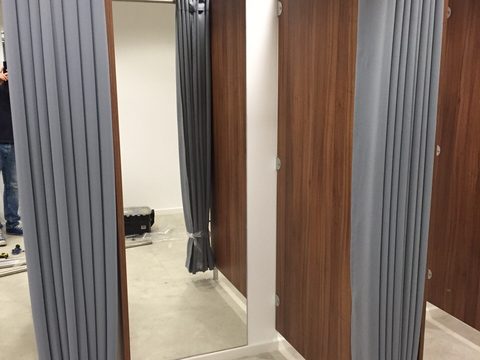 I took three pairs of jeans to the
_____ to try them on.
The store with no checkout
One trip, told in order. Tap a dotted word to see what it means. Look for going to, would like, the superlatives and the present perfect: they are all here.
Last spring, Carla was at her desk in São Paulo when her smartwatch buzzed. It was her boss: "Could you come to my office, please?"
"We're going to make an app for stores with no checkout," her boss said. "You're going to lead the team. But first, you need to see Amazon Go."
That night, Carla booked a ticket to Seattle, the home of Amazon. "I've never been to a store with no checkout!" she told her dad at dinner.
In Seattle, she used the Amazon Go app to enter the store. There was no cashier and no line, only shelves, food and cameras.
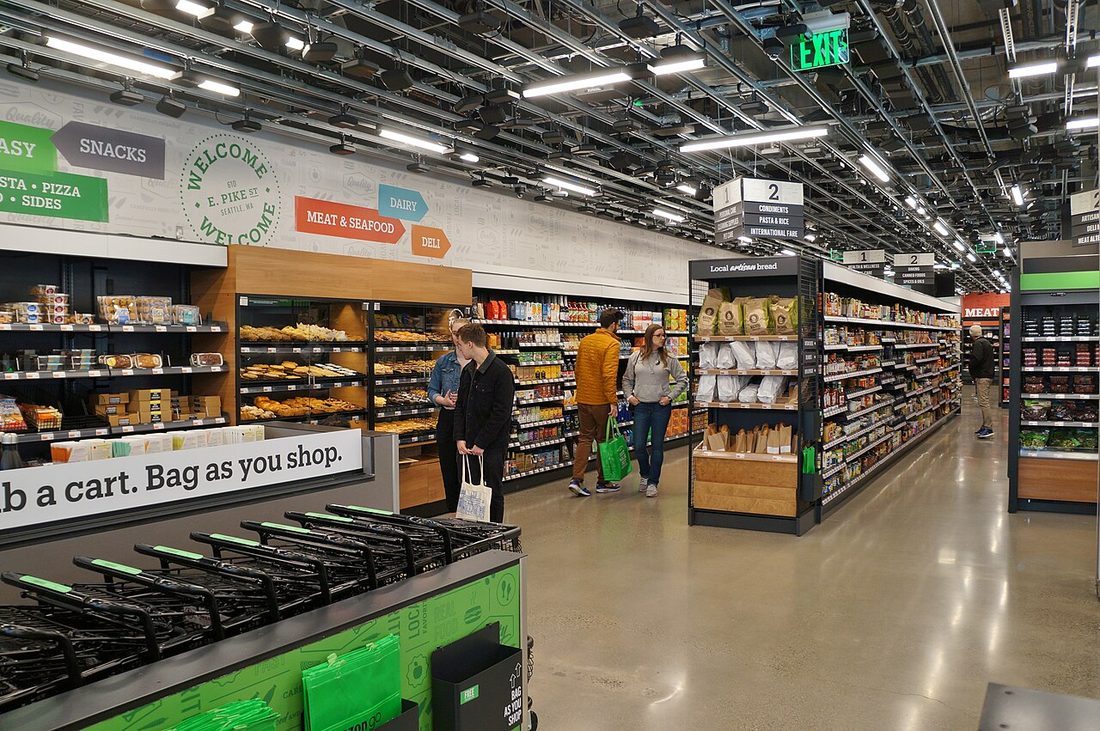
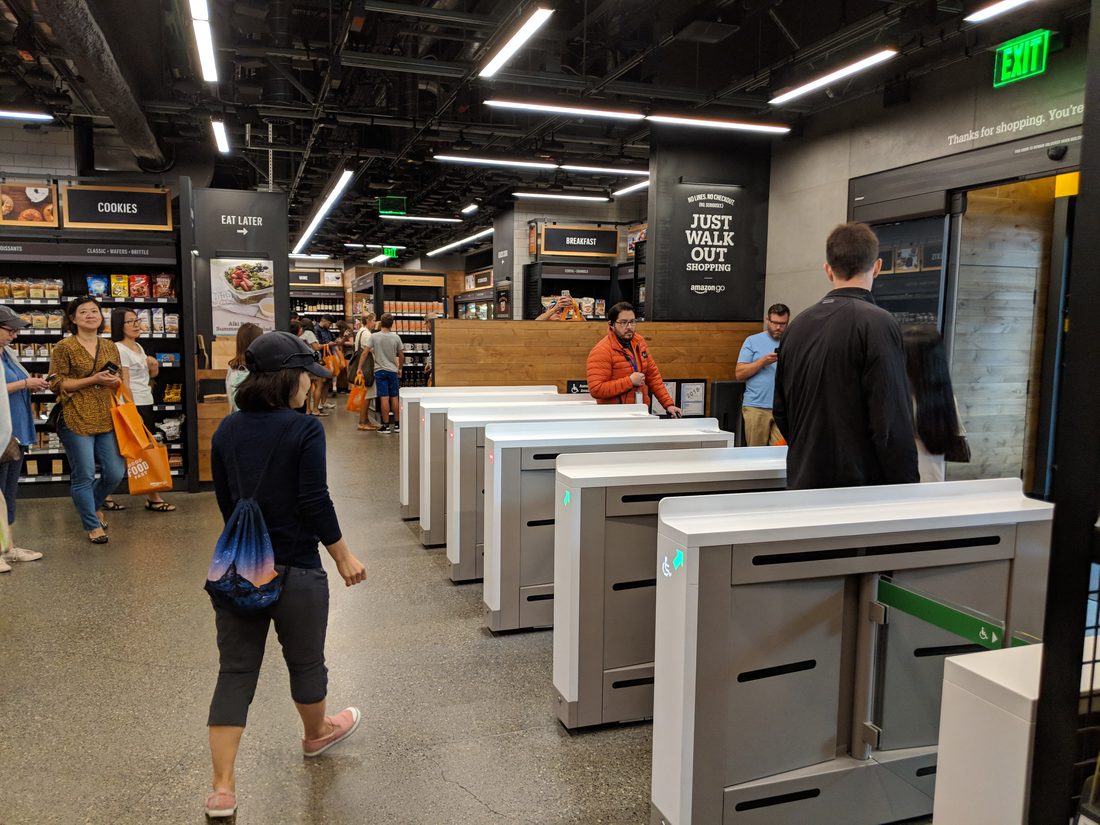
She grabbed a sandwich and a juice, put them in her bag and walked out. Nobody stopped her, and nobody asked for money.
For a minute, Carla felt like a thief. Then her phone buzzed again. It was the receipt, with the sandwich, the juice and the total price.
It was the fastest and easiest shopping trip of her life, so she went back every day that week. She took photos of everything.
Carla came home with her photos, but her dad wasn't there. A message on the smart fridge said: "Dad has gone to the supermarket. Back soon!"
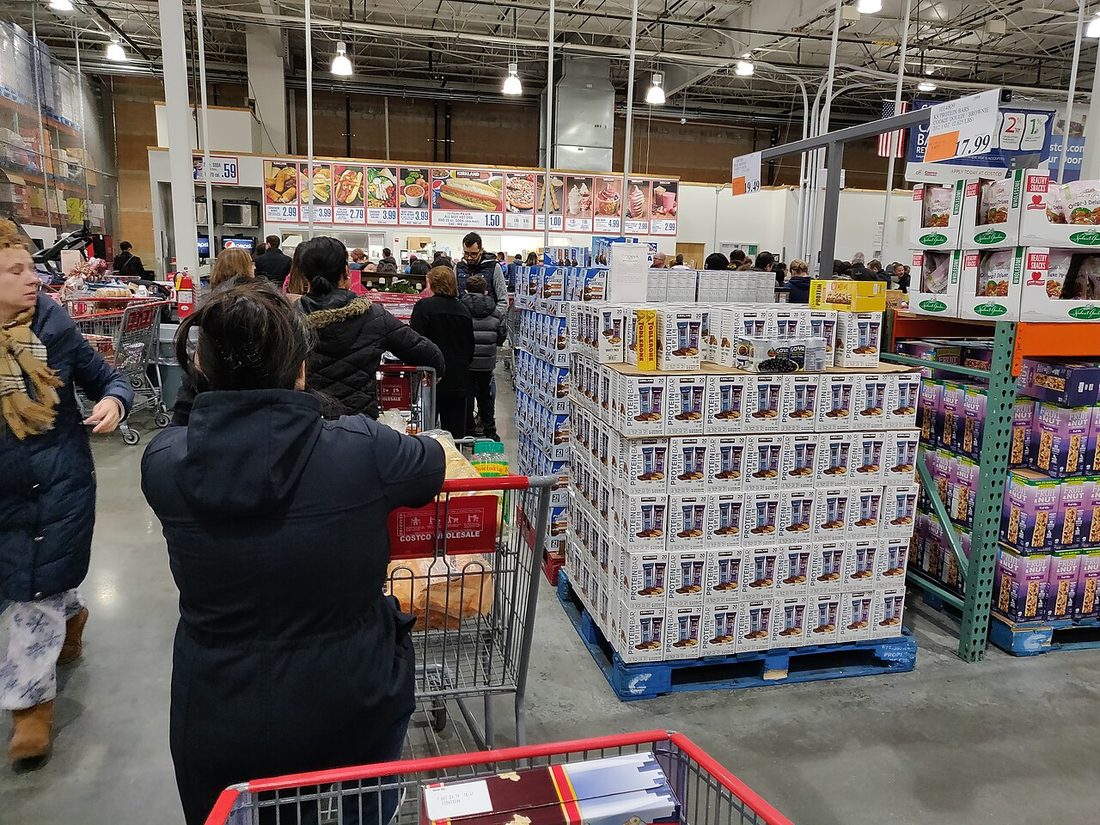
He came back two hours later, tired and angry. "I waited in line for forty minutes! It's the slowest supermarket in the city!"
That gave Carla an idea. Now she would like to open her own store with no checkout, and her dad is going to be the first customer.
Multiple choice
Click an answer and you get the result right away, with the reason.

-
Where was Carla when her smartwatch buzzed?
She was at work, and the message was from her boss: a polite request, "Could you come to my office, please?"
-
What was her boss's plan?
A plan for the future, so he used going to: "We're going to make an app." And Carla's job is to lead the team.
-
Why did Carla go to Seattle?
Her boss said she needed to see Amazon Go first, and Seattle is the home of Amazon.
-
What did Carla tell her dad at dinner?
Never + the present perfect: at no time in her life. After the trip, she can say, "I've been to one!"
-
How did Carla enter the store?
The app opens the way in. Inside there was no cashier and no line, only shelves, food and cameras.
-
What did she do after she put the food in her bag?
No checkout and no cashier: she just walked out. That is the whole idea of the store.
-
Why did Carla feel like a thief?
She took food and left, and nobody stopped her. It felt wrong, but it is the normal way to shop there.
-
Why did her phone buzz the second time?
The receipt showed the total price, too. She didn't steal anything: she paid through the app.
-
Why did Carla go back every day that week?
"The fastest and easiest shopping trip of her life": two superlatives. And every day she took photos of everything, for her team.
-
Where was Carla's dad when she came home?
The smart fridge said, "Dad has gone to the supermarket." Gone, not been: he was still there.
-
Why was her dad tired and angry?
"It's the slowest supermarket in the city!" In Seattle there was no line at all. That difference gave Carla her idea.
-
Which sentence tells the whole story?
Her boss sends her to Seattle, the store with no line surprises her, and her dad's forty minutes in line show her the problem at home. Now she would like to open her own store, and her dad is going to be the first customer.
Verbs people mix up
Class 35 verbs. Two verbs, one gap: choose the one that fits the sentence.
-
I always ___ my favorite jacket when it's cold.
You wear clothes, shoes and watches. You use things like a computer or the internet.
-
She ___ her keys yesterday and couldn't get into the house.
You lose objects: your keys, your phone. You miss a bus, a class or a person.
-
Did you ___ that picture in the art gallery?
A picture doesn't move, so see. You watch things that move: a movie, a game, TV.
-
He didn't ___ my birthday this year. I was so happy!
The speaker was happy, so he didn't forget it. "He didn't remember my birthday" is a sad sentence.
-
Please ___ carefully to the teacher's instructions.
Listen to means you pay attention. Hear just means a sound arrives in your ears: I heard a noise.
-
My mom always ___ the laundry on weekends.
Do the laundry, do housework, do homework. Make is for things you create: a cake, a phone call.
-
We ___ the bus and had to walk home.
The bus left without them: they missed it. Lose is for objects you can't find, or for a game.
-
Which sentence is WRONG?
You borrow from somebody, and you lend to somebody. The person who takes the pen says: Can I borrow your pen?
Superlatives, going to and would like

Three classes, three questions. Two things, or one thing in a group? A plan for the future? A wish, or something you enjoy in general? Answer the question first, and the form comes with it.
- Comparatives, for two things: short adjectives + -er + than: old → older than · big → bigger than · easy → easier than. Long adjectives: more expensive than.
- Superlatives, for one thing in a group: the + -est: the oldest · the biggest · the easiest. Long adjectives: the most expensive. Irregular: good → better → the best · bad → worse → the worst.
- Be going to + verb, for plans and predictions: I'm going to call my grandma on Sunday. · Is she going to study tonight? · We aren't going to buy a car this year.
- Would like + to, for a wish: I'd like to see snow one day. Like + -ing, for what you enjoy in general: My dad likes cooking.
-
The Burj Khalifa is ___ building in the world.
One building compared with all the buildings in the world: the superlative. Tall is short, so -est, never
the most tall. And the superlative needs the. -
The Leaning Tower of Pisa is ___ the Torre del Oro in Spain.
Two places and than: the comparative. Famous is a long adjective, so more famous. More and -er never go together.
-
What's ___ restaurant to eat local food?
One restaurant, the number one in the city: good → better → the best.
Goodestdoesn't exist. -
They aren't ___ next month.
Be going to + the base verb: aren't going to travel. The to can't disappear, and no -ing after it.
-
___ their family in Spain?
In a question, be comes before the person: Are they going to…? They are going to visit is a statement, and the question mark can't change that.
-
I would like ___ my own business in the future.
A wish for the future: would like + to + verb. It means I want to start, only more polite.
-
She doesn't like ___ extreme sports.
Not a wish, but how she feels about extreme sports in general: like + -ing. (Doesn't like to try is correct too, but never
to trying.) -
Would you like ___ a new language in the future?
Would you like asks about a wish, so to + verb. In the future is the clue: it isn't about something you enjoy now.
-
Which sentence is WRONG?
Easy is short, and y becomes i: the easiest exercise in the book.
Verb pairs
Class 35 verbs come in pairs. Write the partner of each verb: four pairs are opposites, and one is a search and its happy ending. Choose from: find · lend · take · turn on · turn up.
-
aturn off
-
bborrow
-
cbring
-
dlook for
-
eturn down
Articles and polite requests
The dash — means "no article", as in Class 34.

Two small questions before every noun. Is this the first time I mention it? Is it one thing that everybody knows? And before every request: do I want to sound more polite? Then could, and the person comes right after it.
- A / an the first time, then the: I bought a new phone. The phone has a great camera.
- The for things there is only one of: the sun · the moon · the sky
- No article for things in general: I love music. · Kids like games.
- No article with meals, some places and transport: have breakfast · go to bed · at home · at school · by bus
- Could + person + base verb, for polite requests: Could you close the door, please? No -s, no -ing and no to after could.
-
We can use ___ internet with a lot of gadgets today.
There is only one internet, and everybody knows which one: the internet, like the sun.
-
He has ___ lunch while working on his laptop.
Meals take no article: have breakfast, have lunch, have dinner.
-
I love reading ___ blogs about the latest tech trends.
Blogs in general, not blogs we talked about before: no article. And a can't go with a plural.
-
My sister is ___ work developing a new app.
Work is one of the places with no article, like home and school: at work.
-
___ me with my homework, please?
Could + person + base verb. You could help is a statement, and Can help has no person.
-
Which sentence is WRONG?
A meal, so no article: She has breakfast at seven every day.
Past participles
Class 36: be → was / were → been. Now write the past participle of the verb on the left. All nine are irregular, and one of them has an American form and a British form: both are accepted.
-
goMy mom isn't here. She has ___ to the bank.
-
seeHave you ever ___ the Burj Khalifa at night?
-
takeI've ___ a hundred photos on this trip.
-
eatWe've never ___ Thai food.
-
makeCarla's team has ___ a new shopping app.
-
buyHave you ever ___ clothes online?
-
getMy brother has ___ a new job in Seattle.
-
haveWe've ___ a lot of fun on this vacation.
-
driveHave you ever ___ a car in another country?
The present perfect or the past simple?

One question decides the tense: do we know when? No time, or a life experience: the present perfect. Yesterday, last week, in 2023: the past simple. And watch been and gone: been came back, gone is still there.
- have / has + past participle: I've tried sushi. · She hasn't called me. · Have they arrived?
- Life experiences, with ever and never: Have you ever lost your passport? · I've never seen snow.
- A time word means the past simple: I went to the beach last Sunday. Never
I've gone to the beach last Sunday. - been = went and came back: Paul has been to Chile. (He's home now.) gone = still there: Paul has gone to Chile. (He's in Chile now.)
-
She ___ the tickets for the trip.
She takes has, and book is regular: booked. Is booked doesn't work: she did the booking.
-
They ___ to Paris three times.
They takes have. Been, because they went and came back, three times. Went is the past simple, never after have.
-
I ___ breakfast today.
Have + the participle of have, which is had. Didn't alone has no verb: it needs didn't have.
-
We ___ that movie before.
Before, with no exact time: an experience, so the present perfect. Have + participle: watched, or seen, never
see. -
He ___ his phone! He can't find it.
It happened recently, and the result is now: he can't find it. Lose is irregular: lose → lost → lost.
-
I ___ what I'm looking for on the Amazon website.
I'm still looking, so the present perfect. Find is irregular: find → found → found.
-
___ something you didn't like?
A life experience with ever: Have you ever + participle. After did, the verb can't have -ed, and after have it can't have -ing.
-
We ___ the Amazon Go app to enter the store yesterday.
Yesterday is a time word, so the past simple. The present perfect never goes with yesterday.
-
___ to a store with no checkout.
Never is already negative, so no haven't with it. And after have comes the participle: been, not went.
-
My dad isn't home. ___ to the supermarket.
He isn't home, so he is still at the supermarket: gone. He's been means he went and came back.
-
I ___ a snack at Amazon Go for the first time last weekend.
Last weekend is a time word, so the past simple: I bought. With a time word, no have.
-
Which sentence is WRONG?
Yesterday asks for the past simple: I bought a new phone yesterday.
Which auxiliary?
Class 38: many questions start with a small verb, the auxiliary. Look at the main verb first: its form tells you the tense, and the tense tells you the auxiliary.
- Present: Are you happy? · Do you cook? · Does he drive? · Can you swim?
- Past: Was it good? · Were they sleeping? · Did you call her?
- Present perfect: Have you ever cooked for ten people? · Has she called?
- With a question word: question word + auxiliary + person: Where did you go? · What are you reading?
- Short answers repeat the auxiliary: Do you like it? — Yes, I do. · Has she called? — No, she hasn't.
-
___ she post every day?
Post is a normal verb in the present simple, and she takes does. Is would need posting.
-
___ he ever been to Madrid?
Been is a participle, so the present perfect: has + he + been. Ever is the second clue.
-
What ___ you doing in São Paulo last week?
Doing + last week: the past continuous, were + person + -ing. Did never goes with -ing.
-
___ she run fast?
An ability, with the base verb run: Can she run fast? With is, the verb needs -ing, and she never takes are.
-
Which question is WRONG?
Did already shows the past, so the verb goes back to the base form: Did you go to the party?
Questions about Carla
The answers are in the reading, Exercise 04. a–e: write the auxiliary, one word. f–j: give a short answer that is true for the story, like Yes, he can or No, it wasn't.

-
a___ Carla work in São Paulo now?
-
b___ Carla ever bought food at Amazon Go?
-
c___ she use the app to enter the store on her first day?
-
d___ there a line at Amazon Go when Carla walked in?
-
e___ her dad going to be the first customer?
-
fHas Carla been to Seattle?
-
gDid Carla pay at a checkout?
-
hWas her dad at home when she came back?
-
iWere the lines at the supermarket long?
-
jWould Carla like to open her own store?
Stores, gadgets, you and your opinion
Answer in full sentences. Part A is about Carla, Part B about you, Part C about what you think.
A · Carla's story
B · You
C · What do you think?
Useful language
A place I've been to
60–90 words. Write about a store, a building or a city you have been to. Say when you went (past simple), what was the best or the most surprising thing there, and what you would like to do or are going to do next time.


My results
Check your score, then copy it and send it to your teacher on WhatsApp.

One job for this week. Ask three people a "Have you ever…?" question in English. When somebody says yes, ask "When did you…?" The present perfect opens the conversation, and the past simple tells the story.