Zumba: How a Mistake Sparked the Fitness Craze
A teenage dance teacher forgets his music on the day of a class, finds a tape of Latin songs in the car and improvises for a whole hour. That mistake became Zumba. The true story, and the two past tenses that tell it.
Warm-up
Ask and answer with a partner, or with me. Play the word game on the third card. Tap a card when you have answered it.

Some people love exercise, and some people hate it. Today you meet a man who turned exercise into a party, by mistake. Listen to how his story is told: what was happening, and what happened. That is the grammar of this class.
Useful language
Words from the story
All eight words appear in the video or in the reading. Click a word, then click its definition. Correct pairs turn green. The audio button says the word.
Complete the sentences
Click a word in the bank, then click a gap. Click a filled gap to clear it. Each sentence has its own clues: only one word fits.

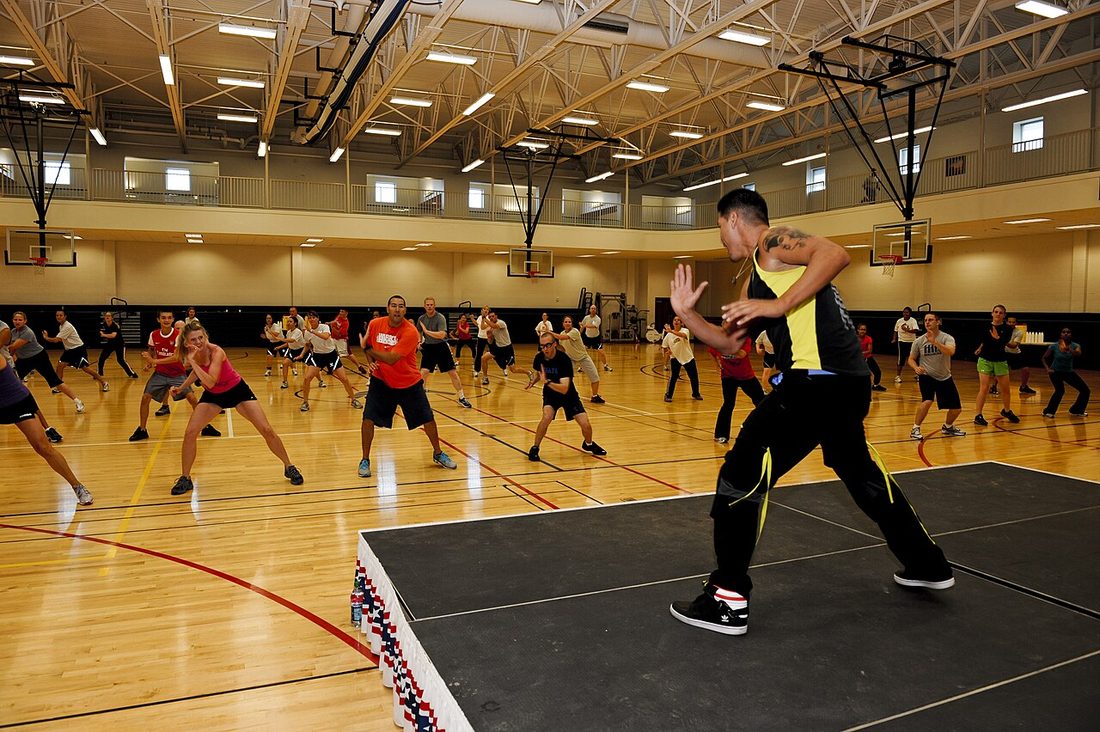
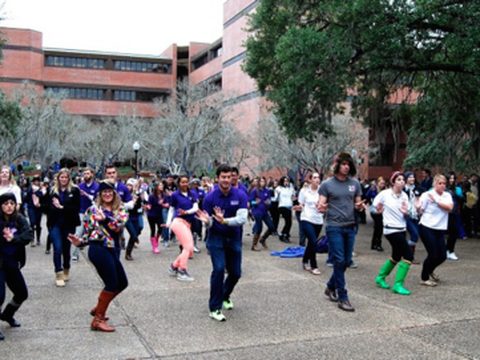 The dancers learned the new
_____ step by step, and now all twenty of them move at exactly the same time.
 For my birthday, my best friend gave me a
_____ with twenty songs that she chose just for me.
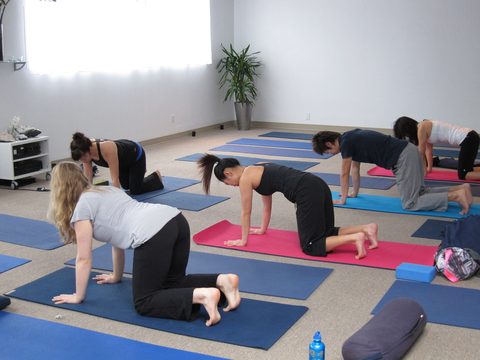 Our yoga
_____ has mirrors on every wall and a wooden floor.
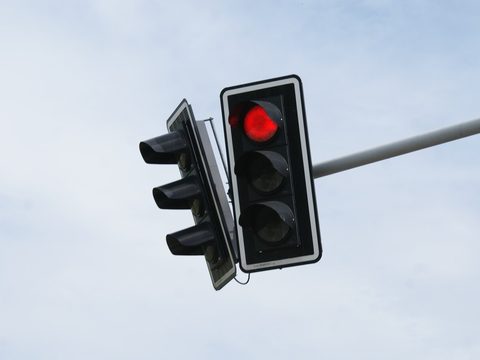 I
_____ my driving test: I drove through a red light and failed in five minutes.
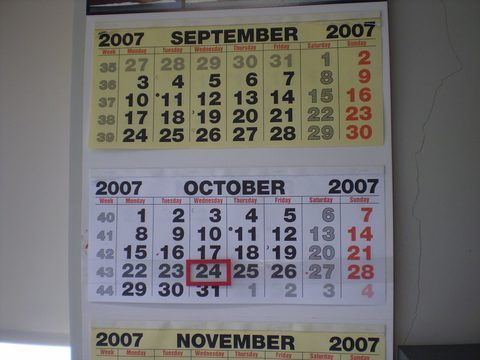 She
_____ about her best friend's birthday and only remembered it two days later.
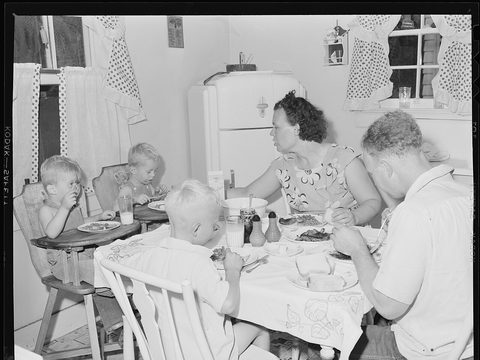 With three kids and only one salary, it isn't easy to
_____ a family in a big city.
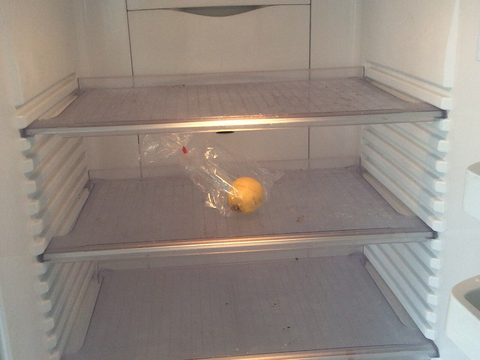 There was no recipe and almost nothing in the fridge, so Dad had to
_____ and make dinner with eggs, rice and one tomato.
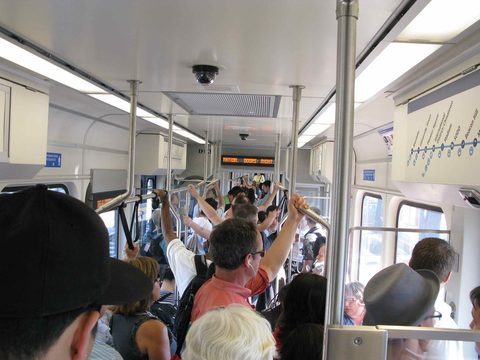 The train was so
_____ that we couldn't find a seat and stood for the whole trip.
The class without music
Watch the video first: about two minutes, from BBC World Service, with captions. Then read the story. The past continuous is in bold. Tap a dotted word to see what it means.
Beto Perez was six when he saw the movie Grease, and it awakened a passion for dance in him. After that, he liked to imagine that he was John Travolta, the movie's star.
But at 14, Beto lived through a terrible day: a thief shot his mom in the leg, right in front of him. From then on, nothing was the same for him.
While his mom was recovering, it was Beto who had to support the family. Life was hard: he took two jobs, and he was still a teenager.
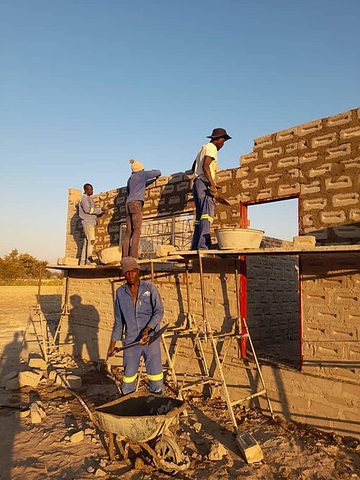
He was working in a supermarket and building houses when he finally found the job of his dreams: teaching dance. The passion from the Grease days was now his work, too.
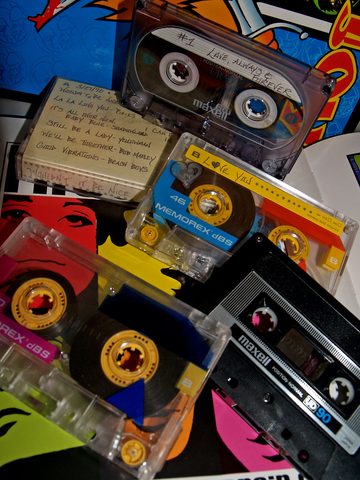
One day, though, Beto messed up: he forgot the music he always used, and a class was waiting for him. All he had was a mixtape of Latin music in his car.
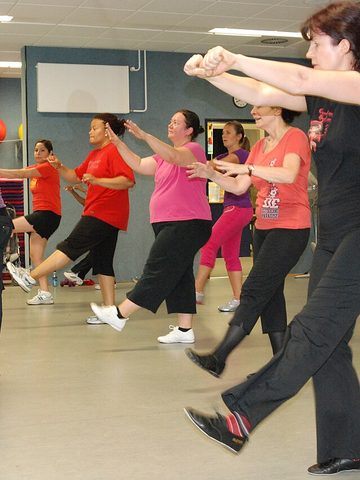
So Beto had to improvise. He put on the mixtape and invented the steps while the music was playing. Improvising for one song is one thing, but he did it for a whole hour.
The crazy idea worked: people loved the class. Beto was only 15 or 16, but after that hour he knew what he wanted to do for the rest of his life.
Soon, his classes were in demand. He taught twice a week, then three times a week, and the studio was getting more crowded. The owner was happy: new members were coming all the time.
People noticed his choreography, too: even Shakira, the Colombian pop star, wanted it. Then, in 1999, he started a new life in the United States, where he and two friends launched Zumba.
From there, his classes with Latin music spread around the world: Beto talks about more than 15 million Zumba classes. Most people hate exercise, he says, but in Zumba they forget they are exercising.
Multiple choice
The stamp shows the moment in the video. Click an answer and read why.

-
How does the video introduce Beto Perez? 00:16
A choreographer plans the steps of a dance: the job comes from choreography, a word from Exercise 02. The Colombian singer in the story is Shakira, and Beto moved to the United States later, in 1999.
-
What awakened Beto's passion for dance? 00:28
The movie was Grease. After it, he says, he thought he was John Travolta, the star of the movie. The passion started in front of a screen, years before any dance class.
-
What happened when Beto was 14? 00:37
It happened right in front of him, and his life "changed forever". The move to the United States came much later, in 1999.
-
Why did Beto have to start working? 00:52
"It was a very hard time," he remembers. He was still a teenager, and the family needed the money he brought home.
-
What was Beto doing when he finally found his dream job? 00:58
Two hard jobs in the background (past continuous), then the main event (past simple): he found his dream job, teaching dance. You will see this sentence again in Exercise 07.
-
What was his mistake one day? 01:07
"Then one day, he messed up," the narrator says. He had a class to teach and none of the songs he normally used, so he needed a solution fast.
-
What music did he use instead? 01:10
He found the tape in the car. Years later, the video calls his classes "Latin-inspired", and it all started with this tape.
-
Why does Beto call it a crazy idea? 01:21
Improvising for one song is one thing, he says; an hour is something else. And he was only 15 or 16 years old at the time.
-
What happened after that class? 01:28
He decided that this was what he wanted to do "for the rest of my life". The mistake did not end his career: it gave him one.
-
Why was the studio owner so happy? 01:40
Demand grew: two classes a week, then three, with more people every time. More people in Beto's classes meant more members for the studio.
-
What did Beto do in 1999? 01:50
Just before that, at 01:47, we learn that even the Colombian singer Shakira wanted his choreography. After 1999 the classes spread fast: today, Beto says, there are more than 15 million Zumba classes around the world.
-
Which sentence best summarizes the story?
The mistake did not ruin anything: it started everything. Shakira appears in one sentence, but she is not the story. Every part of the text leads from a boy who loved dance to a class that the whole world takes.
Listening for detail
Watch the video again and listen for the details. In Part 1, write the word you hear; the cue tells you if it is a bad or a good feeling about exercise. In Part 2, match each number with its fact.
Part 1 · How does exercise feel?
-
badNinety percent of people ___ exercise. 00:02
-
badPeople think that exercise is ___ … 00:05
-
bad… it ___, and … 00:05
-
good… something that is ___, … 00:05
-
good… ___, like a … 00:11
-
good… like a ___. 00:11
Part 2 · Numbers from the video
Past continuous and past simple

Two tenses, two jobs. The past continuous sets the scene: what was happening. The past simple moves the story forward: what happened. Beto's story has both, long hard years in the background and one mistake that changed everything.
- Background: an action in progress at a moment in the past. At seven o'clock, we were having breakfast.
- An action that something interrupts: the longer action is in the past continuous, the short one in the past simple. I was cooking dinner when my sister called.
- Two actions in progress at the same time: While the kids were sleeping, their parents were watching a movie.
- Negative and question: She wasn't listening. · What were they talking about?
- The main events: finished actions, often one after the other. He opened the door, looked around and left.
- Regular verbs add -ed: work → worked, launch → launched. Irregular verbs have to be memorized: see → saw, take → took, begin → began.
- While usually opens the background, and when the short event: While I was driving to work, a truck hit my mirror. · We were eating when the doorbell rang.
- State verbs (know, believe, want, like) usually stay in the past simple: He believed the story, not He was believing.
-
Beto's story in one sentence: "I was working to build houses, and finally, I found my dream job: teaching dance." What tenses are the two verbs in bold?
Was + working is the past continuous. Found is the past simple of find, an irregular verb.
-
In the same sentence, which action started first?
The building work was already in progress when the new job came along. The past continuous tells us it had started before the main event.
-
Which action is the main event?
It is the moment that moves the story forward: one finished action, in the past simple.
-
Which one is just background information?
It tells us what his life was like at the time. The past continuous paints the scene, and the main event happens inside it.
-
Timeline 1: a wavy line runs along the past, under "I was working to build houses", and stops before "now". Which tense does the wavy line show?
A wavy line is an action in progress over a period of time: was / were + verb-ing.
-
Timeline 2: a single X marks one point in the past, under "I found my dream job". Which tense does the X show?
One X, one moment: a finished action. Regular verbs add -ed; find is irregular, so we memorize found.
-
Which sentence is WRONG?
Know is a state verb, so it stays in the past simple: she knew. Practice is an action, so it can be in progress.
-
I ___ TV when you called, so I didn't hear the phone.
The TV was the background, already on when the call came. "I watched TV when you called" would mean that you turned it on after the call.
-
What ___ when the teacher walked in?
A question in the past continuous: was / were + person + verb-ing. Did goes with the base form: What did you do?
Background or main event?
Put each verb in the past continuous (background) or in the past simple (main event). When a sentence has two verbs, write both, in order, with a comma between them: for example, was sleeping, rang.
-
aWhile Jane ___ (dance) in the ballroom, she suddenly ___ (trip) and fell.
-
bThe music ___ (play) loudly and everyone ___ (move) to the rhythm when the lights suddenly went out.
-
cSarah ___ (watch) her friends dancing and having fun when she ___ (decide) to join them.
-
dThe dancers ___ (practice) their routine one last time, and then the curtain ___ (go) up.
-
eWhen the band started to play, the dance floor suddenly ___ (get) crowded.
-
fI ___ (send) three messages while I ___ (wait) for the bus.
-
gWhile the instructor ___ (talk) on the phone, we quietly ___ (stop) for a short break.
-
hIt ___ (rain) when we ___ (leave) the gym, so we took a taxi.
Talking points
Talk for about a minute about each card and ask your partner follow-up questions. Part A is about the video and the story, Part B about your life, Part C about your opinions. When you tell a story, use the past continuous for the background and the past simple for the events.

Useful language
An adventure to remember
5 to 7 sentences. Imagine you went on an exciting adventure: a hiking trip, a beach vacation or a city tour. Write about the experience and how you feel about it now. Use the past continuous for the background (what was happening) and the past simple for the main events (what happened).
My results
Check your score, then copy it and send it to your teacher on WhatsApp.

One job for this week. Every evening, tell one moment of your day in one sentence with both tenses: what was happening, and what happened. "I was waiting for the elevator when my boss called." Out loud, in English.