The Best Inventions of 2022
Every year, TIME magazine picks the best inventions. In 2022, ten of them went from a child's fingertips to a whole country. Eight technology words, and four ways to talk about the future with will.
Warm-up
Brainstorm with a partner, or with me. Click a card when you have answered it.

Before we open TIME's list, make your own. Choose three important inventions of all time, say why each one matters, and then tell the class. Later, you compare your list with the ten best inventions of 2022.
Useful language
Technology words
All eight appear in the reading. Click a word, then click its definition. Correct pairs turn green. The audio button says the word.
Complete the sentences
Click a word in the bank, then click a gap. Click a filled gap to clear it. Read the whole sentence first: the grammar and the meaning leave room for only one word.

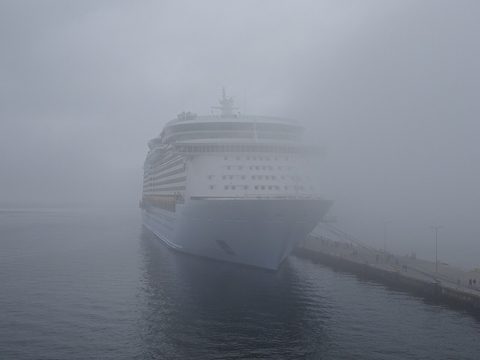 Planes and ships use
_____ to find each other in fog and darkness: radio waves hit other objects and bounce back.
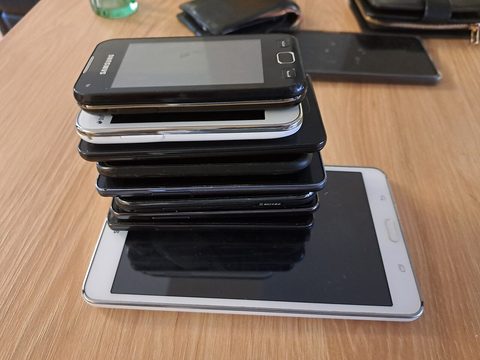 Phones, tablets, smartwatches: please turn off every electronic
_____ before the exam begins.
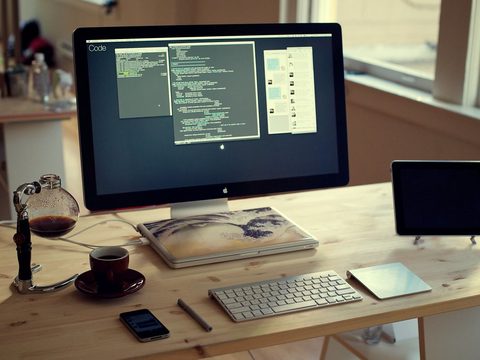 When I get to my desk, I put my laptop in its
_____, and it connects to the big screen, the keyboard and the charger all at once.
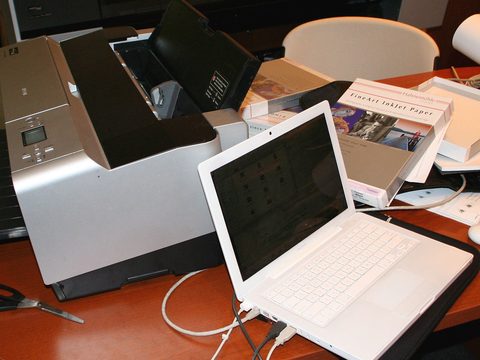 Before you buy the printer, check that it is
_____ your laptop; some older printers don't work with new computers.
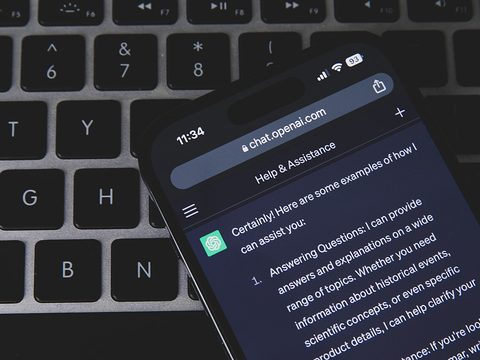 The chatbot is
_____: it has learned from millions of conversations, and now it answers questions like a real person.
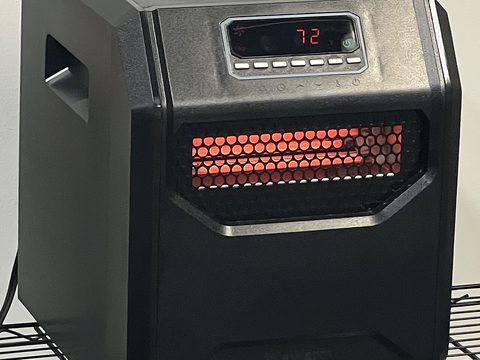 The heater weighs only four pounds and has a handle, so it's
_____: you can carry it from room to room.
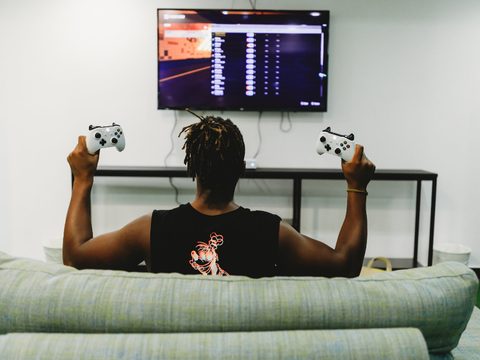 Is that a computer? No, it's a
_____: it only plays video games, and you can't send emails on it.
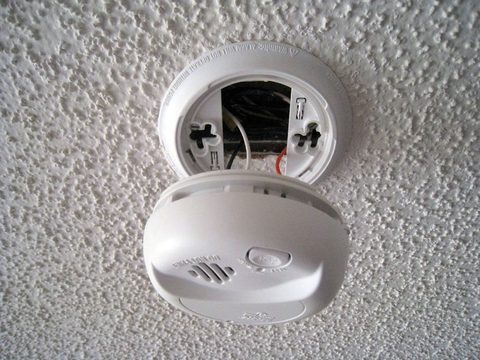 The fire alarm on the kitchen ceiling has a heat
_____: when the room gets too hot, it starts beeping.
From the fingertips to a whole country
TIME's ten best inventions of 2022, retold in order of size. Dotted words have a definition: hover over them or click them. The audio button reads each paragraph aloud.
Every year, TIME magazine lists the best inventions. In 2022 there were 200, and on December 1, TIME highlighted ten. Put in order, they travel from a child's fingertips to a whole country.
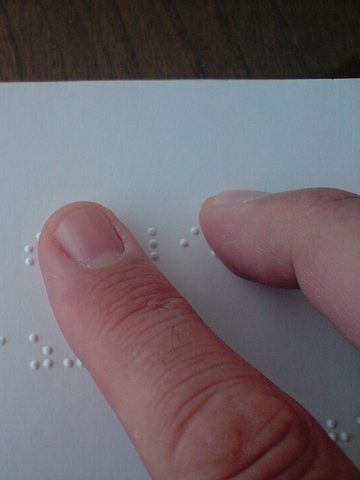
The list starts at the fingertips. Visually impaired kids learn braille at school, but many have no braille reader at home, so Polly, a Wi-Fi device, gives them audio feedback as they write.
From the fingertips, it moves to the whole hand. The Esper Hand is an AI-powered prosthetic that keeps getting smarter, with up to 24 sensors that read muscle activity and brain signals.
The eyes and ears come next. Spy Optic's Happy Boost sunglasses make colors look 30% stronger, and Teno, a portable light and speaker, is shaped like a stone bowl cracked with gold.
Then it covers the head. Two Black swimmers saw that swim caps did not fit thick, curly hair, so they made the Soul Cap. Swimming's world federation banned it, then changed its mind.
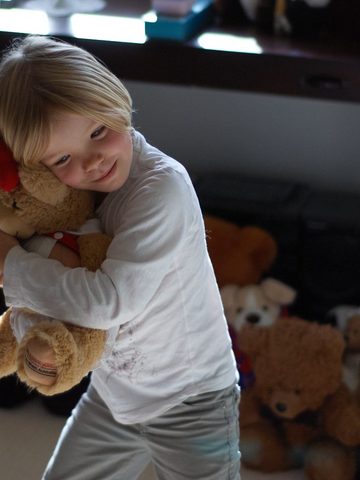
Next, it holds the whole body. Hugimals are weighted stuffed animals whose glass-bead filling makes kids feel hugged. Five children's hospitals got them, and teachers use them to calm big emotions.
Then it goes into the home. Analogue Pocket, a gaming console, looks like a 1990s Game Boy. It is compatible with nearly 3,000 old cartridges, and a dock connects it to the TV.
Next come the walls of the house. Americans waste about 64 million gallons of paint a year, and some of it pollutes the environment, so Up Paint recycles leftover paint and sells it again.
Then it rises above whole buildings. BLK2FLY is a flying laser scanner, but it is not a drone: nobody pilots it. It uses radar and cameras to fly around trees and wires.
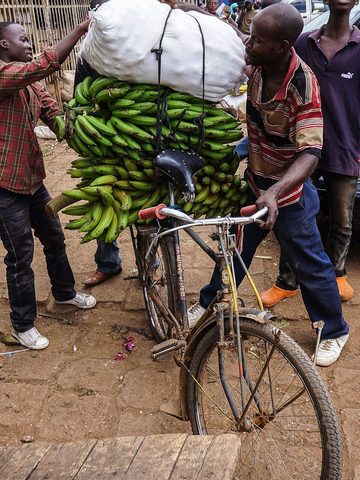
Finally, the list crosses a whole country. In rural Rwanda, farmers often move their products by bicycle, so OX Delivers lets them book truck space by cell phone at about the same cost.
Multiple choice
Click an answer and read why. The explanations add details from TIME's article that did not fit in the text.

-
Which sentence about TIME's list is true?
TIME puts out its list every year. The 2022 roundup had 200 innovations, not more, "changing how we live, work, learn, and play". And it isn't only technology: a stuffed animal and a swim cap are on it too.
-
Why do many visually impaired kids need Polly?
At school, the teacher tells them how they are doing; at home, nobody does. Polly also talks back: kids write on its electronic braille slate with a special pen, the first of its kind, and fix their own mistakes.
-
What do the sensors in the Esper Hand read?
Up to 24 sensors read the muscles and the brain. The hand is AI-powered and cloud-based, and it gets smarter over time. Its cofounder, Dima Gazda, is both a doctor and an engineer.
-
What do Happy Boost sunglasses do?
Spy Optic used AI to test millions of color combinations for its lenses: 30% more color than the naked eye. For bikers and snowboarders, that means seeing better; for everybody else, TIME says, it's like putting an Instagram filter on the real world.
-
Why did two swimmers make the Soul Cap?
Michael Chapman and Toks Ahmed-Salawudeen only took up swimming as adults, and they soon saw the problem. Their cap covers dreadlocks and braids, and they hope it makes the sport more inclusive. Adidas came later.
-
What happened after swimming's world federation banned the Soul Cap?
FINA banned the cap before the Tokyo Olympics, saying it didn't fit "the natural form of the head". In September 2022, it reversed the ban, and that same month the cap got a partnership with Adidas.
-
How do Hugimals make kids feel hugged?
Weighted means heavy on purpose: the filling is glass beads, and you can take it out. A nine-year-old tester felt safer holding one, and with the Toy Foundation the company made them available in five children's hospitals.
-
What is Analogue Pocket compatible with?
Game Boy, Game Boy Color and Game Boy Advance cartridges, with adapters for other old handheld systems. With the dock, it plays on a TV, with up to four controllers, and it even has a synthesizer for making music.
-
Why is Up Paint good news for the environment?
About 10% of the paint Americans buy every year is wasted, and some of it is thrown away the wrong way. With a nonprofit group, PaintCare, Up Paint collects it, treats it, colors it again and resells it: 18 colors so far.
-
How is BLK2FLY different from a drone?
It guides itself. With radar, cameras and GPS it makes 3D digital copies of places that are hard or dangerous to reach, and it can map a New York City high-rise in less than ten minutes.
-
Why is OX Delivers good news for farmers in rural Rwanda?
Even on paved roads, transportation there can be slow and unreliable. Now farmers book cargo space with a cell phone and reach distant markets. The fleet is going electric too: the first electric truck started work in 2022.
-
Which sentence best summarizes the text?
Braille at home, a lost hand, curly hair in the pool, wasted paint, farmers far from markets: every invention answers a problem, small or big. Only two are made for children, and most of them are not robots.
Ten inventions
First, match each invention to what its photo in TIME's article shows. Then say which invention does each job.
-
Which invention is good for the environment?
Recycled paint means less waste and less pollution. The company works with PaintCare to collect leftover paint, and it plans more colors for spring 2023.
-
Which invention is a high-tech version of a part of the human body?
A light robotic prosthetic hand, AI-powered and cloud-based, that gets smarter over time.
-
Which invention is a better, more inclusive version of an accessory?
Sunglasses are an accessory too, and Happy Boost makes them better, but not for more people. The Soul Cap was made for swimmers the old caps left out.
-
Which invention flies like a drone, but nobody needs to pilot it?
A flying laser scanner from Leica Geosystems that guides itself. Its radar and GPS help it fly around obstacles by itself.
-
Which invention helps children practice a school skill at home?
The skill is braille. Teachers use Hugimals in class too, but for emotions, not for a skill.
-
Which invention is a new version of an old game machine?
It looks like Nintendo's Game Boy, a hit in the 1990s, but its screen has a higher resolution and it has modern features.
-
Which invention gives light and sound, and is also a work of art?
It is made of resin and sand and has no buttons: you touch it to change the light and the sound. When the battery gets low, you hear raindrops, not beeps. Polly makes sound too, but it is a learning tool.
-
Which invention helps children with big emotions?
Teachers ordered them "to help kids manage big emotions and stay focused", in the founder's words. Her name is Marina Khidekel.
-
Which invention helps farmers get their products to distant markets?
In rural Rwanda, getting products to market can be as hard as growing them. More electric trucks were planned through 2024.
-
Which invention helps you see colors more brightly?
TIME's example: a rosebush "exploding" with bright red flowers. The company even hopes the lenses can improve your mood.
Four future forms
Read the four examples. Then find the form for each use, name the form in each sentence, and choose the right form for each situation.

One sentence, four futures. Dima Gazda, from the Esper Hand, predicts that "the most important technology developed in the next 30 years will be electronics inside the human body". That is will + verb. Add be, have or have been, and the future changes shape.
- Future simple: will + verb — People will install electronics inside the human body.
- Future continuous: will be + verb-ing — People will be installing electronics inside the human body.
- Future perfect: will have + past participle — People will have installed electronics inside the human body.
- Future perfect continuous: will have been + verb-ing — People will have been installing electronics inside the human body.
- Negative and question: won't (= will not) takes the place of will, and in a question will goes before the subject: They won't have arrived. · Will he be sleeping?
- Time words that help: this time tomorrow, at 8 p.m. tonight · by Friday, by the time you arrive · for two hours, for a long time.
-
"We use this form for things in progress at a particular time in the future." Which form is it?
Will be + -ing puts you in the middle of the action: At 8 p.m. tonight, I'll be driving home. The drive has started and is not over.
-
"We use this form for an action that will be complete before a particular time in the future." Which form is it?
Will have + past participle looks back from a point in the future: By Friday, I'll have finished the report. On Friday, the job is done.
-
"We use this form to show that something will continue up to a particular moment in the future." Which form is it?
It measures a long action up to that moment, often with for: In May, we'll have been living here for ten years. And the action may go on.
-
"We use this form simply to talk about a time later than now." Which form is it?
Plain will + verb: predictions, promises and decisions made now. Dima Gazda's sentence about electronics inside the body is one.
-
"In the future, robots will be performing complex tasks." Which form is it?
Will be performing: will be + -ing. It shows the robots in the middle of their work, as part of everyday life in the future.
-
"Technology will change the way we communicate." Which form is it?
Will change: will + the base verb, nothing else. A simple prediction.
-
"By 2060, humans will have built a permanent home on Mars." Which form is it?
Will have built: will have + past participle. By 2060 is the deadline; the building will be finished before it.
-
"By next summer, the team will have been building the robot for three years." Which form is it?
Will have been building, with for three years: a long action measured up to next summer. The robot may still not be ready.
-
This time next week, we ___ on a beach in Bahia.
This time next week is a point in the future, and at that moment the relaxing is in progress: future continuous.
-
We're too late. By the time we get to the theater, the movie ___.
Too late means the movie starts before we arrive: future perfect. Will start would mean it starts when we get there, just in time.
-
By June, she ___ at the lab for ten years.
By June + for ten years: a long action measured up to a point in the future. That is the job of the future perfect continuous.
-
I think robots ___ most of our housework one day.
I think + one day: an opinion about the future, so the future simple. Will have done needs a deadline, like by 2050.
The future perfect
Write the verb on the left in the future perfect: will have + past participle. A not in the cue needs won't, and a subject in the cue means a question.
-
chooseI'll tell you tomorrow. I ___ what to buy by then.
-
moveWhen you come next month, we ___ to the new house.
-
endBy the time we reach the coast, the storm ___.
-
finishIn two years, I ___ college.
-
completeHe ___ the movie before he retires.
-
not / finishDon't call at seven. We ___ dinner by then; call at eight instead.
-
you / readThe book club meets on Saturday. ___ the whole book by then?
-
saveShe puts away $50 a week, so by December she ___ enough for a new laptop.
The future perfect continuous
Write the verb on the left in the future perfect continuous: will have been + verb-ing. Watch the negatives and the questions.

-
workI ___ all weekend, so I won't feel rested on Sunday night.
-
you / waitHow long ___ when you finally get your exam results?
-
not / eatAna ___ much on the long trip, so we'll need to make sure she has lunch when she arrives.
-
she / planHow long ___ to move when she finally moves into her new apartment?
-
she / wait___ long by the time we get there?
-
studyLucas started English when he turned twenty. On his twenty-fifth birthday next June, he ___ it for five years.
-
driveWe left at six this morning. By the time we arrive in Chicago tonight, we ___ for fourteen hours.
-
liveNext month, my parents ___ in this apartment for thirty years.
Talking point
Part A is about the ten inventions. In Part B, answer with the future forms from Exercise 07 when you can. Part C is for your opinions.
Useful language
Four predictions
60–100 words. Complete the four predictions about inventions, one with each future form, and give a reason for each one. Then compare with a partner. Start with: People will… · In 2050, we will be… · By 2050, we will have… · By then, populations will have been…

My results
Check your score, then copy it and send it to your teacher on WhatsApp.

One job for this week. Every night, say four sentences about tomorrow out loud: what you will do, what you will be doing at 8 p.m., what you will have finished by lunch, and how long you will have been awake by bedtime. One minute, four futures.