Black Friday
Big discounts, long lines and full shopping carts. How do you shop, what do you buy, and are the deals real? Three levels of questions, from your first sentences to a real debate.
Warm-up
Ask and answer with a partner, or with me. Click a card when you have answered it.

Everybody loves a good deal. Today you talk about shopping, sales and Black Friday at your own level: Beginner, Intermediate or Advanced. First, eight words that every level needs.
Useful language
Shopping words
Click a word, then click its meaning. Correct pairs turn green. The audio button says the word.
Complete the sentences
Click a word in the bank, then click a gap. Click a filled gap to clear it. Each word fits in only one sentence.

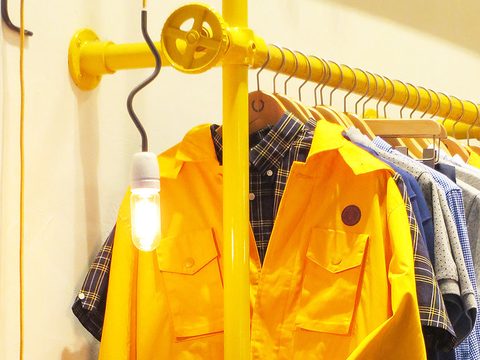 The jacket was $100, but the store gave everybody a 25%
_____ on Friday, so I paid only $75.
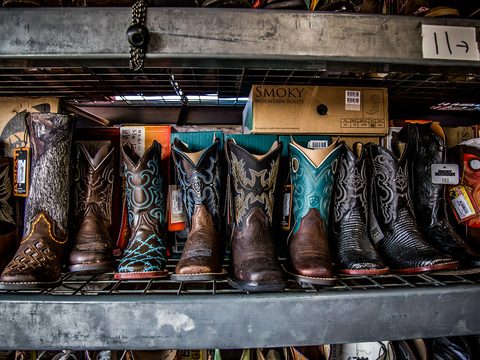 These boots are
_____ this week: they cost $40 now, but next Monday they go back to $70.
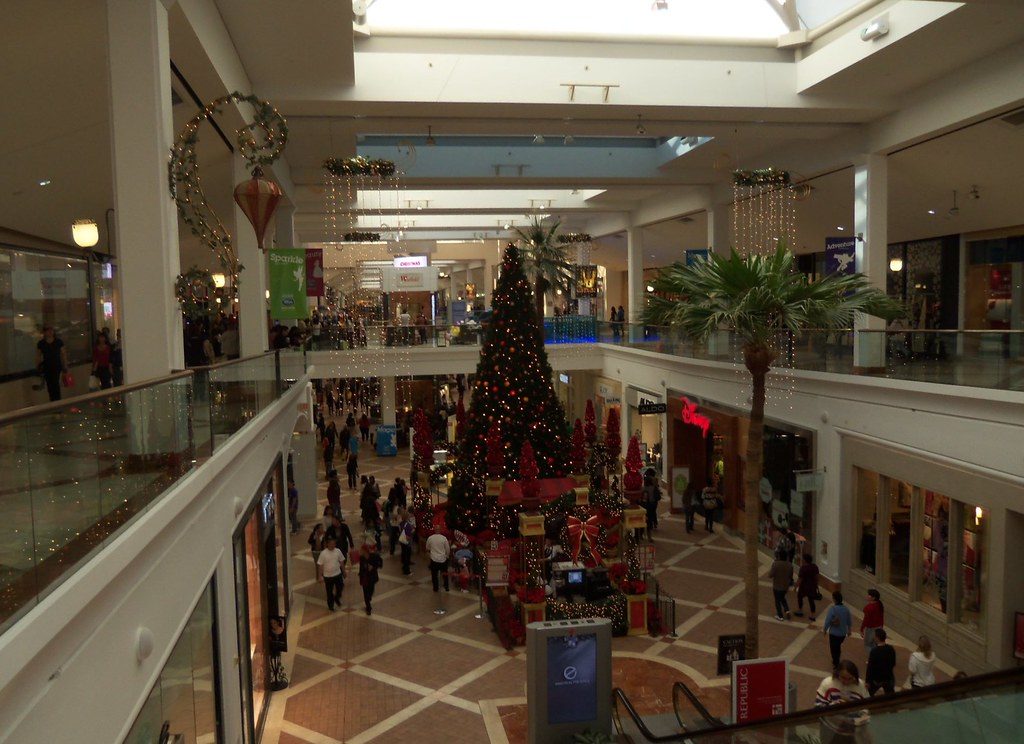
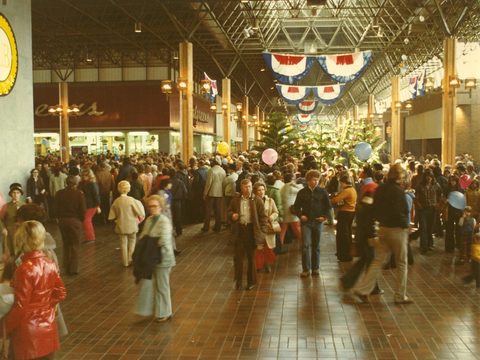 The mall was so
_____ on Saturday that we couldn't walk, so we went home and bought everything online.
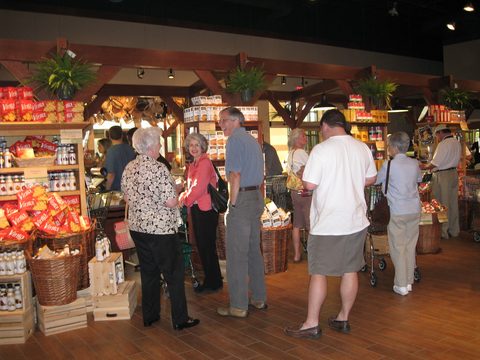 I waited in
_____ for an hour, because there were forty people in front of me at the register.
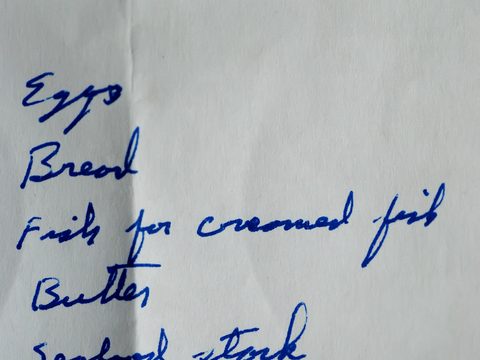 Before I go to the supermarket, I write a
_____: milk, eggs, bread and coffee.
 My
_____ for clothes this month is only $150, so I can't spend $200 on that coat.
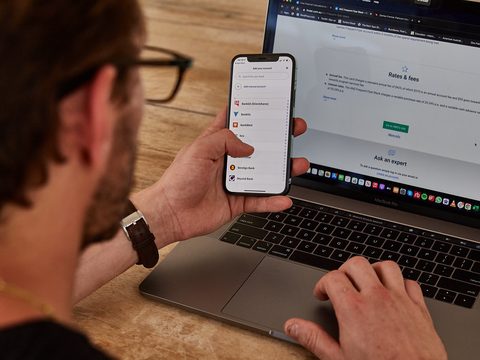 I never buy the first laptop I see. I
_____ five or six of them online and choose the best one for my money.
 I saw an
_____ for a new pizza place on my phone, and now I really want to try it.
Beginner (A1-A2)
Ask and answer with a partner, or with me. One or two sentences are enough. Need help? Open the answer prompts below the cards and choose an idea. Click a card when you have answered it.
Answer prompts
I don't like shopping because [it's expensive / it's boring / there are many people]. 2 · I go shopping [with my friends / alone / with my family].
I like it because [we talk / it's faster / it's fun]. 3 · I prefer to buy [in a store / online] because [it's easy / it's cheaper / I can see the product]. 4 · My favorite store is [H&M / Zara / Amazon / …] because [I like the clothes / it's cheap / it's near my house]. 5 · Black Friday is [in November / at the end of November / the day after Thanksgiving]. 6 · Yes, it is. Many people [buy things / go to stores / shop online].
No, it isn't. Not many people [know it / celebrate it / shop on that day]. 7 · People usually buy [clothes / electronics / shoes / phones / TVs]. 8 · Yes, I have. I bought [a T-shirt / a phone / a bag].
No, I haven't. I didn't buy anything. 9 · I bought [a T-shirt / a computer / shoes / a book] because [it was cheap / I needed it]. 10 · I paid [10 dollars / 50 reais / 20 euros]. 11 · Yes, I did. I got [20% off / 50% off / a big discount].
No, I didn't. The price was the same. 12 · Yes, it was. There were [many people / long lines]. There was no space.
No, it wasn't. It was [quiet / empty / OK]. 13 · I felt [happy / excited / lucky / good] because [it was cheap / I liked it / I saved money]. 14 · Yes, I do. I don't mind.
No, I don't. I think it's [boring / long / tiring]. 15 · Yes, I do. I make a list with [clothes / food / things I need].
No, I don't. I buy [what I see / what I like]. 16 · Yes, I do. I check prices [on different websites / in different stores].
No, I don't. I buy [what I like / what is easy]. 17 · I would like to buy [a phone / clothes / shoes / a TV] because [it's cheaper / I need it / I like it].
Intermediate (B1-B2)
Answer, then give a reason and a real example. The answer prompts give you a start: finish the sentence in your own words. Click a card when you have answered it.

Answer prompts
No, I haven't. I usually [wait for other sales / don't like crowded stores / don't need anything special]. 2 · I saved [50 dollars / 30% / a lot of money], which was great because [I had wanted it for a long time / I didn't expect such a big discount / I like saving money]. 3 · My worst experience was [waiting in line for hours / not finding my size / buying something I didn't need] because [the store was too crowded / the discount wasn't real / the product wasn't good]. 4 · I usually [plan what to buy / make a list / set a budget] because [I don't want to spend too much / I prefer to be organized / I want to focus on the best deals].
Sometimes I decide in the moment if [I see something interesting / the price is really good / the discount is a surprise]. 5 · I prefer [buying online / going to stores] because [it's faster / it's more comfortable / I can see the product in person / I can avoid crowds]. 6 · I usually find out through [emails / social media / store websites / advertisements] because [it's easy / I follow my favorite brands / I like checking prices in advance]. 7 · Yes, I have. I regretted buying [a jacket / a phone / something I didn't need] because [it was expensive / I never used it / the quality wasn't good].
No, I haven't. I usually [think carefully before buying / only buy what I need]. 8 · I think it's popular because [people love discounts / many brands offer big promotions / it's close to the holidays], and [it makes people feel excited / it creates a shopping tradition]. 9 · Usually, [electronics / clothes / shoes / home appliances] are on sale because [people want to buy them as gifts / they are expensive during the year / they sell fast]. 10 · Companies [plan special offers / promote their products / increase their stock / create ads] so that they can [attract more customers / make more sales / compete with other stores]. 11 · Shoppers usually [make a list / compare prices / set a budget / follow brands online] so they can [get the best deals / save money / avoid stress]. 12 · Yes, I do. People often [see a discount and buy impulsively / feel pressure to buy / want to take advantage of the sale].
No, I don't. I think people [can be smart about what they buy / know what they want]. 13 · Not really. Sometimes [the prices are increased before the sale / the discount isn't as big as it seems / it's just a marketing trick].
Yes, some discounts are real, especially [from trusted stores / for electronics / online deals]. 14 · They can [set a budget / make a list / buy only what they need / check prices in advance] so they [don't spend too much / avoid buying useless things / stay focused]. 15 · They can [plan ahead / compare prices / avoid impulse buying / use cash instead of cards], and [think twice before buying / ask themselves if they really need it]. 16 · I would buy [a new car / the latest iPhone / a house / expensive clothes] because [it's something I really want / it would be a good investment / I could share it with my family].
Advanced (C1-C2)
Take a position, support it, and answer one follow-up question from your partner. The answer prompts are only a starting point: try to go further than them. Click a card when you have answered it.
Answer prompts
Over time, [brands started offering week-long or even month-long discounts], which [created a global shopping culture]. 2 · People are drawn to sales because [they love the idea of saving money / it gives them a sense of satisfaction / they fear missing out], and also because [marketing makes it feel like a unique opportunity].
In addition, [the psychological appeal of a "good deal" often influences decisions]. 3 · It affects shopping habits by [encouraging people to delay purchases / increasing online searches / making people spend more than usual], since [they expect better prices and bigger deals].
Moreover, [many people make wish lists or budgets in advance], which [changes their spending behavior]. 4 · Marketing tactics such as [limited-time offers / countdown clocks / phrases like "only today"] create urgency because [they make customers feel they might lose a good deal].
This sense of pressure often [pushes people to make faster and less rational decisions]. 5 · Companies use psychology by [playing with scarcity / creating emotional triggers / using social proof], so that [customers believe the product is more valuable or exclusive].
For example, [seeing that others are buying can increase the desire to buy as well]. 6 · I see it as [an opportunity / a trap / something in between] because [you can save money if you plan well / many people fall into impulsive buying / it depends on how you approach it].
On the one hand, [it's great for good deals], but on the other hand, [it can lead to unnecessary spending]. 7 · Yes, I have. I bought [a gadget / a piece of clothing / something expensive], and later I felt [it wasn't necessary / it didn't meet my expectations / I just bought it because of the discount].
I regretted it because [I let the promotion influence me instead of my needs]. 8 · I usually [set a clear budget / make a list of what I really need / wait 24 hours before buying], so I can [avoid emotional decisions / stay focused on priorities].
In addition, [I compare prices and read reviews], which [helps me make more rational choices]. 9 · Not completely. I think [some discounts are real, but many are exaggerated / some companies raise prices before the sale / marketing can be misleading].
I usually [research prices in advance / use price tracking websites] to check if [the offer is authentic]. 10 · I decide based on [the real value of the product / how much I need it / how much I save], and whether [I would buy it even without a discount].
If it's just attractive because it's cheap, [I usually skip it]. 11 · Probably not, because [my time is more valuable / I don't like crowded places / I prefer shopping online].
Unless [the discount is truly exceptional / it's something very special], I wouldn't do it. 12 · Yes, I do. It encourages overconsumption because [people buy things they don't need / marketing creates artificial needs / it normalizes excessive shopping].
However, [responsible buyers can still make good use of it]. 13 · Small businesses are often [negatively affected / unable to compete], because [big corporations offer bigger discounts and have more marketing power].
On the other hand, some small businesses [benefit by offering niche products or personalized service]. 14 · Yes, they should, because [consumers need critical thinking skills / financial education is essential / media can influence behavior].
If people understand marketing tactics, [they are less likely to buy impulsively]. 15 · It impacts them by [increasing their workload / making them work longer hours / creating stressful conditions], especially [in large stores and delivery companies].
This often leads to [fatigue, pressure, and less time with their families]. 16 · I would change [the level of consumer pressure / the way companies market products / how workers are treated], because [it would make the event fairer / less stressful / more sustainable].
In my opinion, [Black Friday should focus on real deals rather than manipulation].
One question, in writing
80–120 words. Choose one question from your level and write its number and the question first. Then answer it with at least one reason and one real example. Beginners can start with the answer prompt and add more sentences; Intermediate and Advanced students, finish with your opinion.

My results
Check your score, then copy it and send it to your teacher on WhatsApp.

One job before the next big sale. When you see "50% off", stop and ask yourself three questions in English, out loud: Do I need it? Did I compare prices? Is it in my budget? Three yeses, and it's a real deal.