SPEAKING CLUB · TOPIC 9

Celebrations Around the World

Birthday cake, fireworks at midnight, Carnival parades and festivals far from home. Fifty-three questions in three levels about the days when people stop everything to celebrate.

A1-C2 60 min Focus: speaking · 3 levels Home
EXERCISE 01Speaking

Warm-up

Ask and answer with a partner, or with me. Tap a card when you have answered it.

Teacher Alvaro

Every country has its special days. Today you talk about yours and about other people's: the food, the music, the fireworks and the family. The questions come in three levels. Choose yours, but listen to the other levels too.
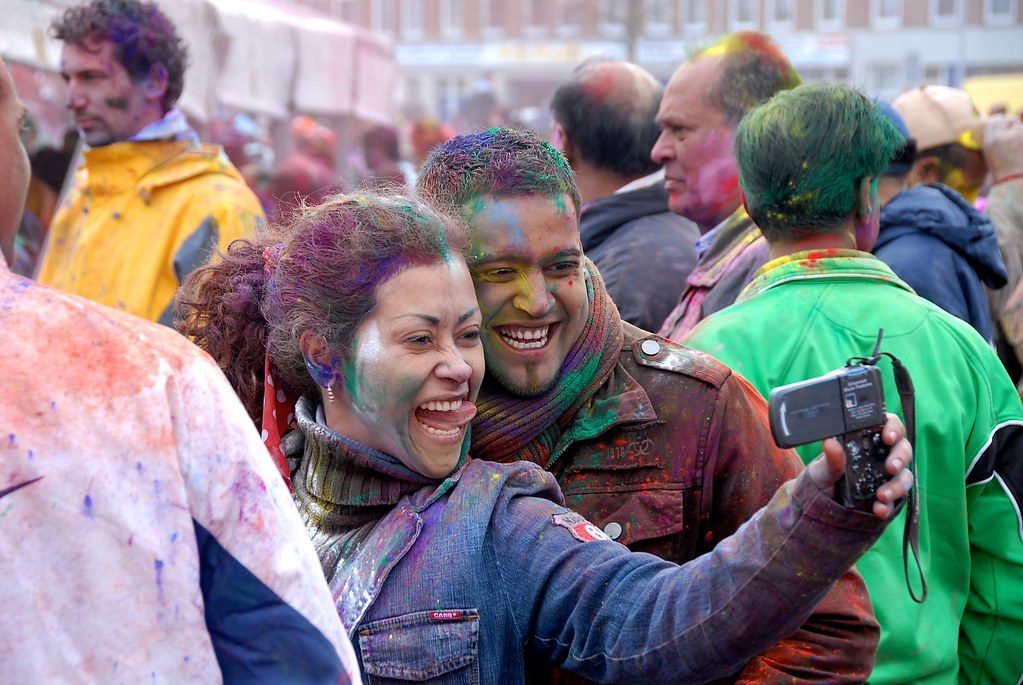
Friends at a Holi festival smiling for a selfie, their faces and clothes covered in pink, green and blue powder
Useful language
The last party I went to was …It was for my friend's birthday. I prefer small dinners because …The best part is the … In my family, December is a busy month.Happy birthday! Happy New Year!Merry Christmas!Congratulations!
0 / 0
EXERCISE 02Vocabulary

Words for celebrations

Click a word, then click its meaning. Correct pairs turn green. The audio button says the word.

Word
Meaning
EXERCISE 03Vocabulary in context

Complete the sentences

Click a word in the bank, then click a gap. Click a filled gap to clear it.

Teacher Alvaro
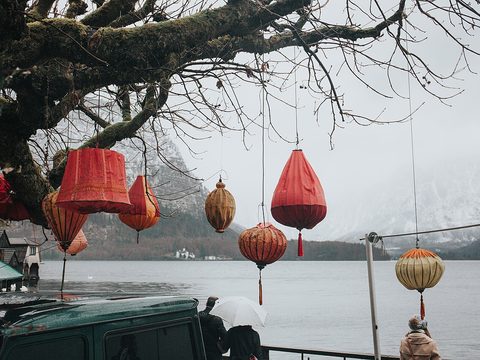
  • It was very dark in the yard, so Grandpa put a small candle inside the red paper _____ and hung it from a tree.
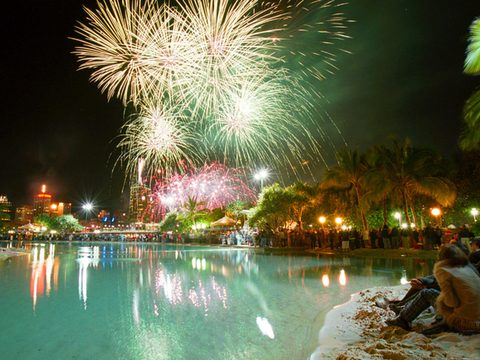
  • At midnight, the sky over the beach turned red, green and gold, and our dog hid under the bed because the _____ were so loud.
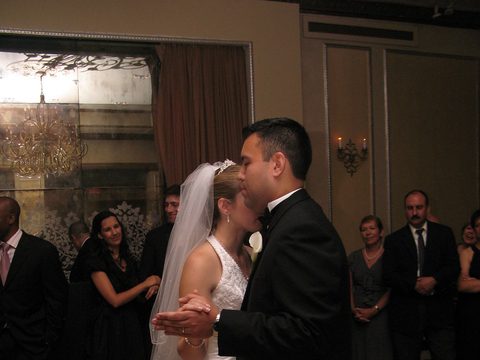
  • Lia and Tom are husband and wife now! At the party after their _____, they had their first dance as a married couple, and then all the guests joined them.
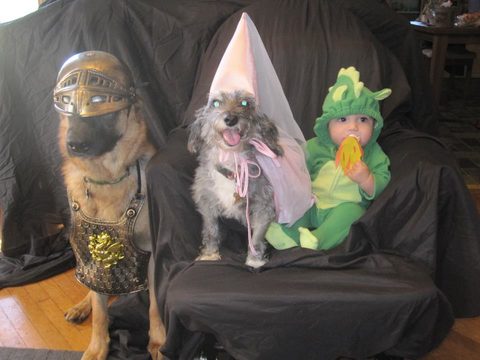
  • At the party, my little brother wore a green dragon _____ with a long tail, and nobody knew it was him.
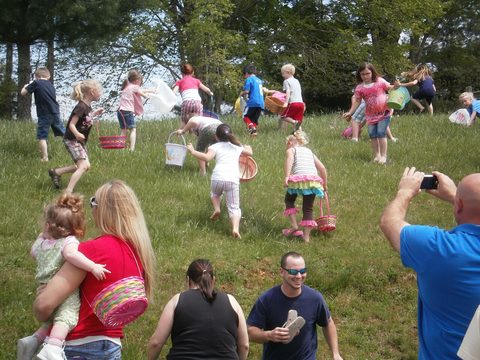
  • Before the _____, the parents hid thirty little chocolate eggs behind the trees and under the chairs. Then the kids ran outside with baskets to find them all.
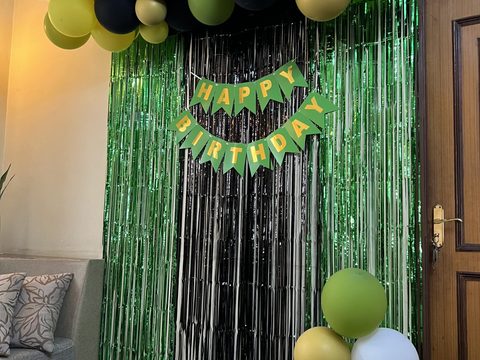
  • On Friday night, the whole family helped to _____ the living room with balloons and little lights for Grandma's eightieth birthday.
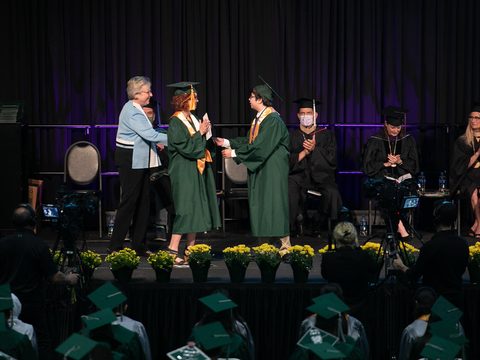
  • At her _____, Marta walked across the stage to get her diploma, and her parents cheered. Four years of college were finally over!
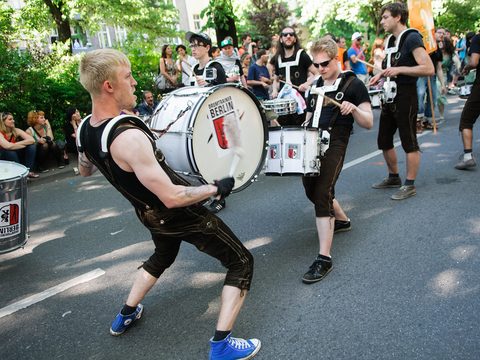
  • We stood on the sidewalk for two hours to watch the _____. First came the drummers, then a hundred dancers in yellow, and then a giant truck covered in flowers.
EXERCISE 04Speaking · A1-A2

Beginner (A1-A2)

Ask and answer with a partner, or with me. Tap a card when you have answered it. Need help to start? Open the answer prompts below the cards: choose an idea, or say your own.

Answer prompts
1 · My favorite celebration is ___ (Christmas / my birthday / New Year's Eve) because ___ (I like the food / I like the music / it is fun). 2 · Yes, I celebrate my birthday. I ___ (have a party / eat cake / play games). I ___ (invite my friends / stay with my family). 3 · On my birthday, I eat ___ (cake / pizza / ice cream). My family also makes ___ (chicken / pasta / soup). 4 · Yes, I get presents on my birthday. I usually get ___ (toys / clothes / books) from ___ (my family / my friends). 5 · Yes, I like music and dancing at celebrations. I ___ (dance / sing / listen to music). My favorite type of music is ___ (pop / rock / classical). 6 · A special celebration in my country is ___ (Christmas / Carnival / New Year's Day). It is special because ___ (we celebrate with family / there are fireworks / we wear costumes). 7 · During this celebration, people ___ (eat special food / sing / dance). Some people also ___ (go to church / visit family / watch parades). 8 · Yes, I celebrate New Year's Eve. I usually ___ (have a party / watch fireworks / eat with my family). We ___ (count down the minutes / make a wish / sing songs). 9 · On New Year's Day, I ___ (rest / go outside / visit family). We often ___ (eat a special meal / play games / watch a parade). 10 · Yes, I know about Christmas. People ___ (decorate their homes / give presents / have dinner). Some people also ___ (sing Christmas songs / go to church). 11 · During Easter, people ___ (celebrate with family / go to church / eat special food). In my country, we also ___ (decorate eggs / have an egg hunt / bake cakes). 12 · Yes, I wear special clothes for ___ (Christmas / weddings / birthdays). For example, I wear ___ (a dress / a suit / new shoes). 13 · In the summer, we celebrate ___ (Independence Day / festivals / summer vacation). People usually ___ (go to the beach / have barbecues / travel). 14 · Yes, I like going to festivals and parades. I enjoy ___ (watching the floats / eating street food / seeing performances). 15 · Yes, I know celebrations like ___ (Halloween / Chinese New Year / Diwali). I think they are interesting because ___ (the traditions are different / the food is special / people dress up). 16 · I want to see ___ (Carnival in Brazil / Oktoberfest in Germany / Diwali in India) because I think ___ (it will be fun / the costumes are beautiful / the food will be amazing). 17 · I celebrate with ___ (my family / my friends / both). We usually ___ (eat together / play games / talk about our day). 18 · Yes, I take photos during special celebrations. I like to ___ (take pictures with my friends / take photos of food / capture funny moments).
0 / 0
EXERCISE 05Speaking · B1-B2

Intermediate (B1-B2)

Answer in three or four sentences: say what happens, then say why. Tap a card when you have answered it. The answer prompts below the cards give you a way to start.

Teacher Alvaro
Answer prompts
1 · The most important celebration in my country is ___ (Christmas / New Year's Eve / Independence Day) because ___ (it represents a national event / it brings families together / it celebrates freedom). 2 · People usually celebrate the New Year by ___ (having a big party / spending time with family / watching fireworks). We also ___ (make resolutions / eat special food like rice, cake or soup), and sometimes we drink ___ (champagne / wine / beer). 3 · Yes, I have celebrated ___ (Halloween / Chinese New Year / Diwali). It was ___ (exciting / different / fun) because ___ (people dressed in costumes / there were fireworks). I tried new foods like ___ (dumplings / candy / snacks). 4 · During Christmas, we ___ (have a big family dinner / decorate a Christmas tree / exchange gifts). One unique tradition is ___ (singing carols / going to Midnight Mass / putting up lights everywhere). 5 · In my country, birthdays are usually celebrated by ___ (having a cake / inviting friends over / giving presents). A difference is that we ___ (celebrate with music / have a special meal like pizza, pasta or barbecue / throw surprise parties). 6 · Easter is significant because it ___ (celebrates the resurrection of Jesus / marks the end of Lent). People celebrate by ___ (going to church / having a big family meal / decorating eggs) and sometimes by ___ (organizing egg hunts / giving gifts). 7 · Yes, we celebrate ___ (Independence Day / National Heroes Day / Revolution Day). These celebrations are important because they ___ (commemorate the country's independence / honor national leaders / remind us of our history). 8 · Yes, we have ___ (a local harvest festival / a unique national day / a traditional dance celebration). It is celebrated by ___ (wearing traditional clothes / dancing / cooking specific dishes like soup, pastries or meats). 9 · Yes, we have celebrations like ___ (Christmas / Easter / Good Friday) that have religious meaning. These are observed by ___ (attending church services / fasting / praying). Some people also ___ (give to charity / spend time with family / follow specific rituals). 10 · In Japan, people celebrate by ___ (visiting temples / eating special food like mochi or soba / spending time with family). In China, they celebrate with ___ (fireworks / lion dances / gifts of red envelopes). 11 · Food plays a big role in celebrations because ___ (it brings people together / it symbolizes prosperity or good luck). For example, during Christmas, people in ___ (the UK) eat ___ (roast turkey / Christmas pudding) … 12 · In my country, we usually celebrate birthdays by ___ (having a cake / giving gifts / singing songs). This is similar to other countries, but in ___ (Mexico), they have a tradition of ___ (piñatas), and in ___ (Japan), people often ___ (celebrate with family rather than with big parties). 13 · Some of the most famous international celebrations are ___ (New Year's Eve / Christmas / Halloween). During these celebrations, people ___ (exchange gifts / decorate their homes / attend parties / watch fireworks). 14 · A unique tradition in my country is ___ (eating 12 grapes at midnight for good luck / wearing red underwear for love / jumping over waves at the beach). This is done because ___ (it brings good fortune / it symbolizes new beginnings / it is a cultural superstition). 15 · Modern technology and social media have changed celebrations by ___ (allowing people to share moments instantly / making virtual events possible / letting us send online greetings). People now ___ (post photos / livestream celebrations / create hashtags for events). 16 · I think the most fun celebration in my country is ___ (Carnival / New Year's Eve / Independence Day) because ___ (there are parades / everyone dances / the atmosphere is exciting). People also ___ (dress in costumes / sing and dance to music / enjoy fireworks). 17 · Yes, I think celebrations are an important part of a country's identity because ___ (they connect people to their culture / they honor history and traditions / they bring communities together). Celebrations help ___ (preserve customs / pass down cultural values / unite people). 18 · Yes, in my country we have ___ (Carnival / Independence Day / traditional festivals) that involve a lot of music and dancing. For example, during ___ (Carnival), people ___ (dance samba / play drums / wear colorful costumes). 19 · The most unusual celebration I have heard of is ___ (La Tomatina in Spain / the Running of the Bulls in Spain / the Ice Festival in Harbin, China). It is unusual because ___ (people throw tomatoes at each other / people run with bulls / there are ice sculptures and ice swimming).
0 / 0
EXERCISE 06Speaking · C1-C2

Advanced (C1-C2)

Give your opinion, support it with an example from a real country, and react to what your partner says. Tap a card when you have discussed it. The answer prompts below the cards are a starting point, not the answer.

Answer prompts
1 · Cultural beliefs and values influence celebration by shaping ___ (the types of events that are celebrated / the way people gather / the customs they follow). For example, in ___ (X culture), celebrations tend to focus on ___ (family unity / community bonding), while in ___ (Y culture), celebrations may emphasize ___ (individual achievement / personal success). 2 · Modern celebrations tend to be more ___ (commercialized / fast-paced / digital) compared to traditional celebrations. For instance, in ___ (my country), ___ (traditional festivals like X) used to involve ___ (rituals / community gatherings / local customs), but now they are often ___ (marketed as events / commercialized with brands and advertisements). 3 · Celebrations often reflect the historical and political context of a country by honoring ___ (key historical events / national heroes / political ideologies). For example, ___ (National Day in country X) celebrates ___ (a pivotal moment in history, like independence or a revolution), and the way it is celebrated ___ (reflects national pride / commemorates struggles for freedom / reinforces a collective memory). 4 · Religious celebrations across cultures may share similarities, such as ___ (feasts / prayers / rituals), but differ in their ___ (specific practices / symbols / meanings). For instance, ___ (Christmas) is a time for reflection on ___ (Christian values of love and giving), while ___ (Eid al-Fitr) is a celebration of ___ (the end of fasting and community solidarity in Islam). 5 · Symbols and decorations in celebrations can vary greatly depending on cultural context. For example, ___ (Christmas trees, Santa Claus and snowflakes) are common in Western celebrations, while ___ (lanterns, dragons and red envelopes) are key symbols of ___ (Chinese New Year). These symbols often reflect ___ (cultural values / religious beliefs / seasonal themes), showing how each culture brings unique elements to the same idea of celebration. 6 · Celebrations contribute significantly to the economy by ___ (boosting tourism / increasing retail sales / creating job opportunities). For instance, ___ (Carnival in Brazil) attracts millions of people, many of them tourists, benefiting local businesses and the hospitality industry. These celebrations provide an economic boost by ___ (promoting spending / creating events / encouraging international tourism). 7 · Celebrations often reflect societal values, as in ___ (individualistic cultures like the US), where celebrations like birthdays focus on ___ (personal achievement / recognition / independence). In contrast, in ___ (collectivist cultures like Japan), celebrations such as ___ (New Year's) emphasize ___ (family togetherness / social harmony / respect for elders). 8 · Social media has transformed the way people participate in celebrations by making them more ___ (public / interactive / immediate). Platforms like ___ (Instagram and TikTok) allow people to ___ (share their experiences / participate in global trends / create virtual celebrations). This has led to a shift from ___ (personal, intimate celebrations) to ___ (public displays of participation / influencer-driven trends). 9 · Celebrations can have a negative impact on the environment due to ___ (waste generation / energy consumption / pollution from fireworks and plastic decorations). However, there are growing efforts to make celebrations more sustainable by promoting eco-friendly practices, such as ___ (using biodegradable decorations / reducing food waste / encouraging people to celebrate digitally). 10 · Celebrations can both preserve and modernize cultural identities. On the one hand, they help preserve traditions by passing down ___ (rituals / customs / folklore) to younger generations. On the other hand, modern celebrations often incorporate ___ (global influences / technology / pop culture), which can ___ (alter / adapt) traditional customs. 11 · Technological advancements, like virtual reality or AI, could radically change the future of celebration by ___ (allowing virtual gatherings / creating immersive experiences / enhancing interactive features). These technologies could ___ (enhance global participation / break down physical barriers), but they may also weaken ___ (face-to-face interactions / traditional forms of celebration). 12 · Yes, celebration can help bridge cultural divides by offering people from different backgrounds opportunities to experience each other's ___ (customs / traditions / values). For example, ___ (international festivals / multicultural events) allow people to ___ (share their culture / learn about others / promote tolerance). This shared celebration can ___ (create greater empathy / reduce stereotypes / foster global unity). 13 · In my country, people celebrate major milestones like ___ (weddings / graduations) with ___ (large family gatherings / special rituals / public ceremonies). These celebrations are influenced by ___ (family dynamics / cultural norms / social expectations). 14 · The media plays a huge role in shaping our perceptions of celebration by ___ (highlighting certain practices / idealizing specific traditions / commercializing holidays). For example, ___ (Christmas movies often emphasize the importance of family and giving), while advertisements ___ (promote consumerism, making celebrations feel more about material goods). 15 · The global exchange of cultural practices has made celebrations more ___ (universal / diverse / interconnected). This exchange allows people to ___ (experience other cultures / adopt new practices) and can lead to ___ (hybrid celebrations that combine elements from different traditions). 16 · Yes, the meaning of some celebrations has changed over time. This change reflects ___ (shifts in societal values, such as materialism or individualism / the decline of religious observance). It indicates that society has prioritized ___ (economic growth / convenience / individual desires) over tradition.
0 / 0
EXERCISE 07Writing

One question, in writing

80–120 words. Choose one question from your level and answer it in one paragraph. Write the number of the question first. Start with the answer prompt if it helps, then add your own details: what happens, who is there, and why it matters.

Teacher Alvaro
0 words
ENDEnd of lesson

My results

Check your score, then copy it and send it to your teacher on WhatsApp.

Teacher Alvaro

One job for this week. Ask one person how they celebrate New Year's Eve: a friend, a neighbor, someone at work. In the next class, tell us their answer in three sentences, in English.