SPEAKING CLUB · TOPIC 14

Comparatives

Taller, cheaper, more exciting, better. Add than, and you can compare anything: your city, your food, your life ten years ago. Fifty-nine questions in three levels.

A1-C2 60 min Focus: speaking · 3 levels Home
EXERCISE 01Speaking

Warm-up

Ask and answer with a partner, or with me. Tap a card when you have answered it.

Teacher Alvaro

Bigger, better, more exciting. Short words take -er: tall → taller, cheap → cheaper, busy → busier. Long words take more: more comfortable, more exciting. A few words break the rule: good → better, bad → worse. Then add than: My phone is older than my laptop.
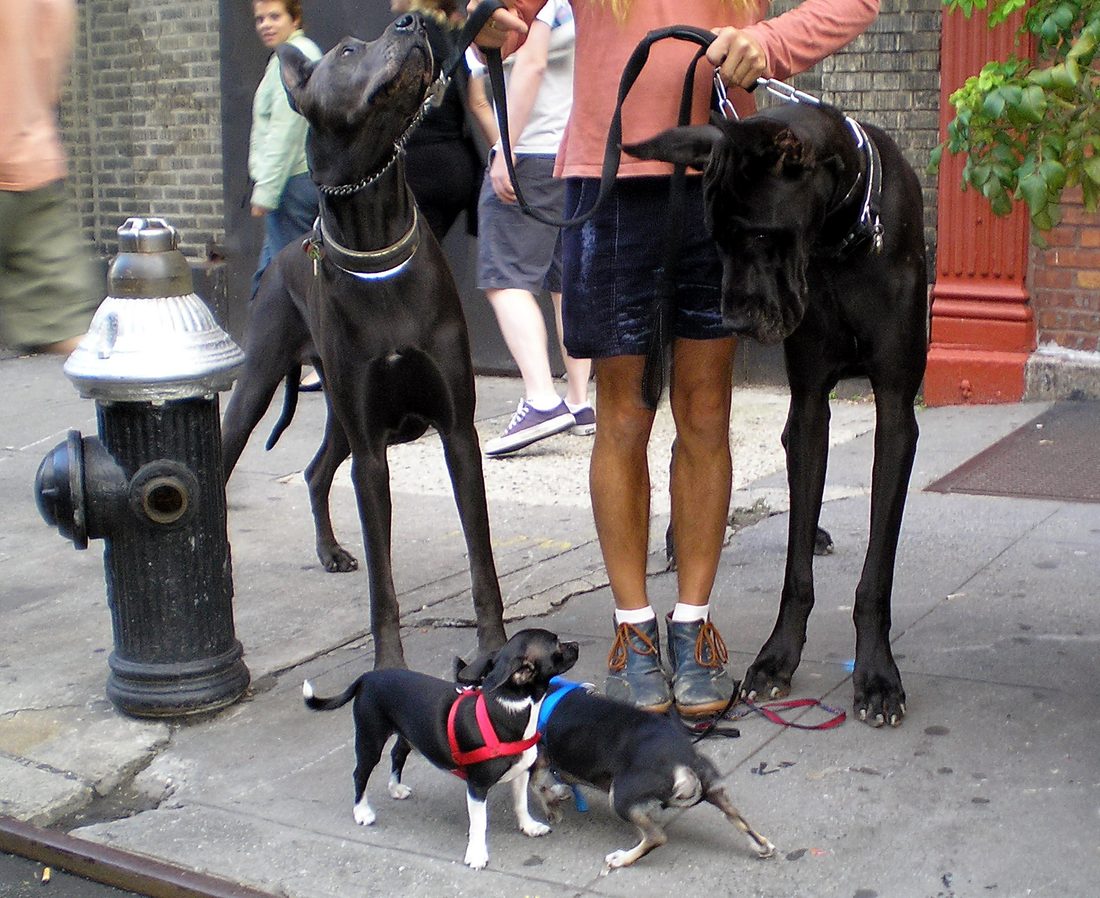
Two very tall Great Danes and two tiny Chihuahuas on a city sidewalk, next to a fire hydrant
Useful language
It's bigger than …It's smaller than … … is faster than …… is more expensive than … … is better / worse than …… isn't as … as … They're about the same.In the past, it was … Now it's … Now there are more … and fewer …
0 / 0
EXERCISE 02Vocabulary

Places, people and food

Click a word, then click its meaning. Correct pairs turn green. The audio button says the word.

Word
Meaning
EXERCISE 03Vocabulary in context

Complete the sentences

Click a word in the bank, then click a gap. Click a filled gap to clear it.

Teacher Alvaro
  • My dad is very _____: no phones at the dinner table, and we have to be home by ten every night.
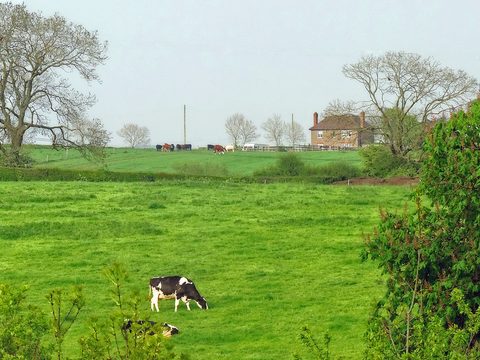
  • I left the city and moved to the _____. Now my closest neighbors are cows, and at night I can see more stars than before.
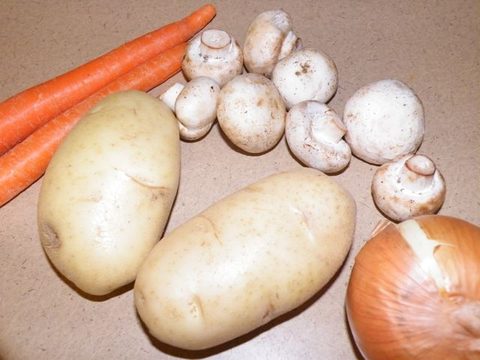
  • This soup is easy to make. You only need four _____: potatoes, carrots, mushrooms and an onion.

  • My grandfather is eighty, but he's more _____ than all of us. Last year he went skydiving for the first time!
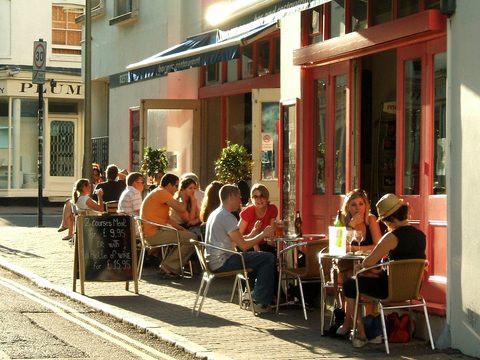
  • There are more cafés and parks in my new _____ than in my old one, and I can walk to all of them in five minutes.
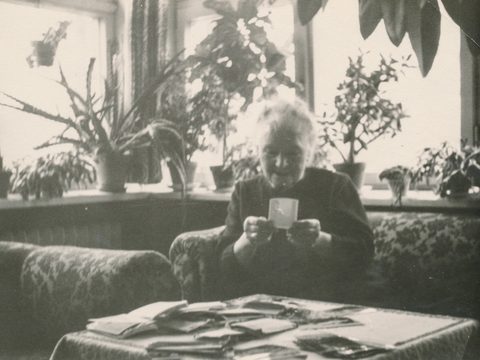
  • My grandmother isn't on _____, so she never sees the photos I post online. I print them for her instead.

  • This chicken is too _____ for me. My mouth is on fire! Can I have some water, please?
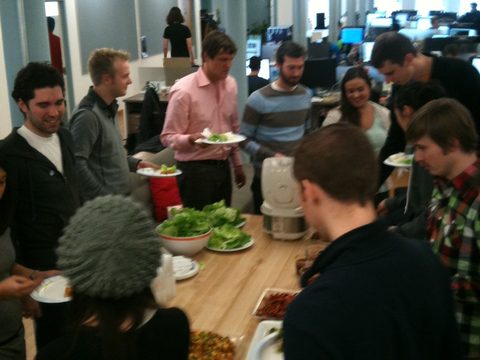
  • My new job is better than my old one, and my _____ are friendlier too. We have lunch together every day.
EXERCISE 04Speaking · A1-A2

Beginner (A1-A2)

Ask and answer with a partner, or with me. Answer with than and say why. Tap a card when you have answered it. Stuck? Open the answer prompts.

Answer prompts
1 · Yes, I'm taller than my best friend because ___ (I'm older). 1 · No, I'm shorter than my best friend because ___ (they are very tall). 1 · No, we are about the same height. 2 · Yes, it's ___ (cheaper / more affordable) than other restaurants because ___ (they have good deals). 2 · No, it's ___ (a little more expensive / the same price), but the food is ___ (better / delicious). 3 · Yes, my home is more comfortable because ___ (I can relax / it feels personal). 3 · No, hotels are ___ (more relaxing / better for vacations) because ___ (they are fancy). 4 · Yes, it's easier because ___ (I understand it well / I like studying it). 4 · No, it's not easier, but it's ___ (more fun / more interesting). 5 · I'm more active ___ (in the morning / at night) because ___ (I have more energy then). 5 · I feel ___ (lazy / tired) ___ (in the morning / at night). 6 · No, my city is ___ (busier / noisier) than the countryside because ___ (there are many people). 6 · Yes, my city is ___ (quieter / more peaceful) than the countryside. 7 · Yes, my neighborhood is safer because ___ (there are cameras / there's good security). 7 · No, it's not safer, but it's ___ (friendly / nice). 8 · Yes, they are stricter because ___ (they care about my safety). 8 · No, they are not as strict as other parents. 9 · Yes, my ___ (dog / cat) is friendlier because ___ (it loves people / it's playful). 9 · No, my pet is ___ (a little shy / not as friendly). 10 · Yes, my food is better because ___ (I use fresh ingredients / I know what I like). 10 · No, restaurant food is ___ (tastier / more special) because ___ (the cooks are professionals). 11 · Yes, I'm happier because ___ (I can relax / I don't have to work or study). 11 · No, I feel the same because ___ (I enjoy my daily routine). 12 · Yes, I'm more adventurous because ___ (I love trying new things). 12 · No, my ___ (sister / brother) is more adventurous than me. 13 · Yes, my city is cleaner because ___ (people take care of the environment). 13 · No, I think ___ (another city) is cleaner than mine. 14 · Yes, coffee is more popular because ___ (people drink it every morning). 14 · No, tea is more popular because ___ (it's part of the culture). 15 · Pizza is better because ___ (it's easy to eat / I love the cheese). 15 · Pasta is better because ___ (it has many flavors / it's more filling). 16 · Yes, swimming is more fun because ___ (I love the water / it's relaxing). 16 · No, running is more fun because ___ (it's faster / it's good exercise). 17 · Yes, soccer is more exciting because ___ (it's popular / I love the big games). 17 · No, basketball is more exciting because ___ (it's fast / I like the players). 18 · Yes, my language is more difficult because ___ (the grammar is hard / there are many rules). 18 · No, English is harder because ___ (it has more words / I'm still learning it). 19 · Yes, English is easier because ___ (it's everywhere / I practice often). 19 · No, ___ (another language) is easier for me because ___ (it's closer to my native language).
0 / 0
EXERCISE 05Speaking · B1-B2

Intermediate (B1-B2)

Compare, then explain: say why, and give an example from your own life. Tap a card when you have answered it. The answer prompts help you start.

Teacher Alvaro
Answer prompts
1 · My biggest challenge was ___ (moving to a new city / learning a new skill), and it was ___ (harder / easier) than the challenges I face now because ___ (I was younger / I had less experience). 2 · I think my life will be ___ (easier / harder) because ___ (I will have more experience / I might have more responsibilities). 3 · Yes, my childhood was more exciting because ___ (I had fewer worries / everything felt new). 3 · No, my teenage years were more exciting because ___ (I had more freedom / I made new friends). 4 · I'm more productive in the ___ (morning / evening) because ___ (I feel more focused / I have more energy). 5 · My current job or studies are ___ (more interesting / harder) than last year because ___ (I'm learning new things / the workload has increased). 6 · Yes, English is harder because ___ (it has complex grammar / there are many exceptions). 6 · No, it's easier because ___ (it's common / there are many resources to learn from). 7 · Yes, it's more interesting now because ___ (there are more events / the city has grown). 7 · No, it was more interesting in the past because ___ (it was simpler / it felt more personal). 8 · Technology has made life ___ (easier / more complicated) because ___ (it helps with communication / it creates distractions). 9 · My hobbies have become ___ (more important / less important) because ___ (I have more time / I focus on other priorities now). 10 · Traveling with friends is better because ___ (you can share experiences / it's more fun). 10 · Traveling alone is better because ___ (you have freedom / you can go at your own pace). 11 · The food in my country is ___ (spicier / simpler / more flavorful) than food from other countries because ___ (we use specific spices / it's more traditional). 12 · I would change ___ (my job / where I live) because ___ (it would give me more opportunities / it would make me happier). 13 · Yes, people were happier because ___ (life was simpler / there was less stress). 13 · No, people are happier now because ___ (there are more opportunities / technology is better). 14 · Yes, my family is closer now because ___ (we communicate more / we understand each other better). 14 · No, we were closer when I was a child because ___ (we spent more time together). 15 · Yes, I visited ___ (a national park / a small village), and it was special because ___ (the scenery was amazing / the people were friendly). 16 · It's ___ (better / worse) because ___ (there is more focus on creativity / the system lacks funding). 17 · It's easier online because ___ (you can meet people with similar interests / it's less intimidating). 17 · It's easier in real life because ___ (you can connect face-to-face / it feels more personal). 18 · Working from home is more productive because ___ (there are fewer distractions / I can focus better). 18 · Working in an office is more productive because ___ (I can collaborate with colleagues / it's more structured). 19 · Yes, it's healthier because ___ (I exercise more / I eat better). 19 · No, it's less healthy because ___ (I have less time to focus on myself). 20 · Yes, I'm more confident because ___ (I have more experience / I've overcome challenges). 20 · No, I'm less confident because ___ (I feel more pressure / life has become more complicated). 21 · It's easier to focus on ___ (long-term goals) because ___ (they give me a clear direction). 21 · Short-term goals are easier because ___ (they feel more achievable and motivating).
0 / 0
EXERCISE 06Speaking · C1-C2

Advanced (C1-C2)

Go deeper: compare then and now, look at both sides, and end with your own view. Tap a card when you have answered it. The answer prompts are there if you need a way in.

Answer prompts
1 · My perspective has shifted to focus more on ___ (personal fulfillment / balance) rather than ___ (money / status), which is ___ (similar to / different from) society's growing emphasis on ___ (individual well-being / external achievements). 2 · It's ___ (more effective) in terms of ___ (accessibility / use of technology), but less effective in ___ (teaching critical thinking / encouraging creativity). 2 · Compared to 50 years ago, it's ___ (better at including diverse learners) but ___ (weaker in addressing individual needs). 3 · Yes, they are more complicated because of ___ (social media / modern lifestyles), which add layers of ___ (miscommunication / pressure). However, they are also ___ (more inclusive and flexible) compared to ___ (traditional expectations in the past). 4 · Online communication is ___ (more convenient / faster), but face-to-face interactions feel ___ (more genuine / more emotionally fulfilling). 4 · While online friendships are ___ (easier to maintain over long distances), they often lack ___ (depth and physical connection). 5 · I've become ___ (more analytical / more patient) compared to when I was younger, focusing on ___ (long-term solutions) rather than ___ (quick fixes). 5 · My problem-solving is now ___ (better informed by experience) and ___ (collaborative) rather than ___ (reactive or impulsive). 6 · They are ___ (more supportive in terms of flexibility and mental health resources), but also ___ (more demanding due to constant connectivity and high competition). 6 · Compared to the past, there's ___ (greater emphasis on employee well-being) but ___ (less separation between work and personal life). 7 · Climate change today is ___ (more urgent and visible), with ___ (frequent natural disasters and rising global awareness). 7 · Compared to 20 years ago, people are ___ (taking more action, though it may still be insufficient). 8 · Technology is creating ___ (a paradoxically connected yet isolated world), as we can ___ (communicate instantly) but often ___ (lack deep, personal interactions). 8 · Compared to the past, we are ___ (more informed) but also ___ (more distracted by digital platforms). 9 · Creativity is ___ (more valued now), especially in ___ (problem-solving and innovation), compared to 20 years ago when ___ (technical skills dominated). 9 · However, some industries have become ___ (less open to experimentation) due to ___ (increased focus on efficiency and data-driven approaches). 10 · Life today is ___ (more influenced by individual choices), with ___ (greater freedom to define success), but societal expectations still ___ (shape many major decisions). 11 · Actions are ___ (more powerful because they demonstrate commitment), but words can be ___ (equally inspiring when they are authentic and motivating). 11 · Compared to words, actions often ___ (create a lasting impact). 12 · Global conflicts today are ___ (more complex) due to ___ (technology / globalization), but they still share ___ (similar roots in power struggles and resource disputes). 13 · Personal values today are ___ (more focused on individuality and self-expression), whereas previous generations valued ___ (community and stability more). 13 · There is ___ (a shift toward inclusivity and diversity), compared to ___ (more traditional values in the past). 14 · My approach has become ___ (more intentional, prioritizing self-care), which is ___ (similar to / different from) that of others who might ___ (struggle with boundaries). 15 · People are ___ (more focused on experiences now), with ___ (travel and personal growth being prioritized), though materialism remains ___ (strong in consumer culture). 16 · Focusing on ___ (local problems) can have ___ (immediate and tangible effects), but global issues require ___ (collaborative efforts for long-term impact). 16 · Compared to local issues, global problems often ___ (receive more attention in the media but less practical action). 17 · Today's entertainment is ___ (more diverse and technologically advanced), but it sometimes lacks ___ (the originality and storytelling focus) of 30 years ago. 18 · Emotional intelligence is ___ (more valuable) because it helps ___ (leaders connect / inspire teams), while technical skills are ___ (easier to teach or delegate). 19 · Personal privacy is ___ (less valued today) because of ___ (social media and surveillance), but it is also ___ (a growing concern as people understand its impact). 19 · Compared to the past, privacy feels ___ (harder to protect but more important than ever).
0 / 0
EXERCISE 07Writing

One question, in writing

80–120 words. Choose one question from your level (Beginner, Intermediate or Advanced) and answer it in writing. Start with the level and the number, for example Intermediate 10. Compare with than at least three times, and give your reasons with because.

Teacher Alvaro
0 words
ENDEnd of lesson

My results

Check your score, then copy it and send it to your teacher on WhatsApp.

Teacher Alvaro

One job for this week. Every day, compare two things you see — two buses, two coffees, two days — out loud and in English. Use one short word with -er and one long word with more, and never forget than.