Beach or mountains, a hostel or a hotel, a tight plan or no plan at
all. Fifty-seven questions in three levels about choosing where to go, and saying why
one place beats the other.
Ask and answer with a partner, or with me. Tap a card when you have
answered it.
Every trip starts with a choice. Today you compare places:
which one is cheaper, quieter, more fun, better for you. There are three sets of
questions: Beginner, Intermediate and Advanced. Answer the questions at your level,
then try one from the next level.
Useful language
I want to go to … because …I choose the mountains.All the tourists visit …Good food is more important for me.… is cheaper / quieter / more beautiful than …… is better than … for a vacation.It depends on …
0 / 0
EXERCISE 02Vocabulary
Places and plans
Click a word, then click its meaning. Correct pairs turn green. The audio
button says the word.
Word
Meaning
EXERCISE 03Vocabulary in context
Complete the sentences
Click a word in the bank, then click a gap. Click a filled gap to clear
it.
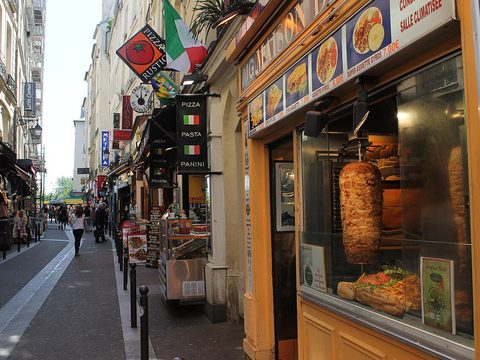
Don't eat on that street. It's a
_____: the menus are in ten languages, the food is bad and a coffee costs twelve dollars.
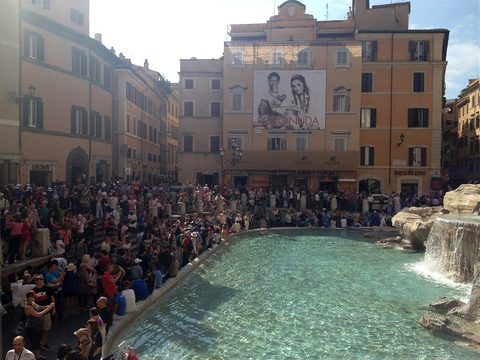
At noon, a huge
_____ of tourists filled the little square, and we couldn't even see the fountain.
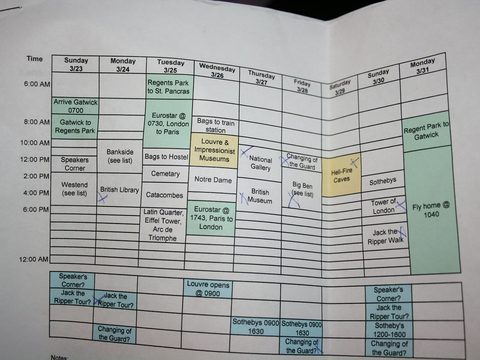
Our
_____ for Saturday is very full: a museum at nine, a boat tour at eleven, lunch at one and a castle at three.
My grandparents left the city and moved to the
_____. Now they live on a farm, and their nearest neighbors are two miles away.
We slept in bunk beds in a cheap
_____ and cooked dinner in the shared kitchen with travelers from five countries.
He is a
_____ photographer. He never takes pictures of people, only of mountains, lakes and deserts.
The old castle on the hill is the town's main
_____. Almost every visitor goes up there, the ticket is only five dollars, and the view from the top is wonderful.
Our apartment was in a quiet
_____ far from the center, where kids play soccer in the street and everybody knows the baker.
EXERCISE 04Speaking · A1-A2
Beginner (A1-A2)
Ask and answer with a partner, or with me. Choose one side, then say why
in a full sentence. Need help? Open the answer prompts and choose the words that are
true for you. Tap a card when you have answered it.
Answer prompts
1 · I prefer the beach because it is [relaxing / warm / beautiful].1 · I prefer the mountains because I like [nature / fresh air / quiet places].2 · I like hot places because I enjoy [the sun / summer / warm weather].2 · I like cold places because I like [snow / winter / cold weather].3 · Summer vacation is better for me because I like [the beach / traveling / long days].3 · Winter vacation is better for me because I like [cold weather / snow / staying at home].4 · I prefer the city because there are [many things to do / stores / restaurants].4 · I prefer the countryside because it is [quiet / calm / relaxing].5 · I like busy places because they are [fun / exciting / lively].5 · I like quiet places because they are [peaceful / calm / relaxing].6 · Traveling with friends is more fun because we can [laugh a lot / talk a lot / do activities].6 · Traveling with family is more fun because I feel [comfortable / safe / happy].7 · I prefer hotels because they are [comfortable / clean / quiet].7 · I prefer hostels because they are [cheap / social / fun].8 · I like big cities because they are [busy / interesting / exciting].8 · I like small towns because they are [quiet / friendly / peaceful].9 · Yes, traveling abroad is more interesting because I can [see new places / learn about new cultures].9 · No, traveling in my country is better for me because it is [easier / cheaper / more comfortable].10 · I like popular destinations because there are [many attractions / many people].10 · I like quiet destinations because I can [relax / rest / enjoy the place].11 · Yes, it is cheaper because there are [no expensive flights / lower costs].11 · No, sometimes it is expensive, but it is [easier / faster].12 · I prefer warm nights because they are [comfortable / nice].12 · I prefer cool nights because I can [sleep better / feel fresh].13 · Tourist places are more fun because there is [a lot to see / a lot to do].13 · Local places are more fun because they feel [real / authentic / calm].14 · I prefer adventure trips because they are [exciting / fun].14 · I prefer relaxing trips because I like to [rest / relax].15 · Traveling with a plan is better because it is [organized / easy].15 · Traveling without a plan is better because it is [fun / flexible].16 · Price is more important because I want to [save money].16 · Comfort is more important because I want to [feel good / relax].17 · For me, the best place is [the beach / the city / the mountains] because it is [nice / relaxing / fun].17 · I think [this place / that place] is the best destination because I like [the weather / the food / the people].
0 / 0
EXERCISE 05Speaking · B1-B2
Intermediate (B1-B2)
Answer, then give a reason and an example: a real trip, or a place you
know well. Your partner asks one follow-up question. The answer prompts are there if
you need a start. Tap a card when you have answered it.
Answer prompts
1 · I prefer destinations off the beaten path because they feel [more authentic / less crowded / more peaceful].1 · I prefer very popular destinations because they are [easy to visit / well organized / full of attractions].2 · Yes, I have. It felt like a tourist trap because [everything was expensive / it was overcrowded / it felt artificial].2 · Not really, because I usually [research the place / avoid very touristy areas].3 · I think hidden gems are better because they are [less crowded / more original / more local].3 · I think must-see attractions are better because they are [iconic / impressive / worth seeing once].4 · I prefer to stay in the city center because it is [convenient / close to everything].4 · I prefer to stay away from the crowds because it is [quieter / more relaxing].5 · I think faraway destinations are better because they feel [unique / unforgettable].5 · I think culturally different places are better because they offer [new perspectives / new experiences].6 · I prefer a tight itinerary because it helps me [use my time well / see more places].6 · I prefer to travel at a slower pace because it feels [less stressful / more enjoyable].7 · It is very important to me because I want to [understand the culture / connect with locals].7 · It is somewhat important, but I also enjoy [comfort / famous attractions].8 · I prefer vacation packages because they are [easy / well organized].8 · I prefer independent travel because it gives me [freedom / flexibility].9 · Smaller cities or towns are better because they feel [more local / less touristy].9 · Destinations off the beaten path are better because locals are [more approachable / relaxed].10 · I decide by checking [reviews / recommendations / travel blogs].10 · A destination is worth the hype if it offers [good experiences / value for money].11 · I value comfort more because I want to [relax / feel comfortable].11 · I value authenticity more because I like [real experiences / local culture].11 · I value adventure more because I enjoy [new challenges / excitement].12 · I prefer destinations with many attractions because they are [interesting / lively].12 · I prefer destinations with natural landscapes because they are [beautiful / peaceful].13 · Staying in a hotel is different because it is [more comfortable / more professional].13 · Staying in an Airbnb feels different because it is [more personal / more local].14 · Price is the most important because I try to [stay on budget / save money].14 · Comfort is the most important because I want to [enjoy my stay].14 · Location is the most important because I want to be [close to attractions].15 · I prefer traveling alone because it allows me to [be independent / plan freely].15 · I prefer traveling with other people because it is [more fun / more social].16 · Big cities are better because they offer [many restaurants / different cuisines].16 · Culturally rich destinations are better because the food is [traditional / authentic].17 · Culture influences my experience because it affects [food / customs / daily life].17 · A strong culture makes a destination feel [more interesting / more memorable].18 · Planning everything in advance is better because it is [organized / less stressful].18 · Deciding things during the trip is better because it allows [flexibility / spontaneity].19 · I prefer destinations where people speak my language because it is [easier / more comfortable].19 · I prefer destinations with a foreign language because it helps me [learn / feel immersed].
0 / 0
EXERCISE 06Speaking · C1-C2
Advanced (C1-C2)
Go beyond the prompt: take a position, support it with a destination you
know, and weigh the other side. Your partner can agree, disagree or push back. Tap a
card when you have discussed it.
Answer prompts
1 · Destinations off the beaten path tend to offer [greater cultural depth / more authentic interactions], whereas heavily touristed places often feel [commercialized / superficial].1 · Heavily touristed destinations provide [accessibility / convenience], but they sometimes lack [cultural immersion].2 · Tourist traps undermine authenticity to some extent because they are designed to [appeal to visitors / maximize profit] rather than reflect [local life / real culture]. Although tourist traps can be [entertaining / iconic], they often distort the local experience.3 · Famous landmarks are sometimes [overrated / overcrowded], but they are still worth visiting [at least once / for their historical value]. While some landmarks fail to meet expectations, others are [impressive / culturally significant].4 · Remote regions tend to be more immersive because they allow travelers to [slow down / engage with local communities].4 · Metropolitan hubs offer immersion through [diversity / cultural events / daily urban life].5 · I prefer destinations with strong infrastructure because they provide [comfort / safety / efficiency].5 · I prefer destinations with basic facilities because they feel [more authentic / less staged].6 · Smaller towns and rural areas are better suited to slow travel because they encourage [longer stays / deeper connections].6 · Destinations with a relaxed pace allow travelers to [observe daily life / avoid rushing].7 · Governments should impose limits to protect [local communities / natural resources], even if it reduces [short-term profits]. On the other hand, strict limits could harm economies that rely heavily on [tourism revenue / employment].8 · All-inclusive vacations can be less enriching because they limit [interaction with locals / cultural exposure]. However, independent travel is not always superior, as it depends on [traveler mindset / travel goals].9 · Repeated travel allows visitors to move beyond [tourist attractions / first impressions] and appreciate [local routines / subtleties]. Over time, a destination feels [more familiar / more meaningful].10 · Cultural curiosity pushes me to travel beyond my comfort zone because I want to [learn / challenge my assumptions]. The stronger my curiosity, the more willing I am to [adapt / take risks].11 · Authenticity outweighs the others because meaningful experiences matter more than [luxury / convenience].11 · Comfort is my priority, although I also consider [price / accessibility].11 · Impact is increasingly important because I want to travel [responsibly / sustainably].12 · Hidden gems often offer better experiences because they are [less crowded / more personal]. However, popular destinations can still be valuable due to [infrastructure / cultural significance].13 · Traveling during peak season offers [energy / events], but it also involves [crowds / high prices].13 · The off-season is preferable because it provides [lower costs / quieter experiences].14 · Cost plays a significant role because it determines [length of stay / accommodation choices].14 · While I consider cost, I am willing to spend more if the destination offers [unique value / lasting memories].15 · Destinations off the beaten path are better because they attract [fewer tourists / slower tourism].15 · Traveling outside peak periods also helps avoid [crowded attractions / long lines].16 · Less-developed destinations can offer deeper experiences because daily life is [less influenced by tourism]. However, this also requires travelers to be [respectful / adaptable].17 · Staying in a local neighborhood provides insight into [daily routines / real living conditions].17 · It makes the destination feel [more genuine / less staged].18 · Yes, blending in shows [respect / cultural awareness] and helps avoid [disruptive behavior]. However, it is important to balance adaptation with [personal comfort / safety].19 · My final decision depends on a combination of [budget / cultural appeal / travel time].19 · Ultimately, I choose the destination that aligns with my [interests / values / expectations].20 · Learning basic phrases is important because it shows [respect / effort] and improves [communication]. Even minimal language knowledge can enhance [interactions / confidence].21 · I prefer traveling where I can learn a new language because it deepens [cultural immersion / personal growth].21 · I prefer destinations where I speak the language, as it allows for [ease / deeper conversations].
0 / 0
EXERCISE 07Writing
Two places, one choice
80–120 words. Choose one question from your level (Exercise 04, 05 or 06)
and answer it in one paragraph. Write its level letter and number first (A for
Beginner, B for Intermediate, C for Advanced), start with its answer prompt, then
compare: say which side wins for you, give two reasons and one real example. Use at
least two words from Exercise 02.
Or compare two real destinations. The club's photo page puts Thailand next to Las
Vegas and asks: where would you go, and why? Choose one, and say what makes it better
for you than the other.
Thailand: a temple with golden roofs and towers · a woman in a
long pink dress at the front of a wooden boat, with tall green rocks rising out of
turquoise water · a busy street with store signs, motorcycles and a tuk-tuk, a small
three-wheeled taxi · a table full of Thai dishes.
Las Vegas: the "Welcome to Fabulous Las Vegas" sign · a plate of
lobster, and a woman eating a big burger · hotels and casinos lit up at night · a
roulette wheel · a giant hotel with dancing fountains in a lake in front of it ·
gondolas on a canal, in front of buildings made to look like Venice.
0 words
ENDEnd of lesson
My results
Check your score, then copy it and send it to your teacher on WhatsApp.
One job for this week. Choose two places you know: two cities,
two beaches or two neighborhoods. Compare them in English for one minute: which one is
cheaper, which one is more beautiful, and where you want to go next. Record it on your
phone and listen to it once.


 Don't eat on that street. It's a
_____: the menus are in ten languages, the food is bad and a coffee costs twelve dollars.
 At noon, a huge
_____ of tourists filled the little square, and we couldn't even see the fountain.
 Our
_____ for Saturday is very full: a museum at nine, a boat tour at eleven, lunch at one and a castle at three.
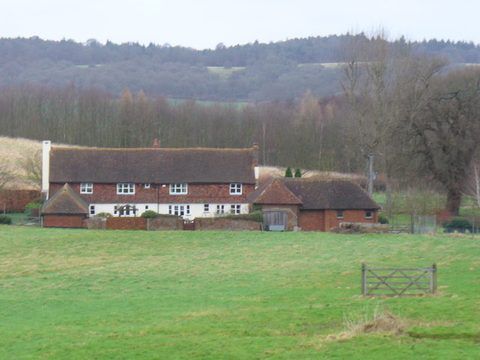 My grandparents left the city and moved to the
_____. Now they live on a farm, and their nearest neighbors are two miles away.
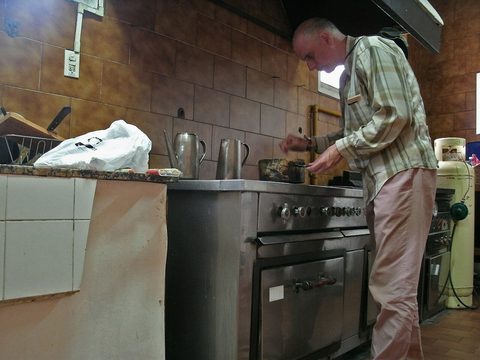 We slept in bunk beds in a cheap
_____ and cooked dinner in the shared kitchen with travelers from five countries.
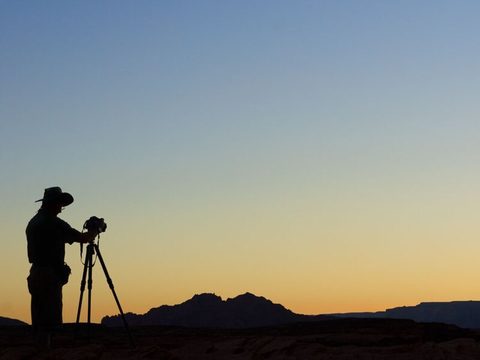 He is a
_____ photographer. He never takes pictures of people, only of mountains, lakes and deserts.
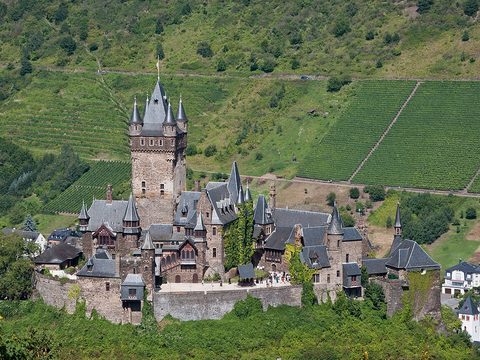 The old castle on the hill is the town's main
_____. Almost every visitor goes up there, the ticket is only five dollars, and the view from the top is wonderful.
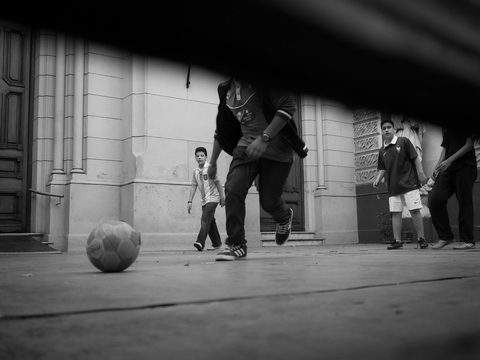 Our apartment was in a quiet
_____ far from the center, where kids play soccer in the street and everybody knows the baker.


