SPEAKING CLUB · TOPIC 25

Environmental Problems

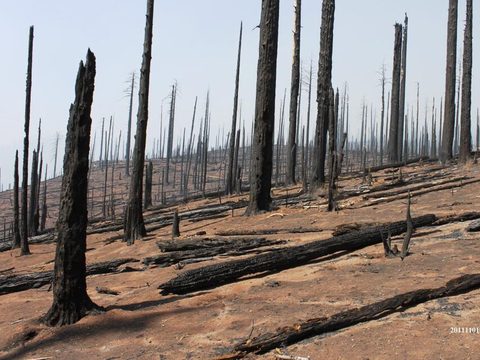
Plastic on the beach, smoke over the city, fire in the forest, and a light still on in an empty room. Sixty questions in three levels, from your kitchen trash can to the whole planet.

A1-C2 60 min Focus: speaking · 3 levels Home
EXERCISE 01Speaking

Warm-up

Ask and answer with a partner, or with me. Tap a card when you have answered it.

Teacher Alvaro

Small problems, big problems. Today we talk about the planet: trash on the street, dirty air, plastic in the ocean, hot summers. Beginners start at home, Intermediate goes out into the city, and Advanced takes on the whole world.

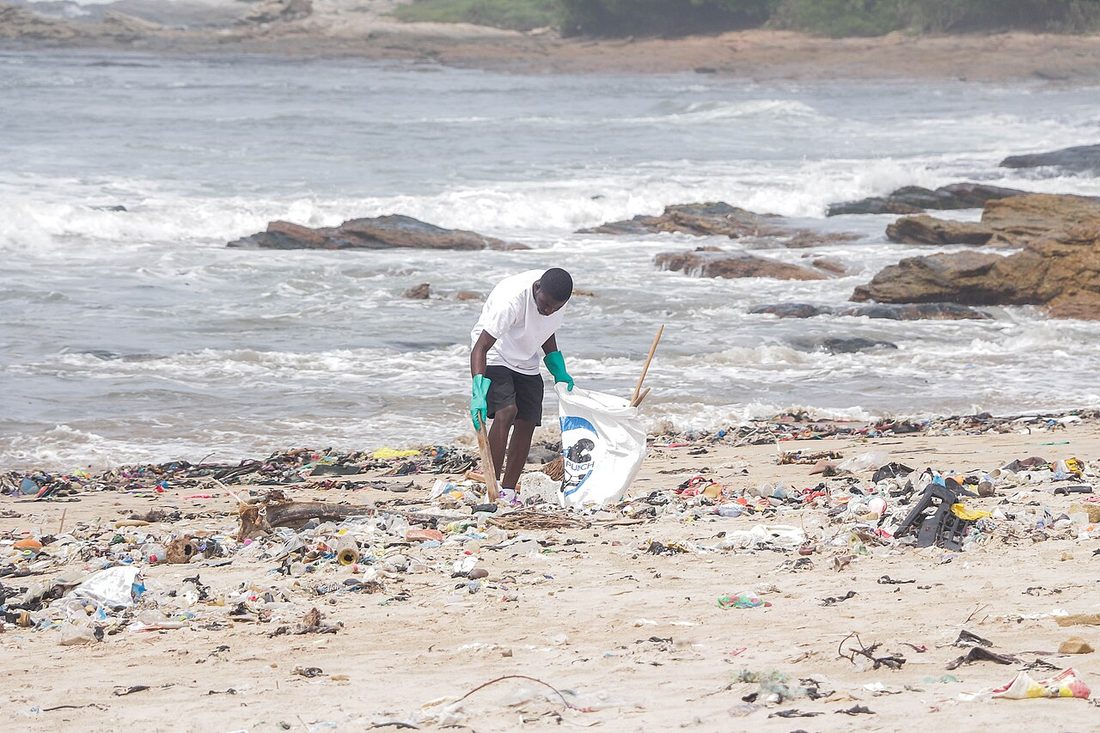
A volunteer in gloves picks up plastic trash on a beach covered with litter, with waves and rocks behind him
Useful language
Every day I throw away …I recycle … / I don't recycle … My street is clean / dirty because …There's a lot of trash on … It's hotter than before.It doesn't rain as much as before. I always … / I never …I want to start …
0 / 0
EXERCISE 02Vocabulary

Words for the planet

Click a word, then click its meaning. Correct pairs turn green. The audio button says the word.

Word
Meaning
EXERCISE 03Vocabulary in context

Complete the sentences

Click a word in the bank, then click a gap. Click a filled gap to clear it.

Teacher Alvaro
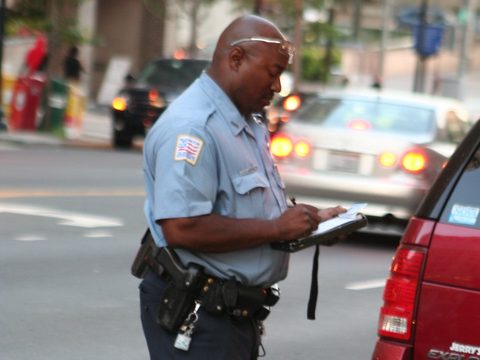
  • He threw his empty soda can out of the car window, and a police officer gave him a $100 ticket for _____.
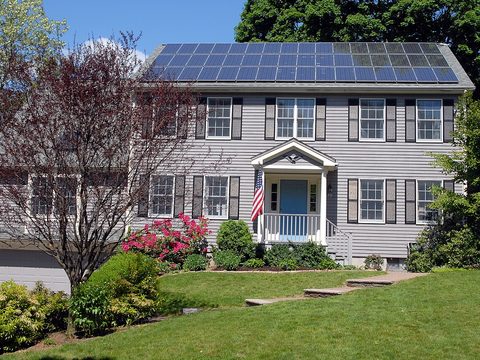
  • We put a _____ on the roof of our house, and now the sun makes most of our electricity.
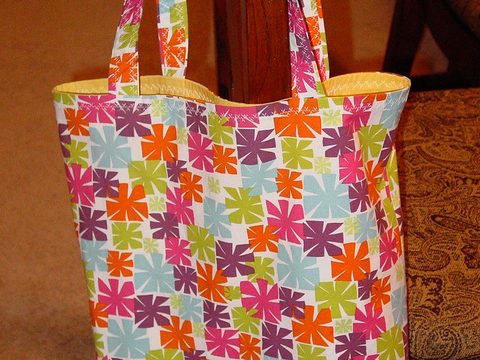
  • I don't take plastic bags at the supermarket anymore. I bring my own _____ bags, made of strong cloth, and I use them again every week.
  • On some days the smoke from cars and factories is so thick that you can't see the mountains. All this _____ makes my eyes hurt and my throat dry.
  • Before you go on vacation, _____ the TV and the microwave. Even when they're turned off, they still use a little electricity.
  • Trash in the rivers, smoke in the air, plastic on the beach: we're hurting the _____, and it's the only home we have.
  • Don't throw those old newspapers and glass jars in the trash! We can _____ them, and they will come back as new paper and new glass.
  • It didn't rain for three months, and the grass and trees were very dry. One small spark started a _____ that burned the whole forest.
EXERCISE 04Speaking · A1-A2

Beginner (A1-A2)

Ask and answer with a partner, or with me. Answer, then say why with because. Tap a card when you have answered it. Stuck? Open the answer prompts.

Answer prompts
1 · Yes, I recycle ___ (plastic / paper / glass) because ___ (it's good for the environment). 1 · No, I don't recycle because ___ (there are no recycling bins near me / I don't know how). 2 · I can save water by ___ (turning off the faucet / taking shorter showers). 3 · Yes, I think plastic is bad because ___ (it pollutes the oceans / it takes a long time to break down). 3 · No, it isn't bad if people ___ (reuse it / recycle it properly). 4 · I ___ (donate them / reuse them / throw them away) because ___ (they are still good / I don't need them anymore). 5 · Yes, I always turn off lights to ___ (save electricity / save money). 5 · No, I sometimes forget, but I try to remember. 6 · My favorite way is to ___ (plant trees / recycle / clean up trash) because ___ (it makes a difference). 7 · Yes, I planted a tree ___ (at school / with my family), and it was ___ (fun / easy). 7 · No, I have never planted a tree, but I want to try. 8 · If we cut down too many trees, ___ (animals lose their homes / the air becomes dirty). 9 · Yes, I use reusable bags because ___ (they are better than plastic bags). 9 · No, I don't use them because ___ (I forget to bring them). 10 · Yes, I ___ (walk / bike) because ___ (it's healthy / it's good for the planet). 10 · No, I usually drive because ___ (it's faster / I don't have a bike). 11 · Yes, the air is clean because ___ (there is little traffic / there are many trees). 11 · No, the air is not clean because ___ (there are too many cars / there is a lot of smoke). 12 · Yes, I have seen trash on the beach, like ___ (plastic bottles / cans), and it was ___ (sad / messy). 12 · No, I haven't seen trash on the beach, but I know it happens. 13 · We can protect animals by ___ (not cutting down forests / stopping hunting / keeping rivers clean). 14 · My favorite animal is ___ (a tiger / a bird / a dolphin) because ___ (it's beautiful / it's strong). 15 · Yes, it means to ___ (use less, use things again, and recycle them). 15 · No, I don't know, but I want to learn. 16 · Yes, I like spending time in nature because ___ (it's peaceful / it's beautiful). 16 · No, I don't like it because ___ (I don't like insects / I like staying indoors). 17 · Yes, it's important because ___ (we need a clean planet to live on). 17 · No, I don't think about it much, but I know it's important. 18 · We can save electricity by ___ (turning off lights / using energy-saving bulbs / unplugging devices). 19 · Yes, it's a big problem because ___ (it makes places dirty / it hurts animals). 19 · No, it's not a big problem where I live because ___ (people are careful / there are many trash cans).

Watch and talk · A song for kids

A song for young children from a British songbook, about a minute and a half long. The captions come on by themselves. Watch, then talk about the cards.

0 / 0
EXERCISE 05Speaking · B1-B2

Intermediate (B1-B2)

Answer, explain why, and give an example from your city or your country. Tap a card when you have answered it. The answer prompts help you start.

Teacher Alvaro
Answer prompts
1 · I think the biggest problem is ___ (climate change / plastic pollution / deforestation) because ___ (it affects everyone / it is getting worse). 2 · Pollution affects health by ___ (causing breathing problems / making water unsafe to drink). 2 · People who live in polluted areas often ___ (get sick more easily / have allergies). 3 · Yes, recycling makes a big difference because ___ (it reduces waste / it saves resources). 3 · No, I don't think it's enough because ___ (not everyone recycles / other changes are needed too). 4 · Renewable energy sources like ___ (solar / wind / hydro) are good because ___ (they don't run out / they don't pollute the air when they make electricity). 5 · Schools can ___ (organize recycling programs / teach about climate change / plant trees with students). 6 · Yes, governments should do more by ___ (making stricter laws / funding green projects). 6 · No, I think it's not just the government's job: ___ (companies and individuals) need to help too. 7 · Cities can reduce air pollution by ___ (using public transportation / planting more trees / creating bike lanes). 8 · Yes, they are expensive because ___ (they use better materials / they are not mass-produced). 8 · No, some eco-friendly products are affordable, like ___ (reusable bags / bamboo toothbrushes). 9 · Planting trees helps by ___ (cleaning the air / providing homes for animals / reducing heat). 10 · Solar panels are ___ (a great idea because they make clean energy / expensive, but worth it in the long run). 11 · A carbon footprint is ___ (how much carbon dioxide a person or an activity creates). 11 · I think we can reduce it by ___ (eating less meat / driving less / using clean energy). 12 · People can ___ (use reusable bags / avoid single-use plastics / buy items with less packaging). 13 · Yes, electric cars are better because ___ (they don't pollute the air in the streets). 13 · No, they are not perfect because ___ (making the batteries also causes pollution). 14 · Fast fashion is bad because ___ (it creates a lot of waste / it uses too much water). 14 · People should ___ (buy fewer clothes / choose better-quality items). 15 · Ocean pollution, like ___ (plastic waste / oil spills), harms coral reefs by ___ (blocking sunlight / killing marine life). 16 · Technology can help by ___ (creating clean energy / improving recycling systems / using AI to track climate change). 17 · I save energy by ___ (turning off lights / unplugging devices / using energy-efficient bulbs). 18 · Social media helps by ___ (sharing information / inspiring people to act / showing the effects of pollution). 19 · Meat consumption affects the environment because ___ (it requires a lot of land and water / it increases carbon emissions). 19 · People could eat less meat to ___ (reduce their carbon footprint / protect forests). 20 · Yes, it's possible, but ___ (very challenging, because it takes effort and planning). 20 · No, it's not realistic for everyone because ___ (some people don't have access to eco-friendly products). 21 · Wildfires destroy ___ (forests / homes), and they harm animals by ___ (destroying habitats / causing injuries). 21 · They also make the air ___ (hard to breathe / unhealthy for people).
0 / 0
EXERCISE 06Speaking · C1-C2

Advanced (C1-C2)

Go deeper: causes, consequences, both sides of the argument, and your own view. Tap a card when you have answered it. The answer prompts are there if you need a way in.

Answer prompts
1 · Climate change contributes significantly by ___ (creating prolonged droughts, increasing temperatures, and altering weather patterns), which ___ (make ecosystems more flammable). 1 · The resulting "fire season" has grown longer in many parts of the world, ___ (intensifying the destruction of natural habitats and human settlements, and worsening air quality). 2 · Extreme weather events serve as ___ (stark reminders of the accelerating impacts of climate change), as they ___ (displace populations, destroy infrastructure, and exacerbate economic inequality). 2 · These events underscore the need for ___ (immediate mitigation and adaptation strategies), such as ___ (strengthening disaster preparedness and transitioning to renewable energy). 3 · In my country, rising temperatures have led to ___ (reduced agricultural yields, increased frequency of heatwaves, and declining water resources). 3 · Coastal regions are particularly vulnerable, experiencing ___ (flooding due to sea-level rise), which threatens ___ (both livelihoods and biodiversity). 4 · Deforestation is driven by ___ (agricultural expansion, logging, and infrastructure development), often at the expense of ___ (biodiverse ecosystems). 4 · To combat this, strategies such as ___ (implementing stricter land-use policies, promoting sustainable agriculture, and incentivizing reforestation projects) are essential. 5 · Excessive consumerism, characterized by ___ (overproduction and the preference for disposable goods), leads to ___ (increased waste, resource depletion, and pollution). 5 · By shifting to more sustainable practices, such as ___ (buying locally, reducing consumption, and supporting eco-friendly brands), consumers can ___ (minimize their environmental impact). 6 · Corporations bear greater responsibility as they ___ (control large-scale industrial activities and supply chains) that ___ (contribute heavily to greenhouse gas emissions). 6 · However, individuals also play a critical role in ___ (holding corporations accountable and adopting sustainable lifestyles). 7 · Poorer countries often lack ___ (the resources and infrastructure to adapt to climate change), leaving them more vulnerable to ___ (floods, droughts, and other natural disasters). 7 · Additionally, their economies, which are frequently dependent on agriculture, are ___ (disproportionately affected by changing weather patterns). 8 · Innovation can lead to ___ (the development of biodegradable materials, waste-to-energy technologies, and more efficient recycling systems). 8 · Furthermore, advancements in artificial intelligence and data analytics can ___ (optimize waste management processes and track pollution patterns). 9 · Genetically modified crops can be instrumental in ___ (increasing agricultural productivity and enhancing resistance to pests and extreme weather). 9 · However, ethical concerns about ___ (long-term health effects and environmental consequences) need to be addressed through ___ (transparent research and regulation). 10 · The advantages of nuclear energy include ___ (its low greenhouse gas emissions and its steady, reliable output). 10 · However, drawbacks such as ___ (the risk of catastrophic accidents, radioactive waste disposal, and high initial costs) make it a contentious option. 11 · The fashion industry could adopt ___ (circular economy principles), such as ___ (producing durable clothing, promoting recycling, and reducing overproduction). 11 · Educating consumers about the environmental costs of fast fashion can also ___ (encourage more sustainable purchasing decisions). 12 · Cities can enhance sustainability by ___ (investing in public transportation, implementing green building codes, and creating urban green spaces). 12 · Policies that ___ (reduce energy consumption, promote waste reduction, and incentivize renewable energy adoption) are equally important. 13 · Globalization has intensified ___ (the extraction of natural resources, transportation emissions, and waste production) to meet rising consumer demands. 13 · However, it has also facilitated ___ (knowledge sharing and international cooperation on environmental issues). 14 · Biodiversity loss can be addressed through ___ (habitat conservation, combating climate change, and curbing overexploitation of species). 14 · Supporting initiatives such as ___ (protected areas, sustainable agriculture, and community-based conservation programs) is crucial for long-term success. 15 · The transition to renewable energy poses ___ (significant financial barriers), including ___ (high initial investment costs and the need for infrastructure upgrades). 15 · Despite these challenges, renewable energy can ___ (generate economic benefits over time) by ___ (creating jobs and reducing dependence on fossil fuels). 16 · Overpopulation exacerbates resource depletion by ___ (drastically increasing the demand for finite resources such as fresh water, arable land, and fossil fuels). 16 · It not only leads to ___ (unsustainable consumption patterns) but also accelerates ___ (deforestation, biodiversity loss, and pollution on a global scale). 17 · Space exploration, while groundbreaking, can contribute to ___ (ozone layer depletion due to rocket emissions and the accumulation of space debris in Earth's orbit). 17 · Conversely, advancements in space technology could facilitate ___ (environmental monitoring, climate modeling, and the search for sustainable resources beyond Earth). 18 · In many cases, environmental laws lack the ___ (rigorous enforcement mechanisms) required to ensure compliance, particularly among large corporations. 18 · While some nations have implemented ___ (progressive policies such as carbon taxes and renewable energy mandates), others remain ___ (lax in regulating industrial emissions and waste disposal). 19 · Transitioning to a circular economy necessitates ___ (rethinking traditional production models to prioritize sustainability). 19 · Businesses should invest in ___ (innovative technologies that facilitate material reuse, recycling, and upcycling). 19 · Additionally, fostering partnerships across industries can ___ (create closed-loop systems), where waste from one sector becomes a resource for another. 20 · Relocation causes ___ (loss of homes, cultural heritage, and community bonds). 20 · It also leads to ___ (economic challenges and the need for social integration in new areas).
0 / 0
EXERCISE 07Writing

One question, in writing

80–120 words. Choose one question from your level (Beginner, Intermediate or Advanced) and answer it in writing. Start with the level and the number, for example Intermediate 7. Say what the problem is, why it matters, and one thing people can do about it.

Teacher Alvaro
0 words
ENDEnd of lesson

My results

Check your score, then copy it and send it to your teacher on WhatsApp.

Teacher Alvaro

One job for this week. Every day, do one small thing for the planet and say it out loud in English: I unplugged the TV. I took a reusable bag. I recycled three bottles. Seven days, seven sentences.