SPEAKING CLUB · TOPIC 26

False Friends

A library doesn't sell books, and “actual” doesn't mean “current”. English words that look like Portuguese words but mean something else, and questions for every level, from A1 to C2.

A1-C2 60 min Focus: speaking · 3 levels Home
EXERCISE 01Speaking

Warm-up

Ask and answer with a partner, or with me. Click a card when you have answered it.

Teacher Alvaro

Some words lie. Library looks like livraria, but in a library you borrow books: you don't buy them. Words like this are false friends. Today you meet a lot of them and talk about them at your level, from A1 to C2.
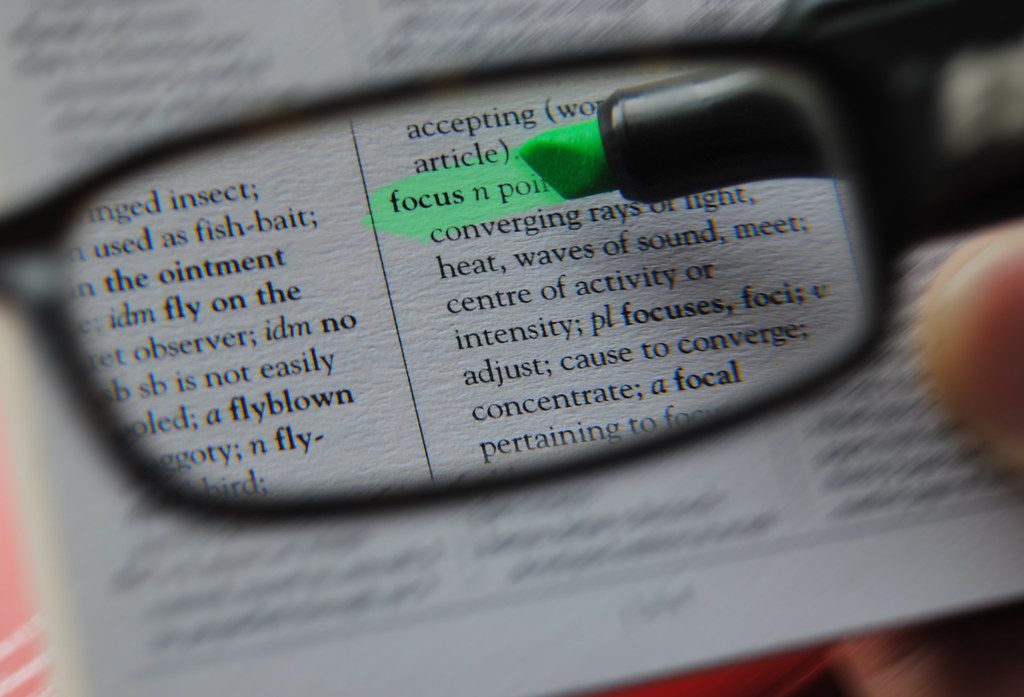
A page of an English dictionary seen through a pair of reading glasses, with a green highlighter marking one word
Useful language
I think it means …In Portuguese, … means … They look the same, but …I once said …, but I wanted to say … I usually check new words in …Oops! I mixed up … and …
0 / 0
EXERCISE 02Vocabulary

Key words

Eight false friends from today's questions: each one looks like a Portuguese word, but means something different. Click a word, then click its real meaning. Correct pairs turn green. The audio button says the word.

Word
Meaning
EXERCISE 03Vocabulary in context

Complete the sentences

Click a word in the bank, then click a gap. Click a filled gap to clear it. Read the whole sentence first: only one word fits each gap.

Teacher Alvaro
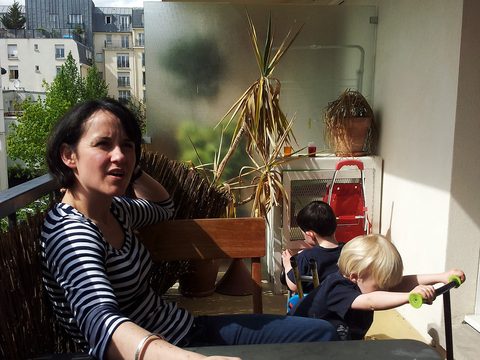
  • Our apartment is on the fifth floor, and in the morning we drink our coffee on the _____ and look down at the park.
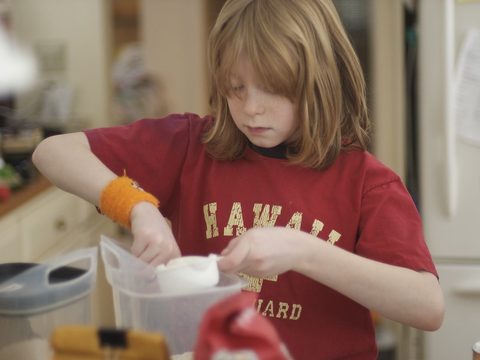
  • My mother is a nurse and my father is a bus driver. My _____ both work at night, so I make dinner for my little brother.

  • The professor talked about the history of the city for two hours, and two hundred students took notes during her _____.

  • I don't buy many books. Every Saturday I borrow three or four from the _____ near my house and take them back two weeks later.
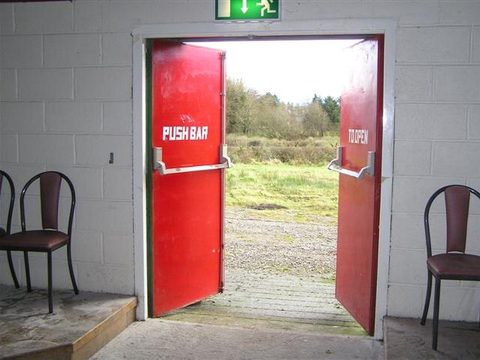
  • The front door is closed for repairs today, so please use the _____ at the back of the building to go out.

  • Our teacher writes the new words on the board, and I copy them into my _____ with a pencil.

  • After high school, my sister wants to go to _____ and get a degree in engineering.

  • Everybody at the party on Saturday has to dress as an animal, so I'm making a cat _____ with two ears and a long tail.
EXERCISE 04Speaking · A1-A2

Beginner (A1-A2)

Ask a partner, or me, and answer. A short answer is fine: start with a word or two, then say a full sentence. The dotted words are the false friends: click one to see what it really means. Stuck? Open the answer prompts: the words in [brackets] are only examples, so change them to talk about you. Click a card when you have answered it.

Answer prompts
1 · I live with my [mom / dad / both parents] in a [house / apartment / small city]. 1 · I don't live with them. I live with my [aunt / grandparents / brother] now. 2 · Yes, I go every [week / weekend / month], and I read [comics / English books / stories]. 2 · No, I don't. I prefer to read [at home / at school / online]. 3 · Yes, he / she always [helps people / makes good choices / listens]. 3 · No, he / she is a little [crazy / funny / noisy], but I love that. 4 · Yes, I cry when I see [sad endings / animals in danger / people in pain]. 4 · No, I usually feel [bored / okay / normal] because it's just a movie. 5 · Yes, I want to study [medicine / English / business] at a college. 5 · No, I want to [work / open a store / travel] after school. 6 · The actual reason people follow the news is [to stay informed / to understand what's happening in the world / to make better decisions]. 7 · Yes, sometimes I say, “I have a [headache / stomachache],” but I'm okay. 7 · No, I never do that because my [mom / teacher / boss] always knows. 8 · I love [spaghetti / ravioli / lasagna] with [cheese / tomato sauce / meat]. 8 · I don't like pasta. I eat more [rice / vegetables / sandwiches]. 9 · Yes, I do it with my [phone / app / teacher] to practice. 9 · No, I don't like to hear my voice. I prefer [reading / repeating / watching videos]. 10 · Yes, I like to write [my name / words / sentences] in class. 10 · No, I don't write much. I like to [listen / speak / draw]. 11 · Yes, I have. I wore [a funny / a scary / an easy] costume. I was a [witch / clown / superhero]. 11 · No, I haven't, but I want to be a [witch / clown / superhero] one day.
0 / 0
EXERCISE 05Speaking · B1-B2

Intermediate (B1-B2)

Answer with a reason and an example. The dotted words are the false friends: click one to see its real meaning. Use an answer prompt only to start, then continue in your own words. Click a card when you have answered it.

Teacher Alvaro
Answer prompts
1 · Yes, I usually attend [meetings / school parties / cultural events] because [they're fun / I learn something new / I like to be involved]. 2 · Yes, someone pushed me to [speak in public / go on stage / try a new sport], and at first I felt [nervous / uncomfortable], but later I [enjoyed it / was proud]. 2 · No. I usually say no when I don't want to do something because [I like to decide for myself / I know my limits]. 3 · Yes, I have. I waited for [my passport / my test results / a job interview / a reply], and it eventually came after [two weeks / a few months / three days]. I felt [relieved / excited / calm]. 4 · Yes, I have. I had to pause [my studies / an English course / a personal project] because of [work / health / travel], but I resumed [it / them] when I [had time / felt ready / felt motivated again]. 5 · Yes, the mayor of my city is [name]. I think the job involves [making decisions / helping the city / solving problems / listening to people]. 5 · No, I don't, but I think the job involves [making decisions / solving problems / listening to people]. 6 · Yes, I have. I assisted someone who [fell / fainted / had an accident]. I [called for help / stayed with them / gave first aid]. 6 · No, I haven't, but I think I would try to [stay calm / help / call an ambulance] if something happened. 7 · Yes. I realized that [I needed to change jobs / I was wrong / I wanted to study abroad / family is important] when I [had a conversation / saw something / made a mistake]. 8 · Yes, I have. I noticed [a mistake / a missing detail / someone who needed help / a lost object] during [a class / a trip / an activity / a party], and it made a difference. 9 · Yes, I have. I attended a lecture on [science / politics / technology / math], and I couldn't follow everything, but I [took notes / asked questions / did some research later]. 10 · Yes, I have. I confused [“pretend” / “actual” / “library”] and said something wrong in front of [my class / a friend / my teacher]. It was [funny / embarrassing / chaotic]. 11 · Yes, I really enjoy making [chicken soup / banana bread / lasagna / potato salad] because it always turns out [great / tasty / comforting / delicious]. 12 · Yes, I would enjoy it because a balcony offers a [quiet space to relax / place to grow plants / nice view / bit of fresh air], even if it's small.
0 / 0
EXERCISE 06Speaking · C1-C2

Advanced (C1-C2)

Give your opinion, support it with an example, and react to your partner: agree, disagree or add a point. Click a dotted word for its meaning and the Portuguese look-alike it is not. Click a card when you have answered it.

Answer prompts
1 · I try to [check the context / look it up in a dictionary / compare it with other examples] because [false cognates can be misleading / the meaning isn't always obvious]. 2 · Yes, I once used the word [“pretend” / “sensible” / “sympathetic”] thinking it meant [to plan / sensitive / nice], and the result was [a misunderstanding / an awkward moment / a confusing situation]. 3 · Yes, during a [conversation / meeting / interview], someone said [“actual” / “library” / “assist”], and I thought it meant [current / bookstore / attend]. As a result, I [answered incorrectly / got confused / responded inappropriately], but they [corrected me / explained it / laughed it off]. 4 · Some common ones are [“parents” and “parentes,” which means relatives / “prejudice” and “prejuízo,” which means a loss / “lecture” and “leitura,” which means reading], and I've used them incorrectly in [emails / essays / conversations]. 5 · I've heard it in [class / conversations / emails], when people meant [“sensitive”], because it looks like “sensível.” In English, “sensible” means [rational / practical / showing good judgment], which is quite different. 6 · “Educated” describes [someone who has studied / someone with academic knowledge], while “polite” refers to [good manners / respectful social behavior]. Learners mix them up because in Portuguese “educado” usually means [polite]. 7 · Yes, there was an ad for [a sustainability campaign / a new phone / a charity] that made me think differently because it used [emotion / real stories / powerful visuals]. 8 · Yes, I once missed a [doctor's appointment / job interview / language class] because I [confused the time / forgot to confirm]. I felt [stressed / frustrated / anxious], but I [apologized / rescheduled / learned to be more organized]. 9 · I believe everyone deserves a second chance, especially if they've [served their sentence / made a real change]. 10 · I store my data in [cloud storage / encrypted drives / password managers], and I'm [very / somewhat / not really] concerned about privacy. 11 · Yes, I once had to leave [a meeting / a party / a conversation] quickly because [things got tense / I felt uncomfortable / I remembered something urgent]. 12 · It depends on the legend. Some might be rooted in [historical events / real figures / ancient traditions], but over time they've likely become [mythical / symbolic / purely fictional / exaggerated / altered]. 13 · In many cases, retired people are [undervalued / overlooked], even though they have [experience / wisdom / time to help]. 14 · Unfortunately, prejudice related to [race / gender / age / religion] still exists in many places. 14 · Individuals can [speak up when they see it / listen to other people's experiences], and institutions can [set clear rules / offer training / hire more fairly].
0 / 0
EXERCISE 07Writing

Your answer, in writing

80–120 words. Choose one question from your level (Beginner, Intermediate or Advanced) and answer it in one paragraph. Start with the level and the number of the question. Give your answer, a reason and an example, and use at least two false friends from this lesson with their real English meaning.

Teacher Alvaro
0 words
ENDEnd of lesson

My results

Check your score, then copy it and send it to your teacher on WhatsApp.

Teacher Alvaro

One job for this week. Start a false-friends list. When an English word looks like a Portuguese one, check it in a dictionary before you use it. Write the word and its real meaning, and bring three new ones to the next class.