SPEAKING CLUB · TOPIC 41

Korean Culture

From kimchi and K-pop to hanbok, holidays and the pressure on Korean students: fifty-nine questions in three levels, and eight words that every level needs.

A1-C2 60 min Focus: speaking · 3 levels Home
EXERCISE 01Speaking

Warm-up

Ask and answer with a partner, or with me. Tap a card when you have answered it.

Teacher Alvaro

You probably know a little Korean culture already: a song, a dish, a TV series. Today there are three levels of questions. Answer the ones at your level, but listen to the other levels too: you can take good words from them.
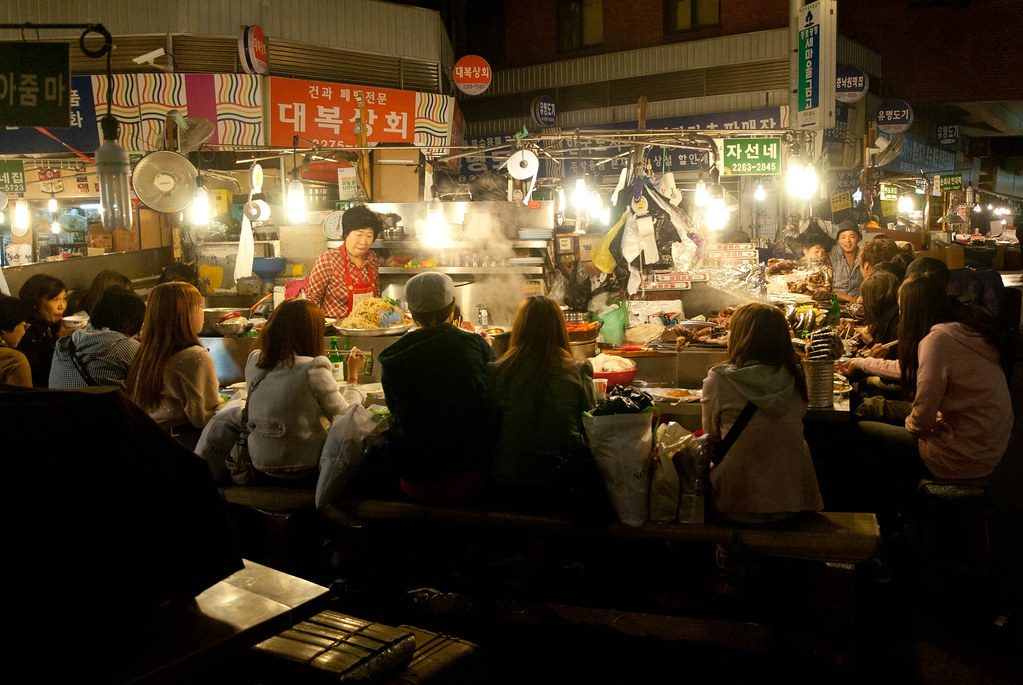
A busy food market in Seoul at night: people sit on long benches around a food stall while a cook in a red apron serves food under bright lights and Korean signs
Useful language
My phone / My TV was made in …I don't know where it was made. I love … food. I eat it at home / at a restaurant. My favorite series is … . It's from … In Spanish, you say “hola.” I want to visit … because I want to see …
0 / 0
EXERCISE 02Vocabulary

Words for every level

Click a word, then click its meaning. Correct pairs turn green. The audio button says the word.

Word
Meaning
EXERCISE 03Vocabulary in context

Complete the sentences

Click a word in the bank, then click a gap. Click a filled gap to clear it. Read the whole sentence first: the small words around the gap help too.

Teacher Alvaro
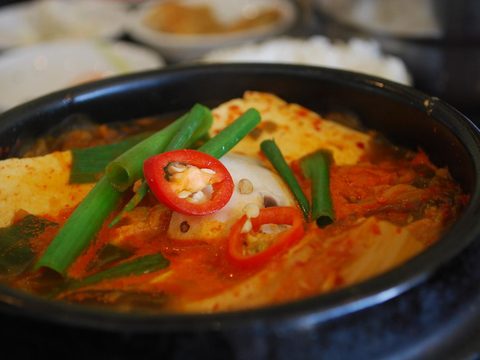
  • I drank three glasses of water after that red soup. My mouth was on fire! It was much too _____ for me.
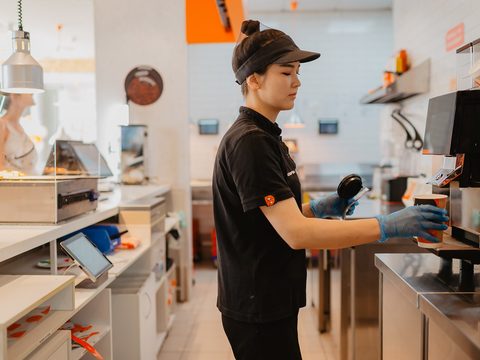
  • On my first day at the pizza shop, my boss gave me a _____: a black shirt and a cap that all the workers wear.
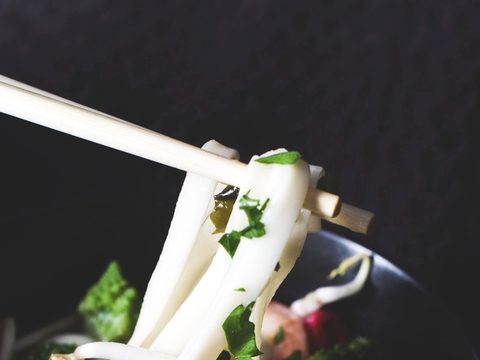
  • I held both _____ in my right hand and tried to pick up the noodles, but they kept falling back into the bowl.
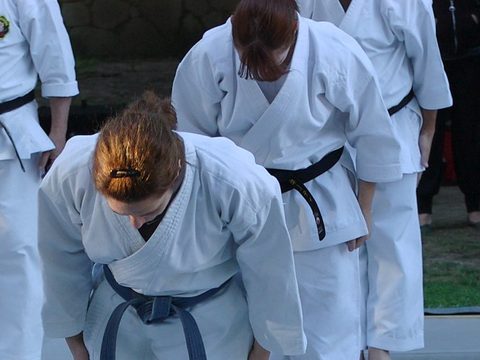
  • When the master walks into the martial arts class, all the students stand in a line and _____ to him before they start.
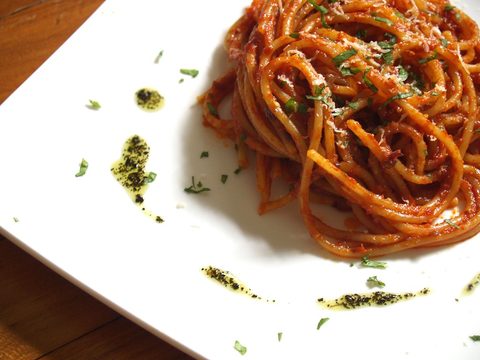
  • Pasta with tomato sauce is the only _____ I can cook, so when friends come for dinner, they always eat the same thing!

  • I only wanted to watch one episode before bed, but the story was so good that I finished the whole _____, all sixteen episodes, by Sunday night.
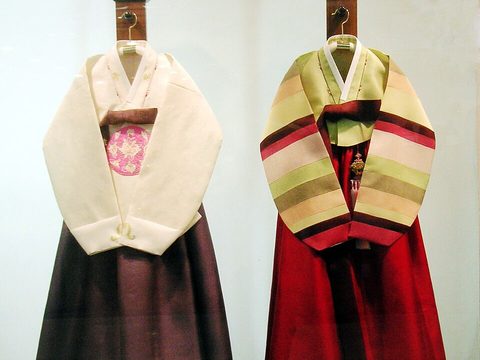
  • For the Korean New Year party, my aunt took her traditional _____ out of the closet: a short jacket with colorful stripes and a long, wide red skirt. She never wears it to work or school, only on special days.

  • At our family dinners, the children never start eating first. They wait for the _____: my grandparents and Great-Aunt Rosa, who is ninety.
EXERCISE 04Speaking · A1-A2

Beginner (A1-A2)

Answer in full sentences, with a partner or with me. Tap a card when you have answered it. Stuck? Open the answer prompts below the cards: same number, same question.

Answer prompts
1 · Yes, I like Korean food because it's ___ (spicy / tasty / different / healthy). / No, I don't like Korean food because it's ___ (too spicy / new to me). 2 · My favorite Korean dish is ___ (bibimbap / tteokbokki / kimchi / bulgogi) because I like ___ (the taste / the sauce / spicy food). 3 · Yes, I know kimchi. It's ___ (spicy / red / made from cabbage). / No, I don't know it, but I want to try it. 4 · Yes, I have tried Korean BBQ. It was ___ (delicious / fun / very good). / No, I haven't tried it, but I want to. 5 · Yes, I watch Korean dramas. I like ___ (romance / action / school stories). / No, I don't watch them, but my friend does. 6 · My favorite K-pop group is ___ (BTS / Blackpink / Twice) because they are ___ (cool / good at dancing / fun). 7 · Yes! I can say ___ (annyeong = hi / saranghae = I love you / kamsahamnida = thank you). / No, I can't, but I want to learn. 8 · The colors of the South Korean flag are ___ (white, black, red and blue). / I think it has a ___ (red and blue) circle and ___ (black) lines. 9 · Yes, I like K-pop because it's ___ (fun / good to dance to / cool). / No, I don't like K-pop, but I like ___ (rock / pop / classical music). 10 · Yes, I want to go to Korea because I want to ___ (try the food / see Seoul / watch concerts). / No, I don't want to go now, but maybe later. 11 · Seoul is a ___ (big / modern / beautiful) city. It has ___ (many people / K-pop / bright lights). / I know Seoul is the capital of South Korea. 12 · Yes, I eat with chopsticks when I eat ___ (noodles / sushi / Korean food). / No, I don't eat with chopsticks. I use a ___ (fork / spoon). 13 · Yes, Korean culture is popular. Many people like ___ (K-pop / Korean food / dramas). / No, it's not very popular, but some people like it. 14 · Yes, I know Chuseok. It's a bit like Thanksgiving. / Yes, I know Seollal. It's the Korean New Year. / No, I don't know them, but I want to learn. 15 · I know Korean students ___ (study a lot / wear uniforms / go to school all day). / I don't know much, but I think school is ___ (hard / interesting) in Korea. 16 · Yes, I would like to wear a hanbok because it's ___ (beautiful / colorful / traditional). / No, I don't want to wear it because I like ___ (casual clothes / simple clothes). 17 · Yes, I like Korean fashion because it's ___ (cool / stylish / modern). / No, I don't like it, but I like ___ (my country's fashion / sporty clothes). 18 · Yes, I want to learn Korean because I like ___ (K-pop / dramas / Korean culture). / No, I don't want to learn it now, but maybe in the future.
0 / 0
EXERCISE 05Speaking · B1-B2

Intermediate (B1-B2)

Give a reason and an example in every answer. Tap a card when you have answered it. The answer prompts below the cards have the same numbers.

Teacher Alvaro
Answer prompts
1 · I think K-pop is popular because it has ___ (catchy music / great dancing / cool fashion) and ___ (fun videos / talented artists). / People enjoy it because it's ___ (different from Western music / very energetic / emotional). 2 · Korean food is different because it's usually ___ (spicier / more fermented / eaten with chopsticks). / In my country, we eat more ___ (bread / sweet food / fried food). 3 · I like ___ (Crash Landing on You / Squid Game / Itaewon Class) because it's ___ (emotional / exciting / interesting) and the story is about ___ (love / friendship / family / society). 4 · Hanbok is ___ (colorful / beautiful / traditional). It's usually worn ___ (on special days / on holidays / at weddings). / I think it looks ___ (elegant / different / nice). 5 · Yes, I'd love to visit Korea. I want to go to ___ (Seoul / Busan / Jeju Island) because it's ___ (famous / beautiful / interesting). / I want to see ___ (palaces / K-pop places / temples). 6 · I think Korean beauty products are ___ (very good / innovative / popular). / They are good because they are ___ (natural / gentle / good for your skin), but sometimes they are ___ (expensive / hard to find). 7 · I think Korean culture is unique because it mixes ___ (tradition and modern life / old and new). / It's special because of ___ (respect for elders / food / fashion / music). 8 · Yes, I think it's strict because students study ___ (all day / even on weekends) and go to ___ (extra classes). / But it also helps students to be ___ (disciplined / successful / hardworking). 9 · I know that Koreans bow to show respect and celebrate ___ (Chuseok / Lunar New Year). / They also eat ___ (special food / rice cakes) during holidays and wear ___ (hanbok). 10 · Yes, I follow ___ (Jennie from Blackpink / RM from BTS / some K-beauty YouTubers) because ___ (she's / he's / they're) ___ (funny / talented / interesting). / No, I don't follow any, but I sometimes see videos on ___ (YouTube / Instagram / TikTok). 11 · They visit their families, eat ___ (rice cakes / special food) and wear ___ (hanbok). / They also ___ (bow to their elders / give money / give gifts) and play ___ (traditional games). 12 · I'd like to learn how to cook ___ (bibimbap / bulgogi / kimchi) because it looks ___ (delicious / healthy / colorful). / I think it's ___ (not too hard / fun to try). 13 · Yes, I would, because I want to ___ (learn Korean / meet new people / explore the culture). / I think it would be ___ (challenging / exciting / a great opportunity). 14 · Yes, I think it's hard because the ___ (alphabet / grammar / pronunciation) is very different from my language. / But I also think it's fun and useful to learn. 15 · Korean fashion is ___ (cuter / trendier / more layered), while Western fashion is ___ (simpler / more casual). / I think Korean fashion is ___ (more colorful / more stylish). 16 · I know that Korea was divided into ___ (North Korea and South Korea) after World War II. / I also know about ___ (King Sejong / the invention of Hangul / ancient kingdoms). 17 · I'd like to experience ___ (Chuseok / a Korean wedding / a tea ceremony) because it's ___ (beautiful / meaningful / traditional). / It would be fun to ___ (wear a hanbok / try the food / join the celebration). 18 · They often show ___ (love stories / family problems / high school life / social issues). / I like how they mix ___ (romance, comedy and drama). 19 · Yes, I think so. They train for ___ (many years), and their schedules are ___ (very busy / stressful). / They have to ___ (look perfect / smile all the time), but it's not easy. 20 · Yes, I'd like to live there because I want to ___ (explore the culture / study the language / meet local people). / But I'm a little worried about ___ (the language / the food / homesickness). 21 · I'd say: “Learn some basic Korean words and try the food.” / “Be polite, respect the culture, and bring ___ (comfortable shoes / a camera / your passport)!”
0 / 0
EXERCISE 06Speaking · C1-C2

Advanced (C1-C2)

Give your opinion and support it with an example. Then say what someone who disagrees would answer. Tap a card when you have answered it. The answer prompts below the cards have the same numbers.

Answer prompts
1 · When I hear “Korea,” I immediately think of ___ (K-pop / technology / rapid development / cultural pride) because of its ___ (global presence / innovation / strong identity). 2 · I know that Korea was divided into ___ (North and South) in 1945, at the end of World War II, and that the Korean War began in ___ (1950). The division still affects ___ (politics / families / global relations) today. 3 · K-pop and K-dramas have influenced young people by ___ (shaping fashion trends / spreading language learning / promoting new beauty standards), especially through ___ (social media / YouTube / fandoms). 4 · The system is strong because it promotes ___ (discipline / academic excellence), but it also causes ___ (stress / a lack of creativity / mental health issues) due to ___ (long hours / high expectations). 5 · It can be empowering because it encourages ___ (self-care / confidence), but it's also problematic because it promotes ___ (unrealistic beauty standards / conformity). 6 · Many dramas highlight topics like ___ (class inequality / mental health / corruption), which shows that entertainment also serves as ___ (social commentary / a way to raise public awareness). 7 · Korea has invested in ___ (media / branding / soft power), and its success comes from ___ (high production quality / talent training / government support). 8 · Reunification could lead to ___ (economic growth / family reunions), but it may also create ___ (an economic burden / political conflict), especially due to ___ (differences in systems and lifestyles). 9 · Traditionally, Korean society had strict gender roles, with men expected to ___ (work) and women to ___ (stay at home). / However, today, more women are entering the workforce, although there is still ___ (a gender pay gap / a glass ceiling). 10 · Hierarchy is very important; people show respect based on ___ (age / job title / seniority). / While it helps maintain order, it can also limit ___ (open communication / creativity). 11 · Through festivals, hanbok-wearing days and traditional music performances, Korea keeps its culture alive. / Despite modernization, there is strong national pride in ___ (its language / its customs / its holidays). 12 · Korean culture emphasizes ___ (collectivism / respect for elders / hard work), while my culture values ___ (individualism / equality / personal freedom). / In Korea, family and group harmony are prioritized, even over ___ (personal opinions or choices). 13 · It may be sustainable due to its ___ (global fan base / strong branding / evolving content), but burnout and overproduction might pose risks. / If the industry addresses ___ (mental health / fair working conditions), it could thrive. 14 · Immigrants may struggle with ___ (language barriers / cultural differences / workplace discrimination). / Although some foreigners enjoy the experience, others find it hard to ___ (integrate / build friendships). 15 · Korean films often focus more on ___ (storytelling / emotion / social commentary), whereas Hollywood emphasizes ___ (action / spectacle / big budgets). / Films like Parasite show that the Korean film industry can compete globally. 16 · Critics say the pressure causes ___ (stress / depression / lack of sleep) among students. / While academic results are high, students often miss out on ___ (creative activities / a social life). 17 · Some common stereotypes are that Koreans are ___ (hardworking / appearance-focused / tech-savvy). / While these may be based on some truth, they are generalizations and don't represent ___ (every individual). 18 · Platforms like ___ (Instagram / TikTok / YouTube) influence trends in ___ (fashion / music / beauty). / They allow young people to ___ (express themselves / follow idols), but they also increase ___ (peer pressure / online bullying). 19 · Family honor is central; people often make decisions that will not ___ (shame / disappoint) their family. / Success is not only personal — it reflects on the entire family. 20 · Korean dishes like ___ (bibimbap / bulgogi / Korean fried chicken) are now served in ___ (fusion restaurants / fast-food chains). / Ingredients and spice levels are sometimes adjusted to suit ___ (Western palates / local preferences).
0 / 0
EXERCISE 07Writing

One question, in writing

80–120 words. Choose one question from your level (Exercise 04, 05 or 06) and copy it at the top. Start with its answer prompt, then add a reason, an example and one more detail of your own.

Teacher Alvaro
0 words
ENDEnd of lesson

My results

Check your score, then copy it and send it to your teacher on WhatsApp.

Teacher Alvaro

One job for this week. Every day, tell someone one thing about Korea in English: a dish, a word, a holiday or a custom from today's cards, with one word from Exercise 02. Thirty seconds, out loud.