SPEAKING CLUB · TOPIC 42

Learning Strategies

Flashcards or videos, alone or in a group, morning or night. Sixty-five questions in three levels: find yours, say how you learn best, and try a study trick named after a tomato.

A1-C2 60 min Focus: speaking · 3 levels Home
EXERCISE 01Speaking

Warm-up

Ask and answer with a partner, or with me. Tap a card when you have answered it.

Teacher Alvaro

Everybody learns in a different way. Some people need silence, some need music, some need a deadline. Today you talk about how you learn, at your own level, and you try a study method named after a tomato.
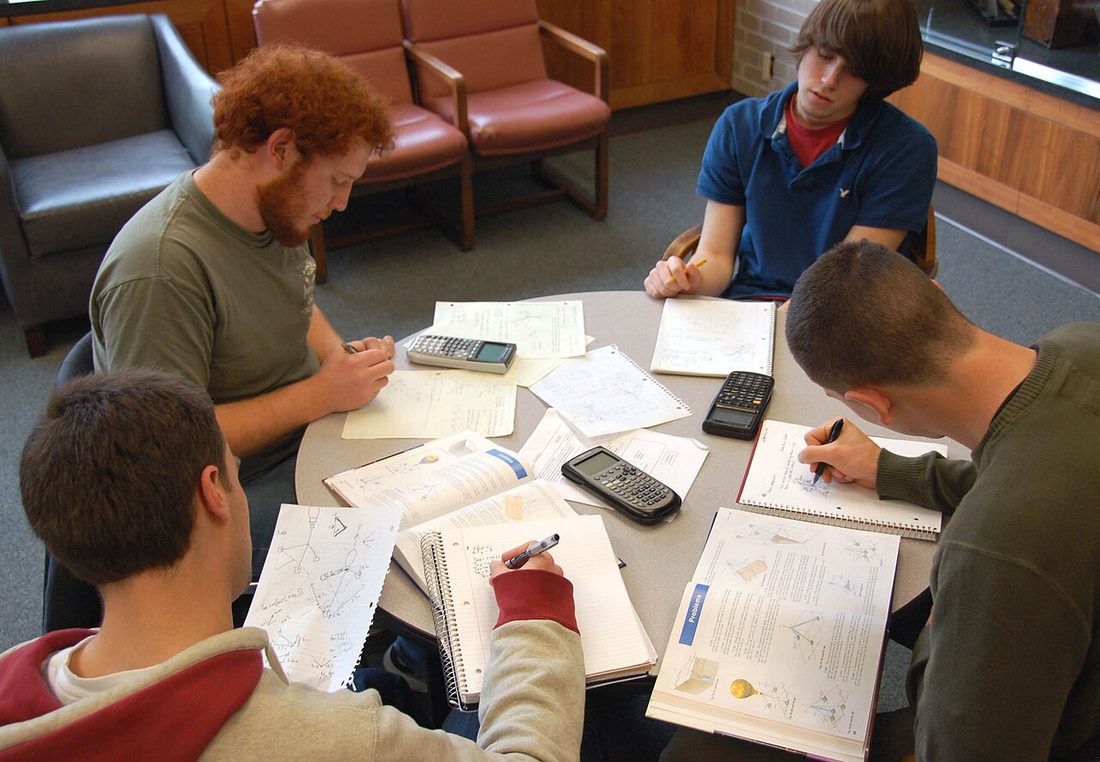
Four college students around a table, studying together with notebooks, worksheets and calculators
Useful language
I like to study at home / in a library.This month, I learned how to … My best teacher was … because …She was patient. / He was funny. I write my notes on paper / on my phone.Next, I want to learn … I'm not sure. Maybe …How do you say … in English?
0 / 0
EXERCISE 02Vocabulary

Words for studying

Click a word, then click its meaning. Correct pairs turn green. The audio button says the word.

Word
Meaning
EXERCISE 03Vocabulary in context

Complete the sentences

Click a word in the bank, then click a gap. Click a filled gap to clear it.

Teacher Alvaro
  • I didn't know how to fix the brakes on my bike, so I watched a ten-minute _____ online. The man showed every step, and now I can do it alone.

  • The teacher speaks very fast, so I write short _____ in my notebook. At home, I read them again before the test.

  • I can't study in the living room. The TV is a big _____ for me: I look at it every two minutes and forget my homework.
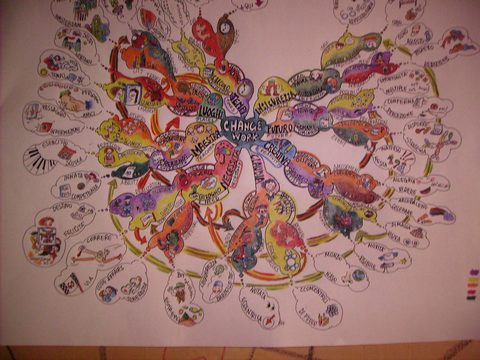
  • In the middle of the page, I wrote "ocean". Then I drew lines to other words around it: fish, waves, boats and beach. My _____ is ready!

  • After two hours of studying, my eyes were tired, so I took a short _____: I made a coffee and walked around the house for ten minutes.

  • I write an English word on the front of each _____ and its meaning on the back. Then I test myself on the bus.
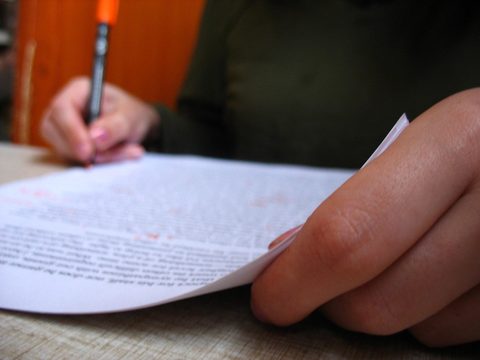
  • Look at your answer to question 3: "She go to school." That's a _____. The correct answer is "She goes to school."
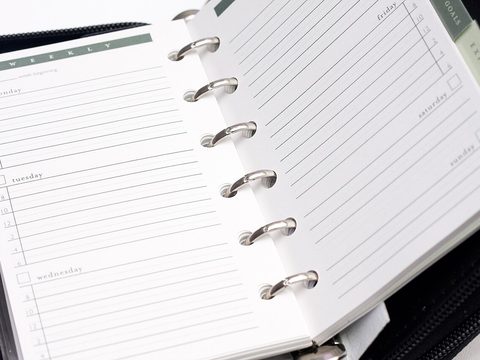
  • My _____ has a page for every day of the year. On the page for Monday, I wrote: "Math test, 10 a.m. Bring a calculator."
EXERCISE 04Speaking · A1-A2

Beginner (A1-A2)

Ask and answer with a partner, or with me. Give a reason for every answer: because … Tap a card when you have answered it. Stuck? Open the answer prompts below the cards.

Answer prompts
1 · I prefer learning alone because ___ (I can concentrate better and set my own pace), but I also enjoy group learning when ___ (I need to share ideas or collaborate on projects). 2 · My favorite subject to learn about is ___ (science) because ___ (it explains how things work and sparks my curiosity about the world). 3 · I use tools like ___ (flashcards or Quizlet) to help me ___ (memorize information more easily), and I also like apps like ___ (Duolingo) for ___ (language practice). 4 · When I learn something new, I feel ___ (excited and motivated) because ___ (it gives me a sense of progress and accomplishment). 5 · I prefer learning through ___ (videos) because ___ (they are visual and engaging), but I also enjoy reading when ___ (I need to dive deeper into a topic). 6 · I spend around ___ (two hours a day) learning by ___ (reading articles, watching tutorials, or practicing new skills). 7 · I think it's important to ask questions because it ___ (helps clarify concepts) and ensures that ___ (I fully understand what I'm learning). 8 · I practice what I learn by ___ (applying it to real-life situations) or ___ (teaching it to others to reinforce my understanding). 9 · If I don't understand something, I usually ___ (ask someone for help) or ___ (look for additional resources like tutorials or explanations). 10 · I enjoy learning by doing because it ___ (helps me remember things better) and allows me to ___ (apply concepts directly). 11 · I remember new words or facts by ___ (writing them down and reviewing them regularly), or sometimes I create ___ (flashcards to practice). 12 · I set goals by ___ (breaking down big tasks into smaller steps) and ___ (tracking my progress to stay motivated). 13 · I focus better by ___ (eliminating distractions and setting specific study times), and sometimes I use ___ (background music to help me concentrate). 14 · I learn better in the ___ (morning) because ___ (I feel fresh and focused), but in the ___ (evening), I use that time to ___ (review what I've learned). 15 · I prepare for a test by ___ (reviewing notes, taking practice tests), and ___ (breaking down the material into sections to study over time). 16 · I know I've learned something well when I can ___ (explain it clearly to someone else) or ___ (apply it without difficulty). 17 · When I forget something, I ___ (review my notes or study materials again) and try to ___ (practice it more often to reinforce it). 18 · I believe anyone can learn if they ___ (stay persistent and use the right strategies), but it also requires ___ (patience and regular practice). 19 · I like group learning activities because ___ (they offer different perspectives), but sometimes I prefer ___ (individual study when I need to focus). 20 · I stay motivated by ___ (setting small goals and rewarding myself when I reach them), and by ___ (reminding myself of the benefits of learning that skill). 21 · I take breaks when I study because ___ (it helps me stay fresh and avoid burnout), and I use ___ (short breaks to recharge and refocus).
0 / 0
EXERCISE 05Speaking · B1-B2

Intermediate (B1-B2)

Ask and answer with a partner, or with me. Give a reason and a real example from your own studies for every answer. Tap a card when you have answered it. Stuck? Open the answer prompts below the cards.

Teacher Alvaro
Answer prompts
1 · I find ___ (using flashcards and summarizing key points) to be effective, as they help me ___ (retain information and review quickly). 2 · I manage my time by ___ (breaking tasks into smaller sections) and ___ (allocating specific time slots for each part of the subject). 3 · I prefer ___ (structured learning for complex subjects), but I also enjoy ___ (self-study when I want to explore topics at my own pace). 4 · I deal with distractions by ___ (creating a quiet environment), using ___ (time management techniques like the Pomodoro method), and ___ (removing any unnecessary devices). 5 · My strategy is to ___ (divide the concept into smaller parts), then ___ (focus on understanding one part at a time before connecting them). 6 · I track my progress by ___ (setting milestones or goals) and ___ (regularly reviewing what I've learned through quizzes or tests). 7 · Motivation is key for me because it ___ (helps me stay focused) and ___ (keeps me pushing forward when I encounter challenges). 8 · I stay organized by ___ (using a planner to set deadlines), ___ (color-coding my notes), and ___ (prioritizing tasks based on importance). 9 · Yes, I use mind maps to ___ (visualize connections between ideas) and ___ (organize my thoughts for more complex topics). 10 · I apply what I learn by ___ (incorporating new skills into my daily tasks) or ___ (using new knowledge to solve problems in practical ways). 11 · I think it depends on the subject, but I prefer to ___ (focus on one thing at a time) to ___ (ensure a deeper understanding) before moving on. 12 · I deal with frustration by ___ (taking a break, then coming back to the material with a fresh perspective) or by ___ (seeking help). 13 · Learning from mistakes allows me to ___ (identify what went wrong) and ___ (make adjustments), which ___ (deepens my understanding and helps me improve). 14 · I use feedback by ___ (analyzing the areas where I need to improve), then ___ (focusing on those areas in my next study session). 15 · When I find a subject boring, I try to ___ (connect it to something I'm interested in) or ___ (set small rewards for completing each section). 16 · The best way to overcome challenges is by ___ (breaking the problem down into smaller steps), ___ (seeking help when necessary), and ___ (being patient with the process). 17 · Yes, teaching others helps because it ___ (reinforces what I've learned) and ___ (gives me new perspectives on the material). 18 · I use technology by ___ (watching online tutorials), ___ (using educational apps), and ___ (participating in forums to discuss topics with others). 19 · Setting specific learning goals is important because it ___ (provides direction), ___ (keeps me focused), and ___ (helps me track my progress). 20 · I prefer ___ (online learning for its flexibility), but I enjoy ___ (classroom settings for the interaction with teachers and peers). 21 · I balance theory and practice by ___ (studying the concepts first) and then ___ (applying them through exercises, projects, or real-life examples). 22 · I evaluate my success by ___ (testing my knowledge through quizzes), ___ (applying it in practical situations), and ___ (gauging how well I can explain it to others). 23 · Curiosity plays a big role because it drives me to ___ (explore new topics), ___ (ask questions), and ___ (push through difficult or challenging material).
0 / 0
EXERCISE 06Speaking · C1-C2

Advanced (C1-C2)

Discuss with a partner, or with me. Say what you do, why it works, and when it doesn't. Tap a card when you have discussed it. Need a way in? Open the answer prompts below the cards.

Answer prompts
1 · I tailor my learning strategies by ___ (adjusting my methods based on the subject). For technical skills, I focus on ___ (practical exercises), while for theoretical subjects, I prioritize ___ (reading and analyzing). 2 · Critical thinking plays a crucial role because it helps me ___ (analyze information), ___ (question assumptions), and ___ (apply what I learn in more meaningful ways). 3 · Failure is an essential part of learning because it ___ (helps identify areas for improvement) and ___ (encourages resilience and problem-solving). 4 · I adapt by ___ (being flexible with my approach), using ___ (online resources when needed), or ___ (focusing on more practical learning when hands-on experience is available). 5 · Emotional intelligence is important in learning because it helps me ___ (manage frustration), ___ (stay motivated), and ___ (collaborate effectively with others). 6 · I use interdisciplinary learning by ___ (connecting concepts from different fields), which helps me ___ (gain a broader perspective) and ___ (apply knowledge in innovative ways). 7 · Lifelong learning is essential because it ___ (keeps me adaptable in a fast-changing world), ___ (helps me stay competitive in my career), and ___ (promotes personal growth). 8 · I evaluate sources by ___ (checking the credibility of the author), ___ (cross-referencing information), and ___ (ensuring the content is supported by evidence or data). 9 · I incorporate reflection by ___ (regularly reviewing my progress) and ___ (using self-assessment tools like quizzes or journals to identify strengths and weaknesses). 10 · I believe collaborative learning can be more effective in certain situations because it ___ (offers diverse perspectives) and ___ (encourages active discussion), but I also value ___ (individual learning for deeper focus). 11 · I approach learning outside my comfort zone by ___ (embracing challenges), ___ (seeking guidance from experts), and ___ (being patient with myself during the process). 12 · Curiosity drives me to ___ (ask deeper questions), ___ (explore beyond the basics), and ___ (stay engaged even when the material is difficult). 13 · Resilience is key to mastering difficult concepts because it helps me ___ (persist through challenges), ___ (keep trying different approaches), and ___ (learn from setbacks). 14 · I incorporate creativity by ___ (finding new ways to approach problems), ___ (using visual aids or creative tools), and ___ (thinking outside the box when solving challenges). 15 · I prioritize learning by ___ (focusing on skills that are immediately applicable) and ___ (keeping up with the latest trends in my field through research and industry news). 16 · I apply new knowledge by ___ (using it in real-world scenarios), ___ (adapting it to the challenges I face), and ___ (evaluating its effectiveness in solving problems). 17 · I manage cognitive load by ___ (breaking complex topics into smaller parts), ___ (taking regular breaks), and ___ (using techniques like summarization to retain key points). 18 · Feedback is essential for mastery because it ___ (highlights areas for improvement), ___ (offers new perspectives), and ___ (allows me to adjust and refine my approach). 19 · I ensure retention by ___ (reviewing material periodically), ___ (practicing regularly), and ___ (using mnemonic devices or spaced repetition techniques). 20 · I stay current by ___ (following industry leaders and updates), while also ___ (dedicating time to building foundational skills that support long-term growth). 21 · I approach ethical implications by ___ (considering the impact of my actions), ___ (ensuring transparency), and ___ (being mindful of the consequences of applying new knowledge).
0 / 0
EXERCISE 07Watching

The Pomodoro Technique

A study method from the club's material, in five steps and two short videos: an easy one for everybody and a harder one for Intermediate and Advanced students. Watch one, then talk about its cards with a partner, or with me. Tap a card when you have discussed it.

Teacher Alvaro
The Pomodoro Technique in five steps
  • Choose one task to focus on.
  • Set a timer and work without stopping for 25 minutes.
  • Take a short break: five minutes.
  • Do this four times.
  • Then take a longer break, about 30 minutes, and start again.

A · The easy version

About two minutes. This video has no captions, so just watch and listen. Then look at the five steps again and talk about the cards.

B · The advanced version

About three minutes, fast American English, with the captions on. It comes from a channel about ADHD, a condition that can make it hard to stay focused, so it talks about brains that find focus difficult, but the idea is useful for anyone who studies.

0 / 0
EXERCISE 08Writing

Your answer in writing

80–120 words. Choose one question from your level (Exercise 04, 05 or 06) and copy it at the top. Then answer it: say what you do, give at least two reasons, and add one real example from your own studies. Use your answer prompt only to start. Try to write it in one pomodoro: 25 minutes, no phone.

0 words
ENDEnd of lesson

My results

Check your score, then copy it and send it to your teacher on WhatsApp.

Teacher Alvaro

One job for this week. Choose one strategy from today: a pomodoro, flashcards or a mind map. Use it three times this week, in English if you can. Next class, tell us: did it work for you?