Listening, being on time, saying sorry, working in a team: the skills
that never appear on a diploma. Sixty-three questions in three levels about how you work
and live with other people.
Ask and answer with a partner, or with me. Click a card when you have
answered it.
Some skills never appear on a diploma. Typing, driving and
math are hard skills. Listening, working in a team and staying calm are soft skills:
they are about how you work and live with other people. Today you talk about them in
three sets of questions: Beginner, Intermediate and Advanced. Answer the questions at
your level, then try one from the next level.
Useful language
A good coworker I know is …It is easy to work with him / her because …For me, listening is easier / harder.A good boss always …I really like your …I learned … at school.Life taught me to …It depends.
0 / 0
EXERCISE 02Vocabulary
Working with people
Click a word, then click its meaning. Correct pairs turn green. The audio
button says the word.
Word
Meaning
EXERCISE 03Vocabulary in context
Complete the sentences
Click a word in the bank, then click a gap. Click a filled gap to clear
it.
Please don't
_____ me. Let me finish my sentence, and then it's your turn to talk.
Tom isn't my boss. He's a
_____: we work at the same store, and we do the same job.
My
_____ for Saturday is long: buy groceries, wash the car, pay the bills and call Grandma.
“You look great in that blue jacket!” “Oh, thank you! What a nice
_____.”
Nobody on our soccer team is a star. We win because of great
_____: every player passes the ball and helps the others.
My aunt sent me a sweater for my birthday, so I wrote her a short
_____ the same day.
When the group couldn't decide what to do, Sara made a plan and gave everybody a task. She's a natural
_____.
My uncle never looks at his phone when you talk to him. He asks questions and remembers everything you say. He's a great
_____.
EXERCISE 04Speaking · A1-A2
Beginner (A1-A2)
Ask and answer with a partner, or with me. Answer in a full sentence, then
add one more detail. Need help? Open the answer prompts and choose the words that are
true for you. Click a card when you have answered it.
Answer prompts
1 · A soft skill is ___ (a personal skill / a way to work with people / something important for your job).2 · Yes, soft skills are important because ___ (they help us communicate better / they help us work with others / they help us solve problems).3 · I have ___ (good communication skills / good listening skills / teamwork skills).4 · I would like to learn ___ (how to manage my time better / how to give good feedback / how to work in a team).5 · Yes, I like helping people because ___ (it makes me feel good / I enjoy supporting others / it's good to help people).6 · Yes, I am a good listener because ___ (I pay attention to others / I listen carefully when people speak / I try to understand what they mean).7 · Yes, I like working in a team because ___ (we can share ideas / it is fun to work together / I can learn from others).8 · I prefer to work ___ (alone / with others).8 · I like both. It depends on the situation.9 · I feel ___ (annoyed / frustrated / confused) when people interrupt me because ___ (I want to finish my thoughts / it's hard to talk / it's not polite).10 · Yes, I like giving compliments because ___ (it makes people happy / it's nice to say something good / it's a way to show appreciation).11 · I show respect by ___ (listening to them / being polite / saying “please” and “thank you”).12 · Yes, I say “thank you” and “please” ___ (a lot / every day / whenever I ask for something).13 · Yes, I try to be on time because ___ (it's important to be punctual / I don't like being late / I respect other people's time).14 · I feel ___ (annoyed / worried / upset) when someone is late because ___ (I don't like waiting / it's important to be on time / I get anxious).15 · Yes, I try to solve problems calmly because ___ (it helps me think better / I don't want to get upset / I want to find the best solution).16 · Yes, I like to help because ___ (I enjoy supporting others / it feels good to help / I like making their job easier).17 · Yes, it's easy for me because ___ (I take my time / I use simple words / I try to explain clearly).18 · I feel ___ (frustrated / upset / ignored) when someone doesn't listen because ___ (I want to share my thoughts / it's important to be heard / it's not nice).19 · I think teamwork is ___ (easy / difficult / sometimes easy and sometimes difficult, depending on the group) because ___ (we help each other / sometimes it's hard to agree / it's important to communicate).20 · I think being ___ (kind / smart) is more important because ___ (it helps people / it builds good relationships / it is important in life).20 · I think both are equally important because ___.21 · Yes, I say sorry because ___ (it's the right thing to do / I want to fix my mistake / I don't want to hurt others).22 · I want to practice ___ (time management / listening skills / teamwork) this week.
0 / 0
EXERCISE 05Speaking · B1-B2
Intermediate (B1-B2)
Answer, then give a reason and a real example from work, school or home.
Your partner asks one follow-up question. The answer prompts are there if you need a
start. Click a card when you have answered it.
Answer prompts
1 · The most important soft skills are ___ (communication / teamwork / problem-solving) because ___ (they help you work with others / they make you more effective in your job / they help you handle challenges).2 · I usually improve my communication skills by ___ (practicing with others / listening carefully / watching videos in English) because ___ (it helps me speak more clearly / it helps me understand different accents / it helps me be more confident).3 · Yes, I remember when ___ (we worked together on a project / we had a group discussion), and ___ (we divided the tasks / we shared ideas) to solve the problem. It worked because ___ (everyone contributed their strengths / we communicated well).4 · Yes, I think listening is a skill you can improve by ___ (focusing more when people talk / practicing active listening / watching videos and focusing on details) because ___ (it helps you understand better / it shows you care about what others say).5 · I prefer to work ___ (in a group / alone) because ___ (I enjoy sharing ideas and learning from others / I can focus better and be more productive).6 · Emotional intelligence means ___ (understanding your emotions and others' emotions / managing your feelings in difficult situations). It's important because ___ (it helps you communicate better / it helps you build strong relationships / it helps you handle stress effectively).7 · I handle stress by ___ (taking deep breaths / organizing my tasks / talking to someone about it) because ___ (it helps me relax / it makes the situation less overwhelming / it helps me think clearly).8 · Yes, there was a time when ___ (my friend and I disagreed about something), and I resolved it by ___ (listening to their point of view / explaining my thoughts calmly / finding a middle ground) because ___ (it was important to keep our relationship strong).9 · Yes, it's important to be a good listener because ___ (it helps build trust / it shows that you care about the other person's feelings / it helps solve problems together).10 · You can improve your problem-solving skills by ___ (thinking critically / breaking down the problem into smaller parts / discussing with others) because ___ (it helps you see different solutions / it makes it easier to find the best answer).11 · I stay organized by ___ (making a to-do list / setting deadlines / using apps to track tasks) because ___ (it helps me manage my time / it prevents me from forgetting important things).12 · Yes, when ___ (I had to change my work schedule suddenly), I adapted by ___ (staying flexible / asking questions about the new situation / planning ahead) because ___ (it was important to stay productive and positive).13 · I show empathy by ___ (listening carefully to their feelings / offering support / saying kind words) because ___ (it helps them feel understood / it shows that I care about them).14 · Yes, I think creativity is a soft skill because ___ (it helps you come up with new ideas / it makes problem-solving easier / it encourages innovation).15 · The best way is to ___ (be clear and specific / focus on their strengths first / suggest ways to improve) because ___ (it helps them understand the feedback / it makes them feel motivated to improve).16 · Good communication helps by ___ (making sure everyone understands their role / solving misunderstandings quickly / making the work process more efficient) because ___ (it improves collaboration / it keeps everyone on the same page).17 · A good leader is ___ (someone who listens to others / someone who motivates the team / someone who leads by example).17 · I ___ (think / don't think) I am a good leader because ___.18 · Yes, in some situations, soft skills are more important because ___ (they help you communicate better / they allow you to work well with others / they help you handle stress and challenges effectively).19 · I build trust by ___ (being honest and open / keeping my promises / supporting my teammates) because ___ (it helps us work well together / it makes people feel comfortable around me).20 · Yes, when ___ (I was teaching someone who was struggling), I used patience by ___ (explaining things slowly / encouraging them / not getting frustrated) because ___ (it was important to help them understand).21 · Being adaptable is important because ___ (it helps you handle changes easily / it shows you can work in different situations / it makes you more valuable to the team).22 · I show appreciation by ___ (saying thank you / doing something nice in return / writing a thank-you note) because ___ (it makes the person feel valued / it strengthens the relationship).
0 / 0
EXERCISE 06Speaking · C1-C2
Advanced (C1-C2)
Go beyond the prompt: give your view, support it with an example from your
own work or studies, and consider the other side. In the prompts, use one of the
choices or combine two of them. Your partner can agree, disagree or push back. Click a
card when you have discussed it.
Answer prompts
1 · Soft skills are ___ (personal qualities / interpersonal skills / emotional intelligence) that enable individuals to ___ (interact effectively with others / handle challenges / contribute positively to a work environment).2 · Soft skills contribute to success by ___ (enhancing interpersonal relationships / improving communication / promoting adaptability), which allows individuals to ___ (build trust / manage conflicts / work collaboratively).3 · Yes, in a recent project, ___ (I had to mediate a disagreement between team members). By using emotional intelligence, I was able to ___ (recognize their emotions / empathize with their concerns / communicate calmly).4 · In my opinion, skills like ___ (time management / adaptability / empathy) are often undervalued. While productivity and expertise are crucial, these soft skills help professionals ___ (navigate change / meet deadlines / adjust strategies).5 · Yes, in areas such as ___ (customer service / management / human resources), soft skills often outweigh technical skills. For example, skills like ___ (leadership / communication / empathy) are essential for building trust with clients and managing teams.6 · I maintain good relationships by ___ (respecting their unique perspectives / practicing cultural sensitivity / ensuring open communication).7 · Critical thinking is essential for ___ (analyzing information / questioning assumptions / evaluating options). It allows professionals to ___ (assess situations logically / identify potential risks / make informed decisions).8 · Yes. During ___ (a team project / a planning meeting), we disagreed about ___ (deadlines / priorities / the best approach), so I agreed to ___ (meet them halfway / adopt part of their plan / let go of one of my ideas), because ___ (the team's goal outweighed my preference / we needed to move forward / both sides had valid points).9 · Adaptability is crucial because it allows individuals to ___ (embrace new challenges / stay productive despite changes / remain resilient in the face of uncertainty).10 · I practice conflict resolution by ___ (approaching the situation with a calm demeanor / listening to both sides / seeking a win-win solution). I focus on ___ (understanding the underlying issues / maintaining respect / finding common ground).11 · I stay motivated by ___ (reminding myself of the bigger picture / breaking tasks into manageable steps / maintaining a positive outlook).12 · To remain resilient, I ___ (reflect on the experience / identify key lessons / focus on personal growth). I also ___ (set small, achievable goals / stay flexible in my approach / remind myself that setbacks are a natural part of progress).13 · Self-awareness is crucial because it enables individuals to understand their ___ (strengths / weaknesses / emotional triggers). I practice it by ___ (reflecting on my actions / seeking feedback from others / being mindful of my emotions and reactions).14 · By interacting with a diverse group of people, I can ___ (develop a deeper understanding of different perspectives / improve my problem-solving abilities / strengthen my professional network).15 · I can use my soft skills by ___ (building trust / encouraging collaboration / leading by example), and by ___ (actively listening / understanding others' concerns / facilitating productive discussions).16 · Cultural differences can influence how people ___ (communicate / make decisions / handle conflicts). It's important to ___ (acknowledge these variations / adjust your communication style / practice cultural awareness) to promote smooth interactions and avoid misunderstandings in diverse teams.17 · When resources or time are limited, I focus on ___ (prioritizing tasks / being creative with available solutions / collaborating with others to pool resources). I also ___ (remain flexible in my approach / seek alternative solutions / maintain a positive attitude despite the constraints).18 · Soft skills contribute by ___ (fostering open communication / building trust / encouraging collaboration). When individuals are ___ (empathetic / adaptable / positive), ___.19 · Assertiveness involves ___ (expressing your thoughts, needs, and feelings clearly and respectfully), while aggressiveness is ___ (forcing your opinions onto others / disregarding their perspectives).
0 / 0
EXERCISE 07Writing
One question, one paragraph
80–120 words. Choose one question from your level (Exercise 04, 05 or 06)
and answer it in one paragraph. Start with the answer prompt, then add a real example:
where you were, who was there, what you did and how it went. Beginners: use
because and when. Intermediate and Advanced: add a contrast with
but, although or even though.
0 words
ENDEnd of lesson
My results
Check your score, then copy it and send it to your teacher on WhatsApp.
One job for this week. Beginner question 22 asks which soft
skill you want to practice this week. Choose one, like listening without interrupting
or giving a compliment, and practice it every day. Bring one real moment to our next
class: what happened, what you did and how people reacted.

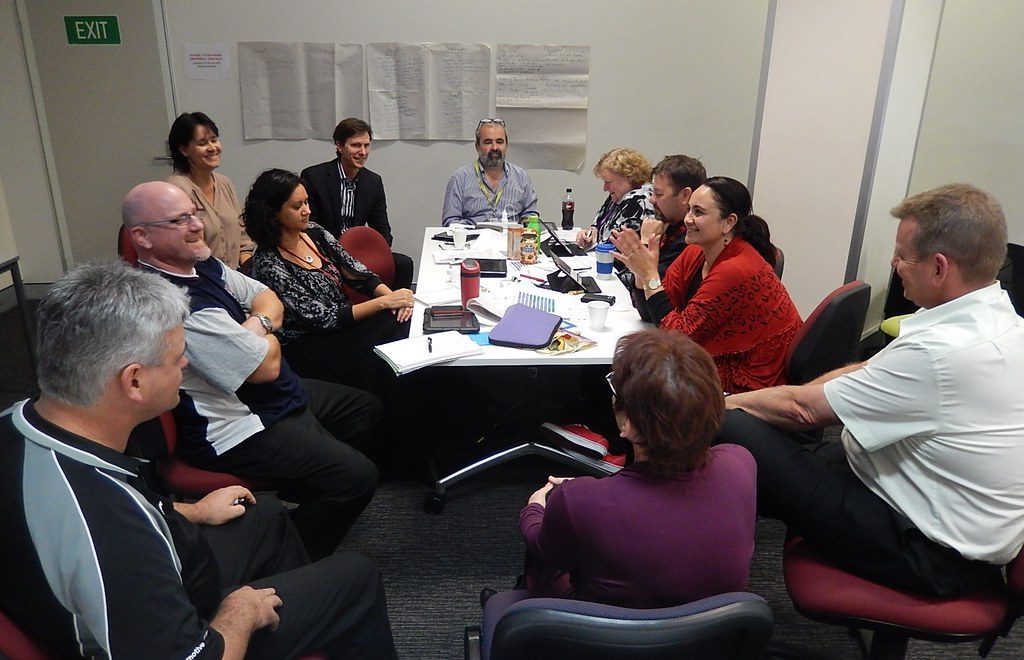

 Please don't
_____ me. Let me finish my sentence, and then it's your turn to talk.
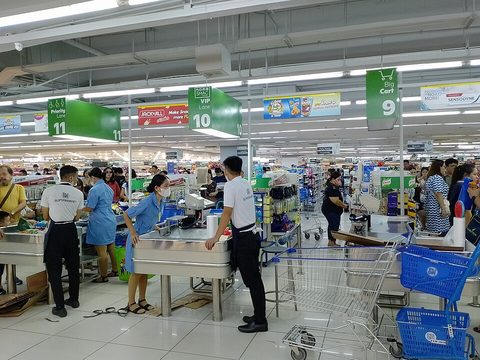 Tom isn't my boss. He's a
_____: we work at the same store, and we do the same job.
 My
_____ for Saturday is long: buy groceries, wash the car, pay the bills and call Grandma.
 “You look great in that blue jacket!” “Oh, thank you! What a nice
_____.”
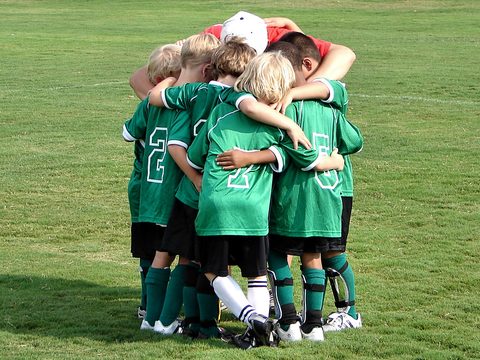 Nobody on our soccer team is a star. We win because of great
_____: every player passes the ball and helps the others.
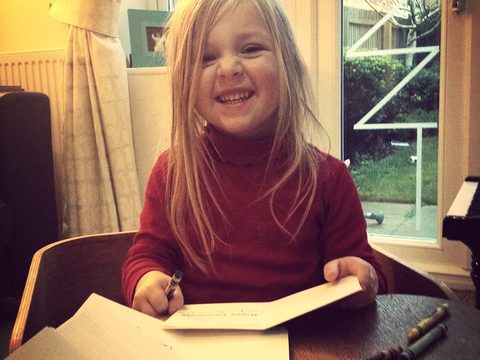 My aunt sent me a sweater for my birthday, so I wrote her a short
_____ the same day.
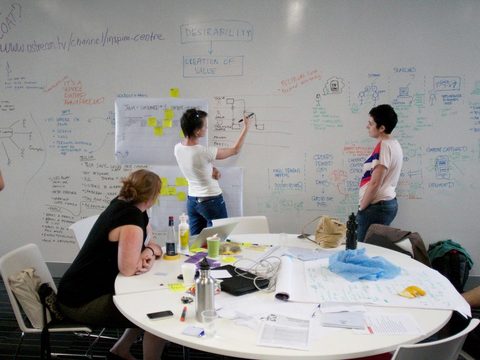 When the group couldn't decide what to do, Sara made a plan and gave everybody a task. She's a natural
_____.
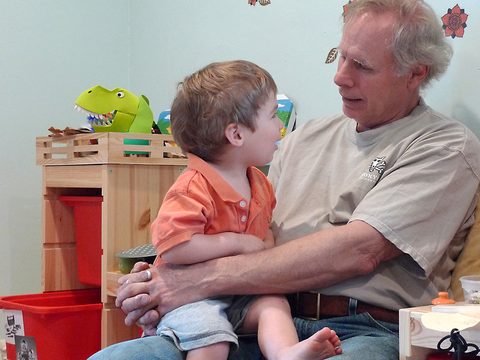 My uncle never looks at his phone when you talk to him. He asks questions and remembers everything you say. He's a great
_____.


