Four astronauts, one enormous rocket and a trip around the Moon. Eight
words for space travel, sixty questions in three levels, and the crew itself on a
late-night TV show.
Ask and answer with a partner, or with me. Tap a card when you have
answered it.
Three, two, one… liftoff! Today we talk about Artemis II,
NASA's mission to send four astronauts around the Moon. There are twenty questions for
each level: Beginner, Intermediate and Advanced. Answer the questions at your level,
then try one from the next level.
Useful language
I looked at the Moon last night / last week.I was at home / on the beach / in the car.My favorite space movie is …I saw a rocket on TV / on YouTube.I felt excited / nervous / amazed.I would take my …I think … is more interesting because …
0 / 0
EXERCISE 02Vocabulary
Words for space travel
Click a word, then click its meaning. Correct pairs turn green. The audio
button says the word.
Word
Meaning
EXERCISE 03Vocabulary in context
Complete the sentences
Click a word in the bank, then click a gap. Click a filled gap to clear
it. Read the whole sentence first: the small words around the gap help you.
There is no air outside the ship, so before she goes out to fix the antenna, she puts on her
_____ and closes the helmet.
Before his first marathon, Omar did four months of
_____: he ran five days a week and lifted weights at the gym on Saturdays.
My aunt works in a lab at the university. She is a
_____: she studies plants from the rainforest and writes about what she discovers.
My son made a small
_____ from a plastic bottle. He filled it with water and air, and it flew higher than our house!
In science class, we did an
_____: we put one plant in a dark closet and one by the window, and after a week we compared them.
The
_____ of the spaceship was planned for Monday, but strong winds moved it to Wednesday. When the engines finally roared, the people on the beach watched it go up into the sky.
Leo runs every morning, studies math and physics, and is learning to fly planes. His big dream is to become an
_____ and travel to space one day.
Seven people are on the
_____ right now, high above the Earth. They stay there for six months and sleep in small bags on the walls.
EXERCISE 04Speaking · A1-A2
Beginner (A1-A2)
Ask and answer with a partner, or with me. Answer in a full sentence, then
add one more detail. Need help? Open the answer prompts and choose the words in
[brackets]. Tap a card when you have answered it.
Answer prompts
1 · The Artemis program is [a space program / a NASA mission / a Moon project].2 · Artemis missions are organized by [NASA / a space agency].3 · NASA wants to return to the Moon because [it is important / they want to explore / they want to learn more].4 · The next Artemis mission will happen [soon / in a few years / in the future].5 · The people who travel to the Moon are [astronauts / scientists].6 · In the future, people will [live / work / stay] on the Moon.7 · Artemis II uses a [big rocket / special rocket / powerful rocket].8 · Artemis II is [not the first / a new / a modern] mission to the Moon.9 · Artemis II is different because it is [more modern / more advanced].10 · I think going to the Moon is [important / exciting / interesting] because [we learn more / it helps science / it is amazing].11 · I would like to be [an astronaut / a scientist / a space traveler].12 · I would [love / like / not like] to visit the Moon because [it is exciting / it is scary / it is far].13 · It takes [a few days / about three days / several days] to go to the Moon.14 · Astronauts eat [special food / space food / simple food] in space.15 · Astronauts wear [space suits / special clothes / protective suits] on the Moon.16 · During a mission, astronauts [work / study / do experiments].17 · Living in space is [difficult / hard / challenging] because [you float all the time / it is different / it is dangerous].18 · I think Artemis will help people go to Mars because [it is a step / it helps us learn / it is important].19 · The most interesting thing about Artemis II is [the Moon / the astronauts / the technology].20 · I [like / love / don't like] learning about space because [it is interesting / it is fun / it is difficult].
0 / 0
EXERCISE 05Speaking · B1-B2
Intermediate (B1-B2)
Answer, then give one reason or one example. Your partner asks one
follow-up question: Why? How do you know? What about…? The answer prompts show one way
to start. Tap a card when you have answered it.
Answer prompts
1 · The main goal of Artemis is [to explore the Moon / to send astronauts / to prepare for Mars].2 · Artemis II is different because it uses [new technology / modern rockets / advanced systems].3 · NASA is interested because [technology is better / they want more research / it helps future missions].4 · International cooperation means that countries [work together / share technology / help each other].5 · They are developing [new rockets / space suits / advanced equipment].6 · Astronauts will [live in stations / work in teams / do experiments].7 · They face [a long travel time / weightlessness / dangerous conditions].8 · The Moon is [very important / a step forward / a testing place].9 · The Lunar Gateway is [a space station / a base near the Moon / a support station].10 · Artemis will [improve technology / help new missions / expand knowledge].11 · They need [physical training / technical training / survival training].12 · They usually last [a few days / several weeks / a short period of time].13 · Some risks are [radiation / accidents / system failures].14 · NASA chooses astronauts based on [experience / skills / training].15 · They will do [space research / Moon studies / technology tests].16 · It is [more powerful / more efficient / more modern].17 · The most exciting part is [the Moon landing / new technology / space travel].18 · They can [improve technology / help science / solve problems].19 · I think it should [be a priority / not be a priority] because [it helps humanity / it is expensive / it is important].20 · I would be curious about [Moon rocks / space life / low gravity].
0 / 0
EXERCISE 06Speaking · C1-C2
Advanced (C1-C2)
Take a position, support it with one argument and one example, and deal
with the other side before you conclude. Your partner disagrees on purpose with one hard
follow-up question. The answer prompts are there if you need a start. Tap a card when
you have discussed it.
Answer prompts
1 · The long-term goals are [establishing a Moon base / supporting deep space missions / preparing for Mars exploration].2 · It reflects [stronger global partnerships / shared space goals / increased cooperation between countries].3 · It could [expand human presence in space / accelerate innovation / enable long-term missions].4 · The main challenges include [high costs / complex mission planning / advanced technological demands].5 · It is [potentially sustainable / difficult to maintain / dependent on resources] because [it requires infrastructure / resources are limited / technology is still developing].6 · They play a role by [developing spacecraft / providing launch services / supporting innovation].7 · It is [more ambitious / more technologically advanced / more complex in scope].8 · We should consider [environmental protection / responsible exploration / the space environment].9 · It might [drive investment / create new industries / expand commercial opportunities].10 · It is [a critical step / a testing platform / an essential preparation phase].11 · Some risks include [technical failures / human factors / unpredictable space conditions].12 · NASA balances this by [extensive testing / strict safety protocols / continuous evaluation].13 · Possible breakthroughs include [new discoveries about the Moon / advances in space technology / improved scientific knowledge].14 · They might [influence partnerships / create competition / affect funding decisions].15 · They include [surface disruption / space debris / long-term environmental impact].16 · It could affect [bone density / muscle strength / psychological well-being].17 · They include lessons about [risk management / mission planning / teamwork].18 · It is [essential / highly important / necessary for long-term success].19 · It could [encourage STEM careers / inspire curiosity / promote scientific learning].20 · I think it [does / does not] justify the costs because [it advances humanity / it is too expensive / it brings long-term benefits].
0 / 0
EXERCISE 07Watching
The crew on TV
The video from the material: the four Artemis II astronauts on a
late-night TV show, in April 2023, the week NASA announced the crew. About nine
minutes, fast and funny, so it is best for Intermediate and Advanced students;
Beginners can watch the first two minutes. Watch with the captions on, then talk about
the cards with a partner, or with me. There are no right or wrong answers here: say what
you understood and what you think. Tap a card when you have discussed it.
0 / 0
EXERCISE 08Writing
Your answer, in writing
80–120 words. Choose one question from your level (Exercise 04, 05 or 06)
and write your answer. Write the number of the question first. Start with the answer
prompt, then add your own reasons and details. Beginners: short, clear sentences and two
reasons. Intermediate: one reason and one example. Advanced: both sides of the question,
then your conclusion. Then read it aloud with the timer: can you say it in one
minute?
0 words
ENDEnd of lesson
My results
Check your score, then copy it and send it to your teacher on WhatsApp.
One job for this week. Look at the Moon one night. Then choose
three questions from your level and record your answers on your cell phone, one minute
each. Listen once, then record them again with one more detail.


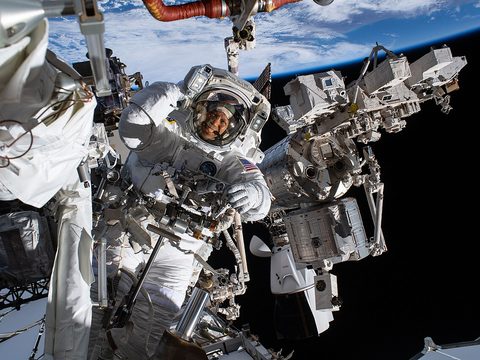 There is no air outside the ship, so before she goes out to fix the antenna, she puts on her
_____ and closes the helmet.
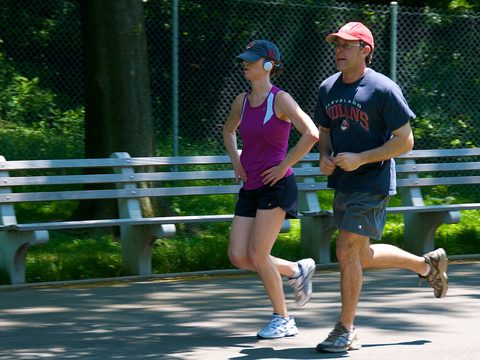 Before his first marathon, Omar did four months of
_____: he ran five days a week and lifted weights at the gym on Saturdays.
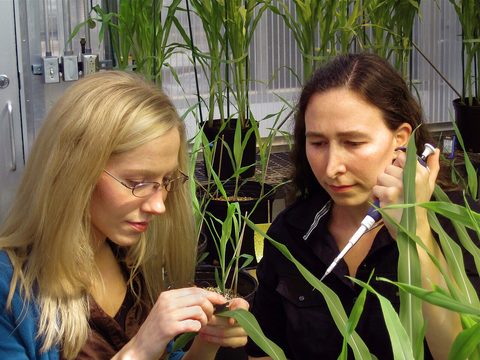 My aunt works in a lab at the university. She is a
_____: she studies plants from the rainforest and writes about what she discovers.
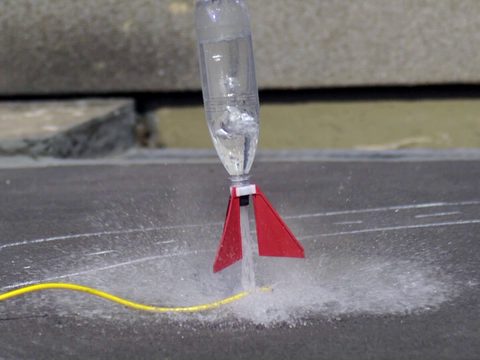 My son made a small
_____ from a plastic bottle. He filled it with water and air, and it flew higher than our house!
 In science class, we did an
_____: we put one plant in a dark closet and one by the window, and after a week we compared them.
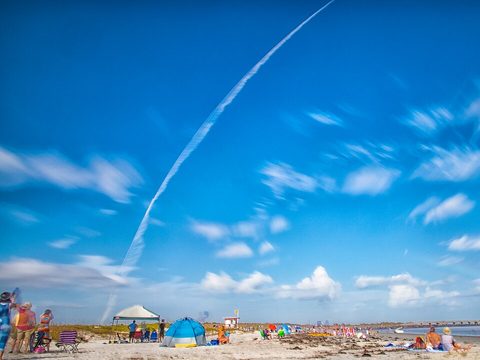 The
_____ of the spaceship was planned for Monday, but strong winds moved it to Wednesday. When the engines finally roared, the people on the beach watched it go up into the sky.
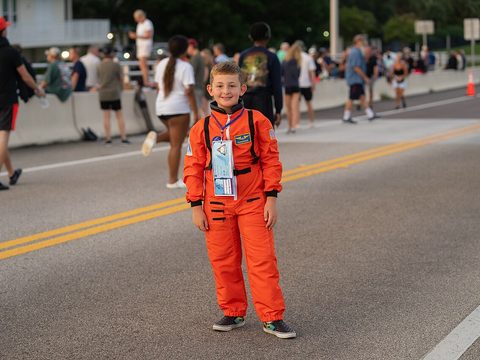 Leo runs every morning, studies math and physics, and is learning to fly planes. His big dream is to become an
_____ and travel to space one day.
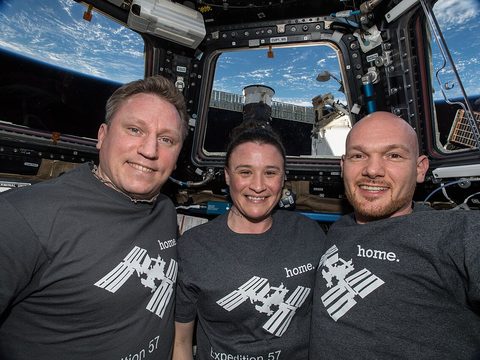 Seven people are on the
_____ right now, high above the Earth. They stay there for six months and sleep in small bags on the walls.


