SPEAKING CLUB · TOPIC 91

Teens and Parents, Parent Version

Friends, phones, freedom and bullying, seen from the parents' side: forty-four questions in three levels for parents of teenagers, and for anyone who knows a teen or remembers being one, plus eight words that every level needs.

A1-C2 60 min Focus: speaking · 3 levels Home
EXERCISE 01Speaking

Warm-up

Ask and answer with a partner, or with me. Tap a card when you have answered it.

Teacher Alvaro

Teen, teenager, teenage. A teen or a teenager is a person from thirteen to nineteen: all the ages that end in -teen. Put teenage before a noun: teenage years, teenage life, my teenage son. Today you speak as a parent, or as someone who was a teenager once.
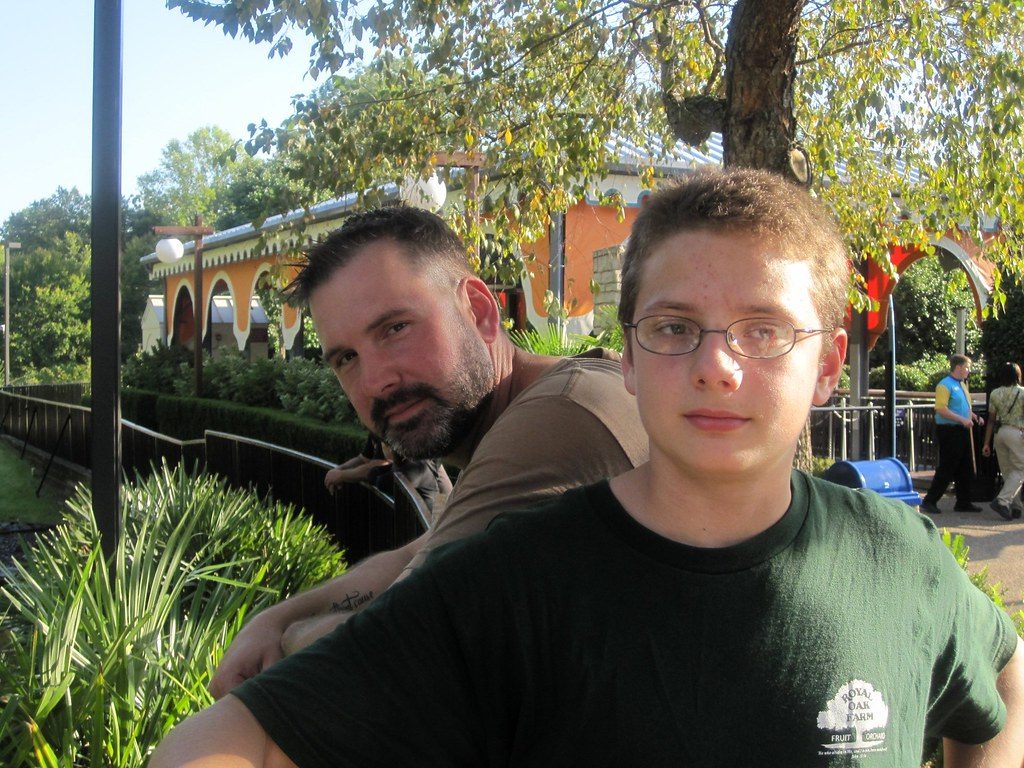
A father with a beard leans in behind his teenage son, a boy in glasses and a green T-shirt, on a sunny afternoon in a park
Useful language
I know a teenager. He's / She's … years old.He / She likes … and … At fifteen, I was …I was always out with my friends. I listened to … / I wore …I think a teen spends about … hours on the phone. Every family needs this rule: …No phones at dinner!
0 / 0
EXERCISE 02Vocabulary

Words about teens

Click a word, then click its meaning. Correct pairs turn green. The audio button says the word.

Word
Meaning
EXERCISE 03Vocabulary in context

Complete the sentences

Click a word in the bank, then click a gap. Click a filled gap to clear it. Read the whole sentence first: the small words around the gap help too.

Teacher Alvaro
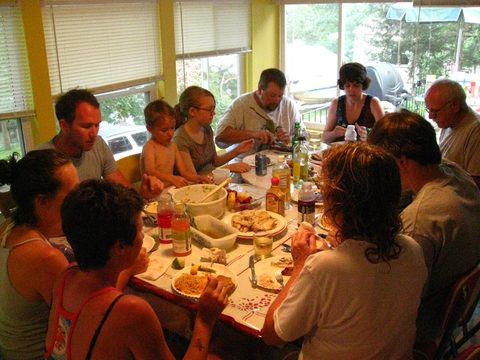
  • I have two brothers and one sister, so I have three _____. With all of us at the table, dinner at our house is never quiet.

  • My daughter turns thirteen next week. She isn't a little girl anymore: she is a _____ now.
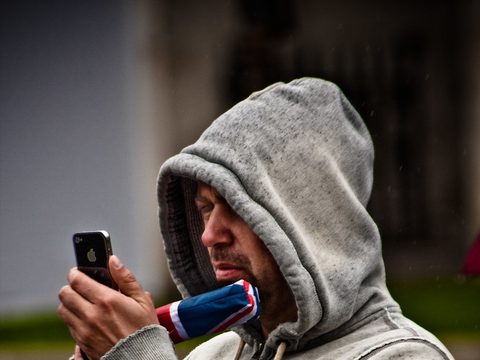
  • It's cold and windy tonight, so take your _____. It's warm, and you can pull the hood over your head if it rains.
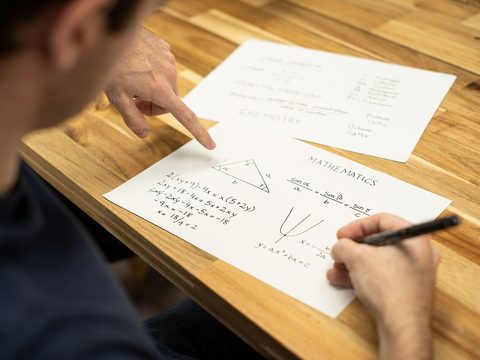
  • Our math teacher gives us a lot of _____. Tonight I have twenty exercises to finish before I can watch TV.
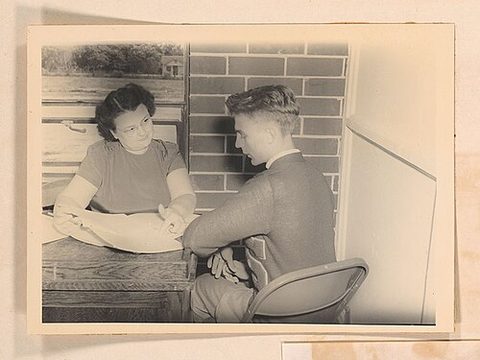
  • My son was stressed about his grades, so he made an appointment with the school _____. After their long talk, he felt much calmer.

  • On Saturdays, the kids meet their friends at the _____. They walk around the stores, eat at the food court and see a movie.
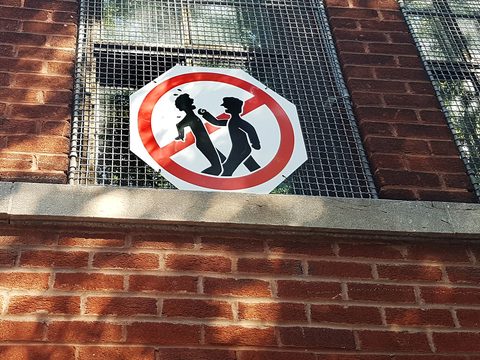
  • Nobody should _____ a classmate. Pushing someone, calling them names or leaving them out every day can hurt for years.
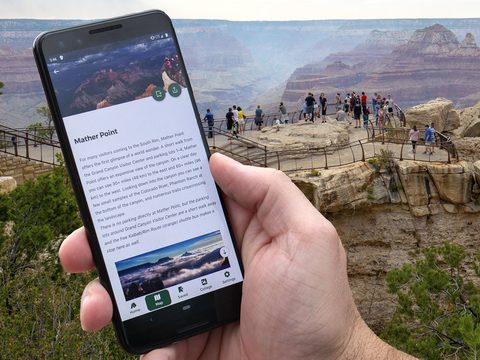
  • I downloaded a new _____ on my cell phone. Now I can check the bus schedule and buy a ticket with one tap.
EXERCISE 04Speaking · A1-A2

Beginner (A1-A2)

Answer in full sentences, with a partner or with me. Tap a card when you have answered it. No teenager at home? Answer about a teen you know, like a niece, a nephew or a friend's child, or about you at fifteen. You never have to share anything private: you can always answer about teens in general. Stuck? Open the answer prompts below the cards: same number, same question. Choose one idea from the brackets, or use your own words.

Answer prompts
1 · Yes, I am. My child is [___] years old. / No, my child is younger. 2 · My child is [13, 14, 15…] years old. 3 · Yes, my child has [many / some / a few] friends. / No, my child doesn't have many friends. 4 · Yes, they like going to [the mall / school / the park] with friends. / No, they like to [stay home / watch TV / use the phone]. 5 · We talk about [school / friends / games / feelings / music]. 6 · They like wearing [jeans / sneakers / hoodies / sports clothes] because it's [cool / easy / comfortable]. 7 · It is [fun / difficult / both] because [they have freedom / they have stress / school is hard]. 8 · They use [Instagram / TikTok / YouTube] to [watch videos / chat / take pictures]. 9 · Yes, I do. He / She posts / They post [pictures / videos / messages]. / No, I don't really know. 10 · Bullying is when a person [hurts / laughs at / says bad things to] another person again and again. 11 · Yes, my [child / niece / friend's child] was bullied. / No, I don't know anyone who was bullied. 12 · I would [talk to the school / talk to my child / call a teacher]. 13 · They can talk to [a teacher / a school counselor / me / a friend].
0 / 0
EXERCISE 05Speaking · B1-B2

Intermediate (B1-B2)

Give a reason and an example in every answer. Tap a card when you have answered it. No teenager at home? Talk about a teen you know, or compare with your own teenage years; the questions about your family are always optional. The answer prompts below the cards have the same numbers.

Teacher Alvaro
Answer prompts
1 · I think my child enjoys [freedom / hanging out with friends / having fun] the most. 2 · The hardest part is probably [peer pressure / school stress / too much screen time]. 3 · My teenager's life is different because now there is more [technology / freedom / choice], but also more [stress / pressure]. 4 · My child is responsible for [homework / cleaning their room / helping siblings], which teaches [discipline / independence]. 5 · Yes, in my country some teens work part-time in [cafés / stores / family businesses], especially [during vacation / on weekends]. 6 · I think teens today want to [grow up quickly / enjoy being young], but sometimes they feel [confused / stressed]. 7 · My child spends their free time [online / watching shows / with friends], which helps them [relax / stay connected]. 8 · In my opinion, the best part is [making friends / discovering new interests / having more freedom]. 9 · Friendships are [very important / sometimes difficult], because teens need [support / someone to talk to / a sense of belonging]. 10 · My child uses their phone [all the time / many times a day / mostly in the evening]. 11 · I think social media is [useful / dangerous / both], because it can [connect teens / distract them / affect their mood]. 12 · Yes, my child has told me about bullying. It made me feel [worried / sad / surprised]. 13 · Schools should [educate students / involve parents / take quick action] to prevent bullying. 14 · Bullying affects teens by [hurting their feelings / lowering self-confidence / making them feel alone]. 15 · Parents can help by [talking with their children / listening more / working with teachers].
0 / 0
EXERCISE 06Speaking · C1-C2

Advanced (C1-C2)

Take a position, support it with an example, and answer the other side before you finish. Tap a card when you have discussed it. The questions about your own family are always optional: you can answer about teenagers in general, or about the teen you once were. The answer prompts below the cards have the same numbers and show one way in.

Answer prompts
1 · I believe the teenage years help shape personality by [developing independence / forming identity / building emotional resilience], especially because teens start to [question things / make their own choices]. 2 · Some of the biggest challenges are [academic stress / social media pressure / identity confusion], mainly due to [high expectations / constant comparison / limited emotional support]. 3 · Teenagers often feel pressure to [perform well / meet deadlines / act a certain way], and this can be overwhelming because they're still [learning who they are / developing coping skills]. 4 · Peer approval is [very important / sometimes too important] for teens, since they often [seek acceptance / fear rejection], which can lead to [positive bonding or risky behavior]. 5 · Parents can support teens by [listening without judgment / setting healthy boundaries / showing empathy], because open communication helps [build trust / reduce conflict]. 6 · The most valuable experiences for me were [learning from failure / forming close friendships / discovering my passions], as they taught me [resilience / self-awareness / independence]. 7 · My friendships became [deeper / more emotional / more complex], and I notice my child is also starting to [rely more on friends / form strong social bonds]. 8 · I still remember [school trips / late-night talks with friends / small victories], and I hope my child also has moments that are [fun, meaningful, and memorable]. 9 · Most teens learn the hard way that [not all friendships last / choices have consequences / time management matters], often after [making mistakes / feeling disappointed]. 10 · Social media can [boost / damage] self-esteem, depending on how it's used. Teens often compare themselves to others, which can lead to [insecurity / unrealistic expectations]. 11 · Yes, I believe age restrictions are important because [younger teens are emotionally vulnerable / content isn't always appropriate], although enforcement is [difficult / inconsistent]. 12 · Yes, I've noticed signs like [constant scrolling / difficulty focusing / anxiety when offline], which can indicate [dependence or fear of missing out]. 13 · Absolutely. Trends like [viral challenges / fashion styles / slang] affect how teens [talk, dress, or behave], even though they may not realize the influence right away. 14 · Schools should [implement clear policies / educate students about empathy / encourage reporting], so students feel [safe, heard, and supported]. 15 · Cyberbullying is often [constant / anonymous / harder to escape], and because of that, it can be [more harmful emotionally / more difficult to control]. 16 · Bullying can lead to [low self-esteem / social anxiety / depression], and if not addressed early, it may affect [relationships / academic performance / future confidence].
0 / 0
EXERCISE 07Writing

One question, in writing

80–120 words. Choose one question from your level (Exercise 04, 05 or 06) and copy it at the top. Start with its answer prompt, then add a reason, an example and one more detail of your own. Use at least one word from Exercise 02.

Teacher Alvaro
0 words
ENDEnd of lesson

My results

Check your score, then copy it and send it to your teacher on WhatsApp.

Teacher Alvaro

One job for this week. Have a ten-minute talk with a teenager in your life: your child, a niece, a nephew, a neighbor. Ask one question from today's lesson and listen to the whole answer without interrupting. Then write three sentences in English about what you learned, and bring them to the next class. No teen around? Write three sentences about you at fifteen.