TV Shows
Remote in your hand, snacks on the sofa. Fifty-six questions in three levels about the shows you love, the ones you never finished and what TV does to people, a short game at every level, and eight words that everybody needs.
Warm-up
Ask and answer with a partner, or with me. Tap a card when you have answered it.

What's on tonight? Today you talk about the shows you watch: when, where, who you watch with, and what they do to people. There are three levels of questions. Answer the ones at your level, and listen to the other levels too: you can take good words from them.
Useful language
Words about TV shows
Click a word, then click its meaning. Correct pairs turn green. The audio button says the word.
Complete the sentences
Click a word in the bank, then click a gap. Click a filled gap to clear it. Read the whole sentence first: the words around the gap tell you which one fits.

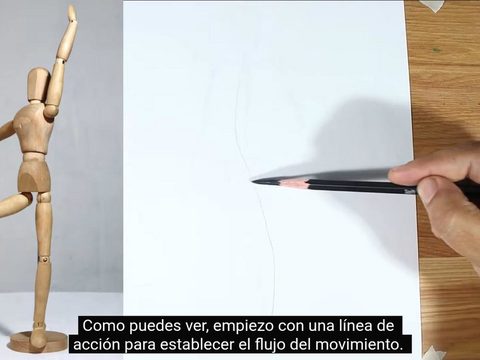 The actors speak Korean, and I don't, so I read the
_____ at the bottom of the screen.
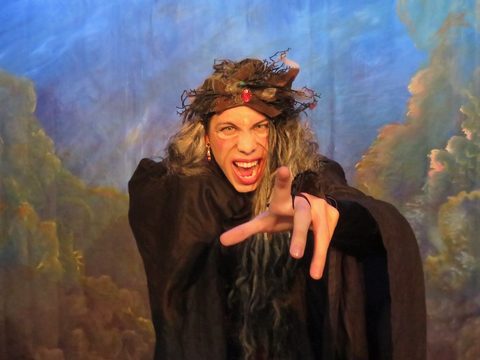 Every superhero story needs two people: the hero, who saves the city, and the
_____, who wants to destroy it.
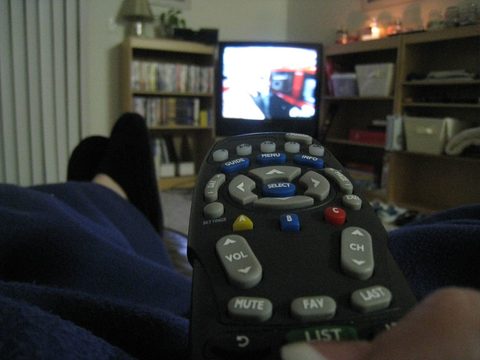 It's a long weekend and it's raining, so I'm going to stay on the sofa and
_____ the whole second season, one episode after another.
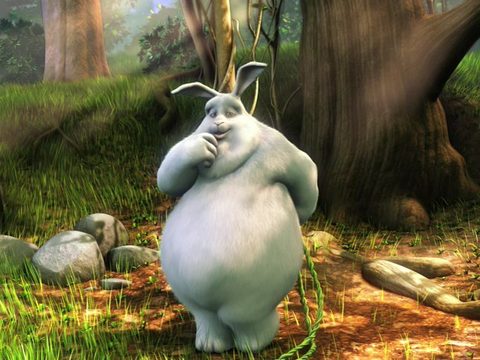 My little brother watches a
_____ every morning before school. The big rabbit and his friends in it are not real animals: they are drawings, and they never stop playing.
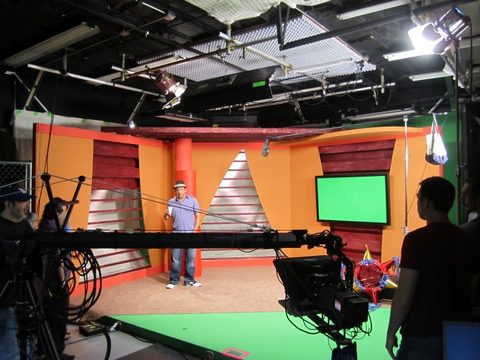 Each
_____ of this series is about forty-five minutes long, and the first season has ten of them.
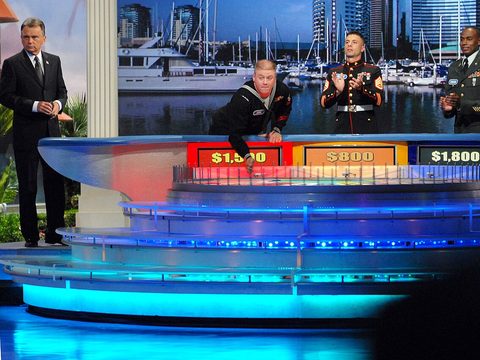 In a
_____, three people answer the host's questions as fast as they can, and the winner takes home $10,000.
 My favorite
_____ in the show is the little sister: she is kind, she helps everybody, and she always makes me laugh.
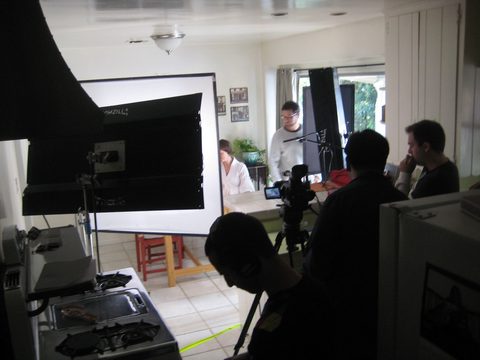 There are no actors and no script in this
_____: the cameras follow a real family at home, at work and in the car, every day for a whole year.
Beginner (A1-A2)
Answer in full sentences, with a partner or with me. Tap a card when you have answered it. Stuck? Open the answer prompts below the cards: same number, same question. Change the words in brackets for your own.
Answer prompts
Yes, I do. I like [cartoons / comedies / action shows].
Not really. I prefer [reading / listening to music / using my phone]. 2 · I watch TV [every day / on weekends / sometimes / not very often].
I usually watch TV [at night / in the evening / after school]. 3 · My favorite TV show is [Friends / The Simpsons / Peppa Pig / name of show] because [it's funny / the characters are cool / I love the story].
I like [name of show]. It's about [a family / school / superheroes / animals]. 4 · I like [comedies / dramas / cartoons / action shows / game shows] because [they make me laugh / they are exciting / they are interesting].
I don't like [horror shows / sad shows] because [they are scary / I feel sad]. 5 · My favorite series is [Stranger Things / Wednesday / Friends / a local show] because [it's exciting / the story is cool / the characters are fun].
I really like [name of series]. I watch it on [Netflix / YouTube / TV]. 6 · Yes, I like reality shows because [they are funny / they are real / I like watching people].
No, I don't like reality shows because [they are boring / they aren't real / they are too loud].
Sometimes I watch reality shows when [I have free time / my family watches them]. 7 · I watch TV shows [alone / with my family / with my friends].
Sometimes I watch alone, but sometimes I watch with [my brother / my sister / my parents]. 8 · I usually watch TV shows [in the living room / in the bedroom / on the sofa / in the kitchen].
Sometimes I watch on my [phone / tablet / TV]. 9 · I usually watch [one episode / two or three episodes / many episodes].
If the show is good, I watch [more than one / all the episodes]. 10 · My favorite character is [name] from [TV show] because [he is funny / she is smart / they are cool].
I like [name] because [they make me laugh / they are strong / they are kind]. 11 · Yes, I watch TV shows in English to [learn new words / practice listening / enjoy the voices].
No, I usually watch in [my language / Portuguese / Spanish] because it's [easier / more fun]. 12 · Yes, I use subtitles in [English / my language] to help me understand.
No, I don't use subtitles because [I understand / I don't like reading while watching]. 13 · It's [easy / a little hard / very hard] to understand English TV shows.
Sometimes I understand, but sometimes I [don't know the words / need help]. 14 · I want to watch [TV show name] because [it looks fun / my friend likes it / I saw a trailer].
Next, I want to try a [new / funny / exciting] show. 15 · Yes, I would like to be in a TV show because [it looks fun / I like acting / I want to be famous].
No, I wouldn't because [I'm shy / I don't like cameras / I prefer to watch]. 16 · I want to watch [TV show name] again because [I love it / it's so funny / I didn't finish it].
I like watching it again because [I know the story / it makes me happy]. 17 · Yes, I recommend [TV show name] to my [friends / family / classmates] because [it's good / they will like it].
Sometimes I say, “You should watch [name]!” 18 · I don't like [TV show name] because [it's boring / I don't like the story / the characters are not interesting].
I watched it once, but [I didn't enjoy it / I stopped watching]. 19 · [Slow / Very long / Sad / Quiet] shows are boring for me.
I think [cooking shows / dramas / old shows] are boring because [nothing happens / they are slow].
Game: short answers
Click a question, then click its short answer. Then say the long answer, with a prompt from the list above.
Intermediate (B1-B2)
Give a reason and an example in every answer. Tap a card when you have answered it. The answer prompts below the cards have the same numbers.

Answer prompts
I usually watch [after school / before bed / on weekends]. 2 · I usually enjoy [comedies / action shows / cartoons / dramas] because [they make me laugh / they are exciting / I like the story]. 3 · Yes, I started [name of show], but I didn't finish it because [it was boring / I was busy / I didn't like the story].
No, I always try to finish shows I start. 4 · Yes, I watched [Friends / Stranger Things / name of show] again because [I love it / it's funny / I didn't remember the story].
No, I don't usually watch shows twice. 5 · Yes, I felt connected to [character name] because [we are similar / they have the same problem / I like their personality].
No, I enjoy the show, but I don't feel very connected to the characters. 6 · I enjoy stories about [families / school / magic / adventure] because [they are interesting / they are fun / I learn new things].
I don't really like stories about [crime / politics / sad things]. 7 · I prefer [one main story / many smaller stories] because [it's easier to follow / I like different stories / it's more exciting]. 8 · Yes, in [name of show], I was surprised when [a character left / something funny happened / someone changed].
It was surprising because [I didn't expect that / it was very different]. 9 · Yes, I enjoy it because [I like sharing my opinion / my friends like the same shows / we laugh together].
Not really, because [my friends don't watch the same shows / I'm shy]. 10 · Yes, I think so because [I learn new words / I hear real English / I practice listening].
Maybe a little, but [sometimes it's hard / I don't understand everything]. 11 · Yes, I use subtitles in [English / my language] to [help me understand / learn new words].
No, I try to watch without subtitles. 12 · Yes, I learned about [American / Korean / British] culture from [name of show].
It showed me [how people live / what they eat / their school life]. 13 · I would live in [Friends / Wednesday / a cartoon show] because [it looks fun / I like the characters / it's exciting].
I wouldn't want to live in [a scary / a sad] show. 14 · My TV show would be about [a group of friends / a magic school / animals who talk].
It would be [funny / crazy / full of adventure]. 15 · I secretly love [a cartoon / a kids' show / a romance show] because [it makes me happy / I enjoy it / it's relaxing].
I don't tell people because [they might laugh / it's for children]. 16 · The weirdest thing I saw was [a dog talking / a person flying / someone turning into a cat].
It was weird because [it was not real / it was very strange]. 17 · It would be a [comedy / reality show / school drama] because [funny things happen / I do normal things / my friends are interesting].
Maybe it would be a mix of [comedy and adventure]. 18 · I learned that [friends are important / you should never give up / it's important to be yourself] from [name of show].
That show helped me think about [my life / my choices / other people]. 19 · Yes, I think so because [shows talk about real problems / people learn new things / it makes people feel something].
Not always, but sometimes they can help people understand more.
Game: TV crossword
A crossword without the grid. Read the clue, look at the first letter and the number of letters, and write the word. Then click Check.
-
A chapter-like segment of a TV series, usually 20–60 minutes long. e _ _ _ _ _ _ (7 letters)
-
A suspenseful ending meant to keep the audience eager for the next episode. c _ _ _ _ _ _ _ _ _ _ (11 letters)
-
A person in the story of a show. c _ _ _ _ _ _ _ _ (9 letters)
-
A funny show. c _ _ _ _ _ (6 letters)
-
A show with real people. r _ _ _ _ _ _ s _ _ _ (7 + 4 letters)
-
A serious or emotional show. d _ _ _ _ (5 letters)
Advanced (C1-C2)
Take a position, support it with an example, and answer the other side before you finish. Tap a card when you have discussed it. The answer prompts below the cards have the same numbers and show one way in.
Answer prompts
I usually watch them [in the evening / during meals / when I need a break]. 2 · I used to enjoy [cartoons / comedies / action shows], but now I prefer [dramas / documentaries / thrillers] because [my interests changed / I look for deeper stories / I enjoy complex characters]. 3 · I mostly watch TV shows for [entertainment / relaxation / learning], although sometimes I also watch them to [improve my listening / understand other cultures / stay updated]. 4 · The most binge-worthy show I've ever seen is [Stranger Things / Breaking Bad / name] because [every episode ended with a cliffhanger / the characters were addictive / the story moved quickly]. 5 · Yes, [The Handmaid's Tale / Black Mirror / name] challenged me because [it made me question society / it showed a different perspective / it addressed real issues in a new way]. 6 · Yes, I felt very emotional while watching [This Is Us / name] because [a character died / it reminded me of my own life / the acting was very powerful]. 7 · I believe TV shows both reflect and shape society because [they show what people are going through, but also influence opinions and trends].
For example, [a show about climate change / mental health] can raise awareness. 8 · Some shows handle these topics [thoughtfully / with sensitivity / very well], while others [use stereotypes / oversimplify the issues].
For instance, [13 Reasons Why / Sex Education / name] talks about [mental health / identity / racism] in a realistic way. 9 · I prefer [morally complex characters / clear heroes and villains] because [they feel more realistic / the story becomes more interesting / they challenge the viewer's beliefs]. 10 · Cultural differences influence [storytelling style / themes / character behavior] because each culture has [unique traditions / values / social issues].
For example, [Korean dramas / British shows / Brazilian series] often focus on [family / class / humor] in different ways. 11 · Yes, I think they can because [they expose viewers to different customs / show daily life in other cultures / increase empathy].
However, this only works if the representation is [authentic / not stereotypical]. 12 · Yes, I watched [The Crown / Narcos / name], and I thought it was [informative / dramatic / eye-opening].
It helped me understand [that time period / those events] better. 13 · Sometimes I struggle with [fast dialogue / slang / unfamiliar accents].
I usually solve this by [using subtitles / pausing and rewinding / watching with a dictionary]. 14 · Yes, I've learned phrases like [“What's up?” / “No way!” / “I'm in!”] from shows like [Friends / The Office / name].
It helps me sound more natural when I speak. 15 · I would interview [Walter White / Eleven / name] and ask [“Why did you make that decision?” / “What was your biggest fear?”] because [I find them mysterious / their story is fascinating]. 16 · Yes, I think AI will [make writing faster / help with subtitles / change how stories are created], but it might also [reduce creativity / make things too predictable].
It's a tool, but it shouldn't replace human writers. 17 · Streaming platforms have changed everything because we can [watch anytime / binge-watch full seasons / discuss episodes online immediately].
They've made TV more global and personal. 18 · Yes, I stopped watching [Riverdale / The Walking Dead / name] because [the plot got too strange / the characters changed too much / it became repetitive].
It didn't feel the same after a few seasons.
Game: the critic's words
Ten words that critics use to talk about TV. Click a word, then click its meaning. Then use two of them in your next answer.
One question, in writing
80–120 words. Choose one question from your level (Exercise 04, 05 or 06) and copy it at the top. Start with its answer prompt, then add a reason, an example and one more detail of your own.

My results
Check your score, then copy it and send it to your teacher on WhatsApp.

One job for this week. Watch one episode of a show in English, with English subtitles. Write down three new words or expressions you hear, and bring them to the next class: "I learned no way from …"