SPEAKING CLUB · TOPIC 94

Travel

Beaches, trains, tents and red-eye flights. Seventy-four questions in three levels, plus four idioms for the whole club: find your level, answer, and give a reason every time.

A1-C2 60 min Focus: speaking · 3 levels Home
EXERCISE 01Speaking

Warm-up

Ask and answer with a partner, or with me. Tap a card when you have answered it.

Teacher Alvaro

Pack your bag: today we travel. No passport and no ticket, only your own stories. Where do you go, how do you get there, and where do you dream of going next? Every answer is a good answer if it comes with a reason.
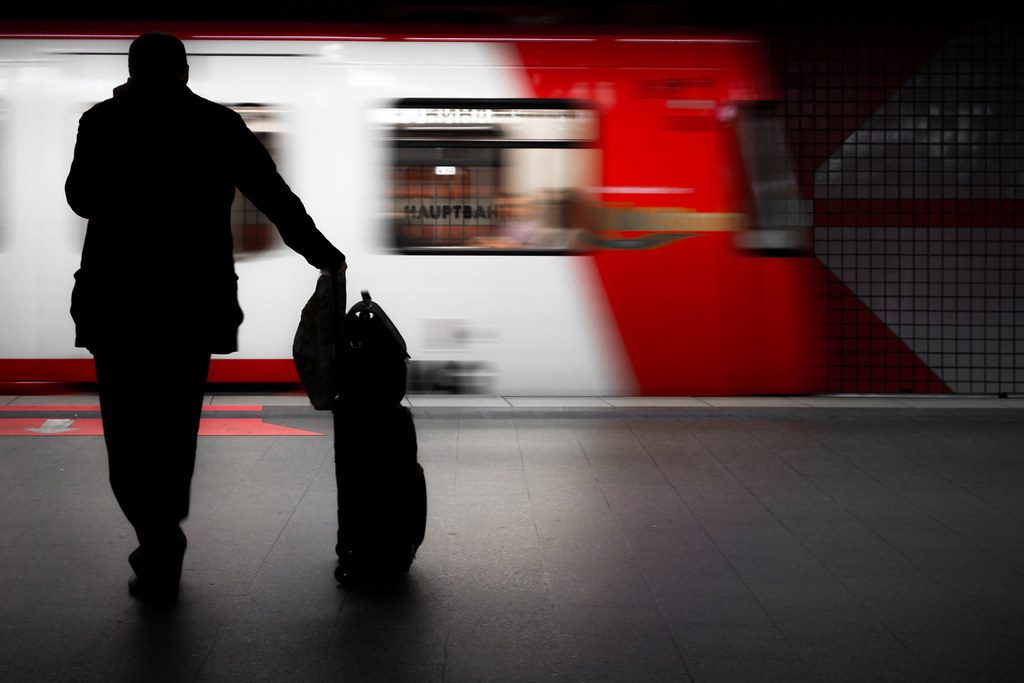
A traveler with a rolling suitcase stands on a subway platform, a dark silhouette in front of a red and white train speeding past
Useful language
My last trip was to …I went by car / by bus / by plane. I'd choose the beach because …I never travel without my … While I wait, I usually …They must see … I haven't traveled in a long time.It was a long time ago, but …
0 / 0
EXERCISE 02Vocabulary

Travel words

Click a word, then click its meaning. Correct pairs turn green. The audio button says the word.

Word
Meaning
EXERCISE 03Vocabulary in context

Complete the sentences

Click a word in the bank, then click a gap. Click a filled gap to clear it. Read the whole sentence first: the words around the gap help you.

Teacher Alvaro
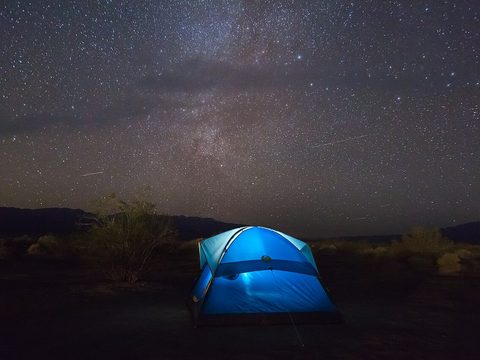
  • There was no hotel near the lake, so we slept in a _____ on the grass, under the stars, in our sleeping bags.
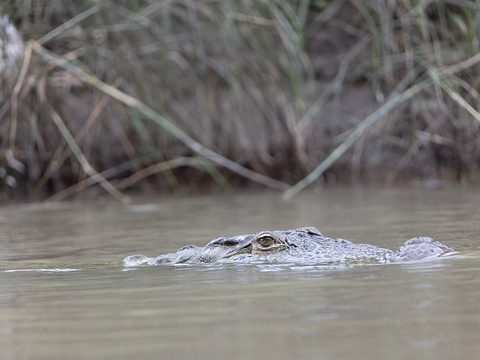
  • In the national park we saw a lot of _____: monkeys in the trees, colorful birds and even a crocodile in the river.
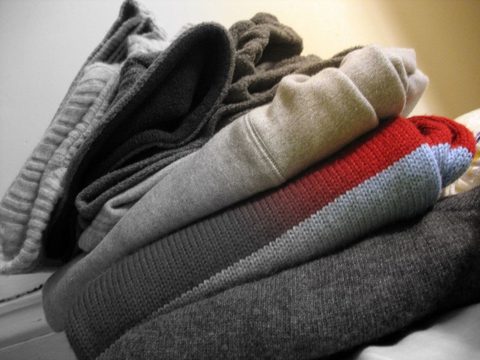
  • Don't forget to _____ a warm sweater in your suitcase: the nights in the mountains are very cold.
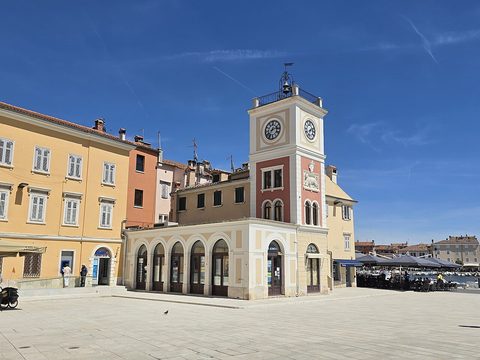
  • The old clock tower is the most famous _____ in the city: you can see it from almost every street, and every visitor takes a picture of it.
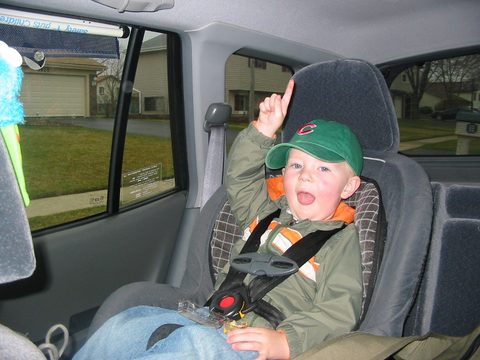
  • My little brother always gets _____ on long drives: after an hour in the back seat his stomach hurts, so we stop and open the windows.
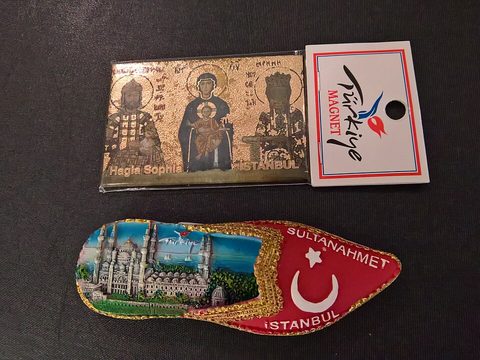
  • Before I flew home, I bought a small _____ for my mom, a magnet with a picture of the old town, so she can remember my trip too.
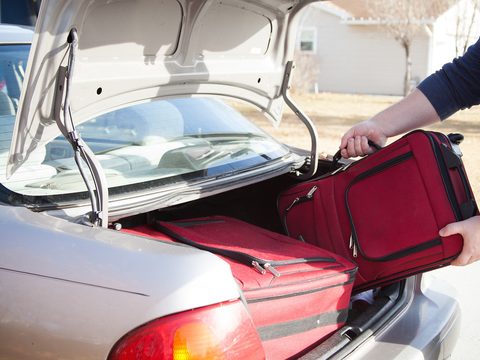
  • Our _____ was very heavy, two big suitcases and three backpacks, so we needed a taxi with a very big trunk.
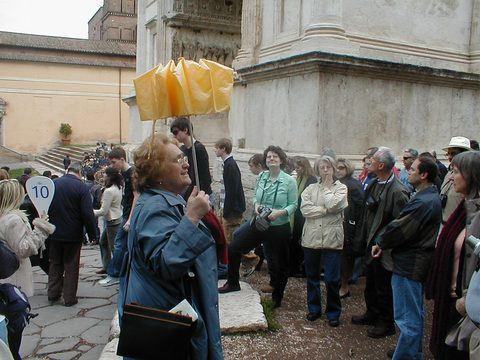
  • We took a _____ of the old castle: a woman with a small flag walked in front of our group and explained the history of every room.
EXERCISE 04Speaking · A1-A2

Beginner (A1-A2)

Ask and answer with a partner, or with me. Give a reason for every answer: because … Stuck? Open the answer prompts below the cards and choose the words in [brackets] that are true for you. Tap a card when you have answered it.

Answer prompts
1 · Yes, I like the beach because [I enjoy the sun / I love swimming / it's relaxing]. 1 · No, I don't like the beach because [it's too hot / I don't like sand]. 2 · Yes, I like traveling by car because [it's comfortable / I can stop when I want]. 2 · No, I don't like it because [it takes a long time / I get carsick]. 3 · Yes, I have been on a train [many times / once / a few times]. 3 · Yes, I was on a train last year. 3 · No, I have never been on a train. 4 · My favorite way to travel is [by plane / by car / by train] because [it's fast / I enjoy the views / it's relaxing]. 5 · Yes, I like camping because [I enjoy nature / I like sleeping in a tent]. 5 · No, I don't like camping because [it's uncomfortable / there are too many bugs]. 6 · I like traveling alone because I enjoy the quiet. 6 · I like traveling with friends because I like sharing the experience. 7 · I pack [clothes / my phone / snacks / a camera]. 8 · Yes, I like new places because [they are exciting / I love to explore]. 8 · No, I don't like new places because [I feel nervous / I prefer familiar places]. 9 · My dream destination is [Paris / New York / Japan / the beach]. 10 · Yes, I like road trips because [I enjoy the journey / I can stop at interesting places]. 10 · No, I don't like road trips because [they are too long / I get tired]. 11 · On vacation, I like to [relax / go sightseeing / try new food / take photos]. 12 · I want to travel to [Italy / the mountains / the beach / a new city]. 13 · My favorite place to visit is [a park / the beach / my hometown]. 14 · I like to travel with [my family / my friends / my partner]. 15 · During the holidays, I go to [my grandparents' house / the countryside / another city]. 16 · The last time I traveled was [last week / last summer / a few months ago]. 17 · I stay [in a hotel / at a friend's house / in a cabin / in a hostel]. 18 · I feel [excited / happy / tired / relaxed] when I travel. 19 · The most exciting place I've been to is [the mountains / a big city / a famous landmark]. 20 · I travel [once a year / every few months / rarely]. 21 · I would like to go to [a new country / a beach / a famous city]. 22 · I buy [magnets / keychains / local crafts / postcards] as souvenirs. 23 · I like to travel in summer because [the weather is nice / I like the sun]. 23 · I like to travel in winter because [it's less crowded / I enjoy the snow].
0 / 0
EXERCISE 05Speaking · B1-B2

Intermediate (B1-B2)

Answer, give a reason and an example, then keep the conversation going: your partner asks one follow-up question (“Really? When was that?”). Tap a dotted word to see what it means. The answer prompts are there if you need a start. Tap a card when you have answered it.

Teacher Alvaro
Answer prompts
1 · I plan my trips by [researching online / asking friends for recommendations / booking through a travel agency]. I decide on [the destination / my budget / the activities] before I book. 2 · The most beautiful place I've visited is [a beach / a national park / a historic city] because [the scenery was amazing / it was peaceful]. 3 · Yes, I've been to [France / Japan / the USA]. It was [exciting / a great experience]. 3 · No, I've never been to another country, but I'd like to visit [Italy / Canada / Thailand]. 4 · I like to [explore landmarks / try local food / walk around the streets]. I also enjoy [taking pictures / meeting local people / going to museums]. 5 · The best thing about traveling is [seeing new places / learning about different cultures / relaxing]. I also love [meeting new people / trying new food / taking a break from my routine]. 6 · Yes, I've visited [the Eiffel Tower / the Great Wall of China / the Colosseum]. It was [beautiful / impressive / memorable]. 6 · No, I haven't visited a famous monument yet, but I'd like to see [the Statue of Liberty / Machu Picchu]. 7 · Yes, I've traveled for work to [a conference / a meeting / a training program]. It was [interesting / tiring / productive]. 7 · No, I've never traveled for work. 8 · My worst travel experience was [missing a flight / losing my luggage / getting sick]. It was [stressful / disappointing], but I learned [to be more careful / to prepare better]. 9 · I choose based on [the weather / recommendations / what I want to do]. Sometimes I pick places that are [close to nature / famous for their history / budget-friendly]. 10 · I like adventure travel because [it's exciting / I enjoy activities like hiking and diving]. 10 · I prefer relaxing travel because [it helps me recharge / I enjoy the calm]. 11 · I prefer traveling in my country because [it's easier / there's still so much to explore]. 11 · I like traveling abroad because [I get to experience new cultures / I love international food]. 12 · I always take [my phone / a camera / comfortable clothes / snacks]. I also pack [a travel guide / a power bank / a water bottle]. 13 · I like guided tours because [they are informative / I don't have to plan]. 13 · I prefer exploring on my own because [I have more freedom / I can go at my own pace]. 14 · With friends, the best part is [sharing fun moments / discovering new things together]. With family, I enjoy [spending quality time / making memories]. 15 · Yes, I traveled to [Spain / Japan / Germany]. It was hard to [communicate / read signs / order food]. 15 · No, I haven't yet, but I'd like to try it. 16 · I met [a tour guide / a local artist / a fellow traveler]. They were interesting because [they had great stories / they taught me something new]. 17 · Traveling can be expensive, so I [save money / look for deals / travel during the off-season]. I set my budget by deciding on my priorities, like accommodation and activities. 18 · I feel [relaxed / happy / sad that the trip is over]. Sometimes I feel [tired from the trip / excited to share stories]. 19 · I decide based on [location / price / reviews]. I look for places that are [comfortable / close to attractions / affordable]. 20 · The most interesting tradition I experienced was [a local festival / a wedding custom / a food ritual]. It was [fascinating / fun / different from my culture]. 21 · I learn by [reading books / watching videos / asking friends]. Sometimes I also look up [travel blogs / documentaries / local websites]. 22 · Yes, I [missed my flight / got lost / faced bad weather]. It was [stressful / scary / frustrating]. 22 · No, I've been lucky so far. 23 · A trip is unforgettable when [you see something amazing / you meet great people / you try new things]. It's also special if [you create lasting memories / you feel connected to the place]. 24 · I prefer to travel light because [it's easier to move around / I don't like carrying heavy bags / I want to save time at the airport]. 24 · Sometimes I bring a lot of luggage because [I need different clothes / I want to have options / I'm traveling for a long time]. 25 · Yes, I agree because [traveling teaches you a lot / the experiences along the way are more valuable than the destination]. 25 · No, I don't agree because [I usually focus on reaching the place I want to visit / the destination is the main goal for me]. 26 · Yes, I've experienced jet lag. I deal with it by [drinking lots of water / adjusting to the new time zone quickly / taking short naps]. 26 · No, I haven't had jet lag yet, but to avoid it, I would [rest well before the trip / try to stay awake until local bedtime].
0 / 0
EXERCISE 06Speaking · C1-C2

Advanced (C1-C2)

Discuss with a partner, or with me. Take a position, support it with an example or an argument, and answer one objection. Some questions touch on safety and politics: respect every view, and share only the travel stories you want to share. Tap a dotted word to see what it means. The answer prompts are only a way in: turn each one into a full argument. Tap a card when you have discussed it.

Answer prompts
1 · People like to travel because [it's exciting / it's a break from routine / they want to explore the world]. Some enjoy traveling to [learn about new cultures / meet people / relax]. 2 · Traveling helps by allowing you to [meet locals / experience traditions / try local food]. You learn about [history / customs / different ways of life]. 3 · Traveling to new places helps you [gain new perspectives / learn new skills / relax]. It's also a chance to disconnect from daily life and create memories. 4 · Yes, I traveled to [a developing country / a historical site / a unique natural place]. It taught me [gratitude / cultural awareness / a new way of thinking]. 4 · No, but I hope to visit a place that inspires me. 5 · Traveling has changed because of [technology / cheaper flights / online booking]. It's now [more accessible / faster], but also more crowded in popular destinations. 6 · I handle cultural differences by [being open-minded / doing research / asking questions]. I try to [respect traditions / follow local customs / avoid misunderstandings]. 7 · Yes, once I [met a stranger who became a friend / discovered a hidden place / saw a rare event]. It was [unexpected / exciting], and it made the trip memorable. 8 · The biggest challenge is [language barriers / cultural differences / safety concerns]. It can also be difficult to [stay on budget / plan a trip effectively]. 9 · Yes, travel helps people grow by [teaching independence / boosting confidence / broadening perspectives]. It allows you to step out of your comfort zone and learn about the world. 10 · I think traveling to remote areas is [exciting / rewarding / challenging]. It's a great way to [connect with nature / escape the modern world], but it can be [logistically difficult / less safe]. 11 · Advantages include [freedom / independence / time for self-reflection]. Disadvantages can include [loneliness / safety concerns / difficulty sharing experiences]. 12 · Positively, tourism [boosts the economy / creates jobs / promotes cultural exchange]. Negatively, it can [damage ecosystems / cause overcrowding / dilute traditions]. 13 · Language helps by [making communication easier / allowing deeper connections with locals]. Without it, you might face [misunderstandings / limited access to cultural experiences]. 14 · I balance this by [researching customs / being polite / dressing appropriately / avoiding offensive behavior]. I try to [support local businesses / learn basic phrases in the local language]. 15 · It's important to [respect wildlife / follow rules / avoid damaging the environment]. Ethical travel includes [learning about the place's history / supporting responsible tourism]. 16 · I like slow travel because [it's more immersive / it's more relaxing / it allows you to connect with locals]. Fast-paced travel is good for seeing many places in a short time, but it can be tiring. 17 · Travel helps by [exposing people to different lifestyles / creating empathy / showing commonalities]. It allows you to learn firsthand instead of relying on stereotypes. 18 · I prepare by [reading about customs / learning basic phrases / researching dos and don'ts]. I also [pack appropriate clothing / learn about local etiquette]. 19 · I stay safe by [keeping my valuables secure / researching safe areas / staying aware of my surroundings]. I also [carry emergency contacts / buy travel insurance]. 20 · I think it's risky, but it can also be rewarding if done carefully. It's important to [stay informed / follow government advice / prioritize safety]. 21 · Traveling broadens your understanding by [showing different perspectives / exposing you to diverse cultures]. It helps you [appreciate differences / see global challenges in a new light]. 22 · I would travel to [Ancient Rome / Florence during the Renaissance / New York in the 1960s] because [I'm curious about the culture / I want to see historical events]. It would be fascinating to [experience life in that era / meet famous figures]. 23 · Yes, I've taken a red-eye flight. It felt [exhausting, but it saved time / uncomfortable because I couldn't sleep]. 23 · No, I haven't taken one yet, but I think it would be [tiring / useful for early arrivals]. 24 · I decide to call it a day when [I feel tired / I've seen everything on my plan / it gets dark]. Sometimes I keep going until [I finish exploring a place / there's nothing left to do]. 25 · Yes, I'd like to be a globetrotter because [I love exploring new places / it's exciting to learn about different cultures]. 25 · No, I wouldn't because [it's expensive / I prefer staying in one place / I like routine].
0 / 0
EXERCISE 07Language point

Four travel idioms

For every level. Read the four idioms and what they mean. Then ask and answer the question on each card, with a partner or with me, and use the idiom in your answer. Tap a card when you have answered it.

Teacher Alvaro

Don't translate word by word. An idiom is a group of words with its own meaning: nobody hits a road, and nobody breaks a bank. Learn the whole expression, and use it in your answer today.

Idioms for this club
  • hit the road: start a journey. We hit the road at six to miss the traffic.
  • off the beaten path: away from the popular places, where few tourists go. Our favorite beach is off the beaten path.
  • break the bank: spend too much money. A weekend in the mountains doesn't have to break the bank.
  • live out of a suitcase: travel so often that you never settle in one place. She works in a different city every week, so she lives out of a suitcase.
Useful language
I like to hit the road early because …I prefer places off the beaten path, where … A good trip doesn't have to break the bank: …Living out of a suitcase sounds … because …
0 / 0
EXERCISE 08Writing

One question, one paragraph

80–120 words. Choose one question from your level (Exercise 04, 05 or 06), or one idiom question from Exercise 07, and copy it at the top. Then answer it in one paragraph, with at least two reasons and one example, and use at least two words from Exercise 02. Use your answer prompt only to start. Beginners: choose a question with a lot to say, like 4, 9 or 11. Intermediate and Advanced: end with a question for your classmates.

0 words
ENDEnd of lesson

My results

Check your score, then copy it and send it to your teacher on WhatsApp.

Teacher Alvaro

One job for this week. Plan your dream trip out loud, in English: where you go, how you get there, where you stay, what you pack and which souvenir you bring back. One minute, no notes. Then tell me about it in our next class!