
A1 COURSE · CLASS 6

What's in My Travel Bag?

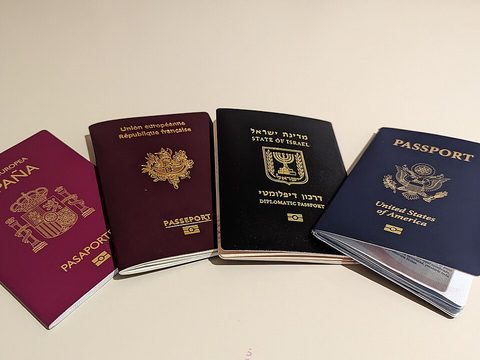
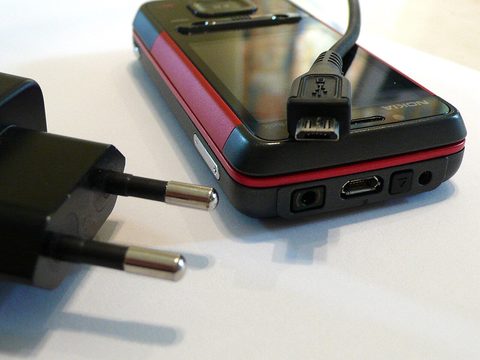
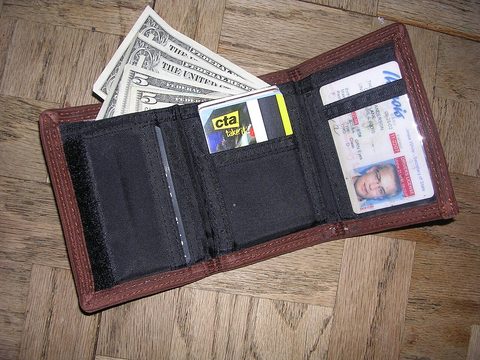
A passport, a charger, an apple, an ID card. Two tiny words — a and an — and one rule that decides which one you use. Plus twenty things that go in a bag on the way to the airport.

A1 50–60 min Focus: a / an · vowels Home
EXERCISE 01Speaking

Warm-up

Look in your real bag if you have it here. Tap a card when you have answered it.

Teacher Alvaro

Open your bag. Everything you find has a name in English, and almost every name needs a small word in front of it. Today you learn which one: a or an.

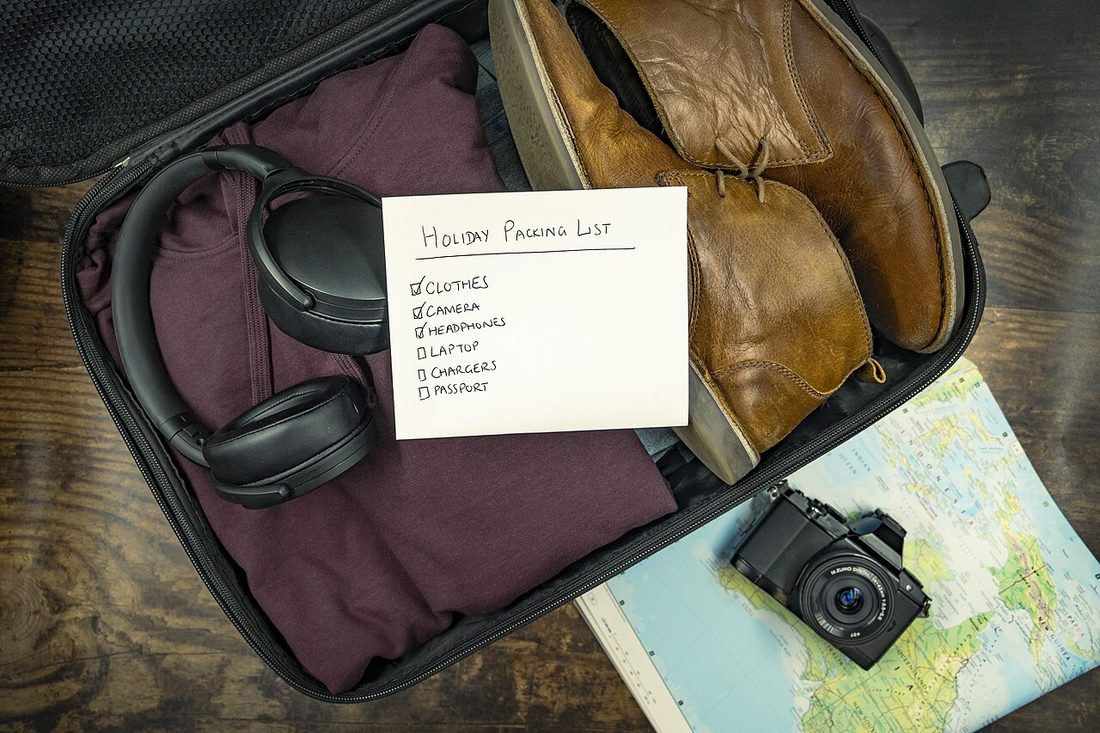
An open suitcase with a sweater, shoes, headphones, a camera, a map and a packing list
Useful language
In my bag I have …I always take … I never travel without my …How do you say this in English? It's a … / It's an …
0 / 0
EXERCISE 02Vocabulary

Things in a bag

Click a word, then click its meaning. Correct pairs turn green. The audio button says the word.

Word
Meaning
EXERCISE 03Vocabulary in context

Complete the sentences

Click a word in the bank, then click a gap. Click a filled gap to clear it.

Teacher Alvaro
  • You cannot travel to another country without a _____.
  • My phone is at five percent and I have no _____.
  • My cards and my money are in my _____.
  • She always takes _____ because she gets a headache on planes.
  • He cleans his hands with _____ before he eats.
  • People chew _____ when the plane goes up.
  • Take some _____ for the kids on the long drive: cookies, fruit and chips.
  • Small shops sometimes want _____, not a card.
EXERCISE 04Listening & reading

One bag, twenty things

Watch the video first. She talks fast — do not try to understand every word, only find the things.

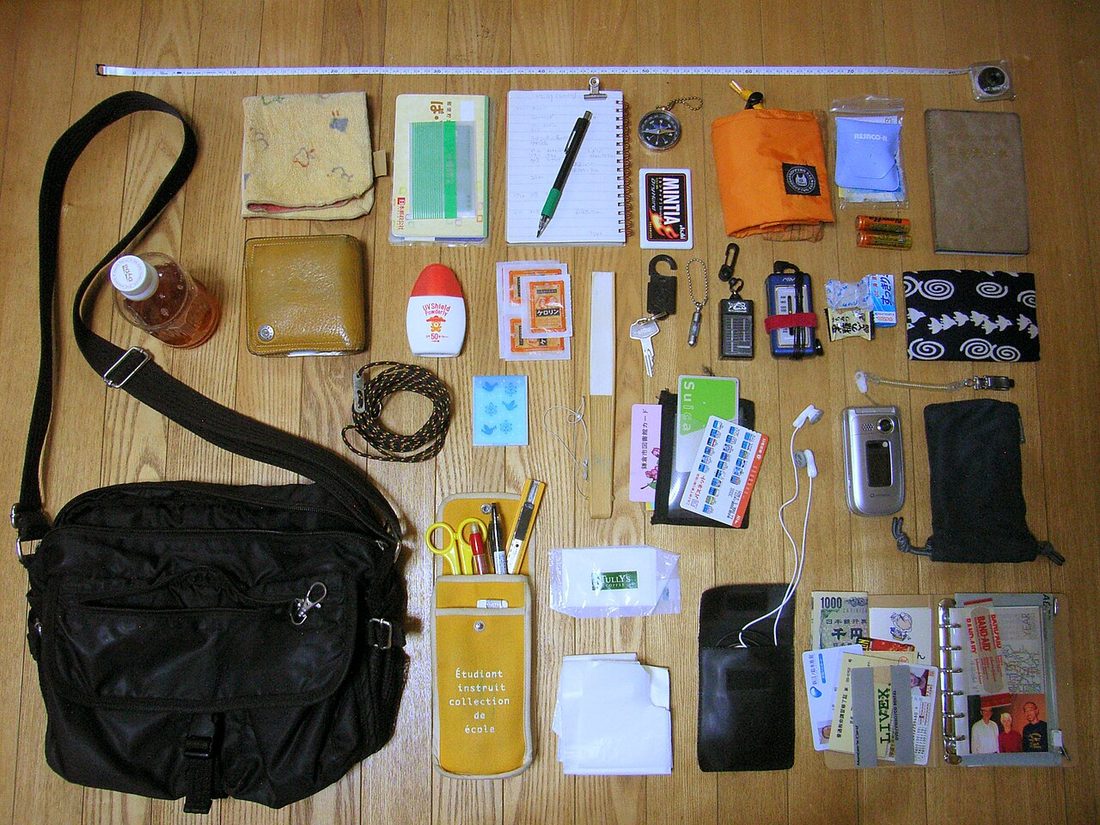
A woman is late. She is going to India, she is rushing to the airport, and she opens her bag in front of the camera. There are about twenty things inside.

A black shoulder bag and everything from inside it laid out on a wooden floor: pens, cards, a phone, a water bottle, papers and small bags
One bag, everything inside

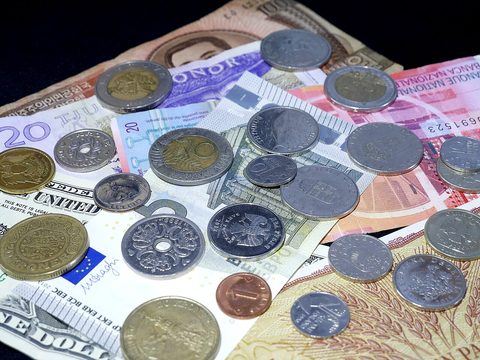
First the important ones: her camera, her phone, her wallet, cash and a card. Then, at fourteen seconds, the most important of all — her passport.

Next come the small helpers: a charger for the phone, wipes for her hands, a sanitizing spray and a hand cream.

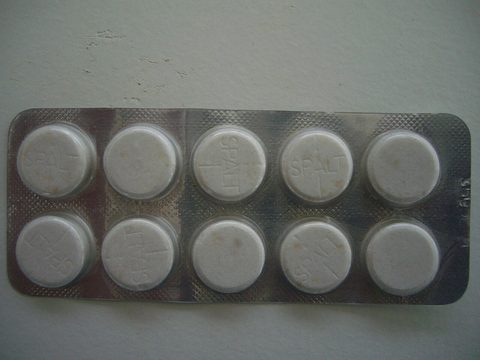
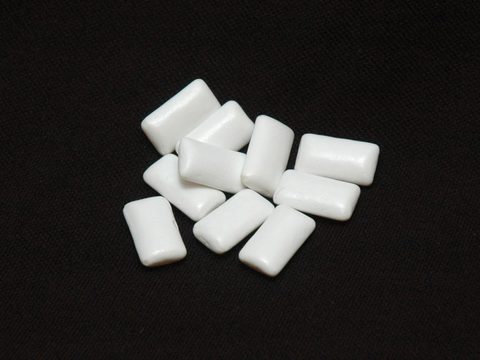
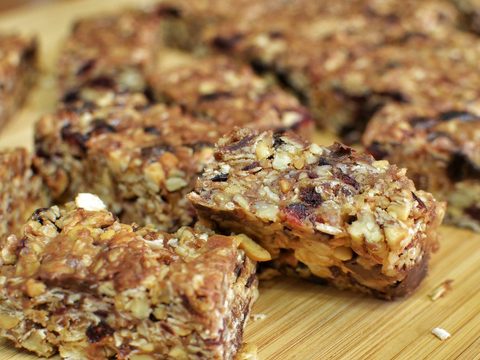
Then the food and the medicine: snack bars "just in case you get extra hungry", chewing gum, and painkillers — "very important", she says.

After that: an extra battery for the camera, a small travel-size perfume, a lens case and her glasses. Everything is small, because it is a hand bag.

At the end there are tea bags — chamomile and decaf — and a makeup pouch with a tint, a concealer and a lip balm. Then she runs.

EXERCISE 05Comprehension

Multiple choice

The stamp shows the second of the video where each thing appears.

Teacher Alvaro
  • Where is she traveling to? 00:00

    It is the first thing she says, before she opens the bag.

  • What kind of bag is it? 00:02

    She is rushing to the airport, so everything inside is for the plane.

  • Which four things come first? 00:09

    Camera first, because she is filming with it.

  • What does she show at 00:13? 00:13

    And she says it is very important — you cannot fly without it.

  • What two things come after the passport? 00:15

    The two things everybody forgets and then needs on the plane.

  • What does she have for her hands? 00:19

    Planes are dry, so hand cream travels with a lot of people.

  • Why does she take snack bars? 00:23

    Her own words: "just in case you get extra hungry".

  • What comes right after the snack bars? 00:26

    Many people chew gum when the plane goes up, for their ears.

  • What does she call "very important" at 00:28? 00:28

    She says "very important" about them, and about the passport too.

  • The perfume in her bag is… 00:33

    Small bottles only — that is the rule for a bag you take on the plane.

  • What kind of tea does she take? 00:39

    Chamomile and decaf — the ones that help you sleep on a long flight.

  • What is in the makeup pouch? 00:43

    Three small things, and then the video ends and she runs.

EXERCISE 06Grammar point

A or an?

Teacher Alvaro

One rule, and it is about sound. Say the word out loud. If it starts with a vowel sound, use an. Everything else takes a. That is the whole class.

A and an both mean "one". They only appear before a singular word.
  • The five vowels: A · E · I · O · U. All the other letters are consonants.
  • a before a consonant: a laptop · a wallet · a passport · a charger
  • an before a vowel: an iPad · an apple · an email · an egg · an orange
  • Never before a plural: two wallets, never a wallets and never an wallets.
  • Not with uncountable things either: cash, water, money — no a in front.
  • ___ apple

    A is a vowel, so the article grows an n.

  • ___ laptop

    L is a consonant, so the short article.

  • ___ email

    E is a vowel. Say it out loud: an email is easier to say than a email, and that is exactly why the rule exists.

  • ___ wipes

    Plural. A and an mean "one", so they cannot sit in front of two or more things.

  • ___ ID card

    You say the letter I, and I is a vowel. Listen to the word, not to the spelling.

  • ___ cash

    You cannot count cash: not one cash, two cashes. Words like this never take a.

  • Which one is WRONG?

    E is a vowel, so it has to be an egg.

  • We use a and an to talk about…

    That is why they disappear in front of a plural.

EXERCISE 07Pronunciation

The five vowels

Teacher Alvaro
Five letters that change everything: A E I O U.
  • Their names in English: A = "ei" · E = "ii" · I = "ai" · O = "ou" · U = "iu".
  • They decide a or an, and they are the letters Brazilian students most often say the Portuguese way.
  • Careful with E and I. In Portuguese, E sounds like the English I. Mixing them is the number one spelling mistake on the phone.
  • Y is not a vowel in the alphabet, even when it sounds like one in a word.
  • Try it: spell your email out loud. Every vowel in it is a small test.
  • How many vowels are there in the English alphabet?

    A, E, I, O, U. All the other twenty-one letters are consonants.

  • Which of these is NOT a vowel?

    Y sounds like a vowel in some words, but in the alphabet it is a consonant.

  • The letter E in English sounds like…

    And "ei" is the letter A. Those two get swapped on the phone every day.

  • The letter I in English sounds like…

    It is the same sound as the word eye.

  • Which vowel is missing? A — E — O — U

    The order is A, E, I, O, U — and the missing one sits in the middle.

  • Which vowel is missing? E — I — O — U

    The first one of the five.

  • The word orange starts with…

    O is a vowel, so it is an orange.

  • Say the word hairband. It takes…

    H is a consonant here, and you hear it: a hairband.

EXERCISE 08Writing practice

Write a or an

One word in each gap. Say the word out loud first — the sound tells you the answer.

Teacher Alvaro

Twelve words, one decision each. Read them out loud as you go. In two minutes you will stop thinking about the rule and just hear it.

  • a___ email

  • b___ painkiller

  • c___ apple

  • d___ wallet

  • e___ ID card

  • f___ laptop

  • g___ English book

  • h___ phone

  • i___ credit card

  • j___ orange

  • k___ hairband

  • l___ egg

EXERCISE 09Writing practice

What is it?

Write the whole answer. Example: passport → It's a passport.

Teacher Alvaro
  • acharger

  • bumbrella

  • cwallet

  • dID card

  • elens case

  • fapple

  • ghand cream

  • hegg

EXERCISE 10Speaking

My bag

Use a and an in every answer. If you do not know a word, ask me: How do you say this in English?

Useful language
In my bag I have a … and an …I always take … I never take …How do you say this in English? It's a … / It's an …
EXERCISE 11Writing

What's in my bag

40–70 words. Make a list of ten things in your bag, with a or an in front of each one. Then write two sentences: which thing is the most important, and which one you never use.

Teacher Alvaro
0 words
ENDEnd of lesson

My results

Check your score, then copy it and send it to your teacher on WhatsApp.

Teacher Alvaro

One job for this week. Every time you pick something up, say it's a… or it's an… in your head. A cup, an orange, a key, an email. Twenty times a day and the rule becomes a sound, not a rule.