Dog Lovers
Twenty adjectives, ten breeds, and one Brazilian dog that is not a breed at all. Plus the rule that trips up every Portuguese speaker: in English the adjective goes before the noun.
Warm-up
Short answers. Tap a card when you have answered it.

Adjectives are the fastest way to sound like you speak English. Twenty of them today, and one rule about where they go. Get the rule and every sentence you already know gets twice as interesting.
Useful language
Adjectives
Click a word, then click its meaning. Correct pairs turn green. The audio button says the word.
Complete the sentences
Click a word in the bank, then click a gap. Click a filled gap to clear it.

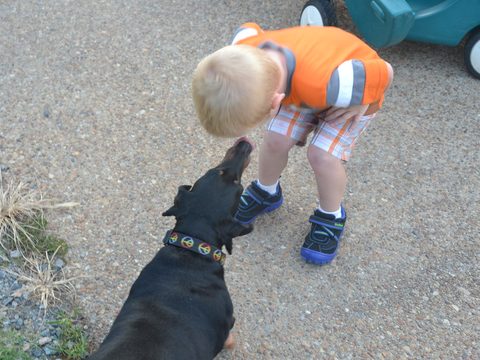 My dog says hello to everybody in the park. It's very
_____.
My dog says hello to everybody in the park. It's very
_____. My dog sleeps twenty hours a day. It's very
_____.
My dog sleeps twenty hours a day. It's very
_____.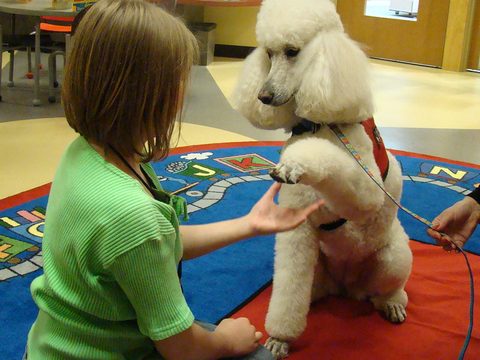 My neighbor's dog learns a new game in five minutes. It's very
_____.
My neighbor's dog learns a new game in five minutes. It's very
_____.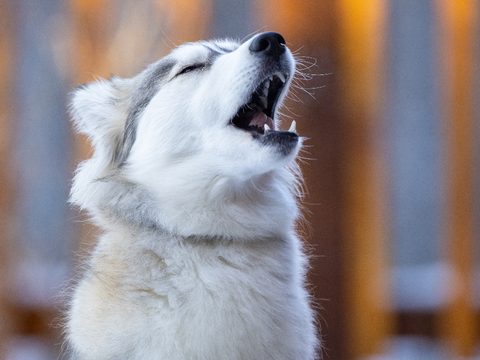 The dog next door barks all night. It's very
_____.
The dog next door barks all night. It's very
_____. Some breeds cost eight thousand reais. They're very
_____.
Some breeds cost eight thousand reais. They're very
_____.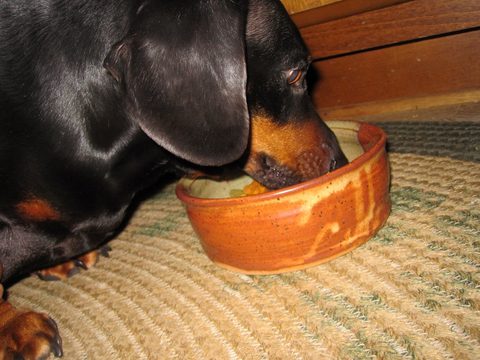 It's dinner time and the dog is looking at its empty food bowl. It's
_____.
It's dinner time and the dog is looking at its empty food bowl. It's
_____. After a long run in the sun, my dog wants a lot of water. It's
_____.
After a long run in the sun, my dog wants a lot of water. It's
_____.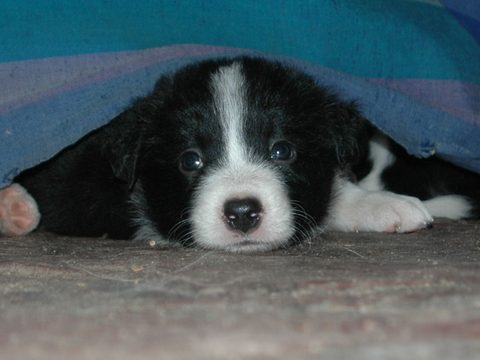 Look at that little face. It's so
_____.
Look at that little face. It's so
_____.
The dog that is not a breed
Short paragraphs. The audio button reads each one aloud.
Labrador, Poodle, Beagle, Rottweiler, German Shepherd. These are breeds. Every dog in the list has a name and a history.
But the most famous dog in Brazil has no breed. Its name is the caramelo, and in Portuguese people say vira-lata caramelo.

It isn't white and it isn't black. It's the color of caramel. It isn't a big dog and it isn't small — it's a medium dog.
Caramelos are street dogs. They are in Brazilian cities and on Brazilian roads, and they are part of the country.
Around 2019 the caramelo arrived on the internet. Now it's a meme in many countries. It's on T-shirts, on Carnival floats and in a movie on Netflix.
It is a symbol of Brazil. It is not an official symbol, but everybody knows it — and one time it was almost on a banknote.
Why this dog? Because it isn't one breed. It's a mix of many breeds — and for Brazilians that is a very good picture of the country.
Multiple choice
Click an answer and you get the result right away, with the reason.

-
What color is the caramelo dog?
That is where the name comes from — the color of caramel.
-
Is the caramelo a big dog?
It is a medium dog — not big and not small.
-
Where do caramelo dogs live?
They are street dogs, in the cities and on the roads.
-
When did the caramelo arrive on the internet?
Careful with the numbers — they sound similar. It is 2019.
-
Where can you see the caramelo now?
It went from the street to the internet, and then to almost everywhere.
-
The caramelo dog…
Everybody knows it, but nobody made it official.
-
What was it almost on?
Almost — but not in the end.
-
What kind of dog is the caramelo?
Nobody made it. It happened by itself, in the street.
-
Why do Brazilians like this dog so much?
A country made of many people, and a dog made of many breeds.
-
Which of these IS a breed?
Beagle, Labrador, Poodle and Rottweiler are breeds. The other two are not.
-
Which sentence about the caramelo is TRUE?
Read the negative sentence slowly. The text says the color is caramel, so the sentence with isn't is the true one.
-
A good title for this text would be:
The whole point is that it has no breed and it is famous anyway.
Where does the adjective go?

This is the opposite of Portuguese. You say um cachorro grande; English says a big dog. The adjective jumps in front of the noun, and it never takes an -s.
- After the verb be: The French Bulldog is lazy. · The dogs are big.
- Before the noun: a friendly dog · smart dogs — never
a dog friendly. - Never plural: big dogs, never
bigs dogs. Only the noun changes. - With a or an, the article comes first: a good restaurant, and the a / an follows the sound of the adjective: an old dog.
- Very goes in front of the adjective: It's a very old dog.
-
Which sentence is correct?
After the verb be, and nothing comes after it.
-
Which sentence is correct?
Article, adjective, noun. In that order, every time.
-
Which sentence is correct?
The -s belongs to the noun only. Adjectives never change.
-
It's ___ dog.
The article looks at the next word, and old starts with a vowel.
-
Where does very go?
Very goes in front of the adjective, and both go in front of the noun.
-
The dogs ___ hungry.
Plural noun, plural verb — and after are you do not need a.
-
Which sentence is WRONG?
Same trap as before: only the noun takes the -s.
-
Say it with a noun: "It's cute."
When you add the noun, the adjective moves in front of it.
The order of a sentence

- Who + be + (a) + adjective + noun: It's a good day. · This is a cheap phone.
- Who + be + very + adjective: The baby is very hungry. · Our dog is very old.
- Possessive before everything: His wife is very nice. · Their dog is French.
- Negative: It isn't a good laptop. The not goes with the verb, not with the adjective.
- Question: Is it a green house? The verb jumps to the front, and everything else stays.
-
good / day / a / It's
Verb, article, adjective, noun.
-
is / wife / nice / His / very
The possessive opens the sentence, and very stays next to the adjective.
-
baby / hungry / The / very / is
No noun after the adjective this time, so it stays after the verb.
-
phone / cheap / a / is / This
Same shape as the first one.
-
laptop / isn't / It / a / good
The negative changes the verb and nothing else moves.
-
green / Is / it / a / house
In a question the verb goes first, then the person or thing, then the rest.
-
They're / books / long
Adjective in front, and no -s on it.
-
French / Their / dog / is
A nationality works exactly like any other adjective.
It's / They're + adjective + noun
Write a whole sentence with the adjective. Example: (good) → It's a good restaurant. · (cheap) → They're cheap apples.

Any noun works — choose one you like. The exercise is not about the noun, it is about the order: article, adjective, noun.
-
fastOne car. →
-
expensiveTwo phones. →
-
lazyOne dog. →
-
badOne movie. →
-
smartTwo dogs. →
-
newOne house. →
-
oldOne car. →
-
noisyTwo children. →
Put the words in order
Write the whole sentence. The words are all there — only the order is wrong.

-
1good / day / a / It's
-
2is / wife / nice / His / very
-
3baby / hungry / The / very / is
-
4phone / cheap / a / is / This
-
5very / is / dog / old / Our
-
6laptop / isn't / It / a / good
-
7They're / books / long
-
8French / Their / dog / is
-
9green / Is / it / a / house
Describe the dogs
Use two adjectives in every answer, and put at least one of them in front of a noun.
Useful language
My favorite breed
40–70 words. Write about your favorite dog: the breed, the colors, the size and the character. Use at least six adjectives, and put three of them in front of a noun. Example: My favorite dog is the Poodle. Poodles are white or black. They are French and smart.

My results
Check your score, then copy it and send it to your teacher on WhatsApp.

One job for this week. Look at five things every day and say them with an adjective in front: a hot coffee, an old car, a small kitchen. The order is the opposite of Portuguese, so the only way is repetition.