It's in the Past!
One short article, and every tense in the course inside it: present simple, past simple, be in both, can in both, and the continuous. Reading it is the review.
Warm-up
Short answers. Tap a card when you have answered it.

Start with four things you can do with your phone. Send messages, take photos, pay for things, find a street. Say them in full sentences and you are already using the present simple.
Useful language
Objects from before
Click a word, then click its meaning. Some of these you have never held in your hand.
More objects
Click a word in the bank, then click a gap. Click a filled gap to clear it.

 Every morning, my grandfather read today's news in two different
_____, with his coffee.
Every morning, my grandfather read today's news in two different
_____, with his coffee.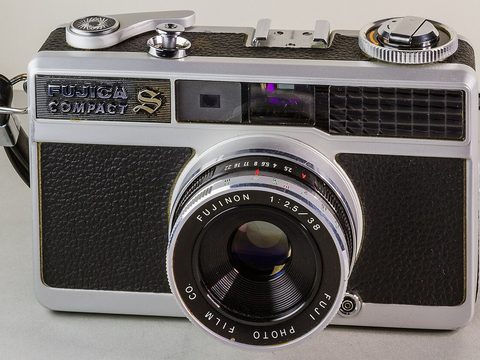 She took that photo with a real
_____, not with a phone.
She took that photo with a real
_____, not with a phone.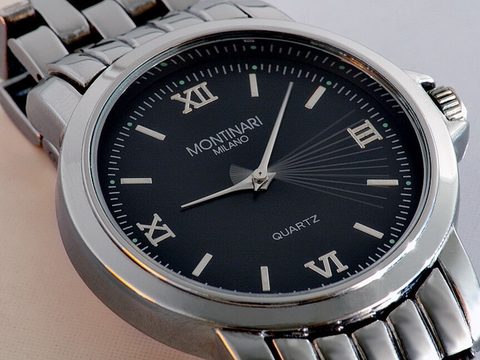 He looks at his
_____ to see the time.
He looks at his
_____ to see the time.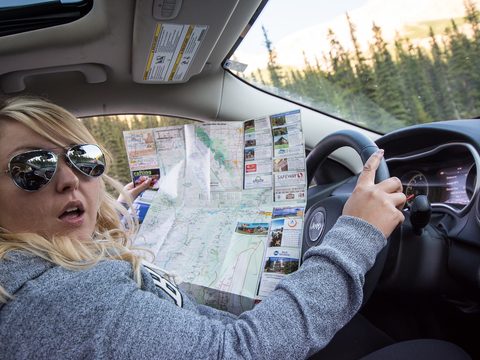 On the wall of the hotel there is a big
_____ of the city, with all the streets and museums.
On the wall of the hotel there is a big
_____ of the city, with all the streets and museums.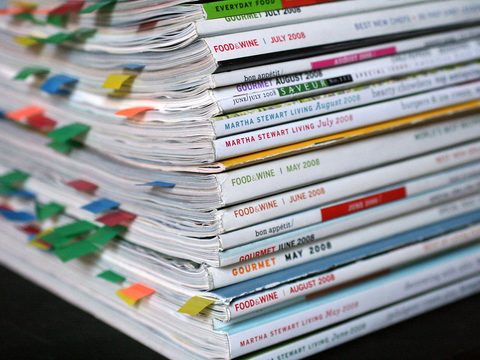 Every month my sister buys two
_____ about fashion and famous people.
Every month my sister buys two
_____ about fashion and famous people.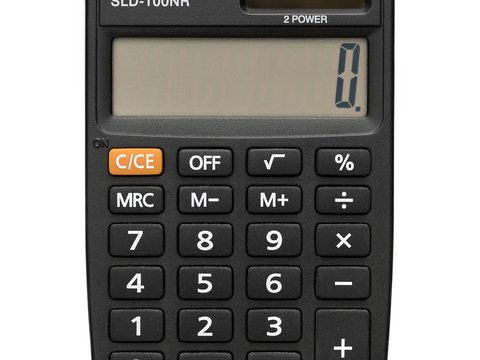 I can't do 348 times 27 in my head. Where is my
_____?
I can't do 348 times 27 in my head. Where is my
_____?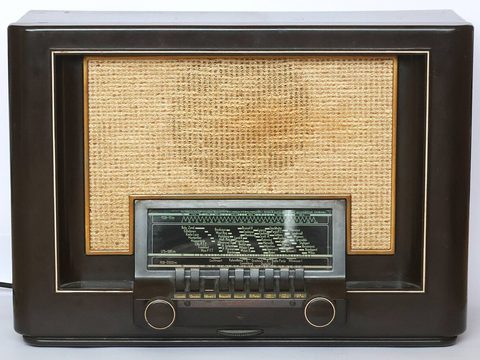 In the car my father listened to music and the news on the
_____ the whole way.
In the car my father listened to music and the news on the
_____ the whole way.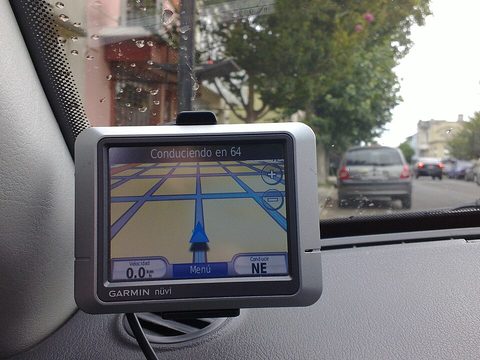 The
_____ tells the driver to turn left in two hundred meters.
The
_____ tells the driver to turn left in two hundred meters.
You needed these things in the past
Four objects, and the article does not name any of them. Guess each one before you check.
There is a whole list of objects your parents needed every day and you have almost never used. Your phone ate all of them, one at a time.
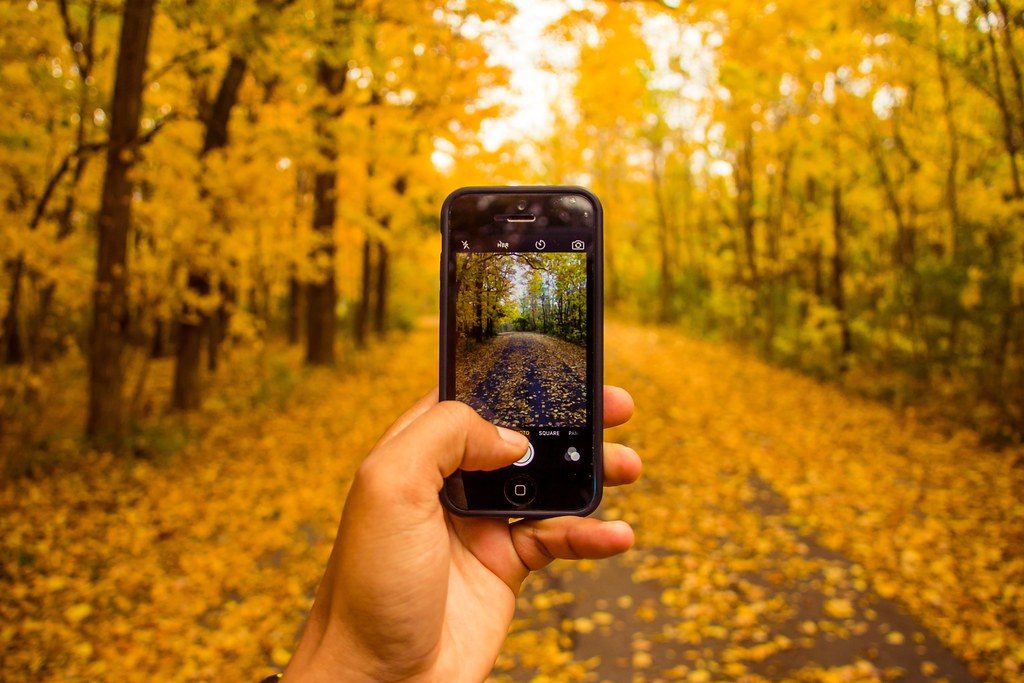
Number one. It helped you get up in the morning, and it made a strange, horrible sound. Today our phones do it for us, and we can select the songs or ringtones we love.
Number two. We needed it when we traveled. It was big and made of paper, and folding it up again was a job in itself.
Today, with our phones, we just write the address into the app and it shows us where to go. Nobody folds anything.
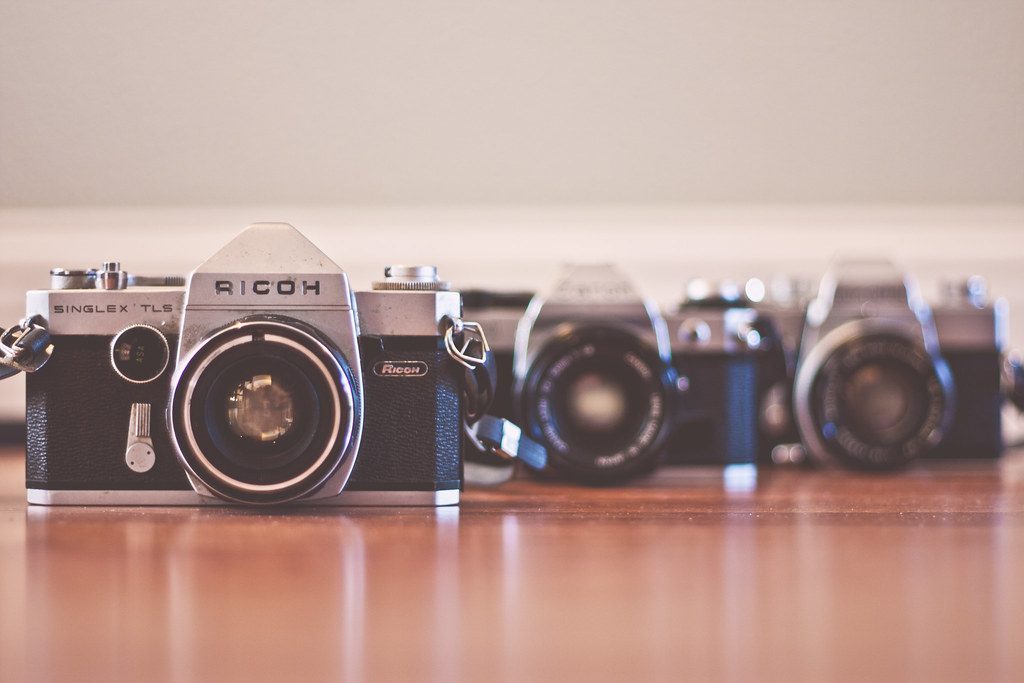
Number three. We took photos with a camera, and sometimes they were not okay. Then we needed to buy one of these to put all the photos in.
Today it is possible to have everything in one place, and the best thing is that you don't need any space at home.
Number four. They were big and heavy, and sometimes we couldn't find what we needed for schoolwork. Today we can learn things with one click — and now AI is doing a lot for us.
Which object is it?
Click an answer and you get the result right away, with the reason.

-
Number one is:
It woke you up, and the sound was horrible on purpose.
-
What can phones do that it could not?
"We can select the songs or ringtones we love."
-
Number two is:
Big, paper, and impossible to fold back correctly.
-
What was it made of?
And that is why it was so annoying in a car.
-
When did we need it?
Now the app does it, and nobody folds anything.
-
Number three is:
Careful: the camera is in the text too, but it is not the answer. You needed the album after the camera.
-
Why did people buy one?
A book of pockets, and one photo in each.
-
What is the best thing about phones for photos?
The article says it in those words.
-
Number four is:
And there were usually twenty of them, in a row on a shelf.
-
What were they like?
And sometimes what you needed was not even in them.
-
What could people sometimes not find in them?
Which is the one sentence in the article with a negative in it.
-
What is doing a lot of things for us now?
And that sentence is the only one in the present continuous.
Which tense is it?
Every sentence below is taken from the article. Name its tense.

Seven sentences, seven different tenses. That is not an accident — an ordinary short article really does use all of them, and that is why reading is worth more than any list.
-
"Today our phones do it for us."
Every morning, every phone. A general fact.
-
"We can select the songs or ringtones we love."
Can, not could — it is true now.
-
"We needed it when we traveled."
Two regular verbs, both with -ed.
-
"It is possible to have everything in one place."
The only verb in it is is.
-
"They were big and heavy."
The same verb as the sentence before it, in the past.
-
"Sometimes we couldn't find what we needed for school."
Couldn't, and it is the only negative with can in the article.
-
"AI is doing a lot of things for us."
Is plus -ing. It is happening around us as we read.
-
Six of the seven sentences are affirmative. Which one is not?
The n't hides at the end of a word, which is why it is easy to miss.
The whole map in one box

- be: is / are / was / were → isn't, weren't · Is it…? Were they…? No help needed.
- can: can / could → can't, couldn't · Can you…? Could you…? No help needed either.
- present simple: borrow do or does → doesn't work · Does she work?
- past simple: borrow did → didn't need · Did we need it?
- continuous: the be does the work → isn't doing · Is AI doing…?
-
"Today our phones do it for us." Make it negative.
Present simple borrows do.
-
"We needed it when we traveled." Make it a question.
Did comes in and the -ed goes out.
-
"They were big and heavy." Make it negative.
Be never borrows anything.
-
"We can select the songs." Make it negative.
Can makes its own negative too.
-
"AI is doing a lot of things." Make it a question.
The is is already there — just move it.
-
"Sometimes we couldn't find it." Make it affirmative.
Take away the n't and nothing else changes.
-
"It is possible." Make it a question.
Two words, in the other order.
-
Which two families never borrow do, does or did?
If you remember only one thing from this class, make it this one.
Write the right form of the verb
Every tense from the course is in here. Find the time word first, then choose.

Three time words to hunt for: never and always mean present simple. Yesterday and last mean past. Right now and tomorrow mean continuous.
goI never ______ to the gym in the morning.
not likeI ______ it.
buyYesterday we ______ some apples
wantbecause we ______ to make a pie.
not beThe children ______ at school last Friday.
can______ you ride a bike when you were 5?
studyJenny and I ______ for the math test tomorrow evening.
not canI ______ do my English homework.
playMy friends always ______ soccer after school.
not finishWe ______ the movie last night.
listenShe ______ to music right now, so she can't answer.
canWhen I was a child, I ______ swim very well.
Rewrite the sentences from the article
The cue tells you which form to write: - negative, ? question, + affirmative.

-Today our phones do it for us.
?Today our phones do it for us.
-We can select the songs we love.
-We needed it when we traveled.
?We needed it when we traveled.
-It is possible to have everything in one place.
-They were big and heavy.
?They were big and heavy.
+Sometimes we couldn't find what we needed.
-AI is doing a lot of things for us.
Then and now
Every answer should use at least two different tenses. I will tell you when it doesn't.
Useful language
One more object
80–120 words. Write a fifth entry for the article about an object your phone replaced — a walkman, a calculator, a newspaper, anything. Say what it was, what it did, what people couldn't do with it, and what the phone does now. Use at least five different tenses.

My results
Check your score, then copy it and send it to your teacher on WhatsApp.

Two rules cover most of the mistakes at this level. One: be and can never borrow do. Two: after do, does or did, the verb has no ending. Say them out loud once a day.