Review: Classes 35–38
The last four classes, and the last new idea in the course: the future. English does not build a new tense for it. It borrows one you already had, and lets the time word do the work.
Can you do all of these?
Tap a card when you can do it out loud, with no help and no long pauses.

Do the cards before the exercises, not after. The exercises will be easier than the speaking, and you want to find out what is still slow while there is still class left to fix it.

Useful language
Collocations
Click a phrase, then click its meaning. These are the word pairs that always travel together in English.
Travel words
Click a word in the bank, then click a gap. Then say which sentences are true for you.

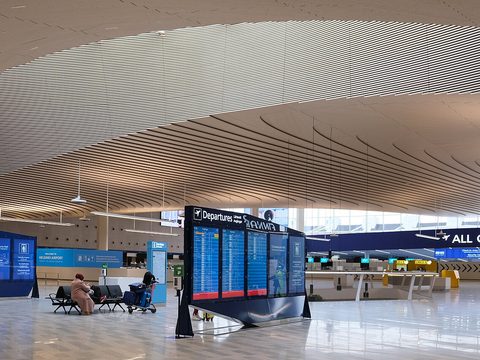 I love flying! I like watching the planes at the
_____.
I love flying! I like watching the planes at the
_____.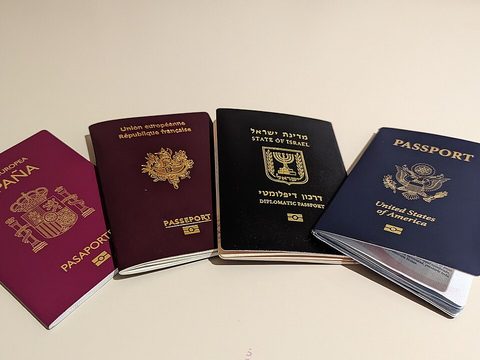 I always show my
_____ at the border. It has my photo and my name.
I always show my
_____ at the border. It has my photo and my name.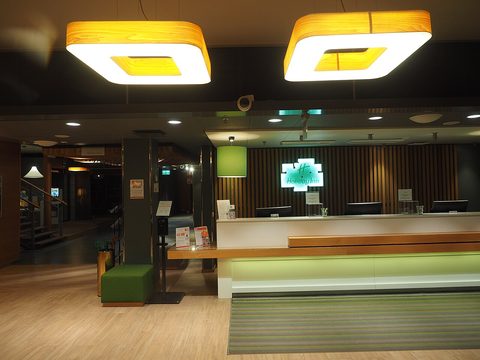 I sometimes book a room in a
_____ with a pool.
I sometimes book a room in a
_____ with a pool. I never travel with a lot of
_____. I prefer credit cards.
I never travel with a lot of
_____. I prefer credit cards.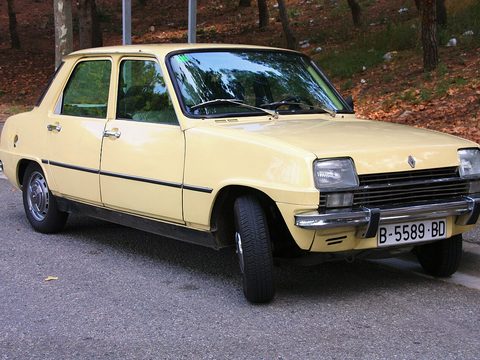 I sometimes travel by
_____, and I drive it myself.
I sometimes travel by
_____, and I drive it myself. I usually go on vacation with my
_____: my mother, my father and my brother.
I usually go on vacation with my
_____: my mother, my father and my brother.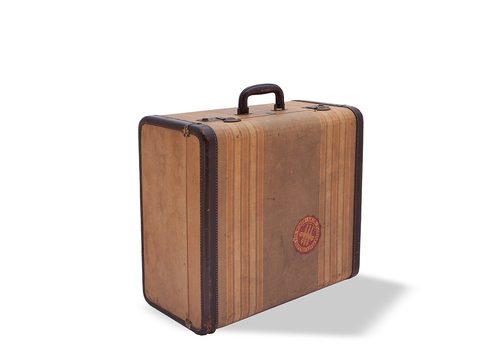 I pack all my clothes into one big
_____ with wheels.
I pack all my clothes into one big
_____ with wheels.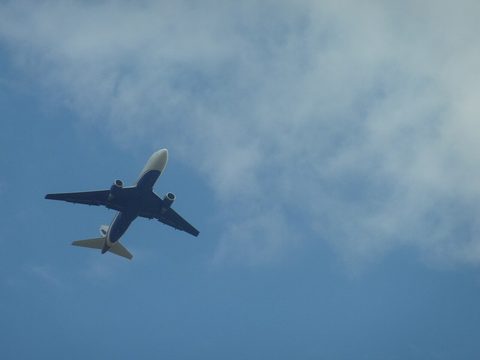 I booked a window seat on my
_____ to Miami.
I booked a window seat on my
_____ to Miami.
Four classes in one page
Read it once before the exercises, and once again at the end.
Four classes, and the last new idea in the whole course: the future. English does not build a new tense for it. It borrows one you already had.
Class 35 was appointments. What are you doing tonight? I'm meeting my friend for dinner. The same form as Class 24, pointing at a different time.
The only thing that tells you which one it is, is the time word. Now and at the moment point one way; tonight and next weekend point the other.
Class 36 put it to work on travel. I'm flying on Sunday. We're staying in a hotel. She isn't traveling by car. Are you buying summer clothes for the trip?
Class 37 was about questions. Two families of verbs — be and can — jump to the front by themselves. Everything else borrows do, does or did.
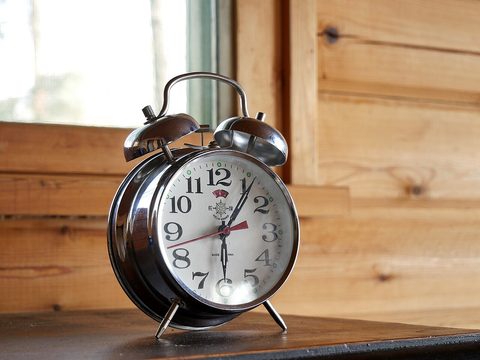
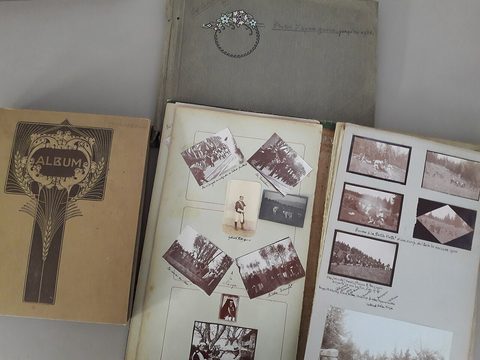
And Class 38 put every tense into one short article, about the objects your phone replaced: the alarm clock, the map, the photo album, the encyclopedias.
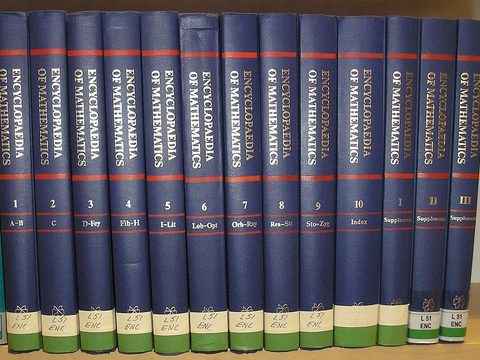
That is the course. Present, past, future, be, can, and the continuous. Everything you learn from here is built on top of these.
Do you remember?
Click an answer and you get the result right away, with the reason.

-
Which tense do we use for future appointments?
The same one as for right now. Nothing new was built.
-
What tells you whether it is now or the future?
The verb form is identical in both.
-
Which of these points at the future?
So do tonight, tomorrow and on Friday.
-
What kind of future is it for?
A flight, a haircut, a meeting. Something already fixed.
-
Which two families of verbs never borrow do?
They move to the front by themselves.
-
After do, does or did, the verb:
Did he play? — never Did he played?
-
What was Class 36 about?
Flights, hotels, bags — all of it fixed in advance.
-
What was Class 37 about?
And a song, which is where the practice came from.
-
Which four objects were in the Class 38 article?
All of them replaced by the same object in your pocket.
-
"She isn't coming with us on the trip." This is:
The trip has not happened yet, and her place is already decided.
-
Which question asks about ability in the past?
The third asks whether you did it, not whether you knew how.
-
What does the text say about everything you learn after this?
Which is why a review is worth more than a new lesson.
Part one: the future
Classes 35 and 36. Fourteen questions, all present continuous.

Two parts, every time. The commonest mistake in this whole section is a missing am, is or are. Read your answer and check the first half before the second.
-
I ______ the dentist on Monday morning.
Both halves, or it is not a sentence.
-
We ______ our clients this afternoon.
We takes are, and the verb takes -ing.
-
She ______ to the doctor tomorrow. She feels fine now.
The not goes inside, after is.
-
______ you ______ your boss on Friday?
You takes are, never is and never do.
-
They ______ lunch with their friends at 1 p.m.
Have ends in e, so the e goes away.
-
He ______ dinner with his family tonight. He's working late.
The second sentence is the reason, and it is in the same tense.
-
______ Sarah ______ to the gym this evening?
One person: is.
-
We ______ to Paris next weekend.
Next weekend, and the tickets exist.
-
She ______ with us on the trip. She has an exam.
Doesn't never sits next to -ing.
-
______ you ______ to the airport or to the hotel first?
Same rule as question four.
-
My parents ______ to visit London this year.
One vowel, one consonant: the n doubles.
-
I ______ my suitcase tonight.
Tonight, so it is an arrangement, not a habit.
-
______ Emma and Tom ______ a trip to Spain in July?
Two people, and both halves have to be right.
-
He ______ his ticket tomorrow because prices are high.
Read the reason at the end. High prices mean he is not buying.
Part two: questions and every tense
Classes 37 and 38. Fourteen questions.

-
______ like pizza?
A question needs both the auxiliary and the person.
-
______ at school yesterday?
There is no other verb, so it is be.
-
______ when you were 5?
Past ability, and the verb comes first.
-
______ in Brazil?
Live is a normal verb, so it borrows do.
-
______ soccer last weekend?
Last weekend, so did — and the verb stays plain.
-
______ from Canada?
One teacher, and no other verb in the sentence.
-
______ your phone, please?
Class 22 again: can, then the person, then the verb.
-
They ______ coffee every morning.
Every morning is a habit, so it is the present simple.
-
We ______ a movie yesterday.
Affirmative and past, so the -ed stays on.
-
She ______ speak French very well.
Can never takes an -s, not even after she.
-
I ______ late today.
Be puts the not after itself, with no help.
-
He ______ swim when he was a child.
Could makes its own negative, like be.
-
They ______ at home last night.
They, and last night.
-
She ______ dinner now. She's not hungry.
Now, so the continuous — and this time it really is the present.
The right verb
First five: complete the collocation with have, meet or do. Last five: complete the to-do list before the trip.

Collocations are not logic, they are habit. You have a party and a meeting, you do a course, you meet a person. There is no rule — only what English decided.
a______ somebody for lunch or dinner
b______ a party
c______ a meeting
d______ a course
e______ an appointment with the doctor
Mon______ my bills.
TueBuy ______! (for the sun)
Wed______ my bags.
Thu______ Sarah for lunch.
Fri______ to the airport.
Seven questions, seven auxiliaries
Write the whole question. Each one needs a different word at the front — that is the point of the exercise.

habitWhat time / you wake up on weekdays?
pastWhat / you do last weekend?
habitWhat sports / you play?
be, present/ you tired or happy today?
ability, pastWhen you were a child, / you ride a bike?
be, pastWhere / you yesterday at 8 p.m.?
futureWhat / you doing this weekend?
Ask me, then answer me
Every card is a question you ask me first, and then answer yourself.
Useful language
Yesterday, today, tomorrow
80–120 words in three short paragraphs: what you did yesterday, what you usually do, and what you are doing next week. One paragraph for each. Use every tense in the course at least once.

My results
Check your score, then copy it and send it to your teacher on WhatsApp.

One class to go. Look at the two grammar sections above and find the three questions you got wrong. Those three are your homework, and there is no need to review anything else.