Coloring Eggs
Two cartoon friends, some eggs and one Easter job: color them. It goes very wrong. Five cooking words, the colors you get when you mix paint, and will, the small word for plans and promises.
Warm-up
Ask and answer with a partner, or with me. Tap a card when you have answered it.

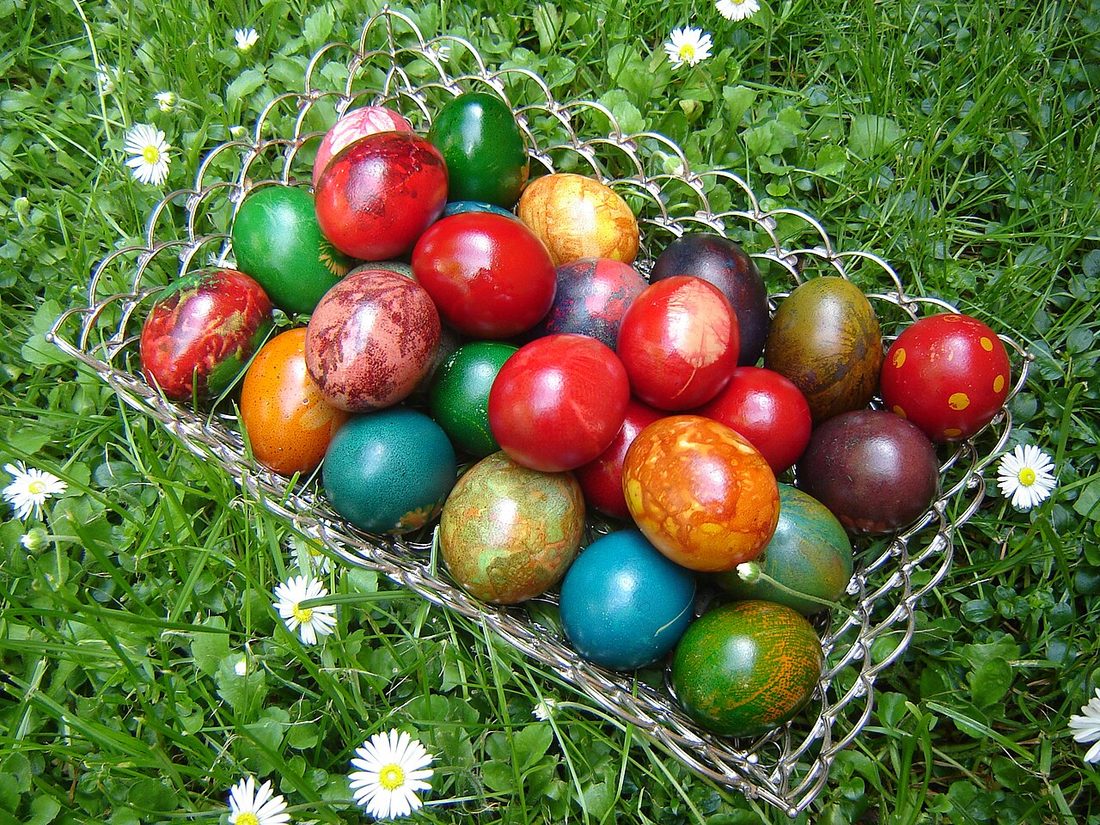
In many countries, Easter comes with eggs: chocolate eggs, painted eggs, egg hunts. Today two cartoon friends try to color some eggs, and you learn will, the small word for plans and promises.
Useful language
Cooking and coloring
Five cooking words, and three words for Easter eggs. Click a word, then click its meaning. Correct pairs turn green. The audio button says the word.
Complete the sentences
Click a word in the bank, then click a gap. Click a filled gap to clear it. Read the whole sentence first: it tells you which word fits.

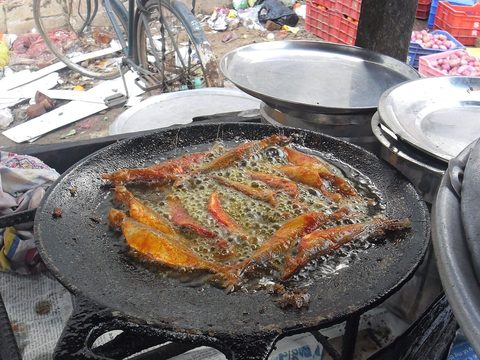 Heat a little oil in the pan, and then
_____ the fish for three minutes on each side.
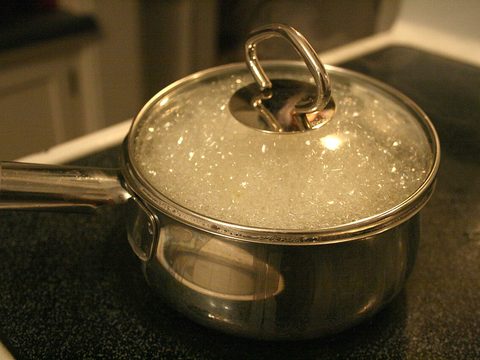 Pasta needs very hot water with big bubbles, so first
_____ some water in a big pot.
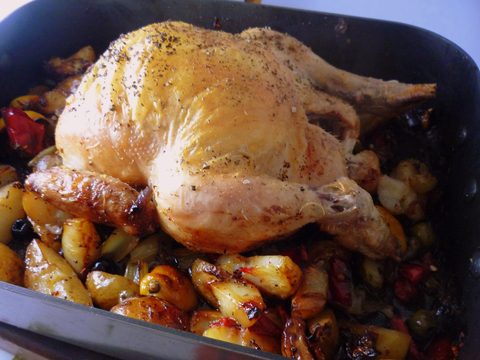 On Sundays we
_____ a big chicken with potatoes in the oven. It takes almost two hours.
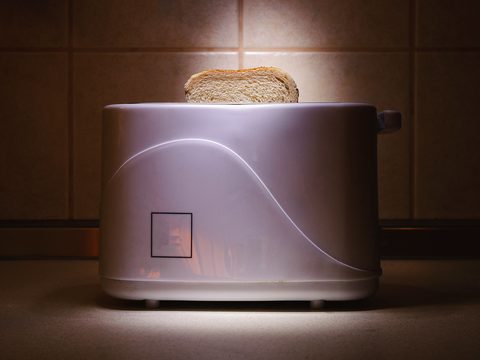 Put two slices of bread in the toaster and
_____ them for your sandwich.
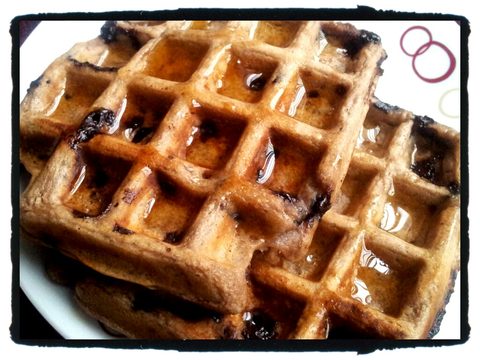 On Sunday mornings, my dad makes a big
_____ and puts a little honey in every one of its squares.
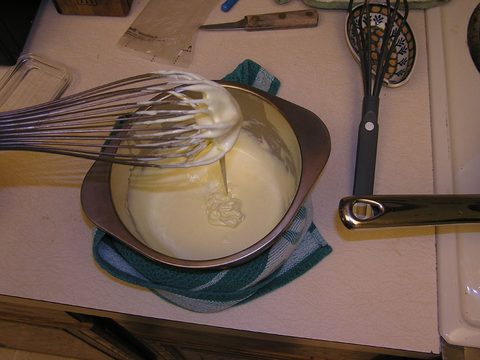 First,
_____ the flour, the milk and the sugar in a bowl. Then add the butter.
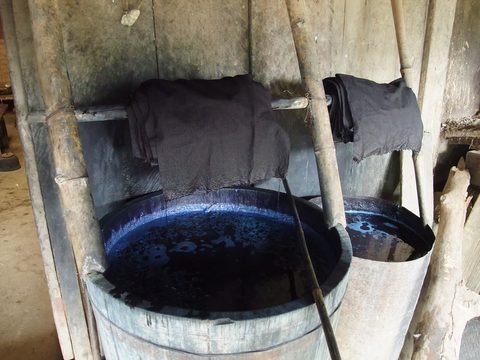 My old white jeans look boring, so I'm going to
_____ them dark blue this weekend.
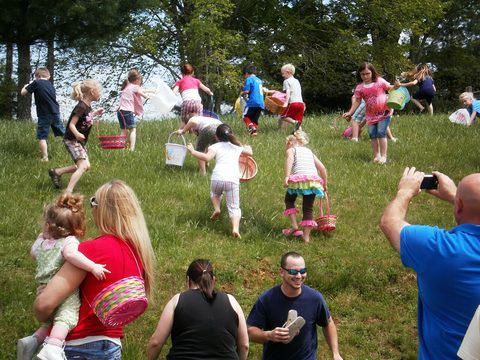 The children ran around the park and looked for chocolate eggs under every tree. The
_____ lasted an hour.
How not to color eggs
Before you watch, imagine this picture: Peppermint Patty is screaming in a kitchen, next to three cups of colored water, red, yellow and blue. What do you think is going on? Watch the video (three minutes, and it is a comedy) and check. Then read the story. The words with will are in bold. Tap a dotted word to see what it means.
Easter is coming, and Marcie arrives at Peppermint Patty's house with the eggs Patty asked for. She calls her friend "sir", and Patty asks her to stop.
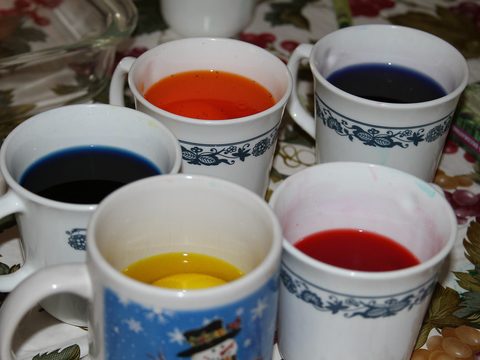

Then Patty explains her plan: she will show Marcie how to color eggs. Marcie will get the eggs ready, and Patty will mix up the colors.
So Patty mixes three cups of egg dye: red, yellow and blue. Then Marcie gets the eggs ready at the stove.
A little later, Marcie has a question for Patty: how do they color the eggs after they fry them? Yes, she fried them!
Patty hears the question and screams very loudly. Nobody can color a fried egg, so the two friends need new eggs and a new start.
With the new eggs, Marcie tries the waffle iron, the toaster and the oven. She still doesn't understand, and Patty gets upset again.
So Patty explains the rule: you don't fry, roast or toast eggs for coloring. You boil them. After that, she'll show Marcie how to paint them.
At last, Marcie understands, or she thinks so. "I'll boil them, sir," she promises. When the water boils, she puts all the eggs in the pot.
Patty is happy, and she tells Marcie to let the eggs boil for a long time. Later, the eggs look done, and Marcie calls Patty to see.
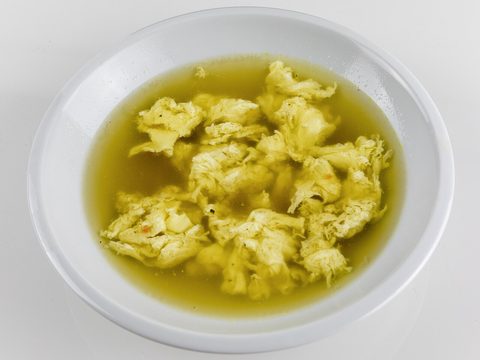
Patty looks into the pot, and it smells like soup! Marcie made egg soup, there are still no colored eggs, and Patty screams for the third time.
Multiple choice
Click an answer and read why. Everything you need is in the story.

-
Why does Marcie bring eggs to Patty's house?
Patty asked for the eggs because she has a plan for Easter: she wants to teach Marcie how to color them.
-
What does Patty ask Marcie to stop doing?
Sir is a polite word for a man, and Patty is a girl. But it doesn't stop: listen to the video, and Marcie says "sir" again and again.
-
What is Marcie's job in Patty's plan?
Patty will mix up the colors, and Marcie will get the eggs ready. It sounds easy, but Marcie doesn't know what "ready" means for an egg you want to color.
-
What colors are in Patty's three cups?
Red, yellow and blue: with these three, you can make almost every other color. You try it in Exercise 08.
-
What does Marcie do with the first eggs?
She fries them, like eggs for breakfast. Then she asks Patty how to color them.
-
Why do the two friends need new eggs?
You color the shell of an egg. A fried egg has no shell, so there is nothing to color.
-
Where does Marcie cook the new eggs?
In the video, Patty says the eggs are not to be roasted, toasted or "waffled". Waffle is a noun, so "waffled" is her joke.
-
What is Patty's rule for eggs you want to color?
First you boil the eggs, and then you color them. In Exercise 12, a short video shows every step.
-
"I'll boil them, sir," Marcie says. What is she doing?
I'll = I will. With will, Marcie promises to do something next. It is the grammar of this lesson, in Exercise 09.
-
What does Patty tell Marcie to do with the eggs in the water?
Eggs for coloring need to be hard, so they boil for a long time. After that, Patty wants to show Marcie how to paint them.
-
Why does Patty scream at the end?
It is the third time: first the fried eggs, then the waffle iron, the toaster and the oven, and now a pot of egg soup.
-
Which sentence best summarizes the story?
Patty is the teacher and Marcie is the student, and at the end there is not one colored egg. Every try goes wrong in a new way.
Put the story in order
Seven moments of the video, mixed up. Write the number of each one, from 1 (first) to 7 (last). Watch the video again, or look back at the story.
-
aMarcie goes to Patty's house.
-
bMarcie makes egg soup.
-
cMarcie fries the eggs.
-
dMarcie boils the eggs.
-
eMarcie tries the waffle iron, the toaster and the oven.
-
fPatty mixes up the colors.
-
gPatty gets upset for the third time.
Welcome, friend!
A friend arrives at your house. Can you say this sentence at the door to welcome them? Choose for each one.

-
"Come on in."
It invites your friend to enter the house. In the video, Patty says it to Marcie at the door.
-
"Welcome."
The classic word for a guest. You can say it alone, or with more: Welcome to my home!
-
"Hmm. You're late."
It is a complaint, not a welcome. Nobody wants to hear it at the door.
-
"It's good to see you!"
It says you are happy that your friend is here. Very common, and very warm.
-
"Thanks for coming!"
You thank your friend for the visit. You can say it at the door and again at the end of the visit.
-
"Oh, you're early."
It talks about the time, not about your friend, and it sounds like a small problem: "I'm not ready!"
Mix up the colors
Think of paint, or of Patty's three cups of dye. If you mix up these colors, what color do you get?
-
red + blue = ?
Red and blue make purple. More blue makes a dark purple; more red makes it warmer.
-
red + yellow = ?
Red and yellow make orange, the color of the fruit with the same name.
-
yellow + blue = ?
Yellow and blue make green, the color of grass and leaves.
-
black + white = ?
Gray is between black and white. More white makes a light gray; more black makes a dark gray.
-
red + white = ?
White makes every color lighter. A light red is pink.
-
Patty has only red, yellow and blue dye. Which color can't she make?
Green and purple come from two of her cups. But when you mix colors, you always get a darker color, never white.
Will for the future

One word for every person. Will never changes: no -s, no to after it, and no do in questions. In speech it is almost always short: I'll, you'll, won't.
- Positive: will or 'll, the same for I, you, he, she, it, we, they: Next year, my sister will start college.
- Negative: will not or won't: Don't worry. I won't tell anyone.
- Questions: Will + person + verb: Will you be at home tonight? — Yes, I will. / No, I won't.
- Promises, offers and decisions you make right now: I'm tired. I think I'll go to bed.
Choose the correct answer. Look for the verb after will, and for the clue words: tomorrow, I promise, a question mark.
-
Marcie says: "I'll boil them, sir. Then you'll paint them." She is talking about…
I'll = I will and you'll = you will. Both are about what happens next: first the boiling, then the painting.
-
Which sentence is correct?
After will, the verb has no -s and no to, not even with she.
-
"We will buy more eggs." Which is the negative?
Will makes its own negative: will not, or short, won't. No do.
-
"___ you help me with the dye, please?"
Will you…? + please is a polite way to ask for help. The verb help comes right after the person.
-
"Will Patty be angry?" "Yes, she ___."
The short answer repeats the word of the question: Will…? Yes, she will. / No, she won't.
-
The phone is ringing. "Don't get up. ___ answer it."
A decision you make right now, and an offer to help: I'll.
-
"Tomorrow ___ sunny, so we can have the egg hunt in the park."
The verb after will is the infinitive: be, not is. And will never takes -s.
-
Which sentence is about the future?
Boiled is the past, and boils every Sunday is a habit in the present. Only will boil is about the future.
-
They'll means…
The apostrophe takes the place of wi: they will → they'll. They are is they're.
-
"I promise I ___ fry the eggs again!"
A promise about the future, in the negative: won't. The word willn't doesn't exist.
Write it with will
Write the whole sentence. In a–e, write I'll or I won't, and make the sentence true for you. In f–h, the word on the left tells you what to write: a question, a negative or a positive sentence. Then say your sentences out loud with the short forms.
-
a · youI / go / to the movies tonight
-
b · youI / play / tennis tomorrow
-
c · youI / be / happy with my exam results
-
d · youI / take / the bus tomorrow
-
e · youI / bake / a cake later today
-
f · questionyou / help / me with the eggs
-
g · negativeMarcie / fry / the eggs again
-
h · positivewe / paint / them after lunch
I'll, won't and want
Read the note and listen to the short forms. Then press the audio button in each question and choose the sentence you hear.

- 'll joins the word before it, in one syllable: I'll · you'll · she'll · we'll · they'll
- won't rhymes with don't: won't · don't
- Careful: won't is not want . I won't go means no; I want to go means yes!
-
Which sentence do you hear?
The 'll is short, but you can hear the l before call: "I'll call".
-
Which sentence do you hear?
Won't has the long "o" of don't, and there is no to after it.
-
Which sentence do you hear?
Want has an open "a", and to comes after it: want to paint. So they are happy to do it.
-
Which sentence do you hear?
Listen for be: after 'll, the verb be stays in the infinitive.
-
How many syllables does I'll have?
I will has two syllables, but I'll is one quick sound: "I" and "l" together.
-
Which word rhymes with won't?
Won't and don't have the same long "o". A good trick: if you can say don't, you can say won't.
How to decorate eggs
Marcie needs this video! First, read what you need. Then watch and number the six steps from 1 (first) to 6 (last). After that, answer the questions: the stamp shows the moment in the video.
-
aLeave the eggs in the dye for about ten minutes.
-
bKeep the eggs in the fridge until your egg hunt.
-
cHard-boil the eggs.
-
dLet the eggs dry, and rub a little oil on each one with a paper towel.
-
eDraw on each egg with the white wax crayon.
-
fIn the glass, mix a tablespoon of vinegar, about 250 ml of cold water and about ten drops of food coloring.
-
For how long have people decorated eggs? 00:15
A very old tradition: the video says people in Ancient Egypt already decorated eggs.
-
Why are eggs with white shells better? 00:54
Any egg is fine, says the video, but on a white shell the colors are stronger and brighter.
-
How long did they boil the eggs? 01:30
Ten to twelve minutes, but the video says it depends on the size and the kind of your eggs.
-
What does the drawing with the crayon do? 01:37
Dye and wax don't mix. When the egg goes into the dye, the shell changes color, but your drawing doesn't.
-
How much cold water goes in the glass? 01:49
A tablespoon of vinegar, then about 250 ml of cold water, then the food coloring. More coloring makes brighter eggs.
-
Why wear gloves? 02:01
Food coloring colors your skin too. With gloves, your hands stay clean.
-
What does the oil do? 02:37
A little oil on a paper towel, then rub it off: the eggs shine, and the color stays in place.
Eggs, plans and promises
Part A is about the video and the story. Part B is about you: when a question asks about the future, answer with will or won't. Part C is for your opinions. Tap a card when you have talked about it.

Useful language
My next holiday
40–70 words. Write about your plans for Easter, or for your next holiday. Use will or won't at least five times: where you'll be, who you'll see, what you'll eat or cook, and one thing you won't do. Example: I'll visit my grandmother, but I won't cook!
My results
Check your score, then copy it and send it to your teacher on WhatsApp.

One job for this week. Every day, make three promises out loud in English: two with I'll and one with I won't. Thirty seconds, and keep the promises if you can!