Music Festivals
Five tips for a music festival, and one young man who forgot one of them. Matt's day between a food stall and the exit, told with the past forms you need: went, bought, didn't find, did you see?
Warm-up
Answer in full sentences. Tap a card when you have answered it.

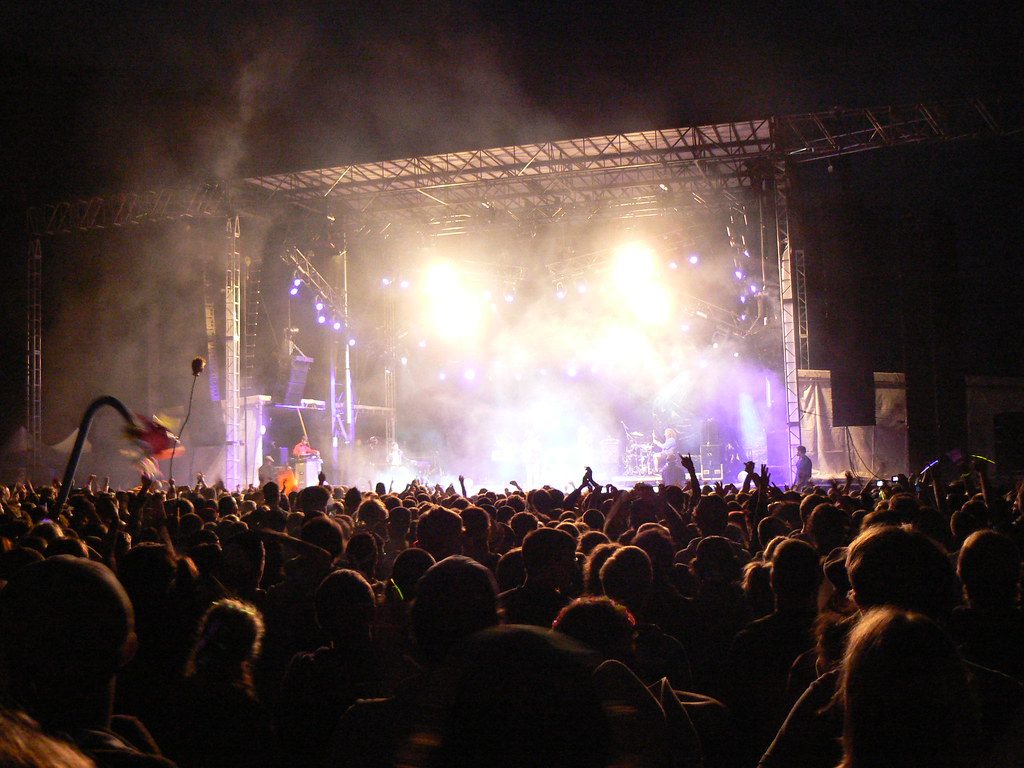
A big field, a stage, lights and a huge crowd. Today we go to a music festival: five tips to survive one, and the story of a man who got lost there. To tell his story, you need the past: he went, he didn't find, did you see?
Useful language
At the festival
Click a word, then click its meaning. Correct pairs turn green. The audio button says the word.
Complete the sentences
Click a word in the bank, then click a gap. Click a filled gap to clear it. Two new words here: the way in and the way out.

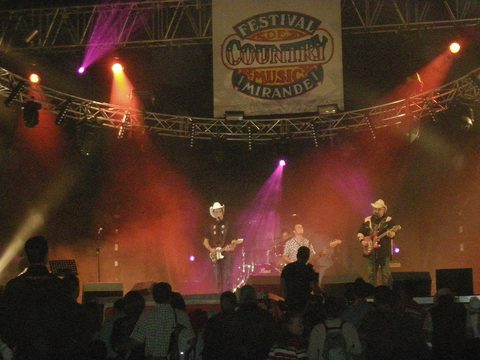 The band played on the main
_____ at night.
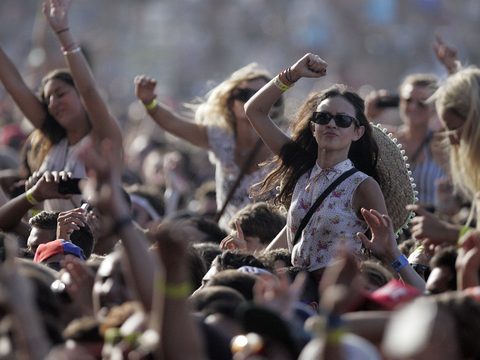 The
_____ was very excited and sang along during the concert.
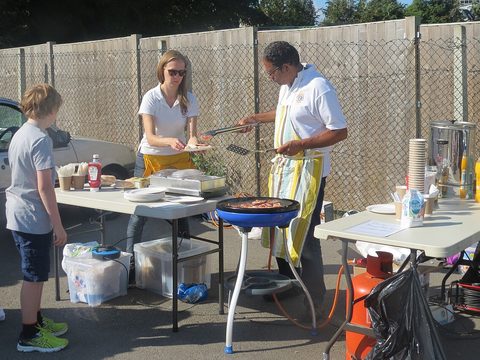 The hot dog
_____ was only a table and a grill, but the line there was long.
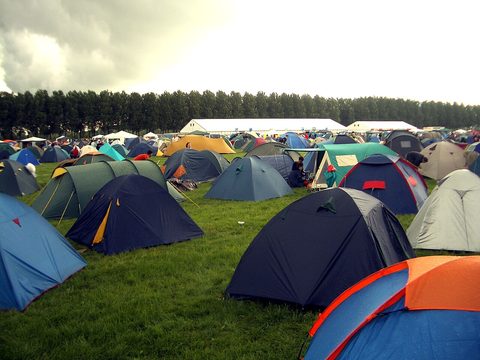 We slept in our
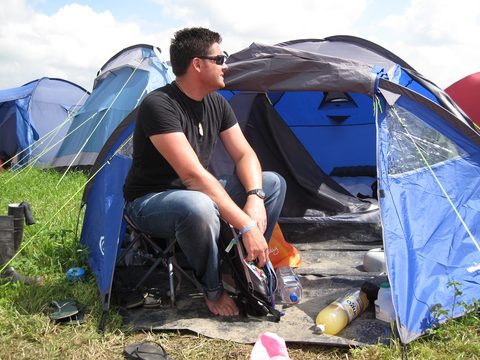
_____ near the trees, so it was quiet at night.
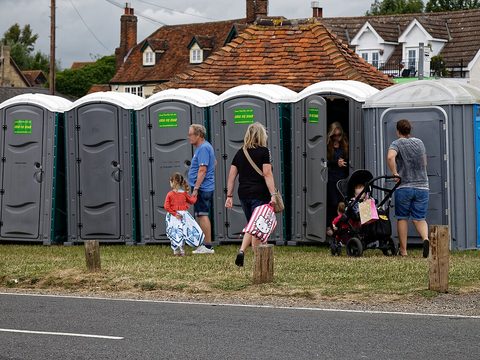 The
_____ were next to the food area and easy to find.
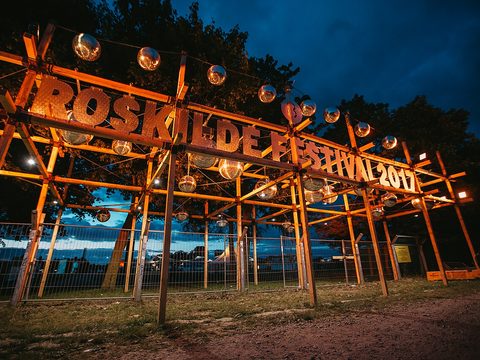 We showed our tickets at the
_____, and then we walked into the festival.
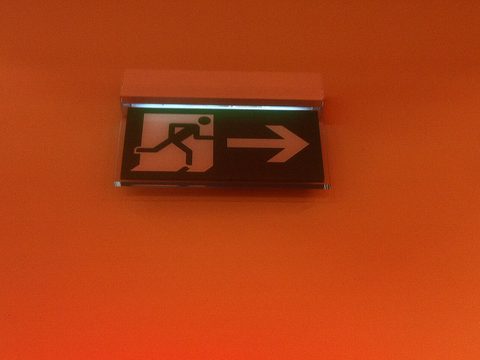 After the last show, we followed the
_____ signs and found the way out.
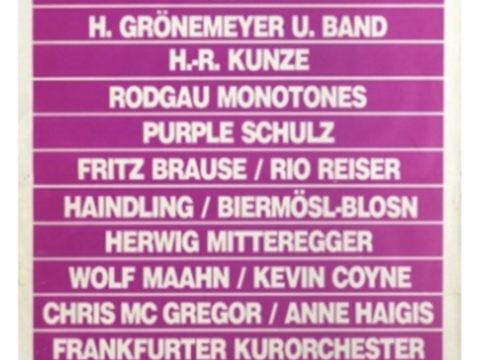 The
_____ on the poster showed twenty bands and the time of each show.
Lost at the festival
First watch the video: five tips for a music festival. Don't try to understand every word. Then read Matt's story and ask yourself: which tip did he forget? Tap a dotted word to see what it means.
Last summer, Matt went to a famous music festival with his friends. They were so excited that they bought their tickets early.
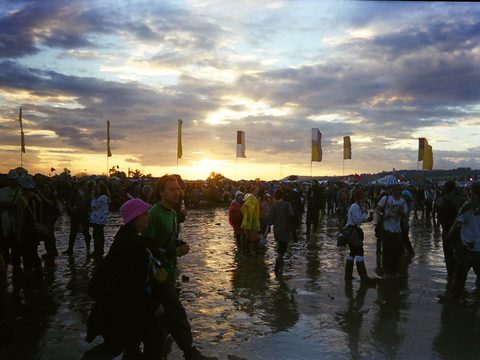
On the first day, they arrived at the festival and saw a huge crowd in front of the main stage. The music was great, and everybody danced.
After a few hours, Matt wanted to go to the food stalls. He told his friends that he knew the way, so they said it was okay.
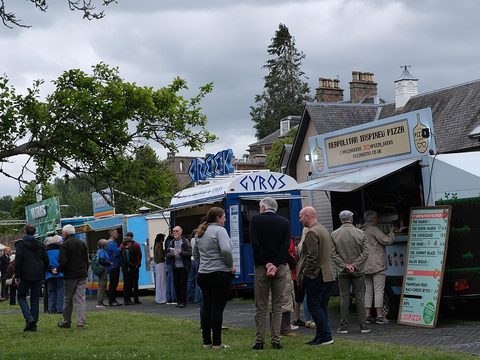
So Matt went there alone and bought a sandwich. But nobody talked about a place to meet again, and that was a big mistake.
When he finished, he went back to the same place, but his friends weren't there. He looked around, but he couldn't find them.
Matt thought his friends were at the big stage, so he went there. He looked for them in the crowd, but they weren't there either.
He asked some people, "Did you see my friends?" But nobody saw them, and Matt felt more and more worried.
After all that walking and worrying, he needed a break. He drank some water, sat down and relaxed for a few minutes.
After the break, Matt walked again, and finally he found his friends near the exit. They were very happy to see him.
Matt was so relieved, and they had a lot of fun together. The next day, the friends did something new: they planned some meeting places.
Multiple choice
Click an answer and you get the result right away, with the reason.

-
Why did Matt and his friends buy their tickets early?
They were so excited that they bought them early. That is where the story starts: a group of friends who really wanted to be there.
-
What did they see when they arrived on the first day?
A huge crowd in front of the main stage. Remember it: later, that crowd makes Matt's problem much bigger.
-
Why did Matt leave his friends after a few hours?
He wanted food, and at the stalls he bought a sandwich.
-
Why did his friends say it was okay?
He told them he knew the way to the stalls. But knowing the way there is not the same as knowing where to meet again.
-
What was the big mistake?
They talked about the stalls, but not about where to meet after. Everything that happens next comes from this.
-
What happened when Matt went back?
He looked around, but he couldn't find them. Couldn't is the past of can't.
-
Why did Matt go to the big stage?
It was only an idea, and a wrong one: his friends weren't there either.
-
What did Matt ask some people?
Did + see, not did + saw: after did, the verb goes back to its base form. And the answer? Nobody saw them.
-
Why did Matt need a break?
All that walking and worrying made him tired, so he drank some water, sat down and relaxed for a few minutes.
-
Where did Matt find his friends?
After his break he started to walk again, and this time he found them. They were very happy to see him.
-
What did the friends do the next day?
They learned from the first day. With meeting places, everybody can go somewhere alone and still find the group again.
-
What is the story's final message?
That is tip 3, at 01:28 in the video: at some point you will get lost at a festival, so plan meeting places with your friends. Going alone was not the mistake; going without a meeting place was. Matt learned it on day one, the hard way, and followed it on day two.
Top 5 music festival tips
Watch the video again. It counts down, from tip 5 to tip 1. Click a word in the bank, then click a gap. The blue number is where to look in the video.
- Tip 5 · _____ the festival _____ 00:23
- Tip 4 · Make a _____ _____ plan 00:57
- Tip 3 · Plan _____ places 01:28
- Tip 2 · _____ the music 02:06
- Tip 1 · Bring appropriate _____ and _____ 02:50
Fact check
Every sentence in quotes is false. Watch the part of the video at the blue number and choose what the video really says.

-
"Music festivals can be very organized." The video says they can be… 00:25
Crazy and full of surprises. That is why you need good information before you go, and that is tip 5.
-
"Festival apps only help you find out about the artists." What else does the app do? 00:36
Where you need to go, where the stages are, and even where the restrooms are. On day one, that saves you a lot of time.
-
"It's okay to eat unhealthy food at festivals." What does the video say? 01:01
Healthy food keeps you energized. And the video says you don't want to depend on stalls that are too expensive.
-
"Candy and potato chips are good snacks." What should be in your bag? 01:15
Trail mix is nuts and dried fruit. Candy and chips are fine too, but don't pack only candy and chips.
-
"People don't get lost at music festivals." What does the video say? 01:36
Maybe only for a few minutes, but everybody gets lost. Ask Matt.
-
"You have to phone your friends to meet them." Why is that a bad plan? 01:41
So choose meeting places with your group: the gates, the restrooms or a spot with fewer people.
-
"You don't need to know the music before you go." What does the video say? 02:13
The concerts are even better when you know the music, and you can talk about the artists with old and new friends. The video also suggests a festival playlist for the drive.
-
"It's important to be super trendy." What does the video say? 03:02
Light, comfortable clothes for a hot day, something warm for the night, and shoes you don't mind getting dirty.
The past simple: went, didn't go, did you go?

One past form for everybody. I went, she went, they
went: no -s, no changes. The only trick is did. When did or
didn't is in the sentence, it carries the past, so the verb goes back to the base
form: Did you go? Never did you went.
- + Positive: I / you / he / she / it / we / they went to the festival. I went to Rock in Rio last September.
- − Negative: didn't + base verb. I didn't see Green Day.
- ? Question: Did + person + base verb. Did you buy the tickets online? · Short answers: Yes, I did. / No, I didn't.
- Regular verbs add -ed: work → worked · arrive → arrived · plan → planned
- Irregular verbs have their own past form. Learn them by heart: buy → bought · come → came · drink → drank · feel → felt · find → found · get → got · go → went · have → had · know → knew · say → said · take → took · think → thought · wear → wore
- Can is special: the past is could, the negative is couldn't, and the question is Could you…? No did with it.
-
Last night we ___ to a jazz concert.
Go is irregular: went. There is no
goed, and were never goes in front of a verb like this. -
After the show, I ___ my friends near the stage.
Find → found. It rhymes with sound, so it is easy to remember at a concert.
-
She didn't ___ a jacket, and it was cold at night.
Didn't already says "past", so the verb stays in the base form: didn't take.
-
___ you see the last band last night?
A question about last night with a normal verb starts with Did. Were goes with adjectives and places: Were you tired?
-
"Did they like the music?" "Yes, they ___."
The short answer repeats the helper from the question: Did…? Yes, they did. / No, they didn't.
-
The drummer ___ a lot of water after the show.
Drink → drank. Drunk is a different form of the verb, for later in the course.
-
Which sentence is WRONG?
Two pasts in one sentence: didn't and bought. One is enough: We didn't buy any tickets.
-
Which sentence is correct?
Can makes its own past: could / couldn't. It never takes did.
Write the past form
Write the verb in the past simple. When you see not, write the negative: (not / go) → didn't go.
-
aWe ___ (go) to a music festival last summer.
-
bThey ___ (buy) their tickets early because the festival was very popular.
-
cI ___ (see) my favorite band on the main stage.
-
dWe ___ (not / have) a good view of the stage because it was very crowded.
-
eShe ___ (wear) a beautiful dress and boots.
-
fThey ___ (drink) a lot of water because it was very hot.
-
gHe ___ (hear) jazz and reggae music all day.
-
hWe ___ (not / find) our friends in the crowd.
-
iLucy was very hungry because she ___ (not / take) snacks to the festival.
-
jThe security team ___ (come) quickly.
-
kI ___ (can) hear the music from my house.
-
lThe man said the band ___ (not / can) come.
That's not true!
Each sentence is wrong. Correct it with the word in brackets: first the negative, then the true information. Example: She bought the tickets at the mall. (online) → She didn't buy the tickets at the mall. She bought them online.

-
aShe came to the festival with her friends. (her sister)
-
bThey knew the bands. (some singers)
-
cI met a lot of new people. (my friends)
-
dHe got home early. (late)
-
eWe went by car. (by bus)
-
fI had a salad at the food stall. (a sandwich)
Negatives and questions
Write the whole sentence in the past simple. − means a negative sentence, ? means a question. Short forms are fine.
-
−the singer / go / on stage very late
-
?the band / wear / masks at the concert
-
−the audience / hear / the music clearly from the back
-
?the crowd / feel / excited during the concert
-
−the security team / see / a problem near the entrance
-
?the fans / know / all the lyrics of the song
-
−the festival / become / very popular last year
-
?the organizers / give / information about the lineup
What was the question?
Here are the answers. Write the question, starting with the word in bold. Example: When …? — I bought the tickets last weekend. → When did you buy the tickets?

-
aWhere …? — I went to Rock in Rio.
-
bWhat time …? — I got home at 2 o'clock in the morning.
-
cWhat …? — I wore a T-shirt and jeans.
-
dWho …? — I went with my friends.
-
eHow …? — We got there by bus.
-
fDid …? — Yes, I did. I had a lot of fun.
Kinds of music
Listen to the eight kinds of music and repeat them. Then complete each sentence with one of them.
- pop /pɑːp/ · rock /rɑːk/
- jazz /dʒæz/ · classical /ˈklæsɪkəl/
- hip-hop /ˈhɪp hɑːp/ · rap /ræp/
- reggae /ˈreɡeɪ/ · electronic /ɪˌlekˈtrɑːnɪk/
-
aTaylor Swift is a very famous singer. Her music is mainly ___.
-
bThe band Queen is known for songs like "Bohemian Rhapsody." Their music is ___.
-
cLouis Armstrong was a famous musician. He played ___ music.
-
dBeethoven is one of the most important composers in history. His music is ___.
-
eKendrick Lamar is known for his powerful lyrics and rhythm. His music is ___.
-
fEminem became famous for his fast lyrics and storytelling. His music is ___.
-
gBob Marley is one of the most famous artists from Jamaica. His music is ___.
-
hDJs like David Guetta play ___ music at festivals and clubs.
Musical instruments
Click an instrument, then click its photo. Then cover the words and try to remember all six.

Festivals, concerts and you
Part A is about the story and the video, Part B about your life, Part C about what you think. Answer in the past when the question is in the past.
A · Matt and the five tips
B · You and music
C · What do you think?
Useful language
My festival day
60–90 words, in the past simple. Think of a festival or a concert, real or invented. Say where and when it was, how you got there, who you went with, what you saw, wore, ate and drank, and one problem you had. Give your text a creative title. Another option: choose a real festival, research one past edition and write about it: where, when, how many people, which artists, what kinds of music.

My results
Check your score, then copy it and send it to your teacher on WhatsApp.

One job for this week. Every night, say three sentences about your day: one thing you did, one thing you didn't do, and one question for a friend with did. I went to the gym. I didn't cook. Did you watch the game? Three forms, one minute, seven days.