I'll Be There
A stadium classic, and one small word that a lot of songs share. Today you use it for a prediction, a promise, an offer and a quick decision: will, and its short form 'll.
Warm-up
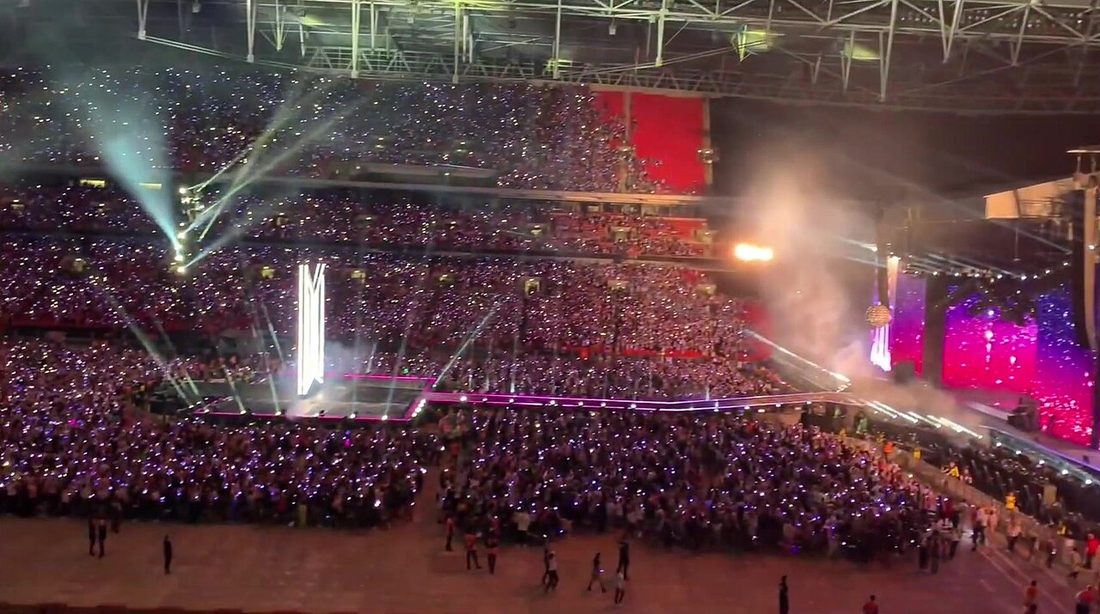
Watch the video first: it is a short concert clip. Then ask and answer with a partner, or with me. Tap a card when you have answered it.

Rock stars make promises too. This song is a stadium classic, and it is built on one little word. Listen for it: you hear it again and again in the chorus, and by the end of the class it is yours.
Useful language
Words for promises and offers
Click a word, then click its meaning. Correct pairs turn green. The audio button says the word.
Complete the sentences
Click a word in the bank, then click a gap. Click a filled gap to clear it. Read the whole sentence first: it tells you the word.

 Can you
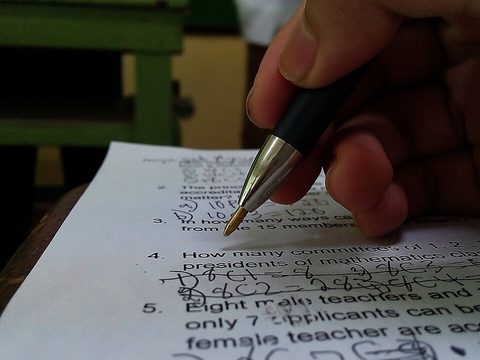
_____ me your pen? I'll give it back after class.
 These boxes are heavy. I can't
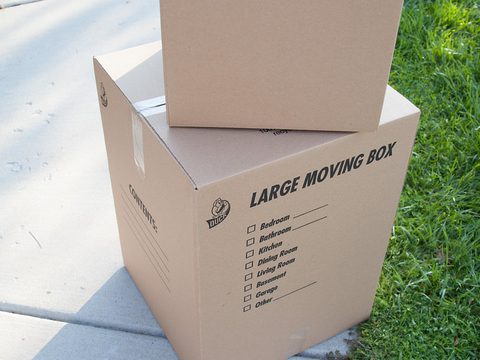
_____ them alone.
 Thanks for the twenty dollars. I'll
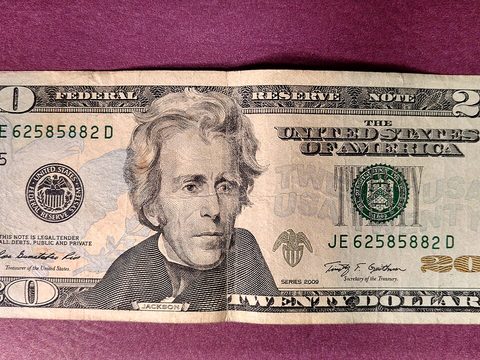
_____ the money on Friday.
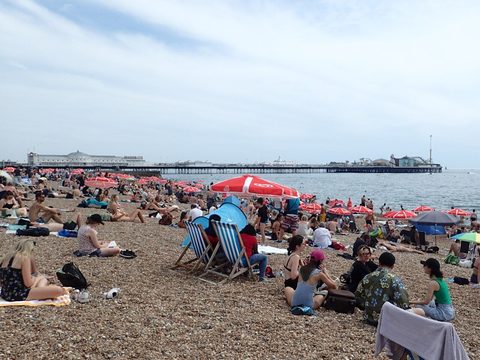 The beach was so
_____ that we couldn't find a place for our towels.
 Look at this
_____! Clothes on the floor, dirty cups on the desk, papers everywhere.
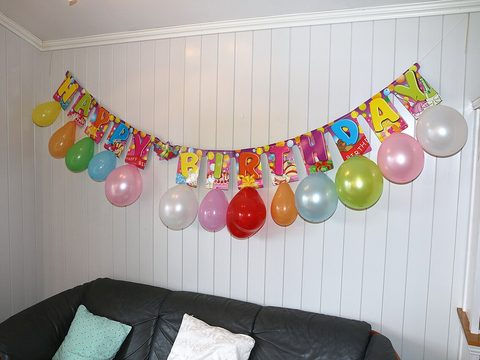 Don't tell anyone about the surprise party. It's a
_____ until Saturday.
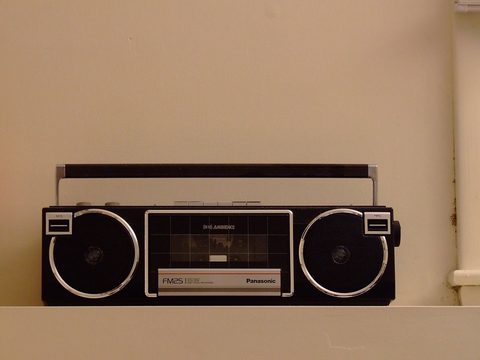 Please turn the music down. The neighbors can hear the
_____.
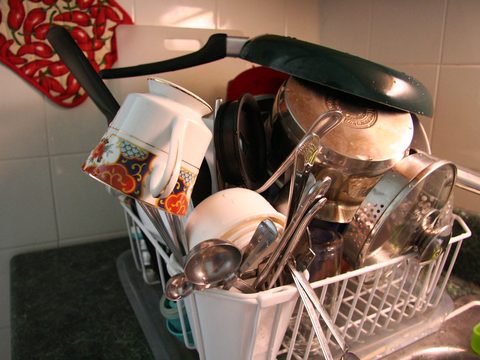 After dinner, you wash the
_____ and I dry them.
Will: one word, four jobs
Read the notes, then answer. In the first four, decide what each sentence is: a prediction, a promise, an offer or a decision. Click an answer and read why.

One word, four jobs. Will talks about the future: what you think is going to happen, what you promise, what you offer to do for somebody, and what you decide right now. The form never changes, and when we speak it is almost always 'll.
- A prediction (what you think about the future): Take an umbrella. It'll rain later. · I think the new bakery will be a big success.
- A promise: I'll be home before ten. I promise. · I won't forget your birthday again.
- An offer (you do something for another person): Your hands are full. I'll open the door for you. · Sit down, I'll get you a glass of water.
- A decision (you decide at that moment): The phone is ringing. I'll get it! · The store closes at six? OK, I'll go right now.
- Affirmative: person + will + verb. She will call you. In speech, the short form: I'll, you'll, he'll, she'll, it'll, we'll, they'll. She'll call you.
- Negative: won't (= will not) + verb. They won't come tonight.
- Question: Will + person + verb? Will you be there? · Will it rain?
- Short answers: Yes, I will. / No, I won't. In a short answer, never the short form: no
Yes, I'll. - The verb after will never changes: She'll go — never
She'll goes,She'll to goorShe'll going. - With there: There will be a party on Saturday. · Will there be food?
-
"I'll help you with your bags." This is…
You do something for another person, right now: that is an offer. In an offer, will is almost always 'll.
-
At a restaurant: "I'll have the steak." This is…
You read the menu and choose at that moment. When you decide now, you say I'll have…
-
"It's a great movie. I'm sure you'll like it." This is…
I'm sure + you'll like it: this is what the speaker thinks about the future. Nobody promises or offers anything.
-
"Don't worry, Mom. I'll finish my homework tonight." This is…
Don't worry says it: the speaker gives his word to his mom. A promise.
-
"Will your brother come to the party?" Which short answer is correct?
The question has will, so the short answer has will too, in the full form. 'll never ends a sentence.
-
Which sentence is WRONG?
The negative is won't or will not. Willn't does not exist.
Offer, promise or decision?
Read each sentence. Is the speaker offering help, giving their word, or deciding right now? Click an answer and read why.
-
"Thanks for the money! I'll pay you back next week." This is…
The speaker gives their word: next week, the money comes back. A promise.
-
"It's too late to go by bus. I'll get a taxi." This is…
No bus at this hour, so the speaker decides now: a taxi. Decisions with will happen at the moment of speaking.
-
"You look cold. I'll make you some tea." This is…
You look cold is the reason, and the tea is for the other person. An offer.
-
"I won't tell Jenny that you told me about her boyfriend." This is…
The speaker keeps a secret for a friend. I won't tell is one of the most common promises in English.
-
A dad says to his daughter: "If you eat your vegetables, we'll have some ice cream." This is…
A deal: first the vegetables, then the ice cream. The dad gives his word. If… we'll… is a very common way to promise.
-
"I'll close the door. It's too noisy with the door open." This is…
The noise is the problem, and the speaker decides at that moment to close the door.
-
"It's really hot in here. I'll turn on the air conditioning for you." This is…
For you is the clue: the speaker does something to help the other person. An offer.
-
"I won't stay for lunch. I have to go back to work." This is…
The speaker decides now not to stay. Won't makes a negative decision.
-
Which sentence is WRONG?
Will makes the negative alone: won't or will not. No don't or doesn't with will.
Make predictions
Write the whole sentence with will or won't. The sign on the left tells you the form: + is affirmative, − is negative and ? is a question. The short form (it'll) and the full form (it will) are both correct.

-
−The exam / easy to pass.
-
+I think my team / win the game tonight.
-
?/ the class be very long?
-
−He hasn't studied enough. Adam / pass the test.
-
?/ you see Sarah in the office today?
-
+I don't want to go to the beach today. It / be very crowded.
-
−You hate horror movies. You / enjoy that movie.
-
+I'm sure Dany / love the present we bought him.
-
?/ there be a lot of people at the festival?
-
+You / find a good job if you keep looking.
-
One more. Which question is correct?
In a question, will comes first, then the person or thing, then the verb: Will + the exam + be. No do or does: will makes the question alone.
Complete the promises
Click will or won't + verb in the bank, then click a gap. Read the rest of the sentence: it tells you which verb.
- If you cook, I promise I _____ the dishes.
- Monica promises she _____ English every day until her exam.
- The painters say they _____ painting the house tomorrow.
- I _____ anymore. I'm really full!
- I _____ my best on the exam tomorrow. I promise!
- You can play video games, but promise you _____ noise again.
- Claire says she _____ every day next year. She wants to be strong and healthy.
- We _____ to your birthday party. We promise!
-
One more. Which promise is correct?
A promise about the future needs will, and after will the verb has no to.
Choose the offer
Read the problem, then click the offer that helps. Two of the three don't make sense here.

-
"This exercise is difficult!"
The exercise is the problem, so help is the offer. A sandwich doesn't help with an exercise, and there is nothing to lend here.
-
"These bags are heavy."
Heavy bags: the offer is to carry them. Them = the bags.
-
"I'm hungry."
Hungry? Food is the answer: a sandwich, now.
-
"I left my phone at home."
No phone, so the friend lends theirs for a moment. Mine = my phone.
-
"We need the report urgently."
Urgently means now. The report goes by email: I'll send it now. It = the report.
-
"There isn't any bread."
No bread, so somebody goes to the store. Some = some bread.
-
"I'm sad."
When a friend is sad, the best offer is company: I'll be here.
-
"They don't take credit cards here."
No cards, but a friend has cash: I'll pay for you.
-
Which sentence is correct?
After will comes the verb alone: no -ing and no to.
-
Which sentence is WRONG?
The verb after will never takes -s: I'll make, never I'll makes.
What's the promise?
Read the scene and write the promise with the words on the left. Use 'll, will or won't. Example: I / call / you tonight → I'll call you tonight.
-
I / clean / this messA boy sits on the floor of his room. Toys, blocks and boxes are everywhere. He says:
-
I / finish / my math homeworkA notebook full of math problems, with a pencil, glasses and a calculator on it. The student says:
-
she / study / for the testA girl sits at her desk with books, a notebook and a cup, but she looks out the window and dreams. Her mom is worried, but her dad says:
-
I / not tell / your secretA person puts a finger on their lips: "Shh!" They say:
-
we / read / the bookOld books on a shelf. One of them is open: the plays of Shakespeare. The students look at it and say to the teacher:
-
I / buy / it for youA woman in a clothes store holds a sweater and smiles. She loves it. Her friend says:
-
I / always love / youA man kisses a woman on the forehead under a pink sky full of stars. He says:
-
One more. Which sentence is WRONG?
Will is for the future. Yesterday is in the past, so it can't go with I'll.
Predictions, decisions and promises
Part A: a partner reads the situation, you answer with will or won't, then change roles. Part B is about your life. Part C is for your opinions. Tap a card when you have talked about it.

Useful language
A message for next week
40–70 words. Write a message to a friend about next week: two predictions (what will happen), two promises (I'll… / I won't…) and one offer (I'll … for you). Example: It'll be a busy week. I'll call you on Friday, I promise.
My results
Check your score, then copy it and send it to your teacher on WhatsApp.

One job for this week. Every morning, say three sentences out loud, in English: one prediction, one promise and one quick decision. It'll rain. I'll call my mom. I'll have coffee. Thirty seconds, and 'll becomes automatic.