How to Carve a Pumpkin
A guide from Jamie Oliver's website: the right pumpkin, five steps to a creepy face, and what to do with the flesh and the seeds afterward. With four small words that hold instructions together: as, once, so and rather than.
Warm-up
Talk with a partner, or with me. Tap a card when you have answered it. Then take the quiz about the origin of the tradition.

Before we pick up a knife, a quick quiz: where does the jack-o'-lantern come from? Then we read a guide from Jamie Oliver's website and learn four small words that connect ideas: as, once, so and rather than.
Useful language
The quiz: do you know where the tradition comes from? Click an answer and read why.
-
The tradition of carving pumpkins comes from…
It began in Ireland, with a legend about a man and the Devil, and it crossed the Atlantic with Irish immigrants.
-
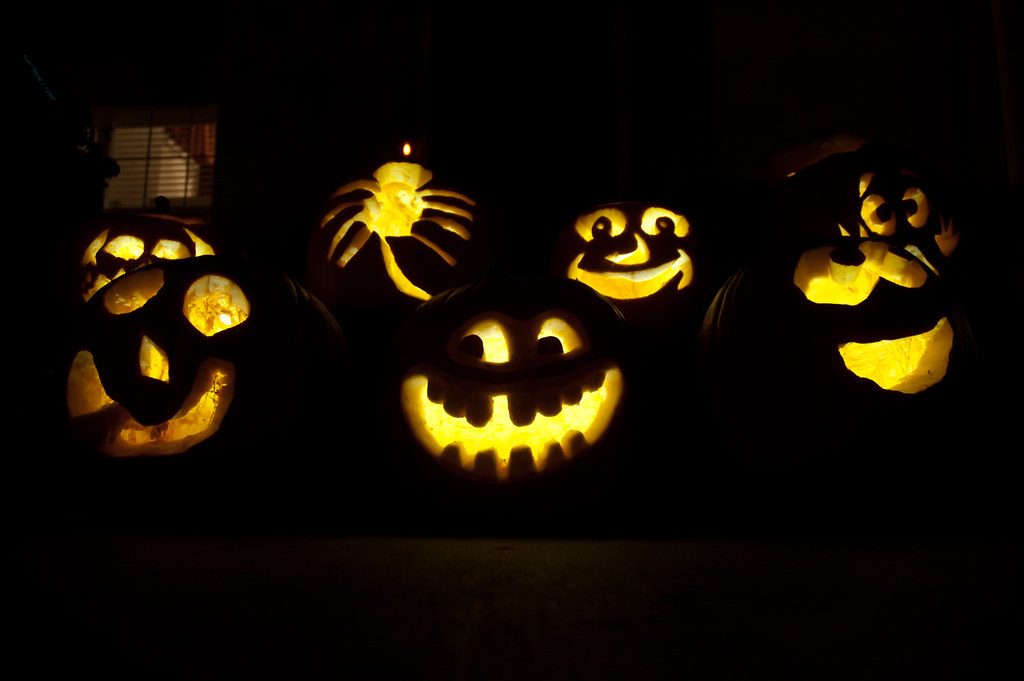
The story behind the tradition involves ___, who tricked the Devil for his own monetary gain. When he died, God didn't allow him into heaven, and the Devil didn't let him into hell, so he was sentenced to roam the earth for eternity.
Stingy Jack: stingy means he hated spending money, even on the Devil. Jack the Ripper was a real criminal in London in the 1880s, and Jack O'Lantern is the name that comes next.
-
People began to refer to this ghostly figure as "___".
"Jack of the Lantern", because in the legend he wanders in the dark with a light inside a carved turnip. Say it fast and you get "Jack O'Lantern", the name of every carved pumpkin today.
-
In the beginning, people used to carve ___, which were later replaced by pumpkins when immigrants came to America.
Turnips: a hard root vegetable, common in Ireland. In America, the immigrants found pumpkins, which are bigger and much easier to carve.
Words from the guide
All eight appear in the reading. Click a word, then click its definition. Correct pairs turn green. The audio button says the word.
Complete the sentences
Click a word in the bank, then click a gap. Click a filled gap to clear it. Read the whole sentence: the clues are all there.

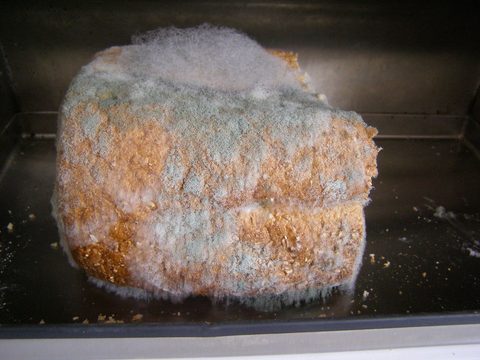 I forgot the bread in the bag for two weeks, and now it is
_____: soft green spots all over it.
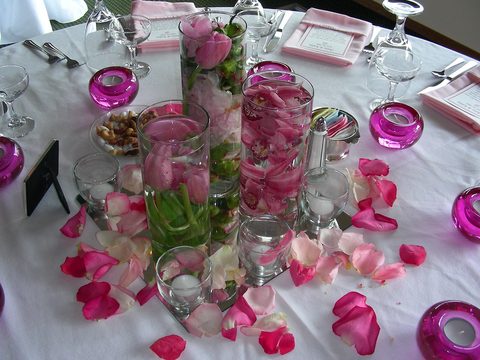 The florist put tall glass vases of pink roses in the middle of the table as the
_____ of the wedding dinner.
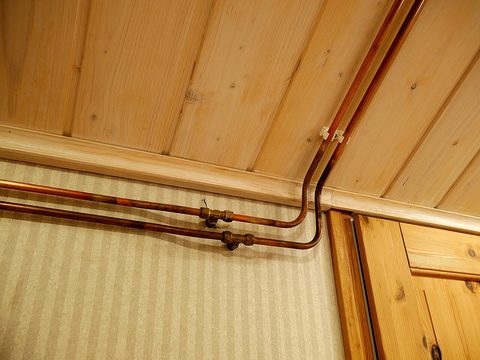 The old pipes in the basement are made of
_____, a reddish-brown metal that slowly turns green with age.
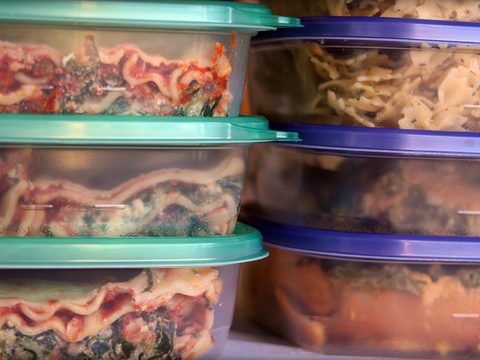 Nobody finished the lasagna, so the
_____ half went into the fridge for tomorrow's lunch.
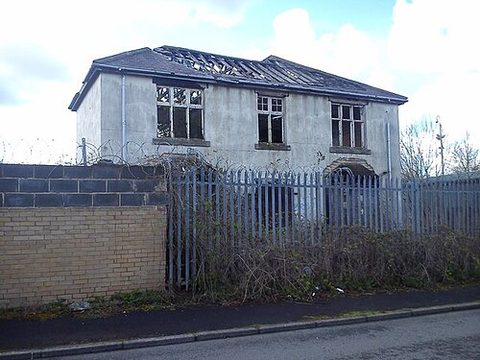 The empty house at the end of the street looks
_____ at night: dark windows, a broken door and strange noises.
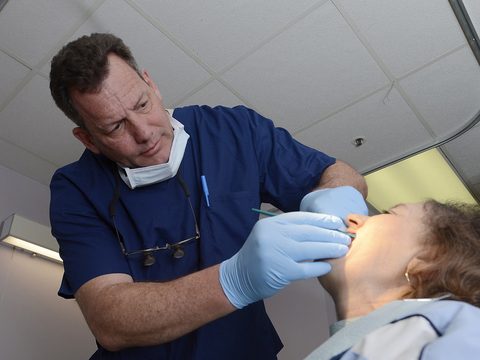 Brush gently, the dentist said, because your
_____ are bleeding a little where they meet the teeth.
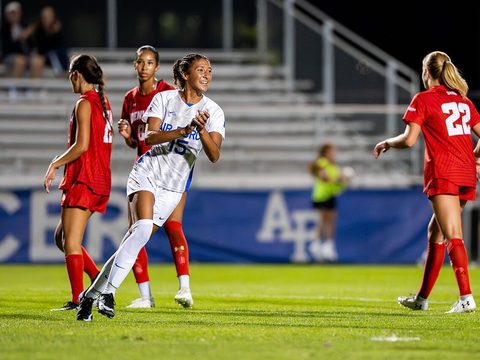 After scoring twice in the final, the eighteen-year-old was suddenly
_____, with every camera pointed at her.
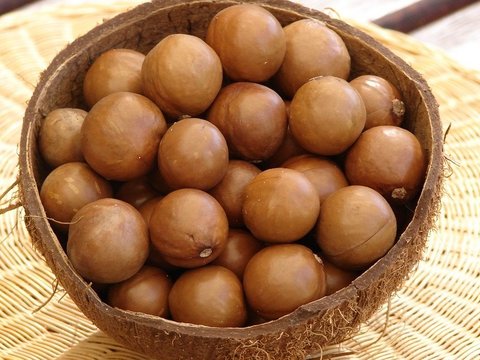 The children used a
_____ coconut as a bowl: all the white flesh was gone, and only the hard shell remained.
The mighty pumpkin
A guide to carving a pumpkin, retold from Jamie Oliver's website. Dotted words have a definition: hover or tap them. The audio button reads each paragraph aloud.
As October comes to an end, the stores fill up with mighty orange pumpkins. Halloween is only days away, and one of them is about to become the jack-o'-lantern on your doorstep.
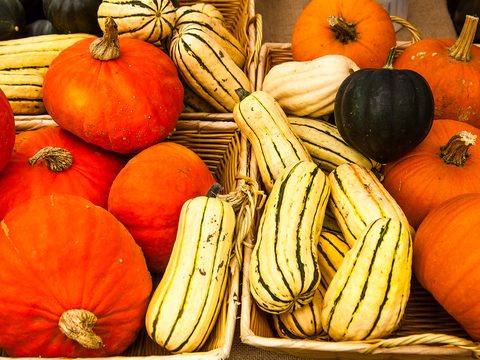
First things first: the choice of pumpkin matters more than anything else. There are hundreds of varieties, in every shape and size, so get to grips with them before you buy.
One question decides it: will you cook the flesh afterward? If so, pick a pumpkin grown for eating rather than a cheaper carving pumpkin, which is purely decorative. Once you have it, the fun begins.
Start with a dish towel under the pumpkin so it doesn't slip on the table. Then cut off the crown, the top with the stem, and put it aside for later.
With the top open, scoop out the seeds, fibers and flesh with a big metal spoon. Don't throw the insides away: they will come in handy for a soup or a sweet treat.
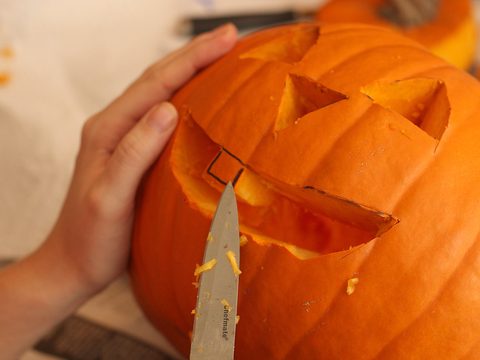
Your hollowed-out pumpkin is now ready for a face. Draw the outline with a marker first, then cut out the eyes, the nose and the mouth with a small knife.
A small knife gives you more precision and control on the details. It can still slip, though, so always cut away from your body, never toward it.
The face is done, so light a tea light or two inside and put the crown back on. Step back and admire your creepy creation: the Halloween centerpiece is in the limelight.
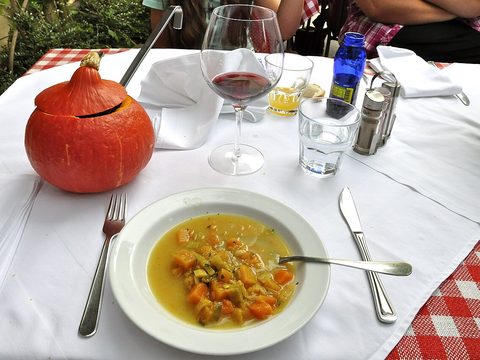
Now back to the leftover flesh. Pumpkin is rich in vitamin C, good for immune health, teeth and gums, so turn it into a roasted soup or spiced tarts. But timing matters.
Carve the day before Halloween and cook the day after, before it goes moldy, and wash out any candle wax. Don't discard the seeds either: roasted, they are a snack full of phosphorus and copper.
Multiple choice
Click an answer and read why.

-
What matters more than anything else, according to the guide?
Hundreds of varieties, in every shape and size: the guide says the choice of pumpkin matters more than anything else, so get to grips with the options first.
-
Why does the guide say to buy a pumpkin intended for eating?
A carving pumpkin is cheaper and purely decorative. If the flesh is going to become soup or tarts, you need one grown for eating.
-
What is the dish towel for?
A round pumpkin on a smooth table moves; the towel holds it still while you cut. Safety first.
-
What do you cut off first?
The crown is the top, with the stem. It comes off first, so you can reach the inside, and it goes back on at the very end.
-
What should you do with the seeds, fibers and flesh?
You scoop them out with a big metal spoon, and you keep them: they come in handy later. The flesh goes into a soup or a dessert, and the seeds become a snack.
-
Why does the guide recommend a small knife for the face?
Precision and control for the details of the eyes, the nose and the mouth. A small knife can still slip, which is why you always cut away from you.
-
What is the very last step of the carving?
Pop a tea light or two inside, light it, put the crown back on and step back: the creepy creation is finished.
-
According to the text, why is pumpkin flesh good for you?
Vitamin C, which the body needs for immune health, for teeth and gums, and for cell protection. The text says nothing about heart disease.
-
What is the difference between an eating pumpkin and a carving pumpkin?
The carving pumpkin costs less and is grown for decoration, not for eating. So no, the decorative pumpkins are not the expensive ones.
-
When should you carve the pumpkin, and when should you cook it?
Two days, not a week: a carved pumpkin goes moldy fast. Before you cook it, clean it well and check that no candle wax is left inside.
-
Why shouldn't you discard the seeds?
Roasted, they are a delicious snack. They are full of phosphorus, for strong bones and teeth, and copper, which keeps your nervous system healthy, keeps your hair strong and helps carry iron around the body. They are rich in iron too: plenty of benefits in a handful of seeds.
-
Which sentence best summarizes the text?
The face is only half of the story: the flesh becomes soup or tarts, and the seeds become a snack. The history of the tradition was in the warm-up, not in the text.
Four connectors from the text
Four sentences from the reading, each with a connector. Read the note, then choose what each connector means.

Connectors are the glue. Once says when, so says what you want to happen, rather than says what you prefer, and as does two jobs: while and because. Read the whole sentence before you choose.
- as — time: two things happen or change together. As the evening goes on, the candles burn lower. Reason: because. As I don't eat meat, I ordered the pumpkin soup. At the start of a sentence, this as sounds a little formal; since works the same way.
- once — as soon as, from the moment when. Once the candle is lit, put the crown back on. After once, use the present or the present perfect for the future, never will.
- so — purpose: in order that (so that), often with can, could, will or won't. Cut away from you so you don't hurt yourself. After a comma, so gives a result instead: It was raining, so we stayed in.
- rather than — instead of; you prefer the first option. Buy a small pumpkin rather than a huge one. With verbs, use the base form or -ing: fix the old chair rather than buy a new one.
-
"Once you have it, the fun begins." Here, once means…
Once is about time: from the moment you have the pumpkin. It is followed by a clause with a verb, here in the present, even for the future.
-
"Start with a dish towel under the pumpkin so it doesn't slip on the table." Here, so expresses…
Why the towel? In order that the pumpkin doesn't slip. This so means so that; a result so would come after a comma: "It slipped, so I got a towel."
-
"…pick a pumpkin grown for eating rather than a cheaper carving pumpkin." Here, rather than means…
You want the eating pumpkin, not the carving one. Rather than compares two options and keeps the first.
-
"As October comes to an end, the stores fill up with mighty orange pumpkins." Here, as means…
Two things move together: the month ends, and the stores fill up. This as means while. The other meaning of as, because, is in the next question.
-
"As nobody in the house wanted to carve, I did it myself." Here, as means…
As at the start of a sentence often gives a reason: nobody wanted to, so I did. You could replace it with since or because.
-
Which sentence is correct?
No will after once: the present or the present perfect points to the future by itself. "Once you'll have finished" is a common mistake.
-
We decided to walk ___ a taxi.
After rather than, the verb takes the base form, like walk before it (or -ing: "rather than taking"). The past is already in decided, so no took and no taken here.
Choose the connector
Eight sentences, four connectors, each one used twice. Read the whole sentence: the second half usually tells you which one fits.
-
I think I'd like to stay at home this evening ___ go out.
Two options, and you prefer the first: stay at home rather than go out. After rather than, the verb stays in the base form.
-
Read every line before you sign: ___ you've signed the contract, you won't be able to cancel it.
From the moment you sign, there is no way back: once. As would mean "because you've signed", but the sentence says you haven't signed yet.
-
___ it was getting late, I decided to stop at a hotel.
The late hour is the reason for the decision: as = because. At the start of a sentence, since would work too.
-
Choose a small knife to cut the pumpkin, ___ a big one gives you less control.
The second half explains why: a big knife gives less control, so choose a small one. As = because.
-
They moved to Boston ___ they could be closer to her family.
Why did they move? In order to be closer: so (that) + could. Purpose.
-
She chose a large pumpkin ___ she could carve a big, creepy face on it.
Purpose again: she chose a large one so (that) she could carve a big face. Could right after the gap is a typical sign of purpose.
-
I'm still looking for an apartment; ___ I've found one, I'll send you my address.
First find the apartment, then send the address: once = as soon as. Note the present perfect after once for a future action: "once I've found one".
-
You can use cocoa powder to make the cake ___ chocolate.
Instead of chocolate: rather than. Cocoa powder is the preferred option in this recipe.
Find the word in the text
Each clue describes a word or expression from the reading. The paragraph number tells you where to look. Write it exactly as it appears in the text.

-
bigAn adjective: very large, powerful or important. (Paragraph 1)
-
understandA phrase: to make an effort to understand and deal with a problem or situation. (Paragraph 2)
-
onlyAn adverb: only, and for no other reason. (Paragraph 3)
-
slideA verb: to slide by accident and lose your position. (Paragraph 4)
-
spoonA phrasal verb: to remove something with a spoon or with your hands. (Paragraph 5)
-
usefulA phrase: to be useful at some time in the future. (Paragraph 5)
-
exactA noun: the quality of being exact and accurate. (Paragraph 7)
-
throwA verb: to throw something away because you don't want it. (Paragraph 10)
Teach your friends
Imagine you are helping your friends prepare a Halloween party. You have just read the guide, and now you need to teach them how to carve a pumpkin. Explain each step with words, expressions and connectors from the text. Tap a card when you have explained it.
Useful language
Talking point
Part A is about the text, Part B is about you, and Part C is for your opinions. Connect your ideas with as, once, so and rather than.

Useful language
Eight sentences, four connectors
60–100 words. Write two sentences with each connector — as, once, so and rather than — and make them true about your life or your plans for this week. Use as once for time and once for a reason. Example: Once the class is over, I'm going to make dinner.
My results
Check your score, then copy it and send it to your teacher on WhatsApp.

One job for this week. Every day, write one sentence with once about a plan, and one with rather than about a choice you made. Fourteen sentences, and the connectors are yours.