What Happens When You Go Vegan
Tired in week one, food that tastes strange, a lighter scale and cleaner arteries, but bones that need attention: two minutes of science on the body's answer to a vegan diet. The foods of a vegan pantry, and the words for things that go up, down and out.
Warm-up
Ask and answer with a partner, or with me. The note below describes the Vegan Plate Guide from the class slide. Tap a card when you have answered it.

No meat, no eggs, no milk, no cheese. What does the body do when all of that leaves the plate? Today a two-minute video answers it, week by week. First, let's see what the class already knows about veganism.
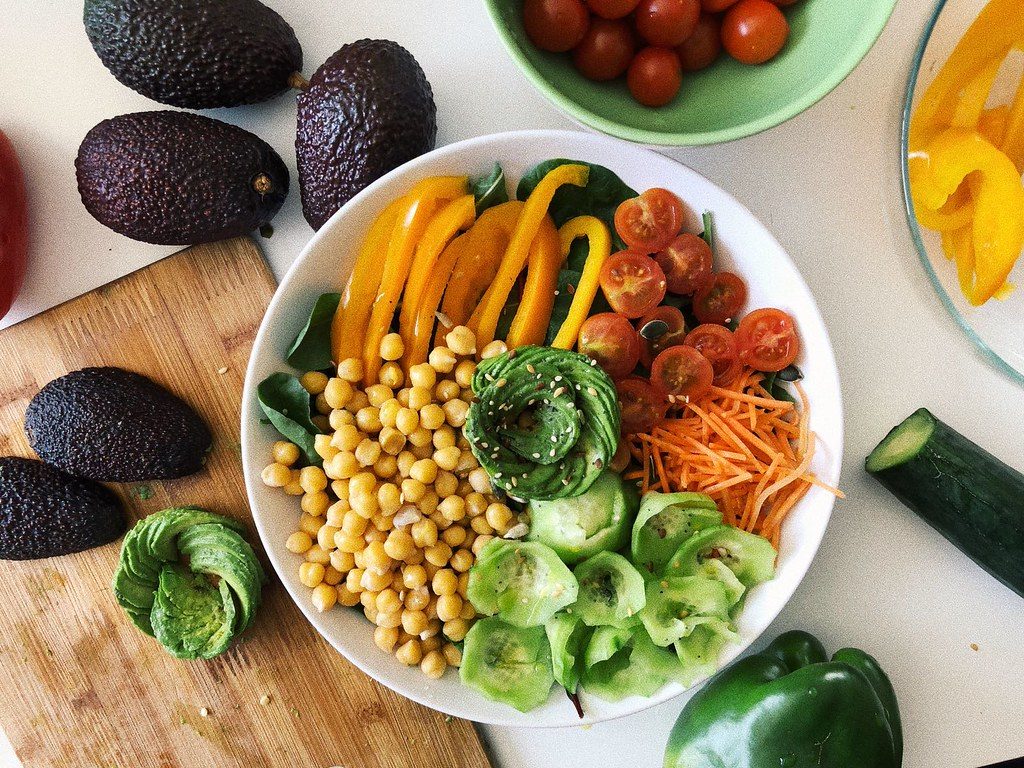
- 40% vegetables and fruit: bananas, blueberries, kiwis, carrots, peppers, cabbage, eggplant
- 25% plant protein: chickpeas, lentils, tofu, nuts and seeds
- 25% whole grains and starchy vegetables: oats, wheat, potatoes, sweet potatoes
- 10% healthy fats: avocado and seeds
Useful language
Vegan food
Eight foods from the class slides. Click a food, then click its description. Correct pairs turn green. The audio button says the word.
Complete the sentences
Click a food in the bank, then click a gap. Click a filled gap to clear it. Each sentence has its own clues: only one food fits.

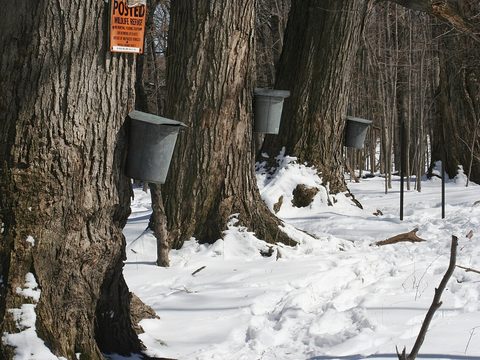 In Canada, farmers collect the sap of a tree in early spring and boil it down into
_____, a sweet golden liquid for pancakes.
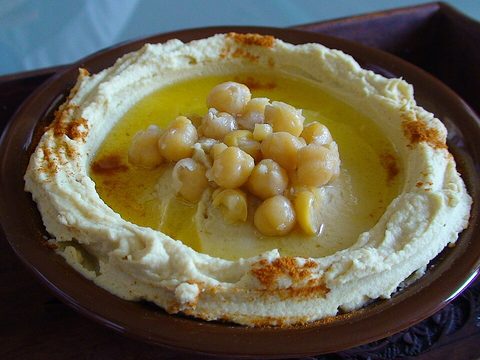 Soak the dried
_____ overnight, then cook them until they are soft: these round, beige legumes are the base of hummus.
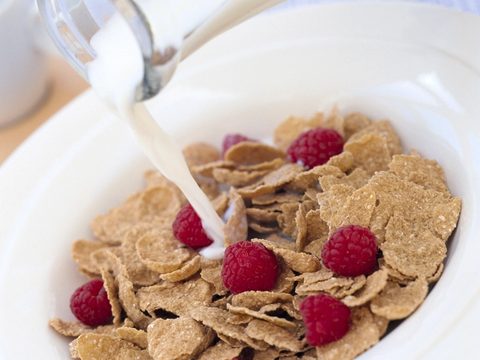 She can't drink cow's milk, so she pours
_____ on her cereal: a drink made from ground nuts and water.
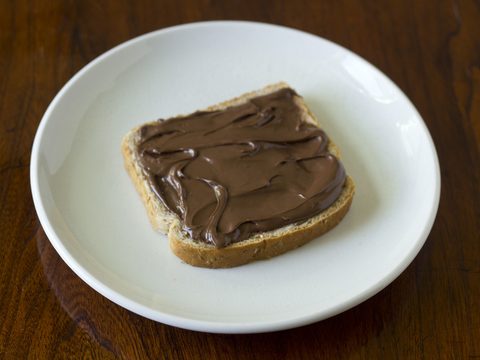 The famous chocolate spread gets its flavor from roasted
_____, round brown nuts with a hard shell.
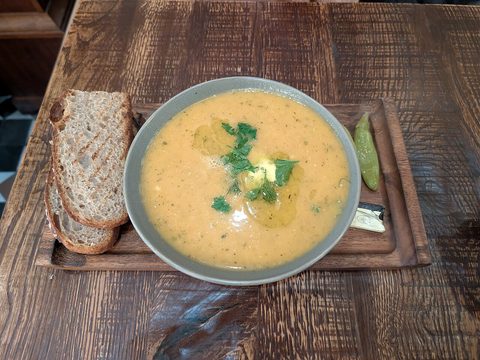 This soup is made with tiny, flat, lens-shaped legumes that cook in twenty minutes with no soaking: red
_____.
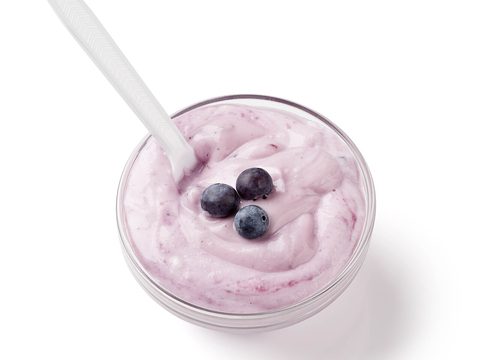 Small, round and dark blue,
_____ turn your yogurt purple and are full of antioxidants.
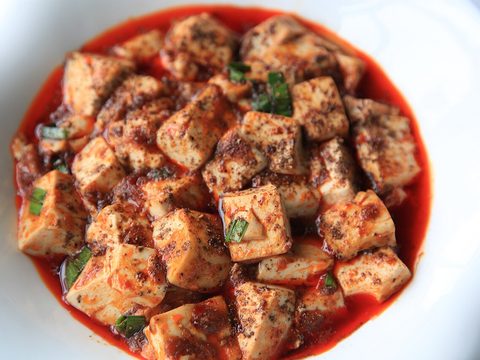 Because it is made from soy milk pressed into a soft white block,
_____ has almost no taste of its own and takes the flavor of the sauce.
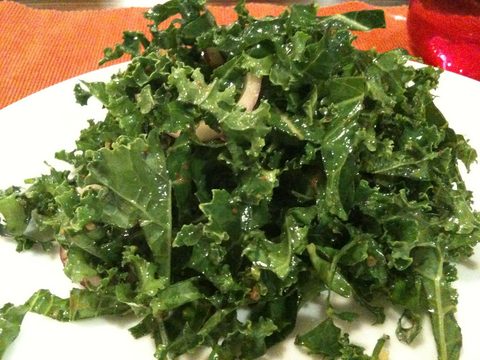 Related to cabbage,
_____ has thick, curly green leaves that stay crunchy even after a day in the fridge.
Week one as a vegan
Watch the video first: two minutes from Insider, with captions. Then read the text: it retells the video in new words, in the order the changes happen. Dotted words have a definition; hover or tap them. The audio button reads each paragraph aloud.
Picture your first day as a vegan: no meat, no eggs, no cheese, no milk. You are about to make the jump, and you are not alone. So what happens to your body next?

The first change arrives within a few weeks: you feel especially tired. Your blood needs iron and vitamin B12 to carry oxygen, and without meat, new vegans have a hard time getting enough.
Luckily, this is nothing a supplement can't fix. A vitamin pill, or a handful of nuts every day, gives your body what it was missing, and the energy comes back.
There is a second surprise, this time at the table: your favorite foods taste different. Your zinc levels have taken a hit, and zinc is behind your sense of taste and smell.
On the plus side, the scale moves right away. Over ten months, new vegans dropped ten pounds on average, and a 2009 study put vegans at the lowest average BMI of any diet.
Weight is not the only number going down. Cholesterol, blood pressure and the risk of heart disease fall too, and a 1999 study found that vegans had a 24 percent lower chance of clogged arteries.
Good news for your arteries, but maybe not for your bones. Milk and cheese are where most Americans get their calcium, so once dairy is gone, a new vegan may see a dip in calcium.
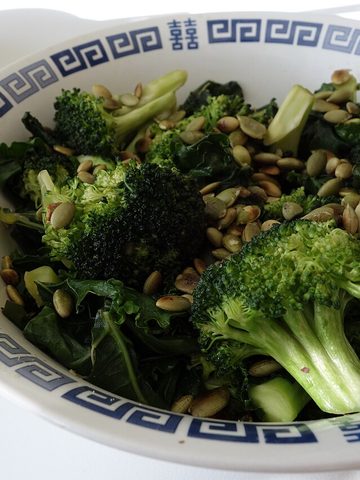
The fix is on the same plate: kale, broccoli and other leafy greens. Boost your intake of them, the video says, and your bones get the calcium that milk used to give.
Cutting out dairy has another effect, in the bathroom. Sixty percent of people, the video says, lack the enzyme that digests lactose, so for them dairy brings cramps, bloating and sometimes diarrhea.
Swap dairy for high-fiber vegetables, and you become a lot more regular. Still, every diet has its pros and cons, veganism included, so read up before you choose the one that suits you best.
Multiple choice
The stamp shows the moment in the video. Click an answer and read why.

-
Who is the video talking to? 00:06
"Thinking of making the jump to a vegan diet? You're not alone." The video speaks to someone who has not switched yet. Weight comes up later, but it is one effect among many, not the reason for the video.
-
What is the first change a new vegan may notice? 00:12
In the first few weeks, the body feels the missing nutrients before anything else. Appetite is never mentioned, and the bones come much later, as a question of calcium, not pain.
-
Why do new vegans often feel tired? 00:16
Meat is the usual source of B12 and iron, and at 00:23 the video explains their job: they help make red blood cells and transport oxygen around the body. Less oxygen moving around, more tiredness. Nuts are part of the solution, not the problem.
-
What fixes the tiredness, according to the video? 00:28
"Nothing a supplement or handful of nuts can't fix": the missing nutrients can come from a pill or from the right snack. Sleep and breakfast are never mentioned.
-
Why does food taste different to a new vegan? 00:37
Zinc levels "have taken a hit", and zinc affects the overall sense of taste and smell. The change is in the body, not in the food or in the memory of meat.
-
What happened to the weight of new vegans? 00:48
Ten pounds, about four and a half kilos, in ten months. At 00:55 the video adds a 2009 study: the average BMI was lower for vegans than for all other diets.
-
Which numbers go down, for the benefit of the heart? 01:03
A "healthy decrease" in all three. The proof comes at 01:10: in a 1999 study, vegans were 24 percent less likely to have arteries clogged by saturated fat and cholesterol. Red blood cells belong to the B12 story, not to this one.
-
Why may a vegan's bones suffer? 01:24
Most Americans get their daily calcium from dairy products, so a vegan may see "a dip in calcium levels". Leafy greens do the opposite: they are the solution in the next sentence. Exercise is never mentioned.
-
What does the video suggest to protect the bones? 01:32
"Boosting your intake of kale, broccoli and other leafy greens." The supplement was the answer for iron and B12, not for calcium, and almond milk never appears in the video.
-
Why do many people have trouble with dairy? 01:45
Sixty percent of humans, the video says, don't have the enzyme to properly digest lactose, the sugar in milk. The result, at 01:51: cramping, bloating and even diarrhea. An allergy to milk protein is a different problem, and the video does not talk about it.
-
What is the video's final advice? 02:02
"Like any diet, veganism has its pros and cons. Be sure to research and see which diet is best for you." The video lists effects; it does not tell anyone what to eat.
-
The main idea of the video is…
Tiredness, taste, weight, heart, bones, digestion: one effect after another, good and bad, and then "see which diet is best for you". Nobody is convinced of anything, and no comparison with a meat diet is made.
Complete the summary
Listen again and complete the summary with the exact word the narrator says. The stamp shows where to listen. Numbers can be written in digits.
-
In the first few weeks, a new vegan may feel especially ___. 00:12
-
The reason: without meat, it is hard to get enough vitamin B12 and ___. 00:16
-
The solution is simple: a supplement, or a handful of ___. 00:28
-
Food may taste different because your ___ levels have taken a hit. 00:37
-
New vegans lost an average of ___ pounds over a ten-month period. 00:48
-
In a 2009 study, the average ___ was lower for vegans than for all other diets. 00:55
-
In 1999, a study showed that vegans were ___ percent less likely to have clogged arteries. 01:10
-
Most Americans get their daily ___ from dairy products. 01:24
-
To protect the bones, boost your intake of ___, broccoli and other leafy greens. 01:32
-
Sixty percent of humans don't have the enzyme to properly digest ___. 01:45
Up, down and out: the language of change
First, find in the text the word or expression that matches each cue; the paragraph number helps. Then use the same expressions in new sentences, in the right form.

Levels go up and down, and foods go in and out. The video says decrease only once; the rest of the time it uses livelier words: boost, dip, take a hit, cut out, swap. These are the words of everyday English about change, and they work for money, sales and grades as well as for calcium.
- Going up: boost your intake of leafy greens = increase it. Also a noun: a boost of energy.
- Going down: you may see a dip in calcium levels = a small drop. Your zinc levels have taken a hit = they have been damaged, they have fallen.
- Changing sides: make the jump to a vegan diet = make a big change, finally do it. After switching = after changing from one thing to the other.
- Out and in: cut out dairy = stop eating it completely. Swap dairy for high-fiber veggies = replace one with the other.
- Trouble: vegans have a hard time getting enough iron = they find it difficult. Always have a hard time + -ing.
- Amounts and the body: a handful of nuts = what fits in one hand; your intake = how much of something you eat or drink; bloating = a full, swollen, uncomfortable stomach.
-
achanging to something new, finally doing it (paragraph 1)
-
bfind something difficult (paragraph 2)
-
ca portion that fits in one hand (paragraph 3)
-
da small drop, a decrease (paragraph 7)
-
eto increase the amount of something (paragraph 8)
-
fa full and uncomfortable stomach (paragraph 9)
-
gto stop eating something completely (paragraph 9)
-
hto replace one thing with another (paragraph 10)
Now use the same expressions in new sentences. Change the form when the sentence needs it: past, -ing, third person.
-
aCoffee was keeping him awake at night, so he decided to ___ caffeine for a month.
-
bSales ___ a little in January and then rose again in February.
-
cShe ___ her regular milk for almond milk last year and never went back.
-
dHe has ___ his iron intake by eating lentils twice a week.
-
eBeans give some people gas and ___, so they eat them only in small portions.
-
fGrab ___ of nuts on your way out; the meeting will run late.
-
gMany of my students ___ hearing the difference between "sheep" and "ship".
-
hAfter years of talking about it, he finally ___ and opened a vegan restaurant.
Sort the pantry
The class slide sorts vegan food into five groups: legumes · nuts and seeds · meat substitutes · plant drinks and other · fruit and vegetables. Choose the group for each food, then read what it is.
-
spinach
A leafy green with smooth, soft leaves; it cooks down to almost nothing in the pan. Kale is its curly cousin.
-
soybeans
A bean, like chickpeas and lentils, and the base of tofu, tempeh and soy milk. Brazil is one of the biggest producers in the world.
-
tempeh
A firm cake of fermented soybeans, from Indonesia. Sliced and fried, it takes the place of meat on the plate, like tofu, but with a nutty taste and more bite.
-
chia seeds
Tiny black seeds that swell into a gel when they sit in water or milk. The name is the same in Portuguese, but the English pronunciation is /ˈtʃiː.ə/, "CHEE-uh".
-
mushrooms
Not a plant, in fact, but a fungus; in the kitchen, and on the class slide, it sits with the vegetables.
-
oatmeal
Oats cooked in water or plant milk, a warm breakfast. Oats are a grain, so on the slide they go in the "other" group. The British word is porridge.
-
broccoli
Green trees on a thick stem, and one of the leafy greens the video names for calcium. In English the word has no final s, and you don't count it: some broccoli, a head of broccoli, a lot of broccoli.
-
peanuts
For the cook, a nut: roasted, salted, or ground into peanut butter. For the botanist, a legume that grows below the ground. The class slide keeps it with the nuts and seeds.
Say the food
Press the audio button, say the word, then answer. In a long word, one syllable is louder and longer than the others: it is written in capitals in the options.

- kale /keɪl/ · broccoli /ˈbrɑː.kə.li/ · spinach /ˈspɪn.ɪtʃ/ · mushroom /ˈmʌʃ.ruːm/ · blueberry /ˈbluː.ber.i/
- lentil /ˈlen.təl/ · chickpea /ˈtʃɪk.piː/ · soybean /ˈsɔɪ.biːn/ · hazelnut /ˈheɪ.zəl.nʌt/ · peanut /ˈpiː.nʌt/ · chia /ˈtʃiː.ə/
- tofu /ˈtoʊ.fuː/ · tempeh /ˈtem.peɪ/ · almond milk /ˈɑː.mənd ˌmɪlk/ · maple syrup /ˌmeɪ.pəl ˈsɪr.əp/ · oatmeal /ˈoʊt.miːl/
-
How many syllables does broccoli have?
BROC-co-li, /ˈbrɑː.kə.li/: three, with the stress at the front. Portuguese brócolis ends in s; the English word doesn't.
-
chickpea
/ˈtʃɪk.piː/: a compound noun, so the stress goes on the first part, like SOY-bean, PEA-nut and OAT-meal.
-
hazelnut
/ˈheɪ.zəl.nʌt/: the first syllable sounds like hay, and the middle one is a weak -zel.
-
tofu
/ˈtoʊ.fuː/: the first syllable sounds like toe, and it carries the stress. Speakers of Portuguese tend to push it to the end.
-
lentil
/ˈlen.təl/: stress at the front, and the second syllable is so weak that the i almost disappears.
-
The end of spinach sounds like…
/ˈspɪn.ɪtʃ/: SPIN-ich. The letters ach do not sound like the Portuguese ch; they sound like rich or which.
-
blueberry
/ˈbluː.ber.i/: the color carries the stress, as in STRAW-berry and RASP-berry. In American English the -berry part keeps a clear e.
-
Kale rhymes with…
/keɪl/, one syllable, with the same vowel as mail, sale and tale. Not ka-le in two syllables.
-
almond milk
/ˈɑː.mənd ˌmɪlk/: the stress is on the first syllable of almond, and in the most common American pronunciation the l is silent: "AH-mond".
Talking points
Part A is about the video, Part B about your own table, Part C about the bigger picture. Talk for about a minute about each card and ask your partner follow-up questions. Nobody has to share anything about their own health.
Useful language
A message to a friend
80–120 words. A friend is thinking of making the jump to a vegan diet and asks what you think. Write a message: two benefits the video mentions, two things to be careful about, and one piece of advice. Use at least three expressions from Exercise 07: make the jump, cut out, swap … for, boost, a dip, take a hit, have a hard time.

My results
Check your score, then copy it and send it to your teacher on WhatsApp.

One job for this week. At one meal every day, name three things on your plate in English and say which group they belong to: legumes, grains, fruit and vegetables… Then say one thing you could cut out, and one you could swap it for. Thirty seconds, out loud.