SPEAKING CLUB · TOPIC 2

Animals and Pets

Dogs that bark at the door, cats that sleep all day and fish that need a good tank. Sixty-six questions in three levels, from the color of your pet to the ethics of breeding animals.

A1-C2 60 min Focus: speaking · 3 levels Home
EXERCISE 01Speaking

Warm-up

Ask and answer with a partner, or with me. Tap a card when you have answered it.

Teacher Alvaro

Everybody has an animal story. A dog that barks at every visitor, a cat that ignores you, a fish with a funny name. Today you tell yours, and then you choose your level: Beginner, Intermediate or Advanced.

A fluffy cream and gray cat and a dark brown dog curled up together on a shaggy rug
Useful language
I'm a dog person. / I'm a cat person.I prefer … because … A good name for a dog is …My friend has a … I think … is the best pet for a busy person.How do you say … in English?
0 / 0
EXERCISE 02Vocabulary

Pet words

Click a word, then click its meaning. Correct pairs turn green. The audio button says the word. You will meet all eight in today's questions and answer prompts.

Word
Meaning
EXERCISE 03Vocabulary in context

Complete the sentences

Click a word in the bank, then click a gap. Click a filled gap to clear it.

Teacher Alvaro
  • My dog has a bad cough and won't eat, so I called the _____ and made an appointment for tomorrow morning.

  • Our white cat sleeps on our black sofa every afternoon, so there is white _____ all over it.

  • Watch this! When I say "Roll over," my puppy lies down and turns onto his back. It's his best _____.

  • When my dog sits nicely and waits, I give her a small _____, like a piece of chicken or a dog cookie.
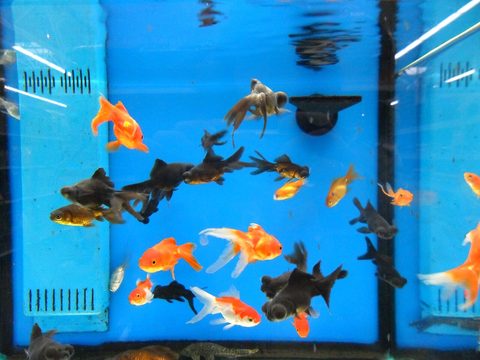
  • Our goldfish need more space to swim, so we're buying a bigger _____ with a new filter.

  • We didn't buy our dog in a pet store. We adopted her from an animal _____ that takes care of lost dogs.
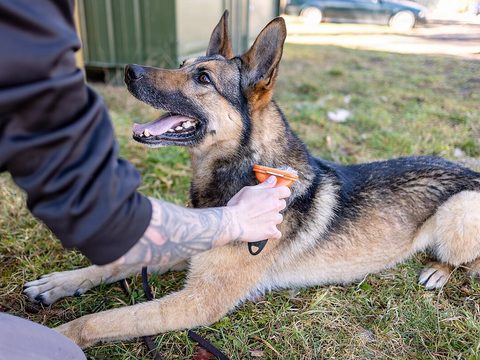
  • Long-haired dogs need a lot of care: you have to wash them and _____ them with a brush every week.

  • Our two dogs _____ loudly every time someone rings the doorbell, so we always know when a visitor is here.
EXERCISE 04Speaking · A1-A2

Beginner (A1-A2)

Ask a partner, or me, and answer in full sentences. Stuck? Open Answer prompts under the cards: the numbers are the same. Tap a card when you have answered it.

Answer prompts
1 · Yes, I have a ___ (dog, cat, fish…). / No, I don't have any pets. 2 · I like ___ (dogs, cats, hamsters…) because they are ___ (friendly, cute…). 3 · My favorite animal is the ___ because ___ (it's interesting, it's cute…). 4 · I have a ___ (dog / cat). / I don't have a ___ (dog / cat). 5 · My pet is ___ (color). / My pet has ___ (color) fur. 6 · My pet is ___ (two years old…). / I'm not sure how old my pet is. 7 · I feed my pet ___ (dry food, fish…). 8 · Yes, I walk my dog every day. / No, I don't have a dog. 9 · Yes, my pet can ___ (sit, roll over…). / No, my pet can't do tricks. 10 · Yes, my pet loves to play with ___ (a toy). / No, my pet doesn't like to play much. 11 · A cat makes a ___ sound (meow). 12 · A dog needs ___ (exercise, food, attention) to be happy. 13 · Yes, a hamster eats ___ (seeds, vegetables…). 14 · In my country, a common pet is the ___ (dog, cat…). 15 · I take my pet to the vet ___ (once a year…). / I don't have a pet. 16 · Yes, my pet sleeps a lot. / No, my pet is very active. 17 · Yes, my favorite zoo animal is the ___. / No, I don't have a favorite zoo animal. 18 · I take care of my pet by ___ (feeding, walking, grooming) it. 19 · A fish needs ___ (a tank with water and a filter) to live in. 20 · Yes, I think pets understand us a little. / No, I don't think pets understand us. 21 · I like to ___ (play, walk, cuddle) with my pet. 22 · Yes, I think pets are very good friends. / No, I don't think pets are really friends.
0 / 0
EXERCISE 05Speaking · B1-B2

Intermediate (B1-B2)

Answer, then add a reason or an example: because…, for example…. The Answer prompts under the cards have the same numbers. Tap a card when you have answered it.

Teacher Alvaro
Answer prompts
1 · You train a dog by using ___ (positive reinforcement, repetition, treats). 2 · Common health problems for pets include ___ (allergies, obesity, dental issues). 3 · Owning a pet changes a person's routine by ___ (adding regular feeding times, exercise routines). 4 · The benefits of having a pet include ___ (companionship, stress relief, increased activity). 5 · You choose the right pet by considering ___ (family size, activity level, allergies). 6 · Responsibilities include ___ (feeding, grooming, exercising, vet visits). 7 · You can help by ___ (posting flyers, checking shelters, using a microchip). 8 · Animals communicate through ___ (sounds, body language, scent). 9 · Consider ___ (time commitment, space, costs, allergies). 10 · A dog's diet includes ___ (varied proteins, vegetables), while a cat's diet is more ___ (protein-rich). 11 · Pets need ___ (daily walks, playtime, mental stimulation) for exercise. 12 · Pets can reduce stress by ___ (providing companionship, offering comfort, encouraging physical activity). 13 · Pets like ___ (cats, small dogs, fish) are best for small apartments. 14 · Keep pets safe by ___ (providing shelter, keeping them indoors, ensuring they have water). 15 · Some interesting facts are that ___ (their habitat is shrinking, they have unique behaviors, they are often protected by laws). 16 · Prepare by ___ (buying supplies, pet-proofing the home, setting up a space for the pet). 17 · Signs include ___ (a shiny coat, clear eyes, active behavior). 18 · Pets can teach children ___ (responsibility, empathy, social skills). 19 · Misconceptions include the idea that ___ (they are easy to care for, they can be handled like domestic pets). 20 · Views vary from ___ (seeing pets as family members) to ___ (using them for specific purposes like hunting). 21 · Signs of boredom include ___ (destructive behavior, excessive barking or meowing, lethargy). 22 · Advantages: ___ (low maintenance, small size). Disadvantages: ___ (needs space to hop, can be sensitive).
0 / 0
EXERCISE 06Speaking · C1-C2

Advanced (C1-C2)

Take a position and defend it: one argument, one example, one exception. The Answer prompts are a starting point, not the answer. Tap a card when you have answered it.

Answer prompts
1 · Advances can improve care by ___ (introducing new treatments, improving diagnostics, extending lifespan). 2 · Psychological impacts include ___ (reduced stress, increased happiness, improved mood). 3 · Animals display social behavior through ___ (grooming, playing, forming groups). 4 · Challenges include ___ (specialized care needs, potential health risks, compatibility with the family). 5 · Pet insurance covers ___ (medical expenses, accidents, illnesses) and is worth it if ___ (it fits your budget and your pet's needs). 6 · Ethical implications include ___ (overpopulation, genetic health issues, the impact on animal welfare). 7 · Pets influence our relationships by ___ (creating common interests, fostering connections, providing social support). 8 · Issues include ___ (limited genetic diversity, ethical concerns, habitat conservation). 9 · Technology can enhance care with ___ (health monitoring devices, automated feeders, online vet consultations). 10 · Implications include ___ (ethical concerns, potential health risks, changing natural traits). 11 · Practices vary in ___ (diet, housing, training methods). 12 · Pets provide ___ (companionship, security, stress relief) in urban settings. 13 · The bond can ___ (enhance treatment outcomes, provide emotional support, improve overall well-being). 14 · Long-term effects include ___ (increased empathy, improved social skills, responsible behavior). 15 · Research can lead to ___ (improved care protocols, a better understanding of animal needs, enhanced training methods). 16 · Pets can ___ (strengthen bonds, create responsibilities, change daily routines). 17 · Socioeconomic factors influence ___ (access to veterinary care, the quality of care, the ability to provide for the pet's needs). 18 · Challenges: ___ (potential health issues, unknown history). Benefits: ___ (saving a life, supporting animal welfare). 19 · Pets contribute by ___ (encouraging social interactions, creating common interests, fostering neighborhood bonds). 20 · Impacts include ___ (resource use, waste production, ecological footprints). 21 · Owners can find a balance by ___ (adjusting routines, planning activities, considering the pet's needs in lifestyle choices). 22 · Trends include ___ (natural diets, specialized foods, health supplements).
0 / 0
EXERCISE 07Writing

One question, one paragraph

80–120 words. Choose one question from your level and write its letter and number first (A for Beginner, B for Intermediate, C for Advanced). Then answer it in one paragraph: your answer, a reason and an example from your life or your country. Use at least two words from Exercise 02.

Teacher Alvaro
0 words
ENDEnd of lesson

My results

Check your score, then copy it and send it to your teacher on WhatsApp.

Teacher Alvaro

One job for this week. Pick one question from the level above yours (at Advanced, one you did not answer today) and answer it out loud for one minute, in English. Open the Answer prompts if you need a start.